Riding a horse gracefully, whether trotting or jumping over obstacles, looks cool and can inspire you to want to try it yourself. Horseback riding requires harmony between the horse and rider.
Improving your rein handling is a key step toward achieving rider-horse harmony. Use the knowledge about reins introduced here to improve your riding skills.
What Are Reins?
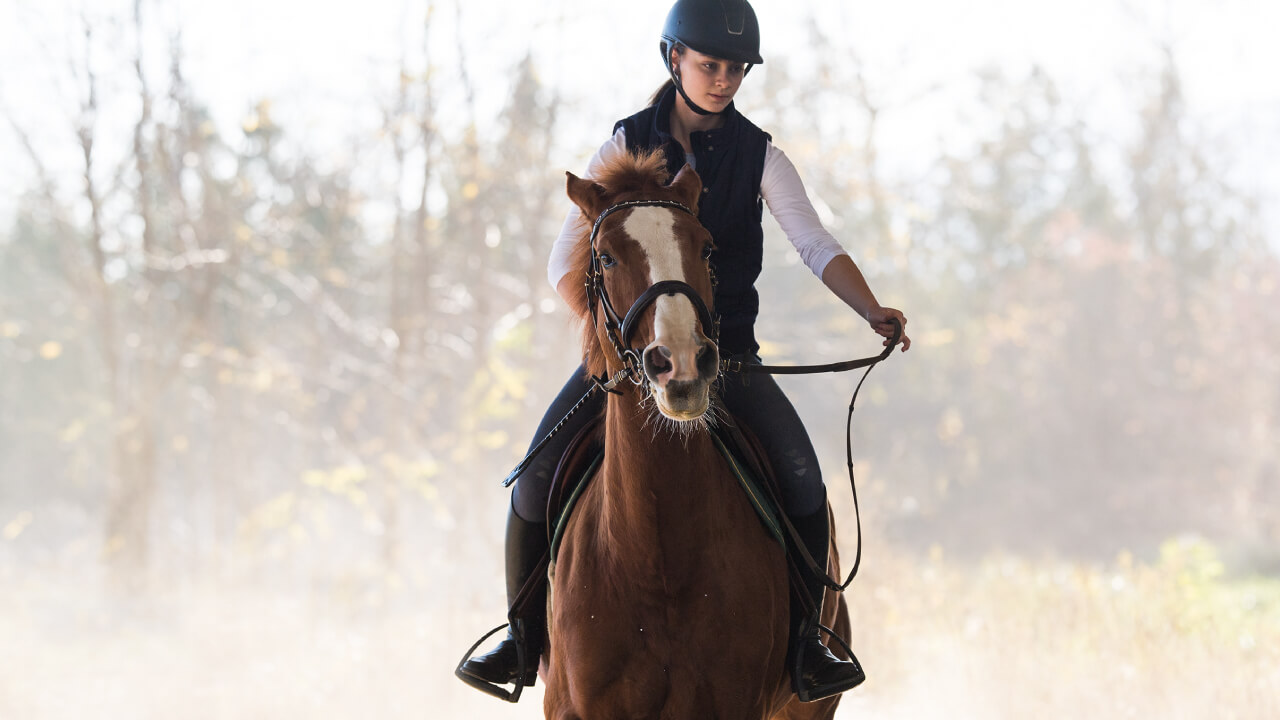
Everyone starting from beginners to experienced riders has likely heard of the term “reins.” Reins, read as “taduna,” are a piece of horse tack connected to the bridle and used for communication between rider and horse.
The reins attach to the bridle or bits the horse bites onto, and the rider uses them to give instructions such as direction changes or stop signals. Advanced riders combine rein controls with leg aids for more complex commands.
Reins are an essential tool for establishing contact with the horse in riding.
Roles and Types of Reins
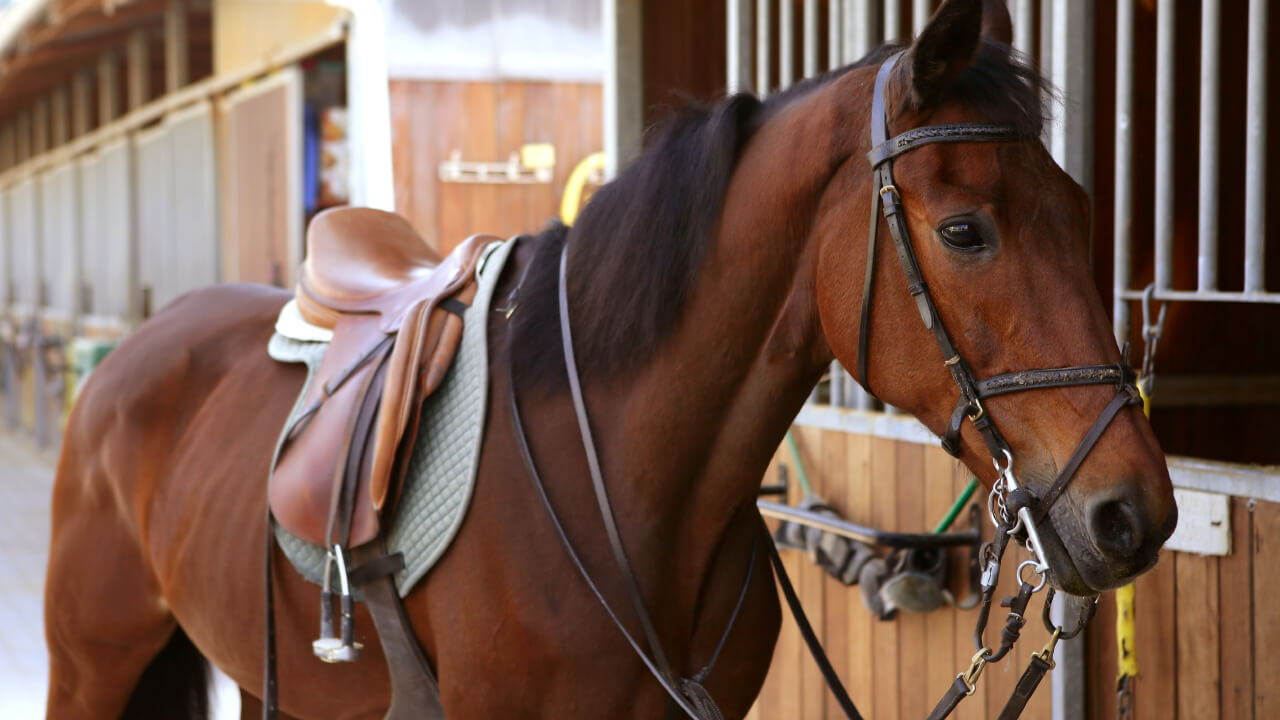
Reins are not only a tool for riding but also a metaphor for control, as in the phrase “to hold the reins.” This signifies controlling the horse, and it easily associates with controlling the horse during riding.
So, what are the roles of reins in actual riding? We will introduce the functions and types of reins here.
Functions of Reins
The main methods to give instructions during riding are leg aids and rein aids. The reins are used to tell the horse what kind of movement to make. They act as the handlebar and brake of the riding control system.
Moving the reins influences the bit, transmitting signals to the horse. There are five types of aids: “pull the reins,” “restrain the reins,” “give the reins,” “release the reins,” and “push the reins.”
“Pull the reins” signals the horse to stop, often a default image for beginners. However, once familiar with riding, it’s discouraged to rely solely on pulling the reins for stopping.
“Restrain the reins” is similar, used to halt the horse by easing up on the reins. When starting out, it might be hard for beginners to stop the horse effectively with this aid alone, but with practice, adjusting posture and easing the reins works better.
“Give the reins” involves slightly loosening the reins when the horse’s head moves during walking. It’s important not to completely slack the reins or lose contact with the bit.
“Release the reins” communicates the desired direction to the horse, guiding the horse’s face to face the intended way by controlling the reins directly.
“Push the reins” helps in turning the horse by applying pressure on the jaw, especially in Western riding, to indicate direction.
Reins play a vital role in smoothly transmitting commands to the horse.
Types of Reins
There are different types of reins, which might be surprising to beginners. Many new riders purchase their riding gear like jodhpurs, boots, or whips, but often not reins, so they might not be aware of the variations.
The main types include “cloth reins,” “rubber reins,” “knitted rubber reins,” and “leather reins.”
“Cloth reins” are popular because they’re durable and easy to care for. They have a cloth body with leather stops for length adjustment. They come in narrow, thick, or thin versions, suitable for all ages and genders.
“Rubber reins” are sturdy and handle strong pulls well, making them beginner-friendly. They are thicker but might provide less direct contact with the bit and are harder for smaller hands like women or children to grip well.
“Knitted rubber reins” are woven with rubber in the fabric, combining ease of handling with good grip, offering convenience for riders.
“Leather reins” are popular for their natural elasticity and comfortable fit, appreciated by many riders.
If you’re considering buying reins, it’s recommended to hold and feel them for grip and comfort before purchasing.
How to Adjust and Hold Reins
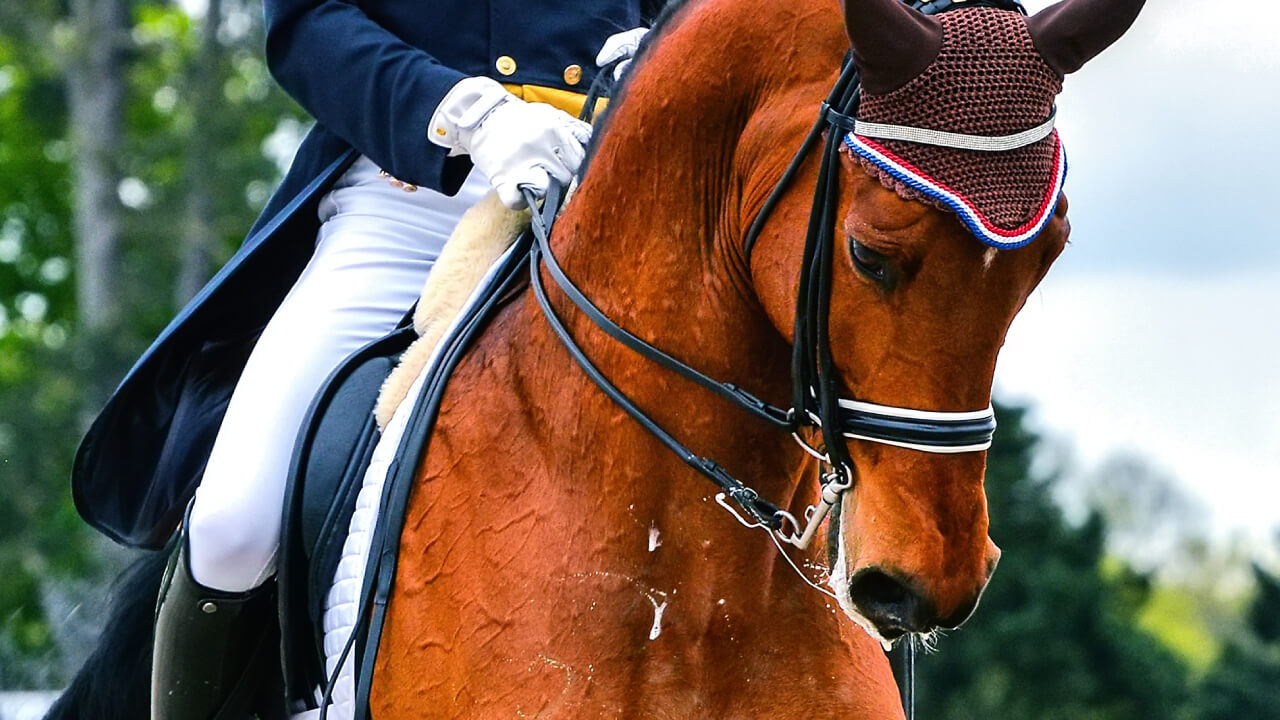
Understanding how to properly adjust and hold reins is essential. Riding styles, such as Western and British, influence how you handle the reins.
Western Riding
Western riding involves two techniques: dual-handed and one-handed. Beginners are usually taught the dual-handed method initially, but single-handed riding is common in Western riding.
In Western riding, reins are held loosely, known as “loose rein,” to give the horse more freedom and allow quick movement. The reins are often heavier than those used in English riding, which is one reason they are held more loosely.
Horses in Western riding are trained to move voluntarily. They are not constantly bridle-reined. The rider holds the reins lightly, hooking the index finger of the left hand for a one-handed ride.
British (English) Riding
In English riding, reins are held taut, generally not loosened, to facilitate bit contact.
Reins are pinched with the thumb and index finger, with remaining fingers (middle, ring, and little) supporting the grip. The reins are placed between the middle and ring fingers, with the wrist turned so the thumb’s nail points upwards. Unlike Western, reins are held with both hands.
How to Balance in the Saddle
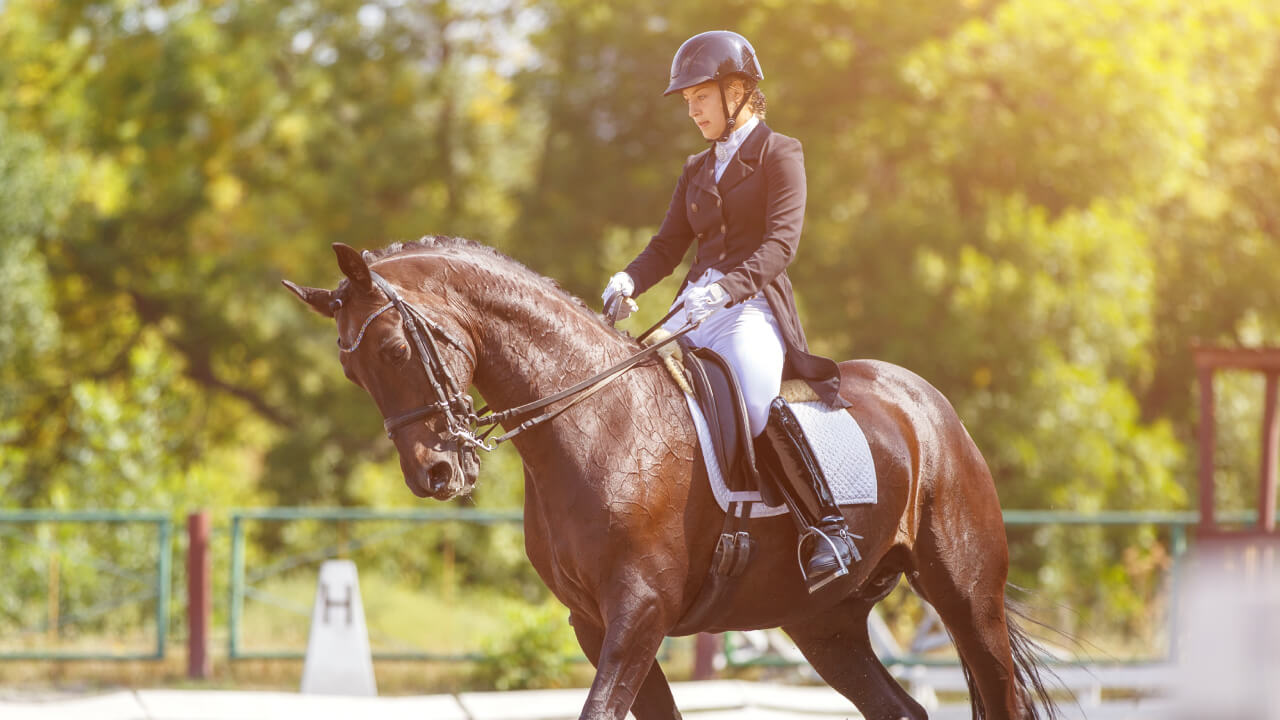
Riding ability isn’t dependent on physical agility. The key is balance. Even if you’re confident in your athleticism, if you cannot balance on the horse, you won’t progress.
Initially, beginners tend to rely on their legs to balance, but the real balance point is the seat bones. Keep your back straight and sit with your sit bones aligned upright on the saddle.
Imagine pulling upward from the top of your head, aligning your head, shoulders, hips, and heels in a straight line for a graceful posture. Practicing on a stability ball is also recommended for developing these balance skills.
It’s common for beginners to struggle with maintaining correct rein position. Holding the reins unevenly or allowing them to sway with the horse’s movements can disrupt your balance.
Practicing to hold the reins correctly and steadily greatly improves riding balance.
Points to Watch Out for When Handling Reins
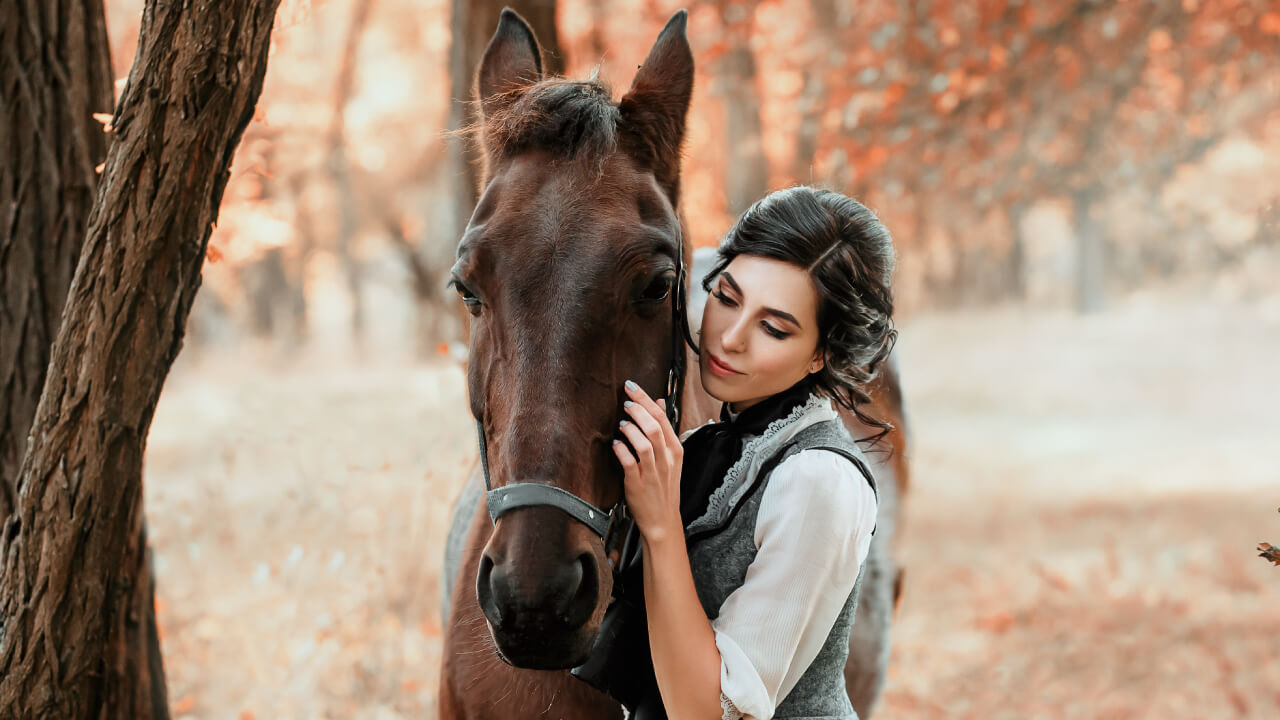
Although horses are large creatures, they are gentle and calm animals. They are also naturally timid, so sudden changes or loud noises can spook them. To avoid startling the horse, never pull forcefully on the reins.
Additionally, great care must be taken not to let go of the reins. Releasing the reins gives the horse freedom, but horses might not always stop suddenly. Handling reins carefully is crucial to ensure safety for both horse and rider.
Summary
We have discussed the roles, functions, and handling tips for reins.
Reins are essential equipment that connect the rider and horse. They enable communication where the rider gives commands, and the horse responds, creating a connection.
Achieving rider-horse harmony is fundamental for improving your riding skills. Practice handling the reins skillfully and enjoy riding!