
What You Can Do with Horseback Riding License Level 5

Horseback Riding License Level 5, certified by the Japan Equestrian Federation, is the easiest among the licensed levels. Even beginners with no prior horse experience can aim for this license. By obtaining it, you’ll become familiar with riding scenery, horse anatomy, grooming, and basic riding skills such as mounting, stopping, and maintaining correct posture, as well as issuing commands to the horse.
Advantages and Pass Rates of Level 5 License
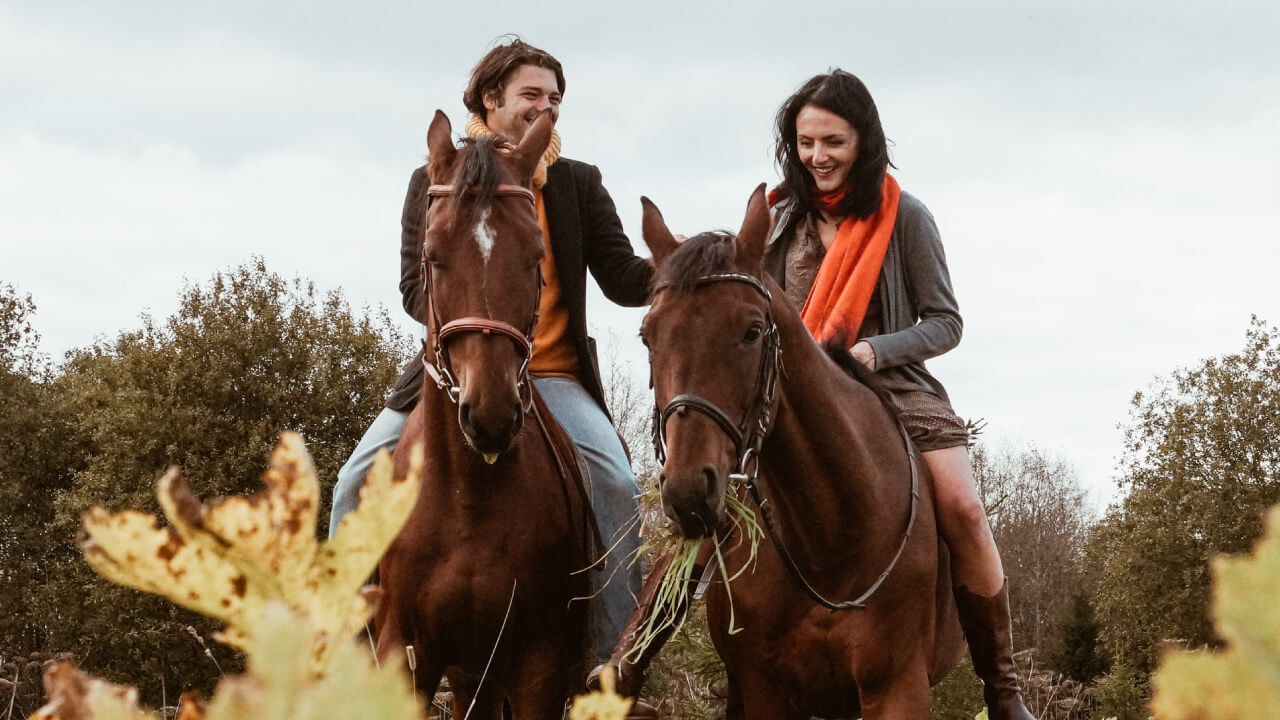
Even beginners with no prior riding experience can aim to acquire the Level 5 license, which has a pass rate exceeding 90%. Obtaining this license not only boosts confidence but also enhances motivation. There are additional benefits, such as being able to participate in specialized courses and short-term programs, which we’ll explore further.
1. Objective proof of riding skills
For example, when experiencing horse trekking at tourist spots, it’s common to be asked about riding experience. Holding a Level 5 license allows you to accurately convey your competence.
2. Accessibility to exclusive courses
Some trekking or riding courses are only available to licensed riders, making it possible to experience more advanced riding styles.
3. Short-term training programs
Many riding clubs offer intensive short-term courses that allow you to obtain the license without full membership, making it accessible for beginners.
4. No age restrictions
The Level 5 license can be obtained by children and adults alike. For younger children, a pony license may be more suitable.
5. Relatively high success rate
With a success rate of over 90%, it is an attainable goal that can motivate learners and boost confidence.
Level 4 License Details
Level 3 License Details
Summary of License Levels
Exam Overview (Written and Practical Tests)
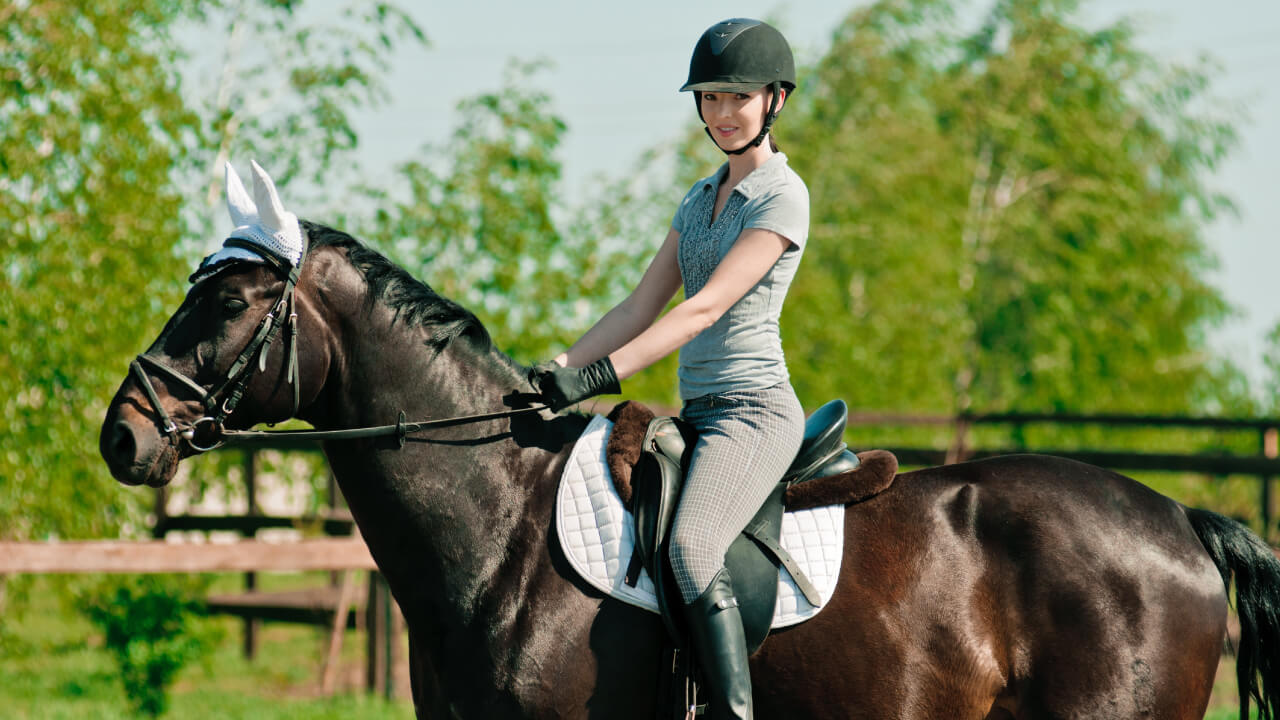
The Level 5 exam consists of a written test and a practical test, requiring thorough preparation. Approximately 10 riding lessons are recommended before taking the practical exam. Some candidates may attempt earlier or after more practice, depending on their confidence.
Written Exam
The written exam covers topics such as horse characteristics, horse anatomy, grooming, and riding handling. It involves multiple-choice and fill-in-the-blank questions. While the pass rate is over 90%, some candidates do fail, so careful study and focus are recommended.
Practical Test
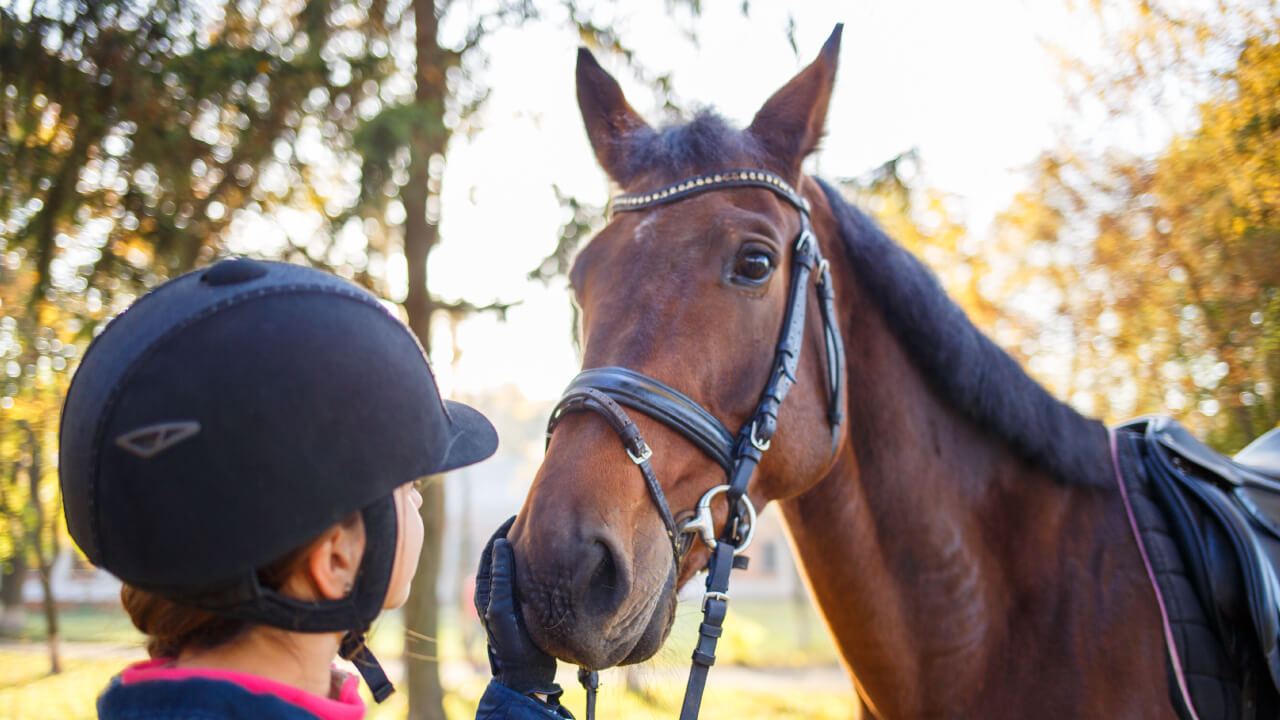
The practical test involves group activities with 5-10 candidates, following instructor commands and performing synchronized movements in a group. It assesses proper mounting/dismouting, issuing correct commands, maintaining posture, trotting on a designated path, and controlling the bridle.
Effective Preparation Tips for the Written Exam
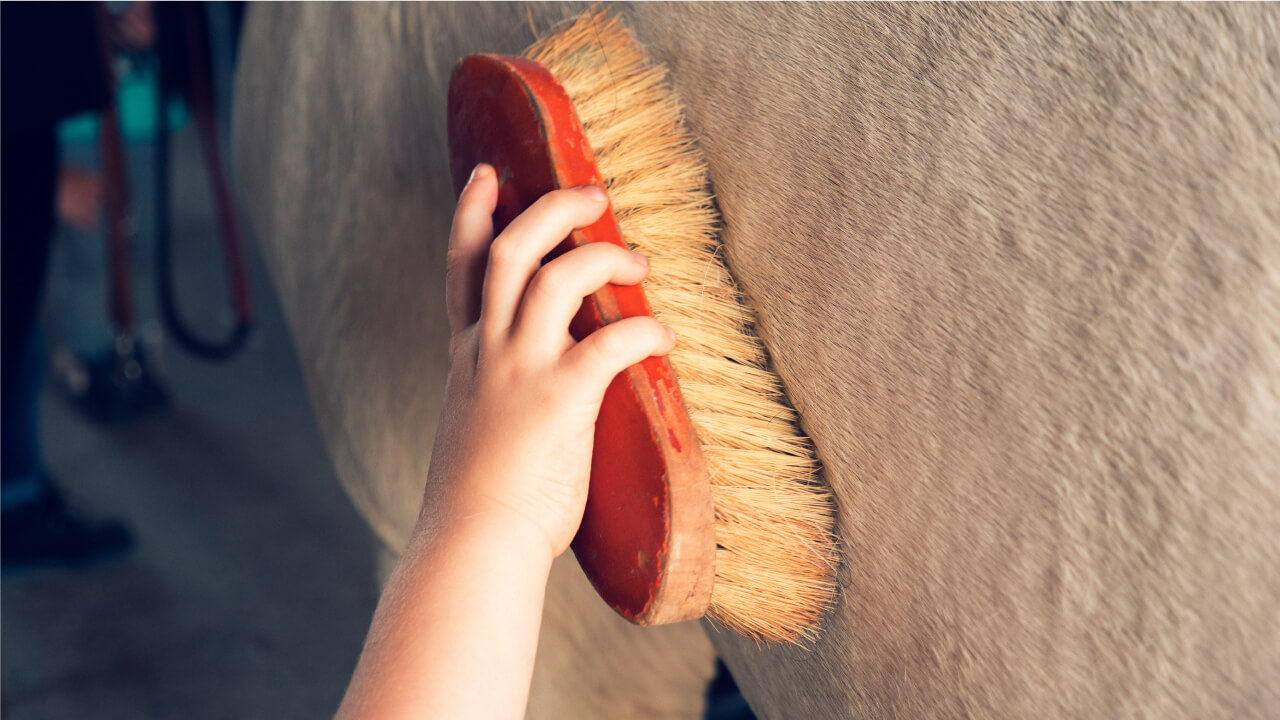
Studying the provided教材 and practicing the exercises can give you a sense of confidence that you can pass easily. However, don’t become complacent. Horse anatomy involves unfamiliar terms and tools that you may not have seen before, so pay close attention during your studies.
Practical Exam Preparation Tips
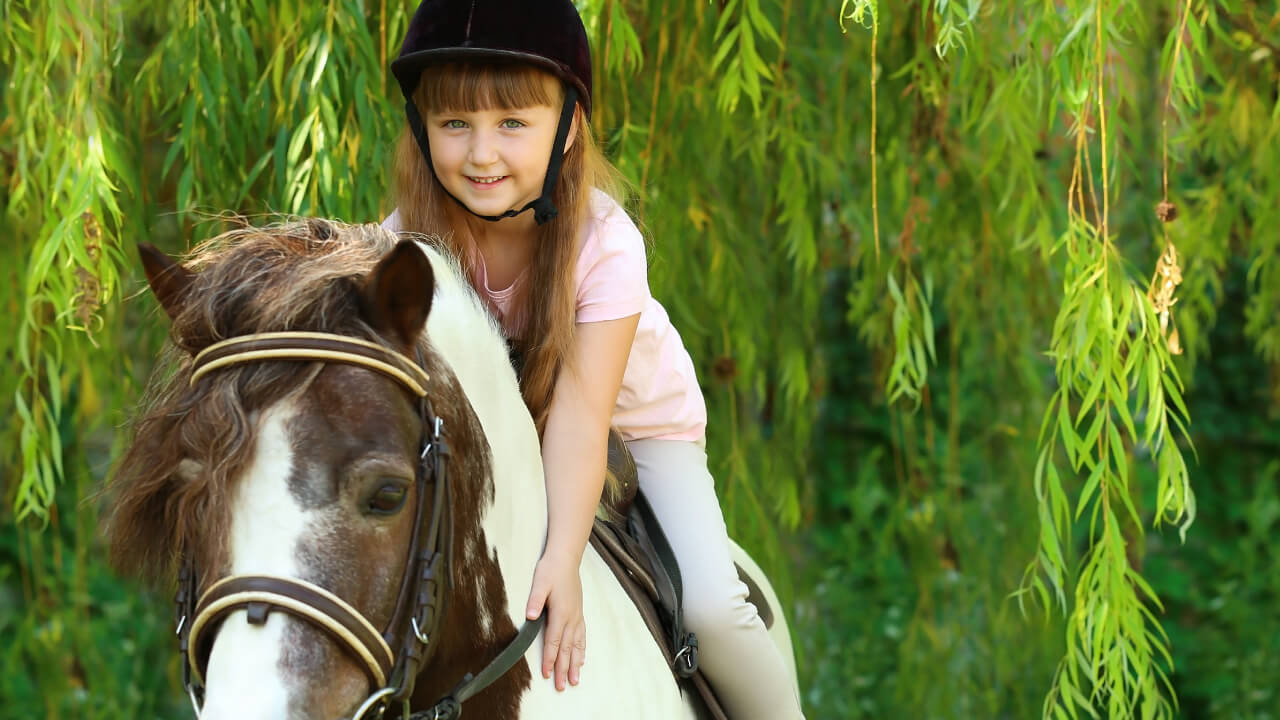
Joining group practice sessions, focusing on your weaknesses, and reviewing what you’ve learned are essential. If you’re riding a new horse, understanding its personality through prior consultation can help ease anxiety. Practice confidently and aim for the best performance in the exam.
Cost and Duration for Obtaining Level 5 License

Obtaining the Level 5 license can be done either through short-term trial courses without joining a riding club or by registering as a member and practicing regularly. The duration and costs vary depending on the method chosen. For example, a three-day trial course in the Kanto region costs about 56,000 yen, including tuition, materials, equipment rental, exam fees, and administrative costs. Membership-based training involves initial registration fees, regular fees, and riding charges, totaling tens of thousands of yen, with additional costs for equipment.
Without Joining a Riding Club
If you choose a short-term trial course, the duration is typically 3, 6, or 10 days, depending on the riding school. Costs vary by region, but for example, a three-day course in Kanto costs about 56,000 yen, which includes tuition, materials, and equipment rental. Confirming details with the specific riding school beforehand is essential.
With Membership and Regular Practice
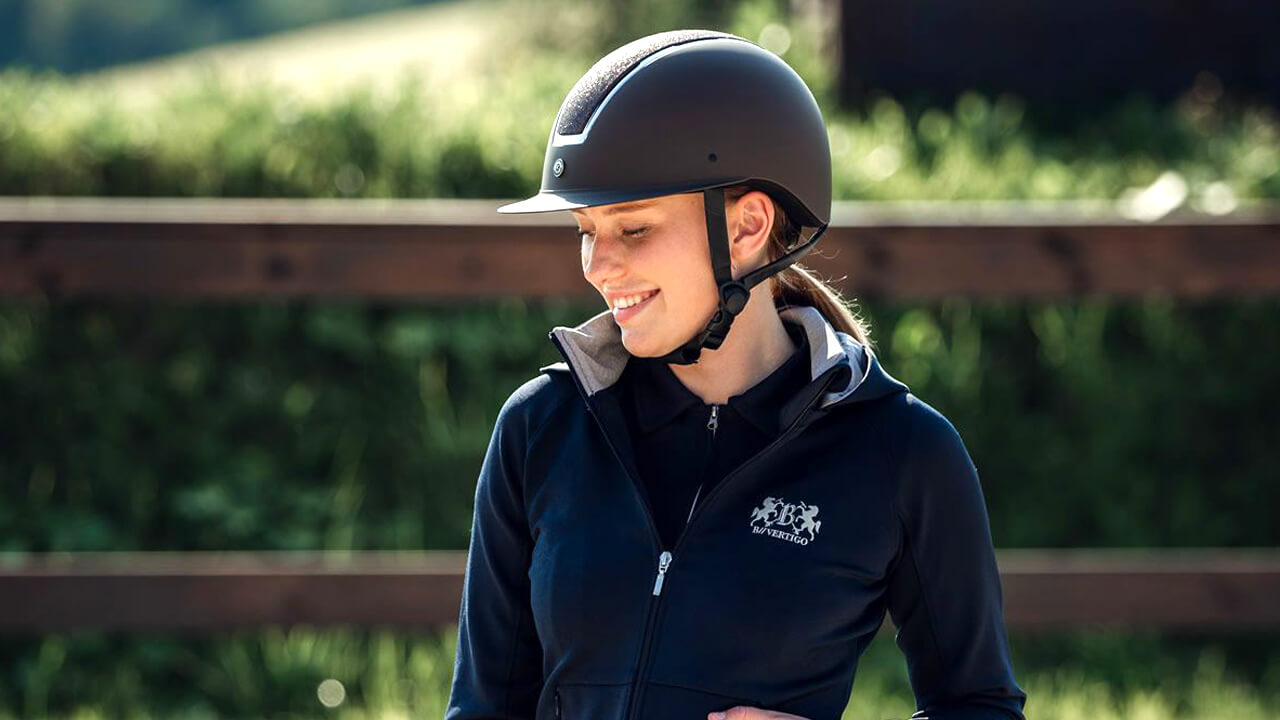
Initial registration fees, monthly or yearly dues, and riding or instruction fees apply, totaling tens of thousands of yen, with additional costs for equipment like boots and helmets. Considering the substantial investment, some riders purchase their own gear to save costs over time.
Summary
In summary, the Level 5 horseback riding license is not difficult to obtain and can be acquired by completing guided lessons. It is an accessible license for beginners, helps build confidence, and boosts motivation. Since costs and duration vary depending on the riding school, it is important to find a method that suits your needs.