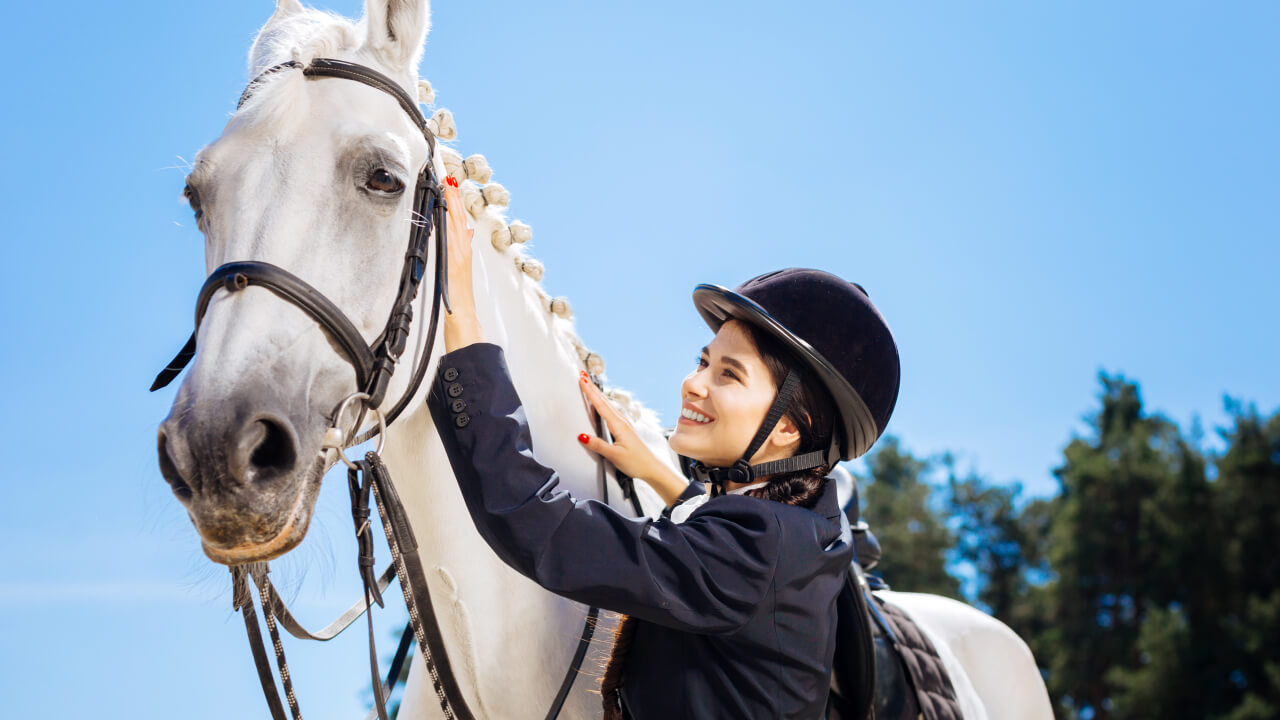
When you decide to start horseback riding, many people are drawn not only by the cool factor or the feeling of freedom but also by the desire to communicate with horses and find healing through that connection. Horses are large yet gentle animals, making them surprisingly easy to get along with.
However, just like dogs and cats have individual personalities, horses also have distinct temperaments. It’s important to interact with each horse in a way that suits its personality. To build a good relationship with a horse, understanding its nature is essential.
In this article, we introduce key points to help you get along better with horses, including their personality traits and characteristics of people who are loved by horses.
Horses Have Different Personalities
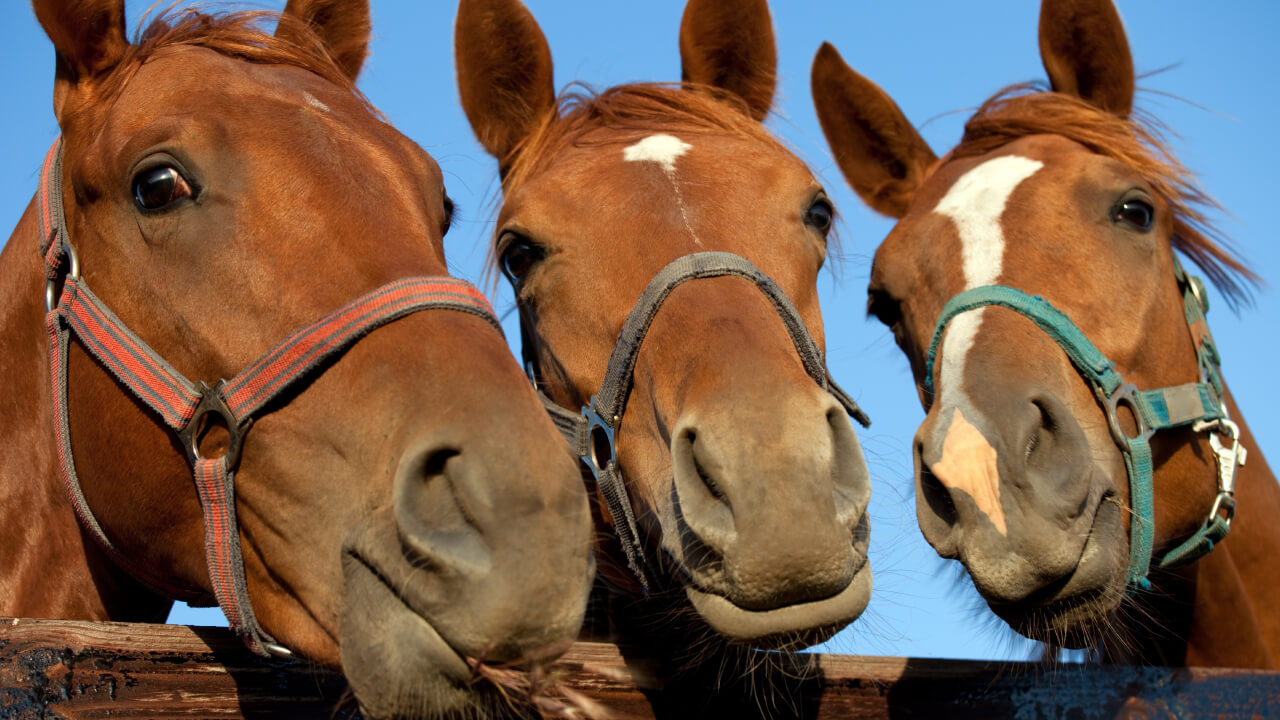
Horses are herbivores and are generally calm with low aggressiveness. However, just like individual differences in dogs and cats, horses also have unique personalities.
Most horses are gentle and easygoing. They are curious and friendly, often enjoying skin contact with familiar people.
Once trust is established, they follow human commands obediently. As mentioned earlier, horses can have varying temperaments, including some that are more spirited.
Have you ever seen a racehorse in a race? Some horses may kick or show lively expressions before the start. There are also horses at riding clubs that might nip if not properly managed.
Therefore, not all horses are always calm and kind; there are individual differences.
Horses Have Blood Types Too
When you hear about blood types, you might think of A, B, O, or AB. Horses also have blood types, but they differ greatly from humans.
The main blood types in horses are A, C, D, K, P, Q, U, and T. These can be further subdivided into combinations like Aa, Ab, Ac, with estimates of over three trillion possible variations.
Despite the many blood types, blood transfusions can be carried out without concern for type matching, because horse blood doesn’t clot when mixed.
However, since transfusing someone else’s blood is still an introduction of foreign material, there can be rejection reactions. To minimize these, some horses are specially used for transfusions.
Type of People Horses Like
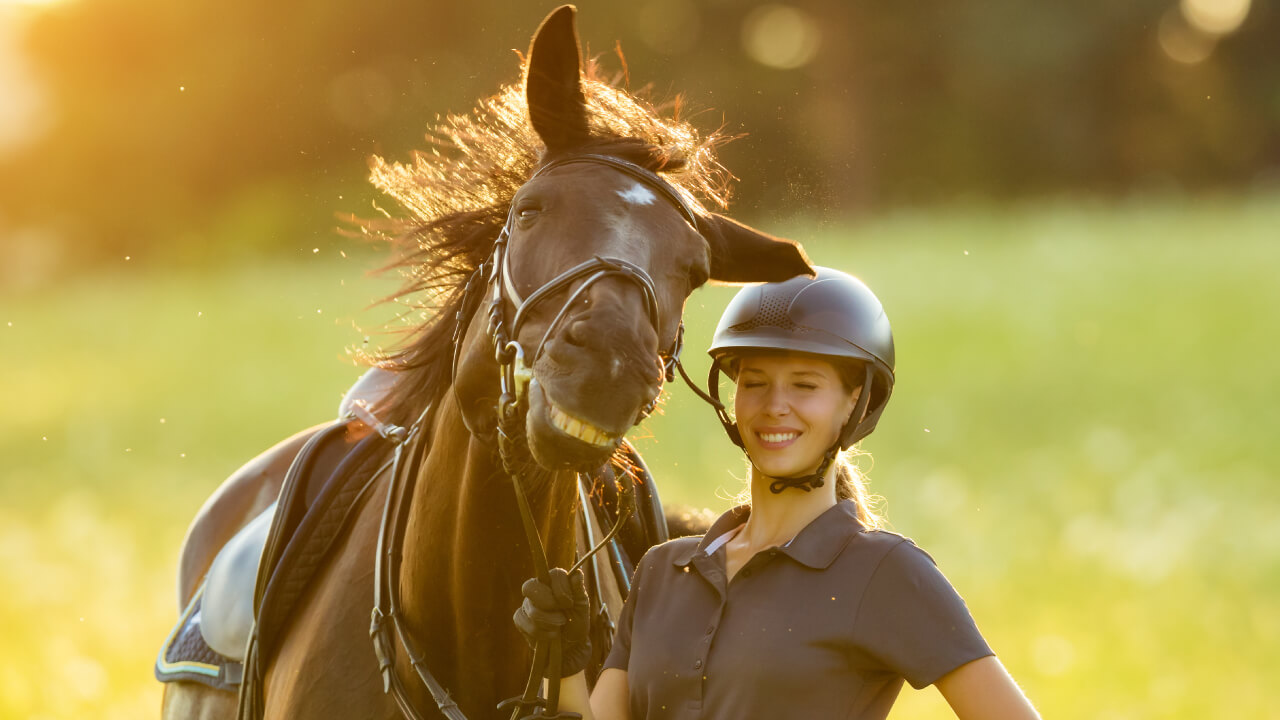
Some people seem to naturally get along well with animals, while others tend to be disliked by animals for no obvious reason.
Animals observe people carefully, discerning whether they are kindly or not. Horses, in particular, may change their behavior depending on how they perceive a person.
So, what kind of people are favored by horses?
Speak Quietly and Calmly
Horses are very sensitive to sound. Being herbivores, they are naturally cautious of being preyed upon, which makes them alert to even distant noises.
Horses have highly developed hearing and can react to tiny sounds that humans cannot hear. If you speak loudly nearby, it can startle the horse and cause it to become agitated.
People who speak softly and gently tend to be liked by horses.
Avoid Sudden Movements
Horses are timid animals. Sudden or large movements near them can cause fear and alertness.
You might have seen horses with shadow rolls on their noses, which are used to prevent startling from their own shadows caused by sunlight.
The large black shadow or movement on the ground can scare horses. Horses are very sensitive to moving objects.
Some horses react to birds flying nearby. Making big movements around horses can scare them, so it’s best to approach calmly. Once startled, horses tend to be wary of the person and may become harder to approach.
Understanding and Empathy
People who understand horses’ personalities and what they are thinking tend to be more liked.
Just as humans get annoyed when disturbed during bad moods, horses also have their own moods. If you ignore a horse’s bad mood and keep touching it, it may get angry.
Horses remember people and judge their behavior — so it’s important to treat them with care and respect their feelings.
Taking Care of Horses
Animals tend to favor those who interact with them positively. People who give treats, clean horse stables, groom, and do other caring acts are especially appreciated.
Horses recognize faces, smells, and voices, and they remember the people who often come close. They will happily approach those they like.
To build a good relationship with horses, actively engaging with them makes a big difference.
Signals and Signs from Horses
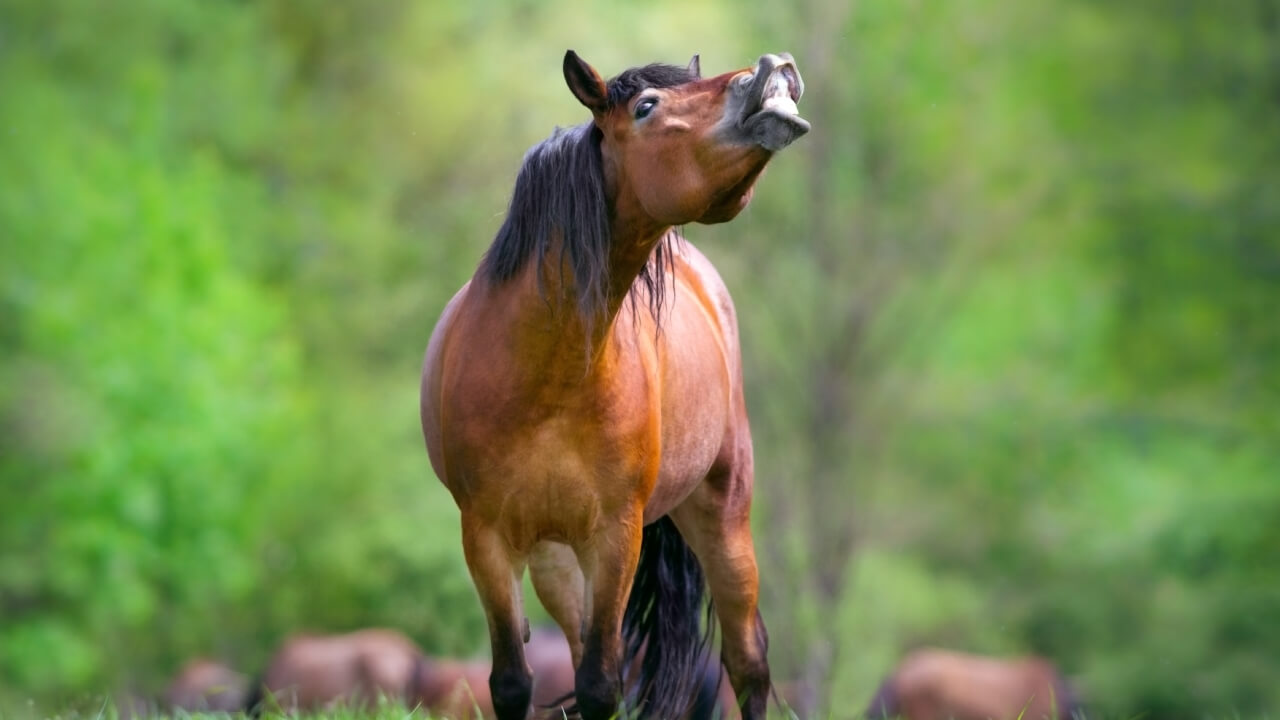
Horses communicate their emotions clearly through facial expressions and gestures. Understanding these signals is crucial for building trust and improving riding skills.
Here are some common signals and signs from horses.
Joy and Excitement
A wagging tail, raised neck, and running around lightly indicate happiness. Similarly, when horses are being brushed and show a relaxed, squinted eye and stretched nose, it signifies they’re feeling good and content.
Sometimes, horses may overexcite themselves, rearing or kicking — these are expressions of joy. It’s best to observe from a safe distance.
Anger
If a horse pinches its ears back and shows a tense expression, it is angry and should not be approached. Even normally gentle horses can be aggressive at this time, and approaching them could result in bites or warnings.
Surprise
When startled, horses turn their eyes and ears towards the object and may inhale loudly through their nose — these are signs of alarm.
Some horses also try to escape by rearing or trying to run away.
Anxiety
Horses may flick their ears back and forth and look nervously around, checking their surroundings.
Hunger and Thirst
If a horse rubs its nose or moves forward softly, it probably wants food or water. Showing a carrot or sugar cube may trigger this behavior.
Affection
Horses express affection by stretching their necks and leaning in to be petted — a sign of trust and love. They often display a soft, gentle face.
Sadness
When horses are sad or lonely, they may raise their heads and whinny loudly, calling out to others. This whinny is also used to call their herd or companions.
Summary
In conclusion, while individual differences exist, there are clear patterns in how horses behave and communicate. Understanding these can help you develop a closer bond and interact more effectively.
Horses are intelligent and can recognize people who like or dislike them. By approaching them in a way that matches their preferences and respecting their feelings, you can foster a trusting relationship.
The key to building a strong bond is to communicate with horses sincerely, respecting their emotions, and timing your interactions carefully, instead of simply indulging them. Approach with empathy and patience, and you will find that your relationship with horses will flourish.