
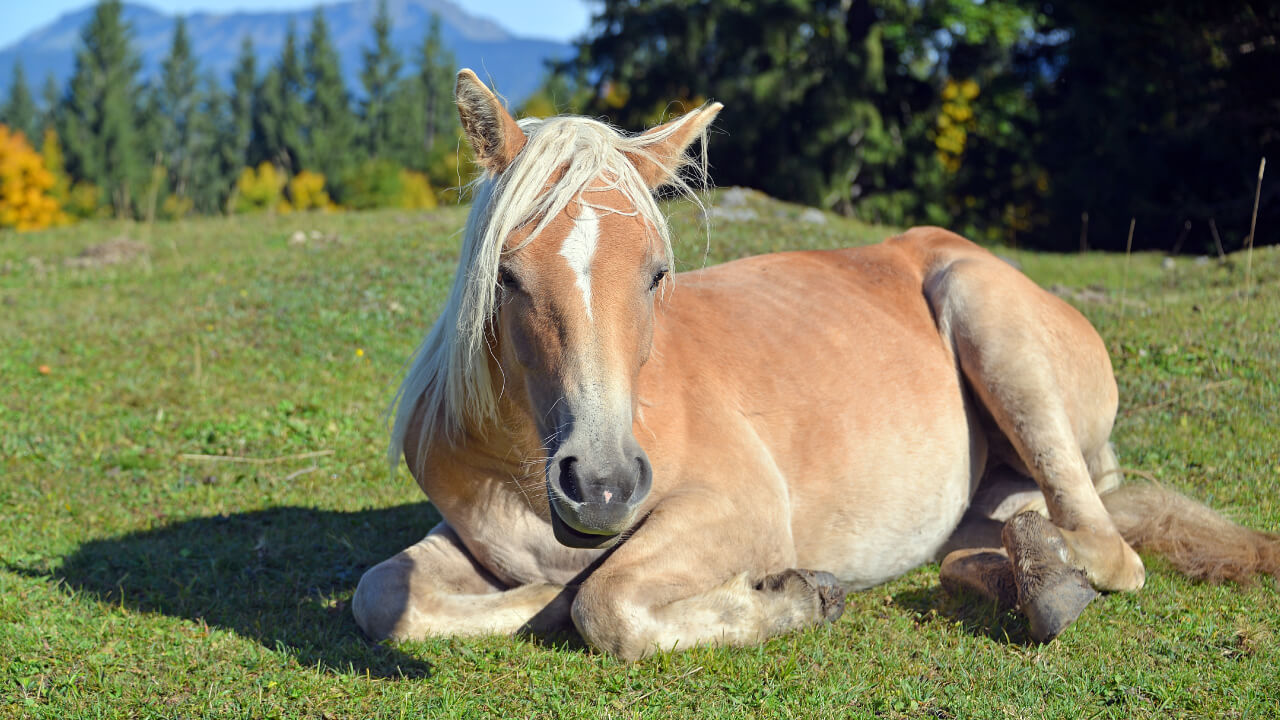
Have you ever been amazed by the excellent hearing or wide visual field of horses? Hearing and vision are among the five senses, or sensory functions, that animals possess.
It is said that all animals develop certain functions to adapt to their living environments. Therefore, humans also have these five senses, but the degree of development varies among individuals.
In this article, we introduce the sensory functions of horses, focusing on their hearing-related ear movements and the Flehmen response associated with their olfactory sense.
Do horses have the same five senses as humans?
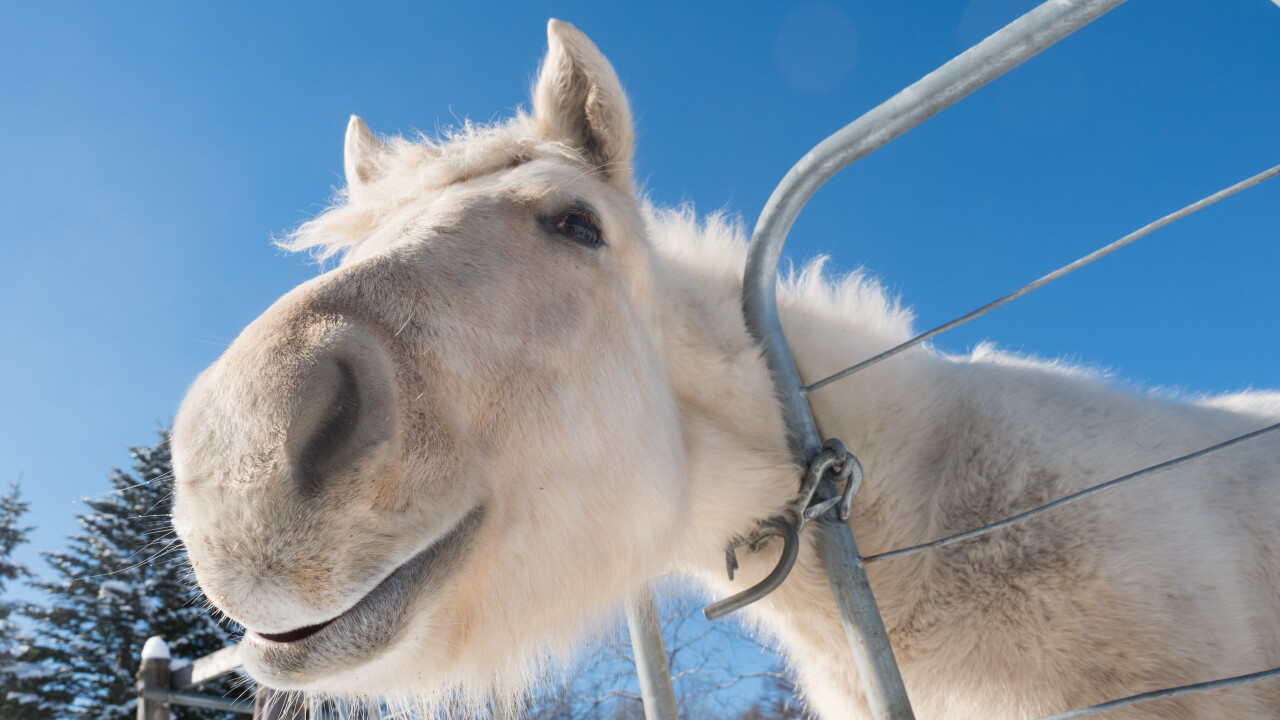
You might not have noticed, but humans are equipped with our own five senses that help us gather information and navigate life. These senses are visual, auditory, taste, tactile, and olfactory.
Likewise, horses also possess these five senses, which they use to gather various kinds of information. Here, we introduce the sensory abilities of horses.
Vision
Horses have a wide visual field of about 350 degrees, allowing them to see nearly everything except directly behind them. This is related to the position of their eyes.
Horses’ eyes are positioned widely apart on the sides of their faces. They use monocular vision, which means each eye can move independently, enabling them to detect predators approaching from almost any direction. This is why it’s important not to approach a horse from behind suddenly, as they cannot see directly behind them, possibly startling them.
Moreover, horses have difficulty perceiving depth accurately because the muscles that help focus are underdeveloped. When looking at objects close by, they raise their heads, and when viewing distant objects, they lower their heads to adjust focus.
Hearing
Horses are very sensitive to sound. While humans can typically hear up to 20 Hz, horses can hear sounds up to 30 Hz, detecting noises that are inaudible to humans. This development helps them detect potential dangers early on.
Horses’ ears can rotate independently up to 180 degrees, acting like radar. As a result, they can catch sounds coming from all directions.
Because of their naturally timid and sensitive nature, some horses become anxious when sounds are too loud or overwhelming, and they may wear ear nets to muffle sounds.
Taste
What foods do you associate with horses? Like humans, individual horses have their own preferences.
Many people imagine horses prefer sweet foods like carrots, sugar cubes, apples, or bananas. Conversely, horses generally don’t prefer sour or bitter-tasting foods.
This indicates that horses can detect different flavors, demonstrating a sense of taste.
Tactile Sense
Horses are also sensitive to touch. You might have seen a large horse shake or flick its tail when a small insect lands on its body. Only with sensitive touch can a horse notice such minor disturbances.
When riding, just a slight movement of the legs or the rein can evoke a response. Horses also use their sense of smell and touch to skillfully sort food items.
Olfaction
Horses have a keen sense of smell, which they use to recognize other horses or find food. They can also inspect foods to ensure no dangerous substances are present.
When people approach, horses often sniff and nuzzle the person, demonstrating their ability to recognize humans using their sense of smell.
Horses’ emotions can be read from their ears
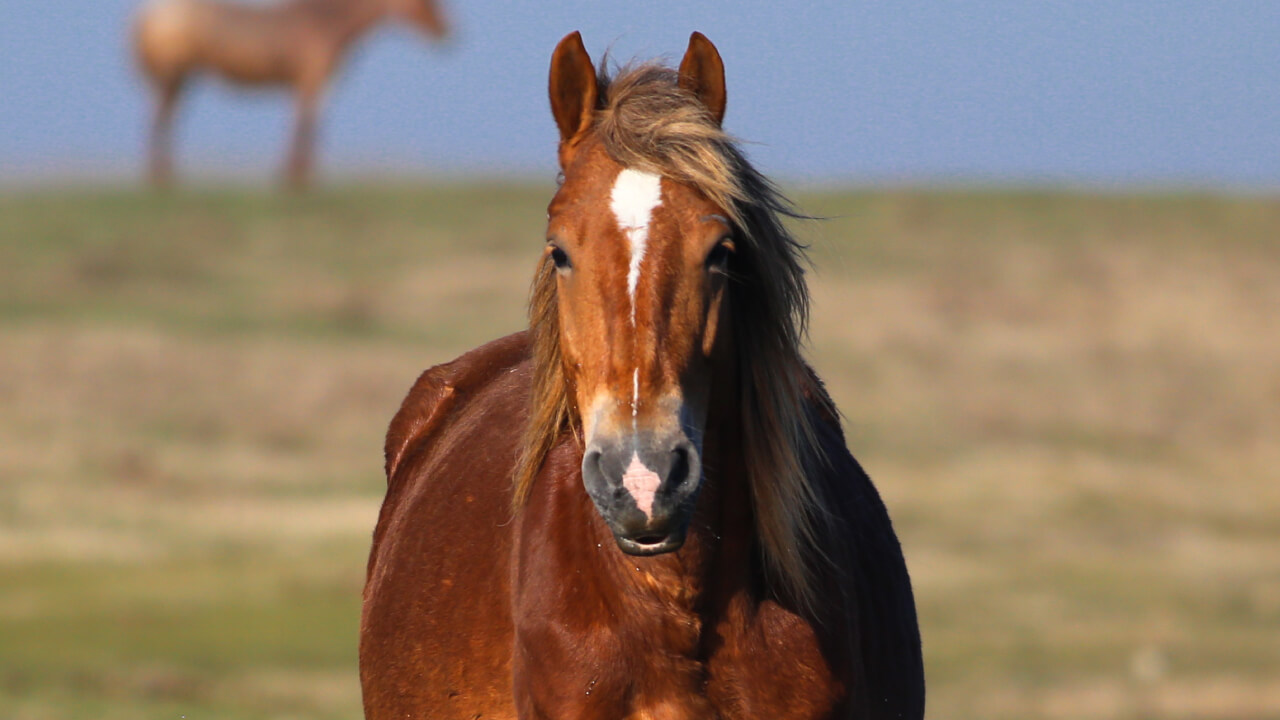
As we mentioned earlier, horses’ excellent hearing, which allows them to rotate their ears 180 degrees, is crucial for detecting sounds. But these ear movements also reveal their emotional states.
Learn about the emotions conveyed through horse ears in this section.
Ears Forward and Erect
This is when a horse’s ears point forward or stand upright, which often occurs when they notice something ahead or hear a noise. This indicates interest or curiosity, and the horse is trying to identify what it is.
If a horse is tense or nervous because it doesn’t understand something, reassuring it with calm words can help settle it down.
Ears Tilted to the Side
This is a relaxed and comfortable ear position, often seen when a horse is being groomed or resting. The horse appears calm.
However, this position can also appear when a horse is unwell, so always observe the overall body language and facial expressions for a full understanding.
Ears Turned Back
This indicates surprise or discomfort. Check what caused the reaction and address it. If this occurs during riding, it might reflect issues with riding techniques or commands.
When ears are pinned back very tightly, such as touching the head, it signals anger or aggression. The horse may also be excited, so avoid approaching too close.
If a horse bites or kicks, be sure to keep a safe distance until it calms down. When riding, if your horse has ears back, it might try to bite the horse in front, so maintain at least one horse length apart.
Ears Moving Slightly in Circles
This restless ear movement indicates anxiety or that the horse is processing information. They are trying to understand their surroundings.
This discomfort also shows in their eyes, and you’ll probably notice them glancing around nervously.
What is the Flehmen Response?
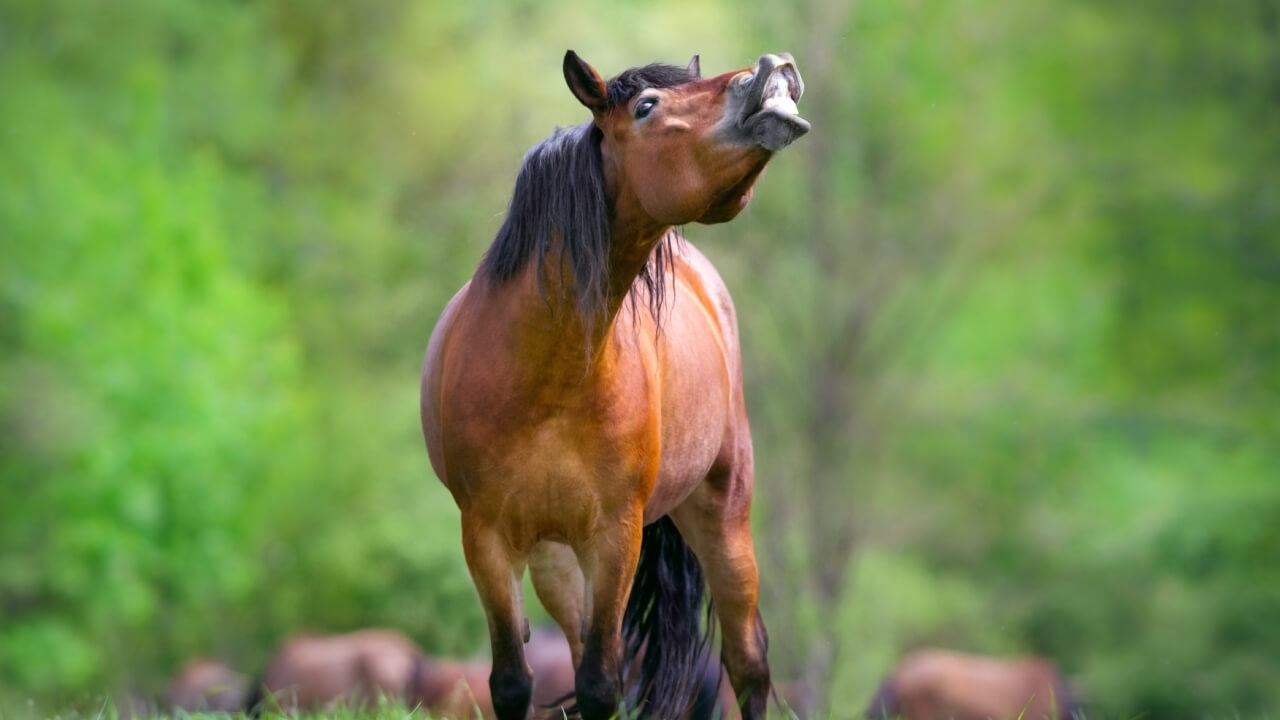
Have you heard of the Flehmen response? It’s a reaction where horses appear to be smiling, which can look like a grin. This reaction is observed in mammals such as cats, cattle, sheep, and elephants as well.
So, what exactly is the Flehmen response? This section explains why it occurs and its connection to the sense of smell.
Why does the Flehmen response occur?
The reasons are mainly related to smelling or being in heat; it’s a physiological response to odors. Horses use the Flehmen response as a way to judge whether the environment is safe, by sniffing for potential dangers or interesting odors. They tend to react strongly to new or pleasant smells, causing the Flehmen reaction.
As horses often carry people on their backs, their keen sense of smell helps them recognize humans. That’s why horses tend to sniff and show the Flehmen response when someone approaches.
Another reason is to perceive pheromones. Stallions, for instance, sniff the urine or scent of mares’ hindquarters to detect pheromones, which enhances their reproductive instincts. Stallions also react to mares’ scents on items like towels.
Relationship with the sense of smell
The Flehmen response is primarily related to the sense of smell and is a physiological process involving odor detection. Although the expression of pleasure or excitement might be inferred from the horse’s face during the response, it is not an emotional expression.
While horses “smile,” other animals like cats grimace during the Flehmen response; the facial expressions vary across species. Try to observe horses performing this reaction and notice the difference.
Summary
In conclusion, horses use their five senses similarly to humans to interpret their environment. In the wild, these sensitive senses are vital for detecting predators, as horses are herbivores that need to escape from threats.
Understanding these developed functions can help us guess why horses might seem anxious or panicked. By learning to read their signals, we can foster a better relationship with them and deepen our understanding of these majestic animals.