
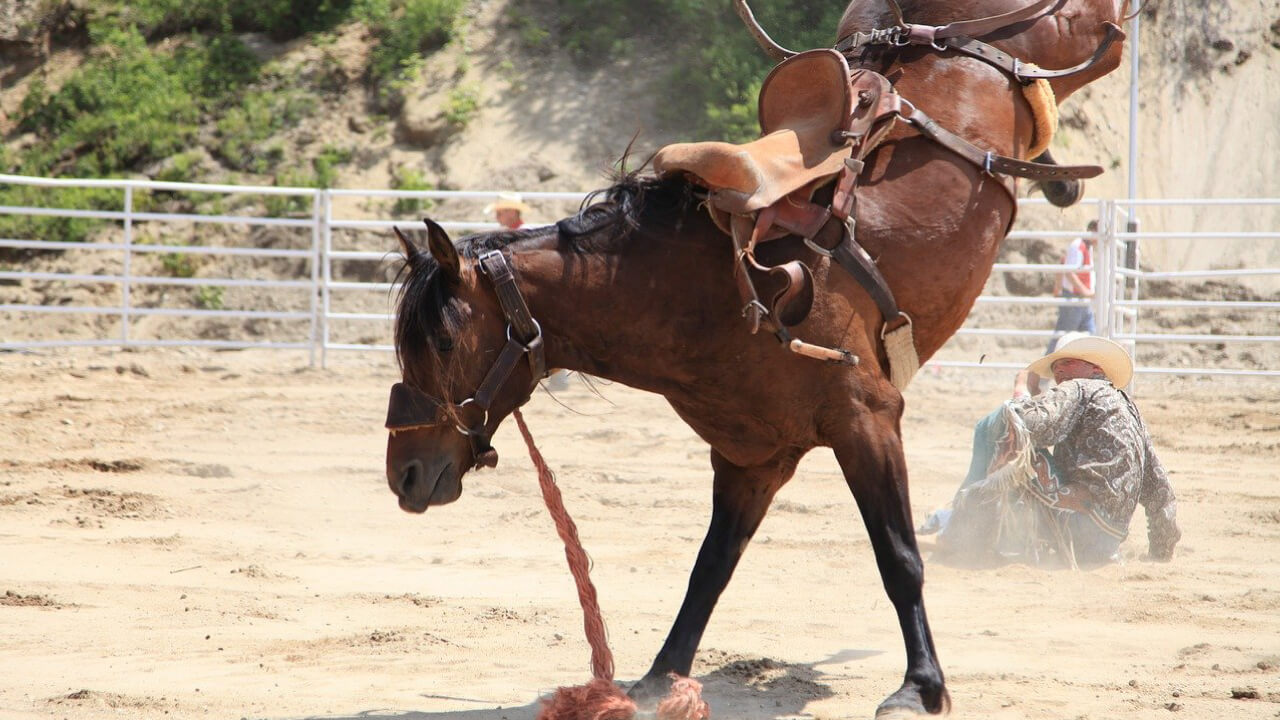
Have you ever felt that something was dangerous while riding a horse? Recognizing risky situations and behaviors beforehand is crucial for planning effective safety measures. In this article, we’ll discuss key safety points and precautions to prevent accidents.
Protective Gear: Body Protectors and Helmets for Fall Safety
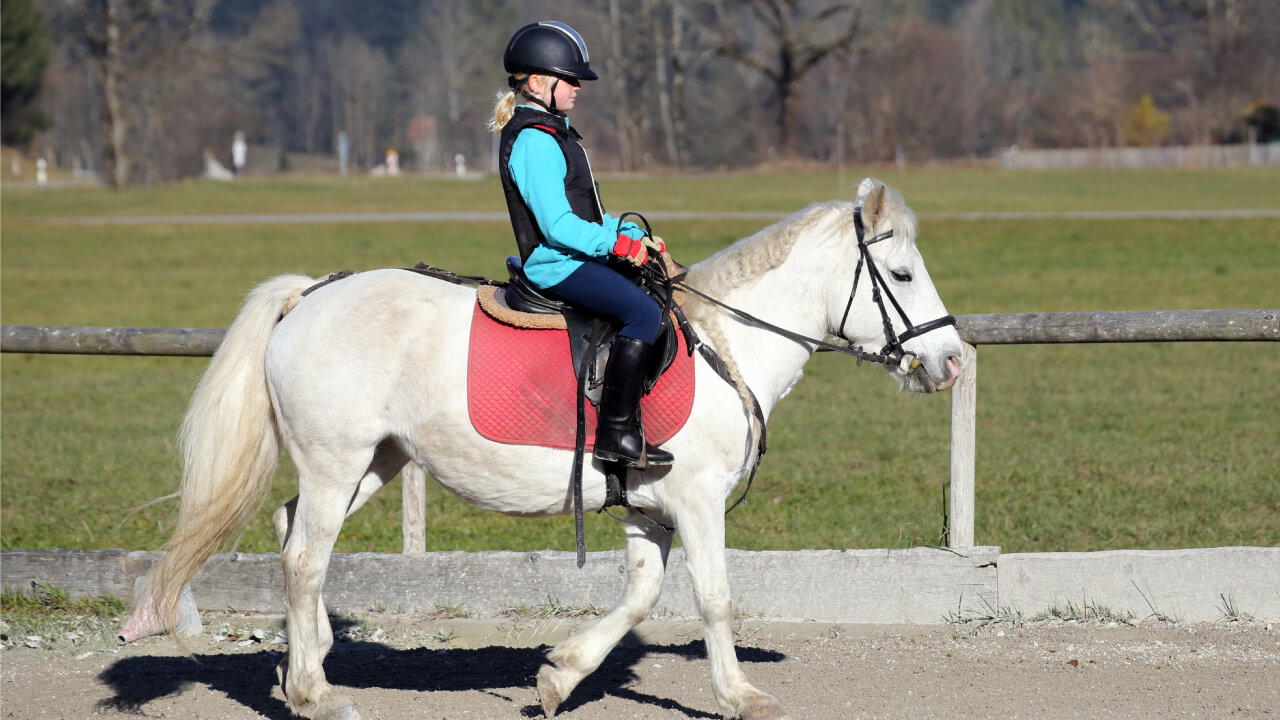
While it’s best not to fall, many riders experience falls during lessons. Here, we briefly introduce helpful gear to prepare for such incidents.
About Body Protectors
Body protectors absorb shocks to the torso, providing safety during riding. Many come in vest-like designs and use materials such as low-rebound foam or feature airbag systems. The airbag type connects to a leash attached to the saddle, inflating during a fall to protect the rider.
The shock-absorbing capacity of airbags surpasses that of foam protectors. However, accidents in riding are not limited to falls. When handling horses or in training, it’s wise to wear foam protectors as well. Horse riding accidents can happen unexpectedly, so wearing protective gear regularly offers peace of mind.
Must-Always Wear a Helmet!
Horses like Arabians and Thoroughbreds in riding clubs are typically around 150cm tall, meaning the rider’s head is approximately 2 meters above the ground. Falling from this height can result in serious injury.
Even if it feels safe because footing is sandy and soft, falls near obstacles or during outdoor rides on roads or stones can cause impacts with poles or hard surfaces.
Falls are quite dangerous depending on the location and fall angle. Longtime riders sometimes skip wearing helmets, but head injuries can be life-threatening. Always follow club rules that require helmet use, and even if not mandatory, it’s highly recommended.
Learn About Unsafe Behaviors
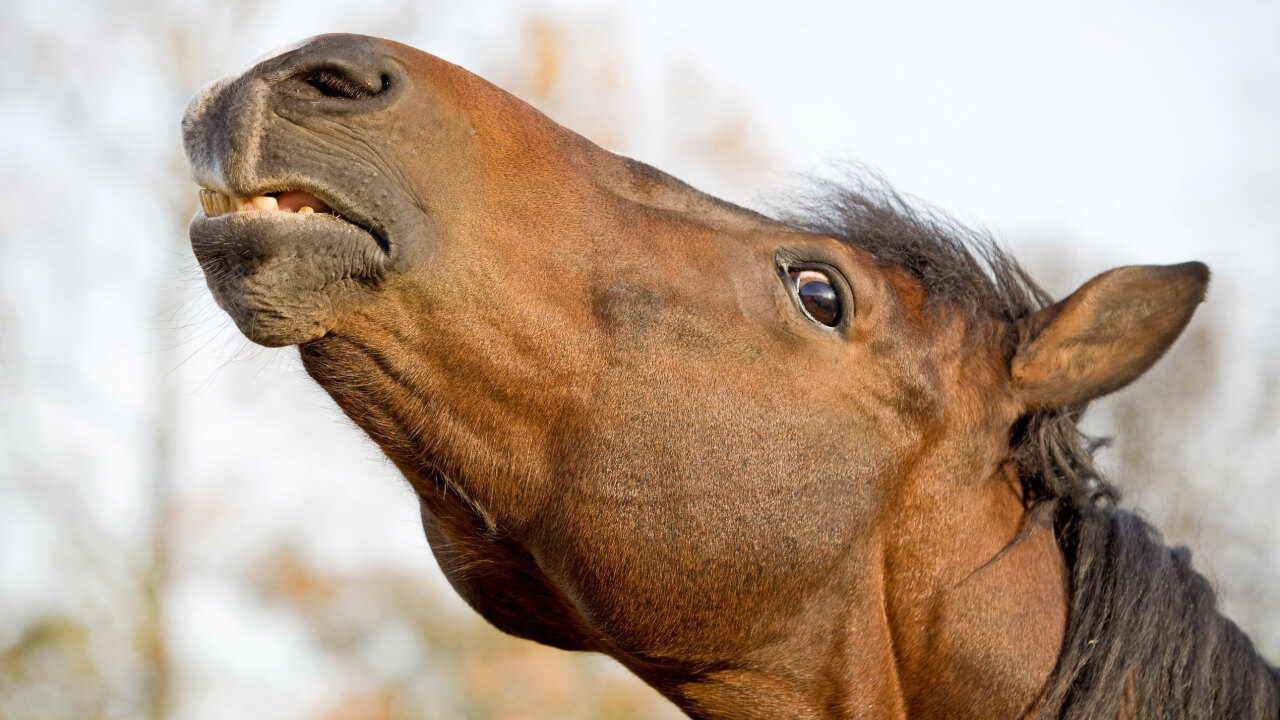
Accidents tend to happen unexpectedly, but some causes are predictable. To prevent such incidents, learn about behaviors that should be avoided when riding.
Avoid Spooking the Horse
Horses are highly alert and easily startled. Sudden stimuli like shadows, birds, or sounds from the wind can cause them to jump. Also, abrupt human actions or loud voices can surprise them. For example, avoid shouting or suddenly reaching from behind as these can trigger startled reactions.
Taking photos of horses is tempting for horse enthusiasts, but avoid using flash photography, as it may scare the horse—leading to falls or injuries to the rider and bystanders.
While you cannot control all environmental stimuli, human actions can be controlled. Understanding horse behavior and reacting calmly helps prevent accidents and keeps both horse and rider safe.
Follow Staff Instructions
Staff at riding clubs often warn about or teach about behaviors that scare horses, and may advise during riding or handling. Always adhere to these instructions and rules to ensure safety.
If you are informed about health issues or restrictions at the start of your lessons or membership, follow these guidelines. Protecting everyone’s safety depends on compliance.
Questions and clarifications are fine—ask staff if unsure. But ignoring rules or advice based on personal judgment is dangerous.
Is Relying Too Much on the Reins a Bad Idea?
This is not an absolute rule, but beginners should try to avoid relying excessively on the reins. Doing so might help mitigate risky situations.
The reins are meant to communicate commands from riders to horses. When starting out, many riders unconsciously grip the reins tightly, especially during nervous moments like trotting or jumping, which can increase risk.
Stiffening or tensing can cause imbalance and make riders lean back, trying to support themselves by holding the reins tightly. This also raises the rider’s center of gravity, making riding less stable and putting strain on the horse.
To maintain a safe, stable posture, aim to keep your fists around pelvis height, easing tension and reducing stress for the horse.
Do Horses Really Not Step on People?
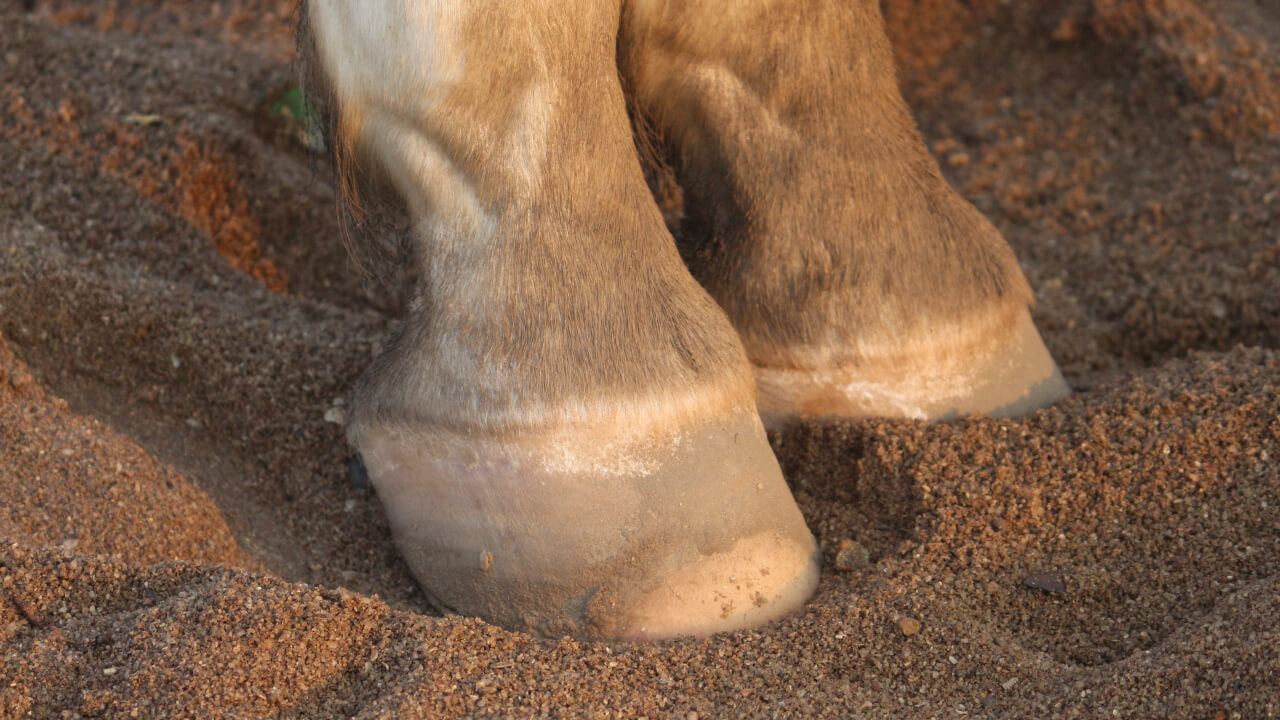
Lastly, we address the question: Are horses really unlikely to step on people?
In reality, horses rarely step on obstacles on the ground. However, this is true only when the horse is calm and has room to avoid. During sudden starts or when a rider falls, the horse may step on or bump into the fallen rider. Many people also get their feet stepped on in stables or wash areas, which is often caused by humans inadvertently putting their feet into the horse’s path.
While horses generally do not intentionally step on humans, it’s important to remember that accidents can happen—especially if the horse is startled or if the rider loses balance. Using protective gear like body protectors, helmets, and sturdy footwear with reinforced toes can help prevent injuries.
Summary
Horses are large animals, and even minor triggers can lead to unexpected accidents. You don’t need to be overly afraid, but always be aware of risky behaviors and safety precautions. Using protective gear significantly reduces the risk of serious injury.