Starting horse riding can be overwhelming with so many things to learn. Among them, the slow walk is practiced early on.
Although it looks simple, the slow walk is surprisingly demanding and can feel more difficult than it appears. Mastering the tips for slow walk will help improve your riding skills.
What is the Slow Walk, one of the fundamental gaits?

The exercises learned in riding include walk, trot, slow walk, and canter, with the slow walk being a fundamental movement. The slow walk involves a two-beat rhythm of diagonal leg movement, where the rider alternates between standing and sitting motions during the trot, which is a gait where the horse’s movement causes significant vertical oscillation, known as “正反動,” can be physically demanding for both horse and rider. To reduce this burden, riders practice the slow walk.
This exercise is introduced early in riding lessons but is often considered challenging because maintaining balance on the stirrups and staying stable while standing and sitting on the horse proves difficult at first. It also requires a good seated posture and minimal contact between the saddle and rider’s seat to avoid unnecessary strain.
How to stand and sit during the slow walk

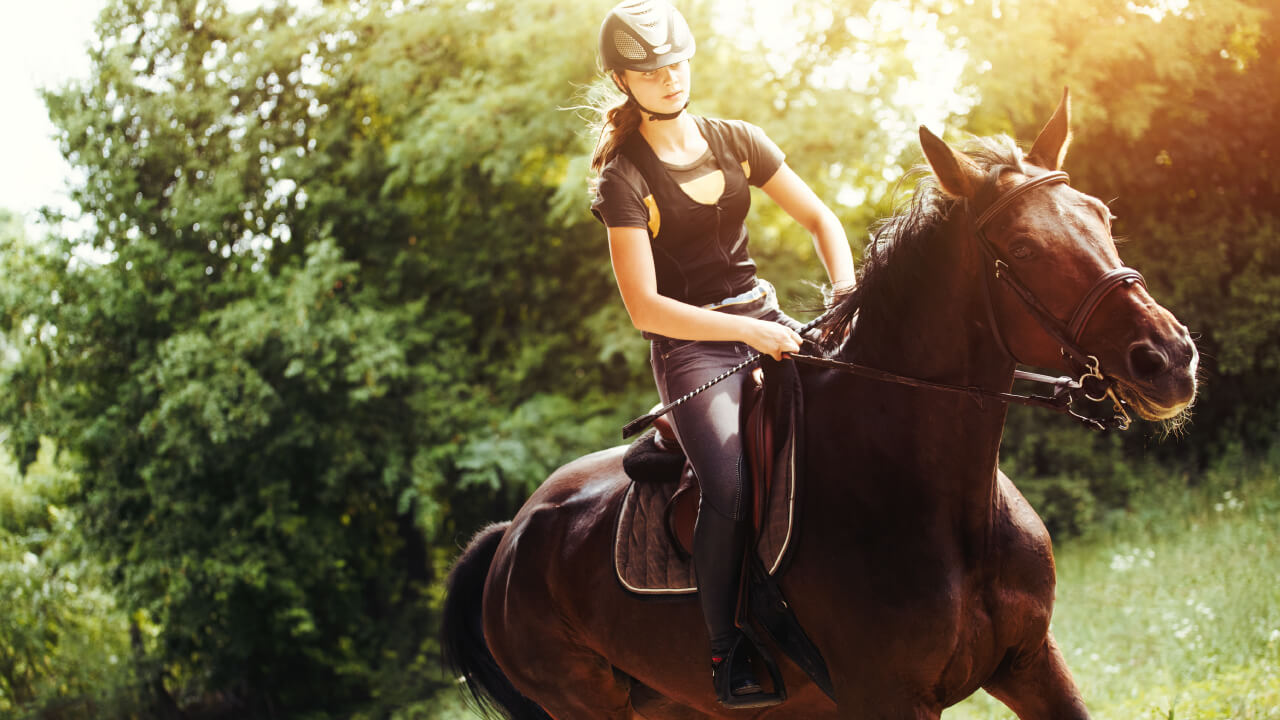
The act of standing and sitting on the horse during the slow walk is quick—just moments each. Many may perceive it as easy, but it requires counteracting the horse’s movement with proper balance and posture, especially on the stirrups. To stand well, it’s important to focus on foot placement, engaging the calves to grip the horse’s body, maintaining a slight forward lean, lowering the heels, and imagining pushing the abdomen forward, all while keeping your eyes ahead.
How to stand during the slow walk
The movement of standing during the slow walk is very brief, and it may appear effortless. However, it’s challenging because you are balancing on a stirrup that is not fixed, just hanging, so standing up without losing balance is difficult. Proper balance involves standing in a position where your body does not shift toward the heavier hips. Important points include foot placement, squeezing the horse with your calves, leaning slightly forward, lowering your heels, imagining pushing your stomach out, and maintaining eye contact forward. Be sure to keep your heels down and your legs directly beneath your hips to stabilize yourself.
When you try to stand straight up, your center of gravity shifts backward. Instead, try to lean slightly forward, grip the horse with your calves, and imagine pushing your stomach forward as you rise. Looking down causes your head to lower and shifts your balance forward, so keep your gaze ahead for best results.
How to sit during the slow walk

During the slow walk, many tend to focus on standing and might sit down too forcefully or quickly. Remember to sit lightly, with minimal contact between your seat and the saddle, to avoid causing discomfort to yourself and the horse. The goal is to stay light on your seat, avoiding heavy impacts that can cause pain or stress.
Points to remember when sitting during the slow walk include consciously relaxing your seat, minimizing contact with the saddle, and sitting lightly. It’s important to note that sitting is not a break—it doesn’t mean relaxing completely but maintaining a light, controlled posture that allows quick standing again if needed.
When and how to stand up and sit down correctly

The transition between standing and sitting on the horse during the slow walk should be aligned with the horse’s movements. Instead of doing this randomly, it is important to synchronize these actions with the horse’s rhythm, often called ‘matching the gait’.
‘Matching the gait’ involves adjusting your timing to suit the horse’s movements and the direction of the turn. For example, in a right turn, you should stand when the horse’s right front leg moves forward and sit when the left front leg advances. Conversely, in a left turn, stand when the left front leg moves forward and sit when the right front leg moves forward. This coordination ensures smooth and balanced transitions.
How to use your legs effectively

Horses only move when given signals; without a prompt, they will stop walking. This applies during the slow walk as well, where riders must clearly give signals for continuous movement.
初心者は、立つ座るを繰り返す軽速歩のタイミングで脚を入れるのはどこだろうと迷うかもしれません。動作に集中しすぎて脚を忘れてしまった経験もあるでしょう。
軽速歩の脚の合図は座るタイミングです。 不安定な鐙の上で立っている状態から脚を入れるのは難しく、多くの場合バランスを崩します。座るときは短時間で、リズムを崩さずに軽い動きで脚を使うのがコツです。
まとめ
いかがでしたか。軽速歩は、馬術の基本運動として早めに習得すべき動きです。
ゆっくり歩く常歩と比べてスピードが上がり、実際のレッスンも本格的になります。初めは難しいと感じることもありますが、ポイントを押さえれば誰でもマスターできます。練習を続けて上達しましょう。