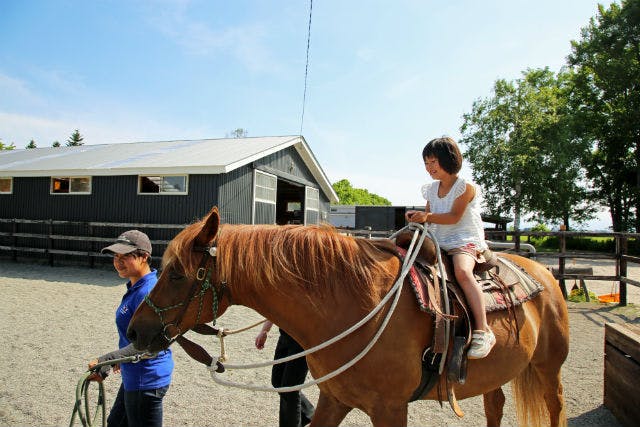
Once you start learning horseback riding, the person you probably interact with the most at a riding club is the instructor. So, what should you do if you aspire to become a horseback riding instructor in the future? This article explains the roles and qualifications of instructors.
What is a Horse Riding Instructor?
Job Responsibilities
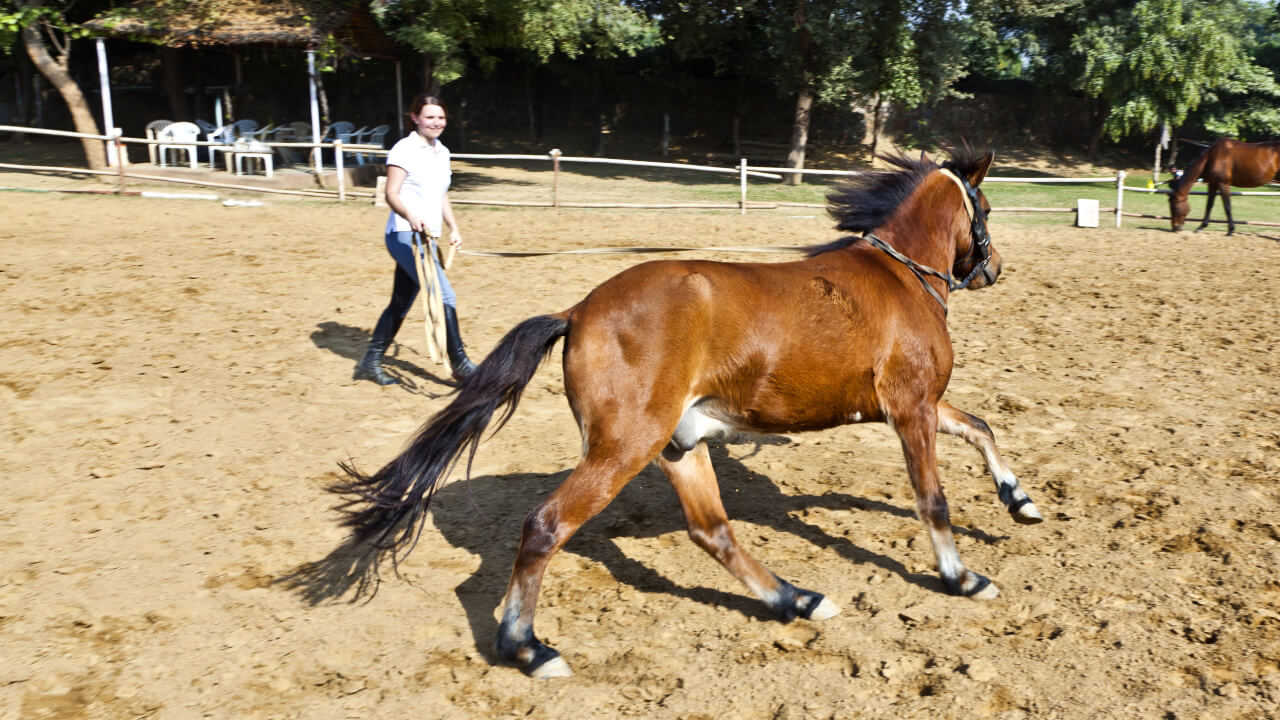
In most riding clubs, instructors do a wide range of tasks beyond instruction itself. While some large ranches or riding clubs have staff who only handle stable work, even in such cases, instructors do not completely avoid caring for the horses.
They also maintain arena equipment, prepare the riding grounds before and after lessons, and manage events and facilities at the club — all essential for the overall operations of the riding club.
Necessary Knowledge
To perform these diverse duties, you need more than riding skills — you also require various experience and knowledge. For example, when teaching, it’s important to communicate clearly according to the learner’s level. Also, since your students are both customers and learners, knowledge of customer service is essential.
Furthermore, managing horse health involves understanding diseases, basic treatments, emergency responses, feeding adjustments, and stable management. You also need to know about tack care and sometimes select or adjust equipment based on the horse’s behavior and condition.
Are Qualifications Mandatory?
The knowledge mentioned above is often learned on the job from experienced staff, or through practice and study when taking on new responsibilities.
However, since horseback riding instructors play a vital role in ensuring the safety of both horses and riders, riding clubs generally prefer that applicants possess a certain level of skill and knowledge from the beginning.
To certify that an instructor has reached this standard, many organizations offer instructor qualification exams. Although it’s not illegal to work as an instructor without certification, many riding clubs list qualification as a hiring condition.
In Japan, the main instructor qualifications include:
– Japan Riding Club Promotion Association’s ‘Horse Riding Instructor Certification’
– Japan Equestrian Federation’s ‘JEF Certified Instructor Qualification’
– Japan Sport Council’s ‘JSPO Certified Coach Qualification’
Some clubs also provide their own certifications or assistant instructor certifications.
Requirements for Obtaining a License
Application Requirements
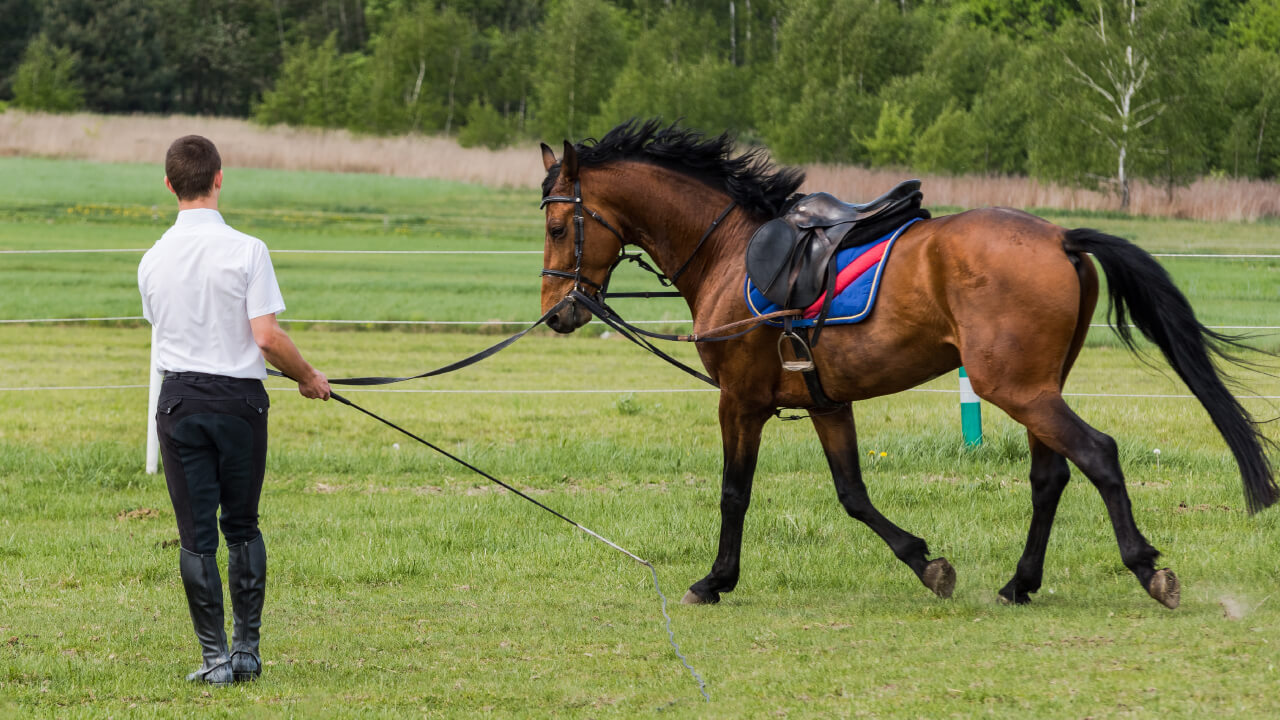
Each organization has specific conditions for participating in training and exams to obtain a license.
Japan Riding Club Promotion Association’s Instructor (Beginner)
– Must be at least 20 years old as of April 1 of the year of training
– Must have over 3 years of horseback riding experience
– Must be able to control the horse within the standard level in the riding arena
Additional requirements include three years of experience as a beginner instructor for advancement to mid-level and three years as a mid-level for senior level.
Japan Equestrian Federation Certified Instructor
– 20 years old or older
– Member of the Japan Equestrian Federation
– Possess a ‘B class’ riding license or higher
These requirements focus on fundamental riding skills and knowledge rather than experience alone.
Japan Sports Council Certified Equestrian Coach (Level 1)
– Must be at least 20 years old as of April 1 of the year of training
– Hold a ‘B class’ riding license certified by the Japan Equestrian Federation
– Attend coaching courses certified by the federation
– Obtain approval from the prefectural horse association
This qualification is aimed at coaching students and beginners, while to coach competitive riders, a certified coaching license is required. A Level 3 coach must be either a certified instructor or have a federation-approved coaching qualification.
Since the qualification is from the Japan Equestrian Federation, it might seem surprising, but the Sports Council promotes overall sports development in Japan, aiming for safe sports participation and improving competitive standards through collaboration with sports organizations.
Certification Exam
To receive certification for each qualification, candidates must attend designated training and pass an exam.
The curriculum typically includes about 50 hours of study, covering horse riding theory, horse identification, medical and nutritional care, teaching methods, and legal matters, including practical training and instruction practice.
In 2021, due to pandemic precautions, some courses were held online and exams were canceled, so applicants should check current information carefully while preparing.
Costs for Obtaining a License

How much does it cost to obtain a license? Let’s look at the direct expenses for training and registration. Note that if you do not inquire, exact amounts may not be clear.
Japan Riding Club Promotion Association
Instructor training fee: 10,000 yen
Training materials (optional): approximately 13,000 yen
Exam fee (beginner/intermediate): 10,000 yen, (advanced): 20,000 yen
Japan Equestrian Federation
Instructor training fee: 10,000 yen
Registration fee: 16,200 yen every four years
Japan Sports Council
Training fee: Certified Equestrian Instructor (Level 1) 21,000 yen (common subjects) / 14,700 yen (specialized subjects)
Certified Equestrian Coach (Level 3) 18,900 yen (common) / 10,500 yen (specialized)
Registration fee: 25,000 yen every four years (plus 3,000 yen for first registration)
Cost varies between organizations, and additional expenses such as rental and transportation fees for horses used in practical exams and materials can push the total cost over 50,000 yen.
Many who start considering qualification after at least three years of riding experience or obtaining a B-class license should also be aware that applying for other qualifications or exams may incur additional costs and require prior planning.
Summary
While there are no legally required qualifications to be a horseback riding instructor, many riding clubs prefer applicants to have certification. Since several types of instructor qualifications exist, it’s helpful to consult with certification organizations or staff at your riding club to choose the most suitable qualification for your goals.