If you own animals, you’ll probably frequently wonder, “What is this horse trying to say? What is it feeling?”
There are apps that claim to translate animal sounds like dogs or cats’ meows and purrs, but how reliable are they? Horse riders also surely want to understand what their horses are feeling. So, how can we better understand horse emotions? Let’s explore that.
Reading a Horse’s Expressions and Gestures

Horses cannot communicate with words, but they are incredibly expressive animals. By changing their expressions, gestures, and tone of voice, they can convey feelings and thoughts. To understand what horses are feeling, it’s essential to learn the meanings behind their expressions and gestures.
Happy and Excited Horses

When horses emit a long, high-pitched neigh, they are expressing joy. Likewise, wagging their tails high while trotting or playing merrily shows happiness. Interestingly, sometimes horses kick with their hind legs; while this could look like anger, it often signifies excitement and joy, as horses mean no harm. When brushed, horses often stretch their neck or narrow their eyes, showing they are comfortable and content. Recognizing these signs can be very rewarding.
Indicators of Anger or Anxiety

If a horse pulls its ears back and tenses up, it’s a sign of anger or tension. Approaching or touching the horse suddenly should be avoided, and wait until it calms down. Speaking softly can help soothe them. Rarely, horses may bare their teeth and wrinkle their noses; in such cases, it’s best to keep your distance. When horses feel anxious, they often shift their ears in different directions and display unsettled behavior. These signs are especially common in unfamiliar environments or with new people.
Horses Showing Affection and Seeking Attention

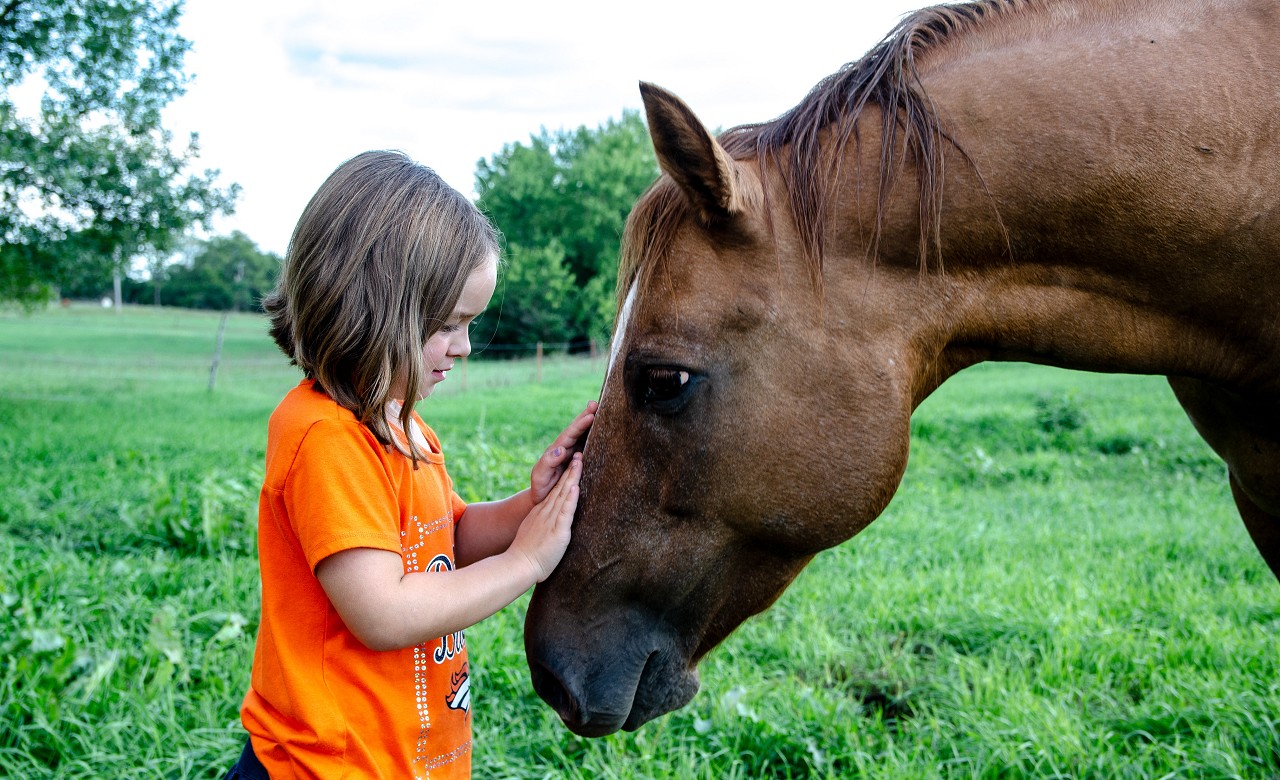
When a horse narrows its eyes or rubs its head and nose against you, it’s a sign of trust and seeking affection, especially when they trust a familiar person. If a horse gently extends its neck into your personal space, it indicates trust. Horses also often scratch the ground with their front feet, called ‘pawing,’ when they want attention or treats. This gesture is a way to seek play or caring. Be careful to avoid stepping on their feet during this behavior.
Summary
Understanding a horse’s feelings is essential for enjoying riding. Each expression and gesture is meaningful. Just like humans, each horse has its own personality, breed, age, and individual differences, which influence how they communicate. Since humans and horses do not speak the same language, careful observation of their expressions and gestures is key to effective communication. Show compassion, think from the horse’s perspective, and observe closely. Improving your ability to read their feelings will bring you closer and help you enjoy riding more — a true shortcut to becoming a better rider.