
Blood types are familiar to most people, and many know their own blood type. They are crucial for understanding compatibility for blood transfusions, and some rare blood types exist. Blood type also plays a role in personality predictions through astrology.
Animals also have blood types. It’s well-known that most gorillas are B-type. But what about horses? Here we explore horse blood types.
Horses have over 3 trillion blood type combinations!
The blood type system of humans is called ABO, with types A, B, O, and AB. This depends on whether red blood cells have A antigens, B antigens, both, or neither. The four human blood types can combine into about 300 different variations, including Rh factors.
For horses, the commonly recognized blood types are A, C, D, K, P, Q, T, totaling over 3 trillion combinations due to different allele interactions.
What happens during a blood transfusion?
With over 3 trillion blood types, how do we handle transfusions when horses need them? Human blood groups are well-studied, and matching blood types is essential to avoid rejection, but horses are different.
Unlike humans, where blood type compatibility depends on ABO and Rh, horses’ blood types do not cause reactions even if mixed. Therefore, transfusions can be performed regardless of blood type.
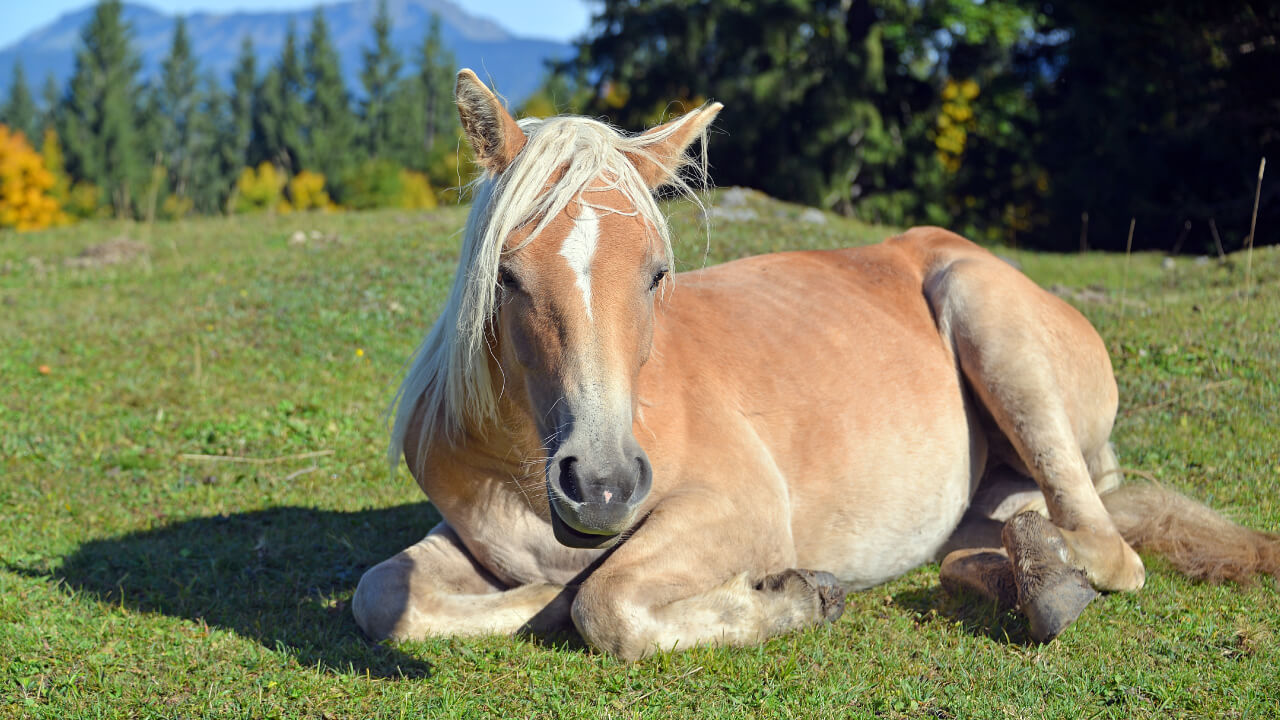
However, some horses are used as universal donors, able to donate blood to any horse without adverse reactions. These are selected from breeds like the Haflinger, which has about 80% of horses matching the strict conditions, compared to only 0.3% of Thoroughbreds.
What is a Universal Donor?
A universal donor is a horse whose blood can be given to any other horse without causing a rejection response. Such horses are carefully selected from breeds like the Haflinger, which have high compatibility.
Though thoroughbreds are often used for racing, only about 0.3% meet the requirements to be universal donors, whereas Haflingers have an 80% compatibility rate, making them more suitable candidates.
While debates may exist about the ethics of breeding horses solely for blood donation, universal donors are crucial for saving horse lives. Thanks to them, many horses are treated successfully, highlighting their importance.
Summary
Many people are aware that animals have different blood types, but the fact that horses can have over 3 trillion combinations based on different allele interactions is astonishing. While humans with rare blood types may struggle with transfusions, finding matching horses among trillions of possibilities is nearly impossible.
Animals evolve to pass on their genes and increase their numbers. Horses’ ability not to react negatively to mixing different blood types may be an evolutionary adaptation to ensure survival.
The existence of universal blood donors may seem strange, but they are vital for helping many horses survive injuries or illnesses, especially in emergencies.
Beyond racehorses that compete on the track, the unsung heroes—universal donors—play a crucial role in supporting animal health. We hope more people understand their importance.
Find all riding clubs across Japan at Equia
Bonus: Other Animals’ Blood Types
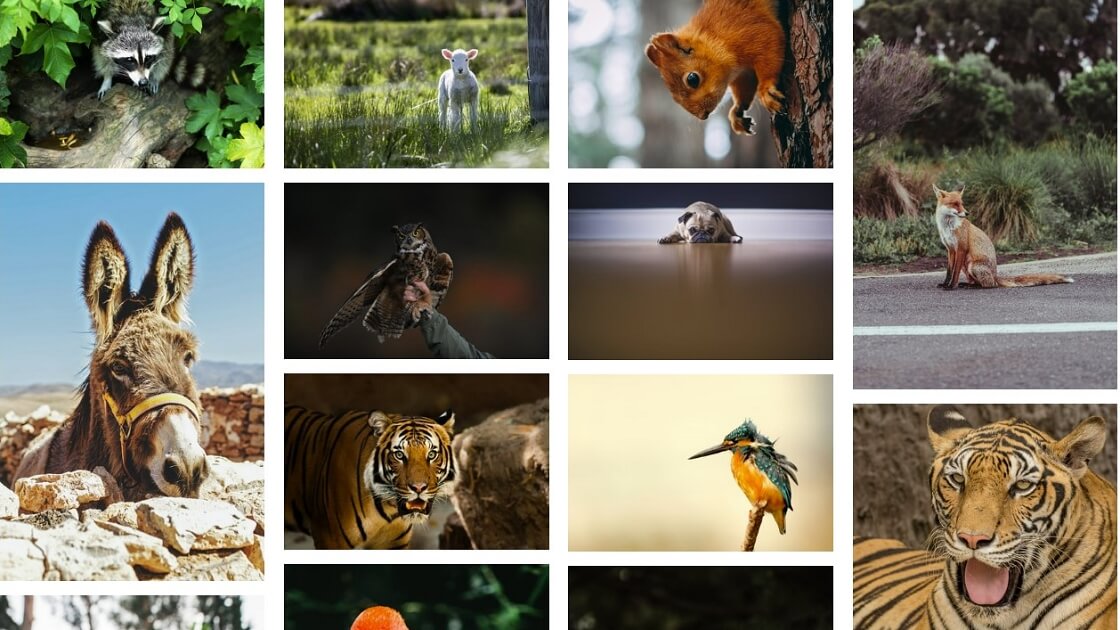
This article explained horse blood types, but as a bonus, here’s a quick overview of blood types in other animals, including dogs, cats, gorillas, giraffes, lions, and cattle. Blood types are classified based on antigens and antibodies present on red blood cells, which are important for transfusions in veterinary medicine.
- Dog blood types: 8 to 13 according to the latest research.
- Cat blood types: A, B, AB. Most Japanese cats are type A.
- Gorillas: Over 90% of Western Lowland gorillas are B-type.
- Giraffes: Still under research, but they are believed to have unique blood types due to their high blood pressure.
- Lions: No reliable research data available.
- Cattle: About 9 blood types are identified.