As you progress in learning horseback riding, you’ll purchase various riding equipment suitable for your skill level, including spurs.
However, honestly, you can control the horse’s leg aids without spurs. Moreover, because spurs are tools that can accelerate the horse’s movement and are somewhat advanced for beginners, some may hesitate to use them.
After riding a few times, you might be advised by staff at your riding club, ‘It’s time to try using spurs,’ leading to some confusion. This article introduces what spurs are for and helps those considering using or purchasing them understand their purpose.
What Are Spurs?
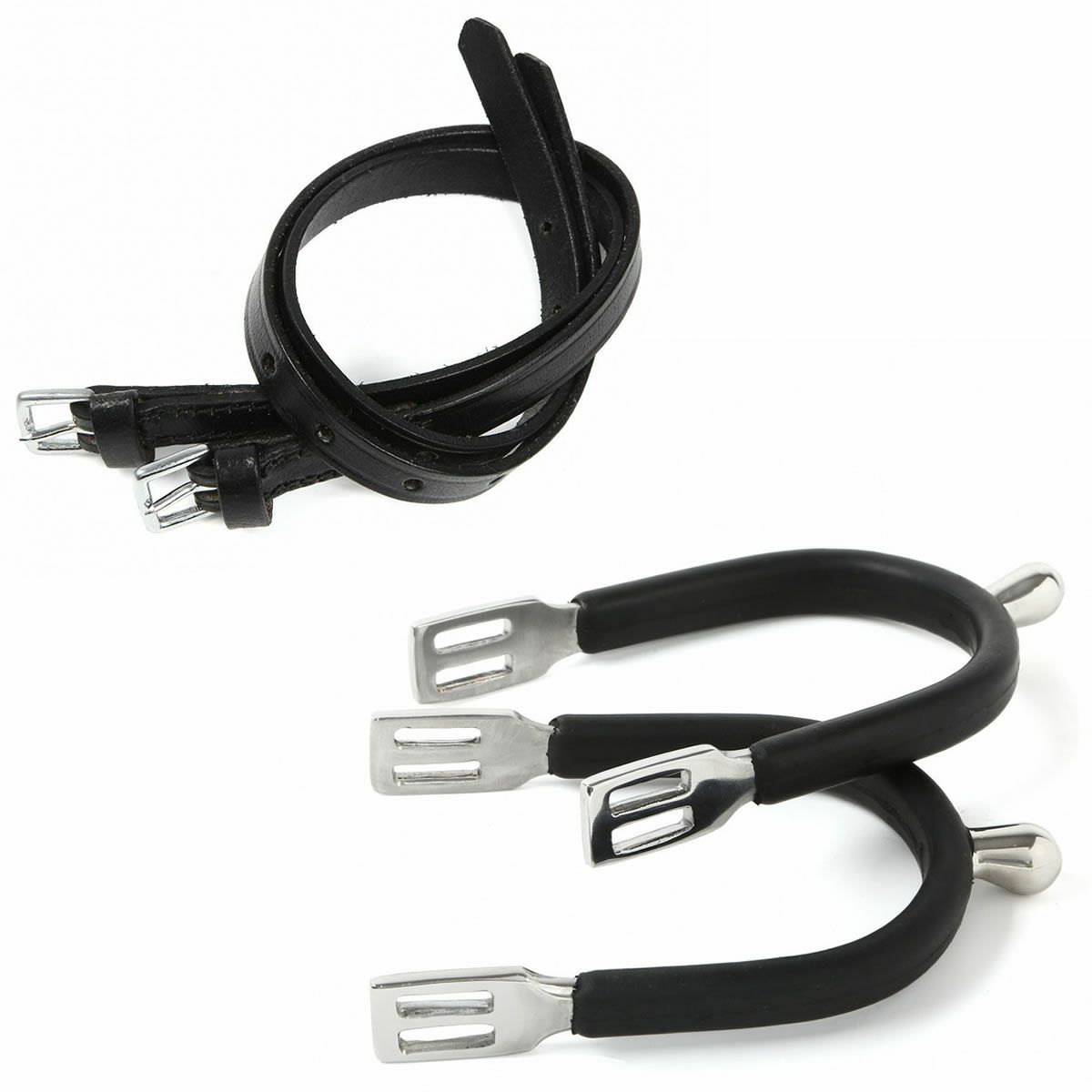
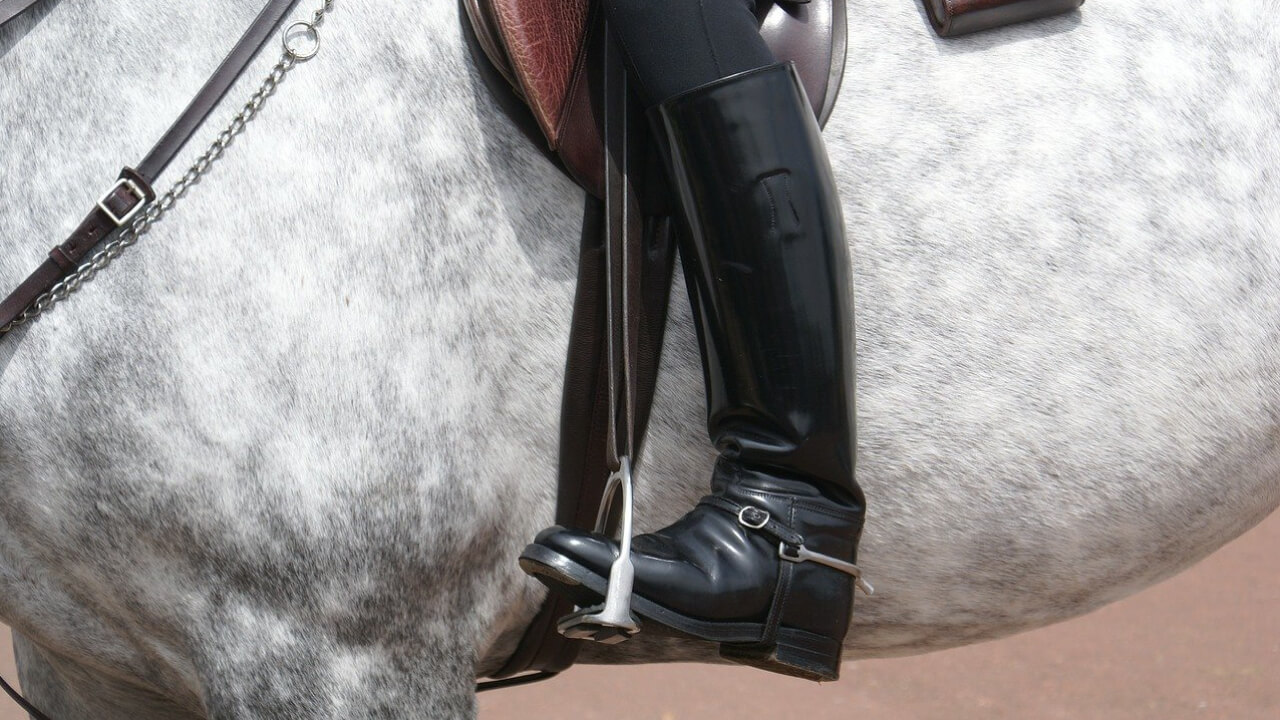
Spurs are a piece of riding equipment that helps make cues to the horse more effective when giving leg aids. They are attached to the rider’s boots’ heel area with metal protrusions or cogwheels.
The term “to spur on” means to accelerate or boost speed, which originates from this riding gear. It can have positive or negative connotations, but in practical use, spurs are employed when the rider wants to encourage the horse to move faster.
Although often associated with advanced riders, staff at riding clubs often recommend them relatively early in your riding journey. Rest assured, being advised to use spurs doesn’t mean your leg aids are poor; it’s simply a tool to improve your riding skills.
In some competitions, wearing spurs is mandatory, making it a fundamental part of riding gear.
Types and Functions of Spurs
Spurs are mainly divided into two types: “stick spurs” and “ring spurs.” So, what are the differences? Here, we’ll introduce each type’s features and their roles in riding.
Types of Spurs
Stick Spurs
Stick spurs refer to spurs with a rod-shaped protrusion at the tip. They come in various shapes, from round to square, and short to long designs.
Their shape affects how strongly they stimulate the horse; longer and square-shaped spurs tend to be more intense. For someone purchasing spurs for the first time, starting with a round, 2-centimeter-long spur is recommended.
Ring Spurs
Ring spurs are characterized by a circular opening at the tip. They may evoke images of cowboys from Western movies, and there are versions that resemble saw blades or have a ball shape.
Some worry that the serrated edges might hurt the horse, but because they rotate, they provide strong aids without harming the horse.
Functions of Spurs
Spurs effectively communicate with horses that are slow to respond to leg aids. When applied to the horse’s belly, they offer more刺激 (stimulus) than usual, encouraging the horse to accelerate.
They also prevent riders with less responsive horses from inadvertently developing bad habits by applying excessive force with their legs.
Precautions for Beginners Using Spurs
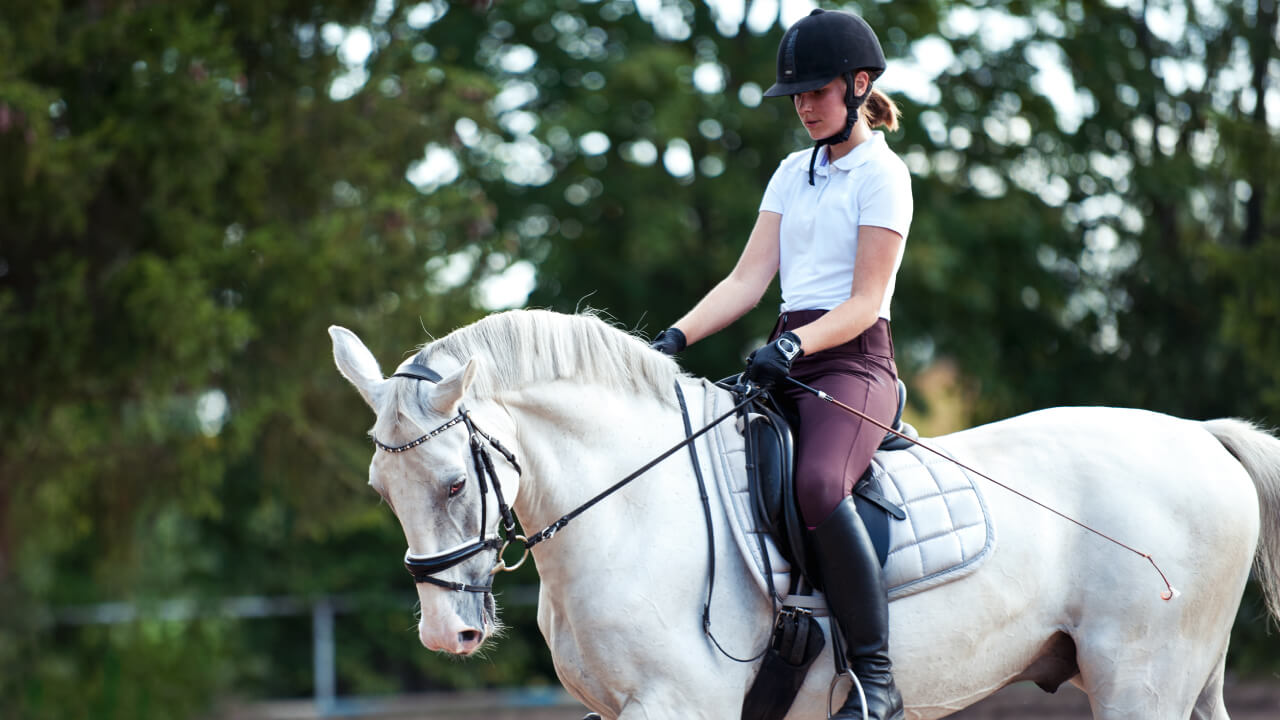
Spurs are not a simple or easy-to-use accessory, even for beginners. While they help make leg cues clearer, they can also cause the horse to interpret any movement as a cue, leading to surprises or agitation if your riding fundamentals aren’t solid.
Make sure your riding posture and leg positioning are correct. Normally, riding should be done with proper posture, without excessive or erratic leg movements. Inadequate posture might lead to accidental use of spurs or leaving them on longer than intended.
Applying spurs with appropriate pressure is essential. They are aids; hurting the horse defeats their purpose.
Additionally, not all horses can or should wear spurs. Some horses respond well to leg aids without them, and some may dislike spurs. Using spurs on sensitive horses can lead to loss of control, so caution is advised.
Summary
While spurs can improve even small cues, many beginners hesitate because they fear hurting the horse or lack confidence in their leg placement. Especially those who prefer a relaxed riding experience with horses may be reluctant to use spurs.
However, spurs are not frightening—they can actually boost your riding skills. They help you maintain correct posture and leg position, and may even simplify gait transitions like trotting.
Spurs come in various types suitable for beginners, and selecting the right one is recommended to enhance your riding journey.