Horses are anatomically prone to colic, with long esophagi, small stomachs that make vomiting difficult, and other structural reasons that increase their susceptibility to abdominal pain. This article explains the types of colic, signs to watch for, how to differentiate them, and methods for prevention and care.
What Is Colic?
Colic broadly refers to illnesses causing abdominal pain in horses. Due to their unique anatomy and physiology, horses are particularly susceptible. Factors include their relatively small stomachs, the fact that part of their colon is not fixed to the body wall, the presence of a large cecum, and sensitive peripheral nerves distributed along the intestines. Because colic can range from mild to life-threatening, careful assessment and prompt action are essential.
Types of Colic
Colic can stem from various causes with different symptoms and treatment approaches. This article covers seven main types.
Overeating Colic
This type occurs when a horse suddenly consumes a large amount of feed. The stomach overexpands, potentially leading to rupture. It can also result from obstruction or gas accumulation, causing the reflux of stomach contents and possibly fatal complications. Symptoms may last several hours after eating.
Spasmodic Colic
Triggered by cold weather or intense training, this type results in soft manure and increased gut sounds. Pain is typically mild.
Constipation Colic
Similar to constipation in humans, this occurs when the intestinal contents stagnate, causing distension and pain. Feces become small and hard, sometimes taking days to pass. Lack of exercise and poor management are common causes.
Gas Colic
Excessive gas buildup causes severe pain, often from behaviors like cribbing, which involves taking in air. Boredom and mimicry may contribute. Mild cases can be corrected, but habitual behavior becomes harder to treat.
Displacement Colic
The horse’s digestive tract is unstable, with segments shifting or twisting, causing intense pain. Mild displacements may resolve naturally, but severe torsions or volvulus require surgery due to blood flow obstruction and risk of necrosis.
Parasitic Colic
Intestinal parasites can cause blockages, rupture, or inflammation, leading to colic. Parasitic infections depend on the parasite type and location.
Other Causes
Gastritis, ulcers, urinary issues, uterine torsion, and scrotal hernia can also lead to colic in horses.
Signs, Nursing, and Prevention
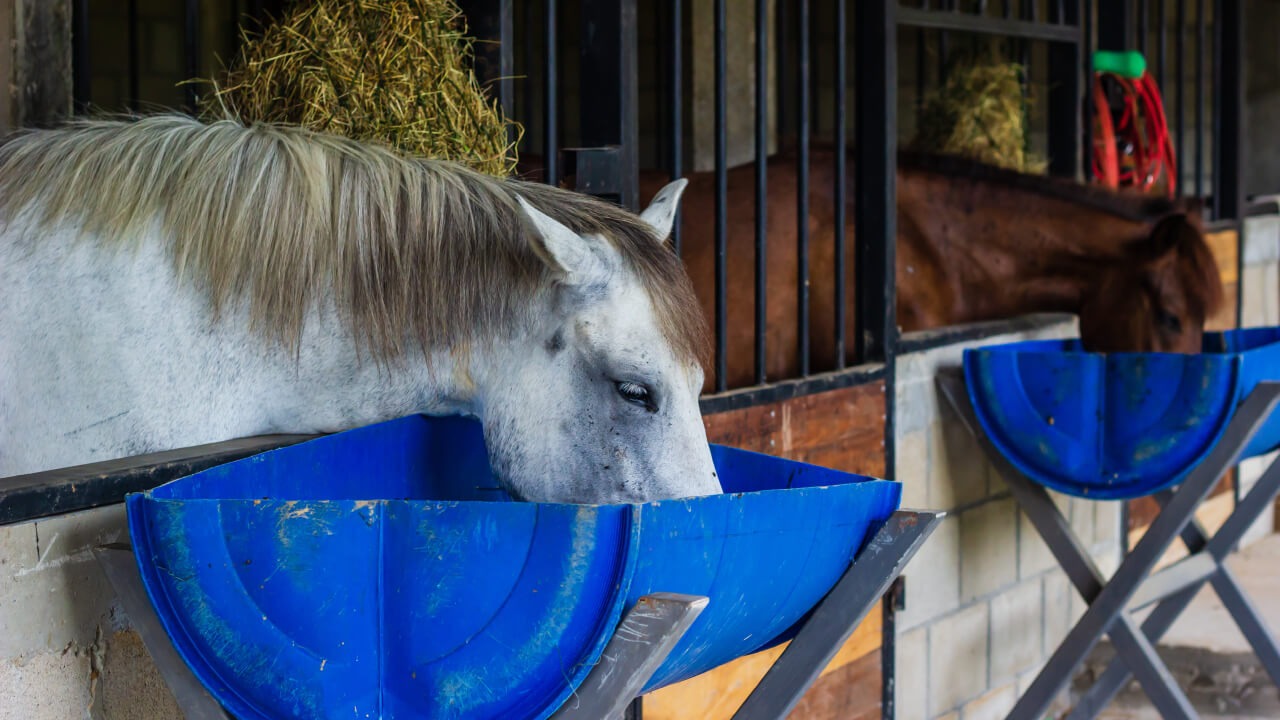
Early intervention is vital for colic. Recognizing signs early and responding swiftly can make a difference. Recognizing symptoms such as loss of appetite, changes in behavior, unusual sweating, pawing, abdominal looking, and alterations in urination are crucial. Observing the horse’s expression and physical condition regularly helps in early detection. Symptoms include dullness, lack of appetite, absence of defecation, sweating, pawing, abdominal scrutiny, and facial expression changes. Increased intestinal sounds and visible distress such as rolling or thrashing indicate severe pain. If any signs are observed, consult a veterinarian promptly.
Care and Management
For horses in pain, provide protective gear, and if necessary, heating to prevent hypothermia. Move the horse to a larger stall or paddock with ample bedding to prevent injury from thrashing. Isolate foals from pregnant mares to prevent injury, and monitor closely if the mare is agitated. Frequent checking every 15-20 minutes is recommended as condition may rapidly worsen.
If mild, gentle exercise (10-30 minutes) stimulates bowel movement and offers calming effects. Abdominal massage focusing on the lower abdomen can reduce pain through gentle friction. Follow veterinary instructions for fasting or oral aids to prevent recurrence.
Prevention Strategies
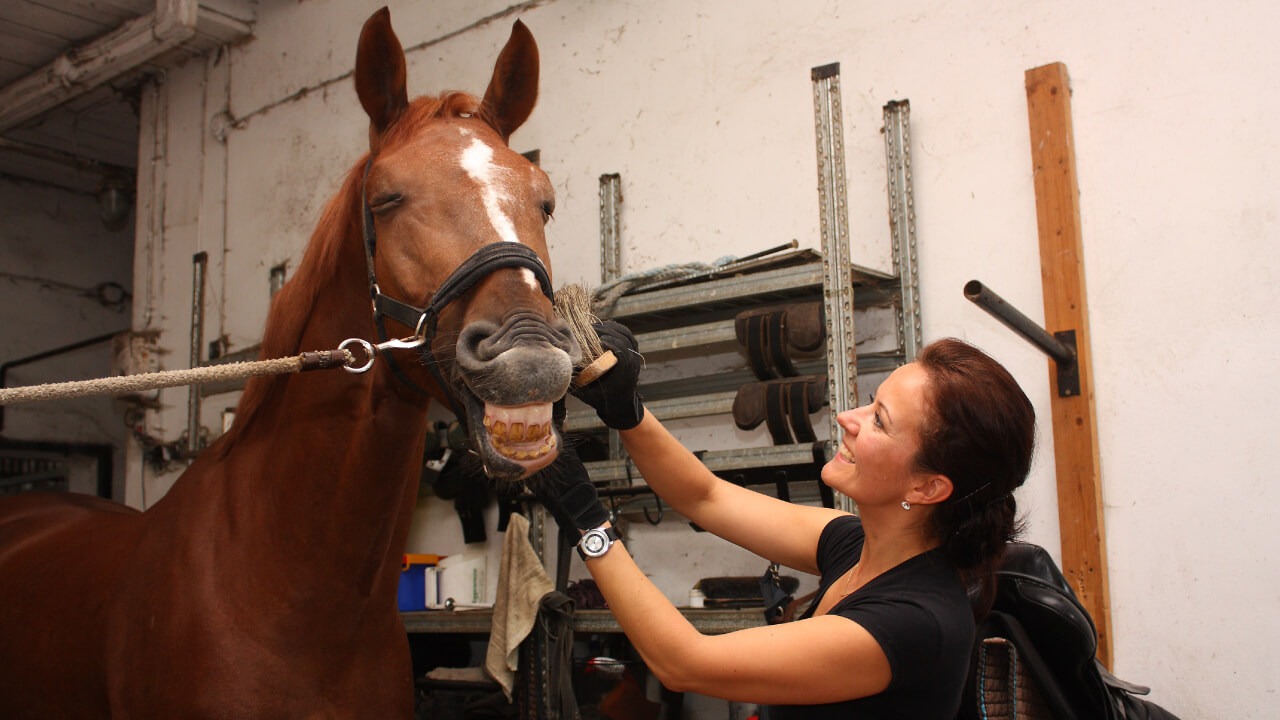
Proper management is key to prevention. Avoid overfeeding grains and sudden dietary changes. Provide regular, divided meals, and ensure clean, fresh water at all times. Dental care is also essential as dental problems can exacerbate colic risk. Regular fecal checks and parasite control are also vital for prevention during rest periods. Proper management reduces the risk of diarrhea and impaction, major causes of colic.
Summary
Colic varies in severity from minor to life-threatening. While prevention is essential, it cannot eliminate all risks. Early detection and response are crucial. Regular observation of the horse’s behavior and physical signs can help catch early symptoms. When abnormal signs appear, consult a veterinarian even if the symptoms are mild. Monitoring the horse’s condition through behavior, droppings, and environment provides valuable information, especially for responsible management.