
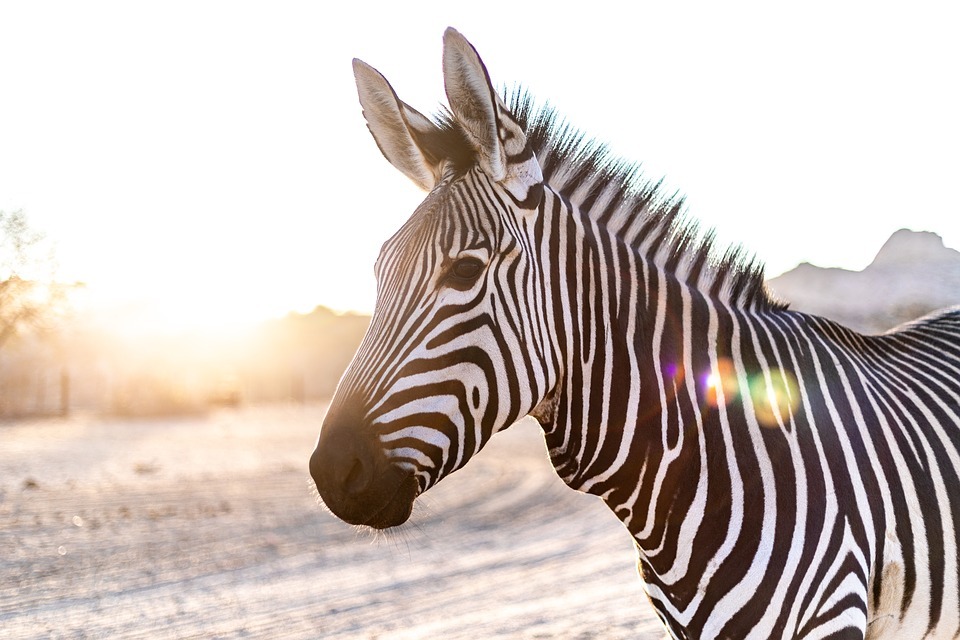
When visiting a zoo, you often find ponies or horses you can feed. However, among the animals that catch your eye is probably the zebra, known for its distinctive striped pattern. Zebras are familiar animals to many people.
Horses and zebras may look alike, but there are noticeable differences. In this article, we introduce the fascinating secrets of zebras. Discovering the charm of zebras will make your understanding more interesting.
Gentle Horses, Aggressive Zebras!
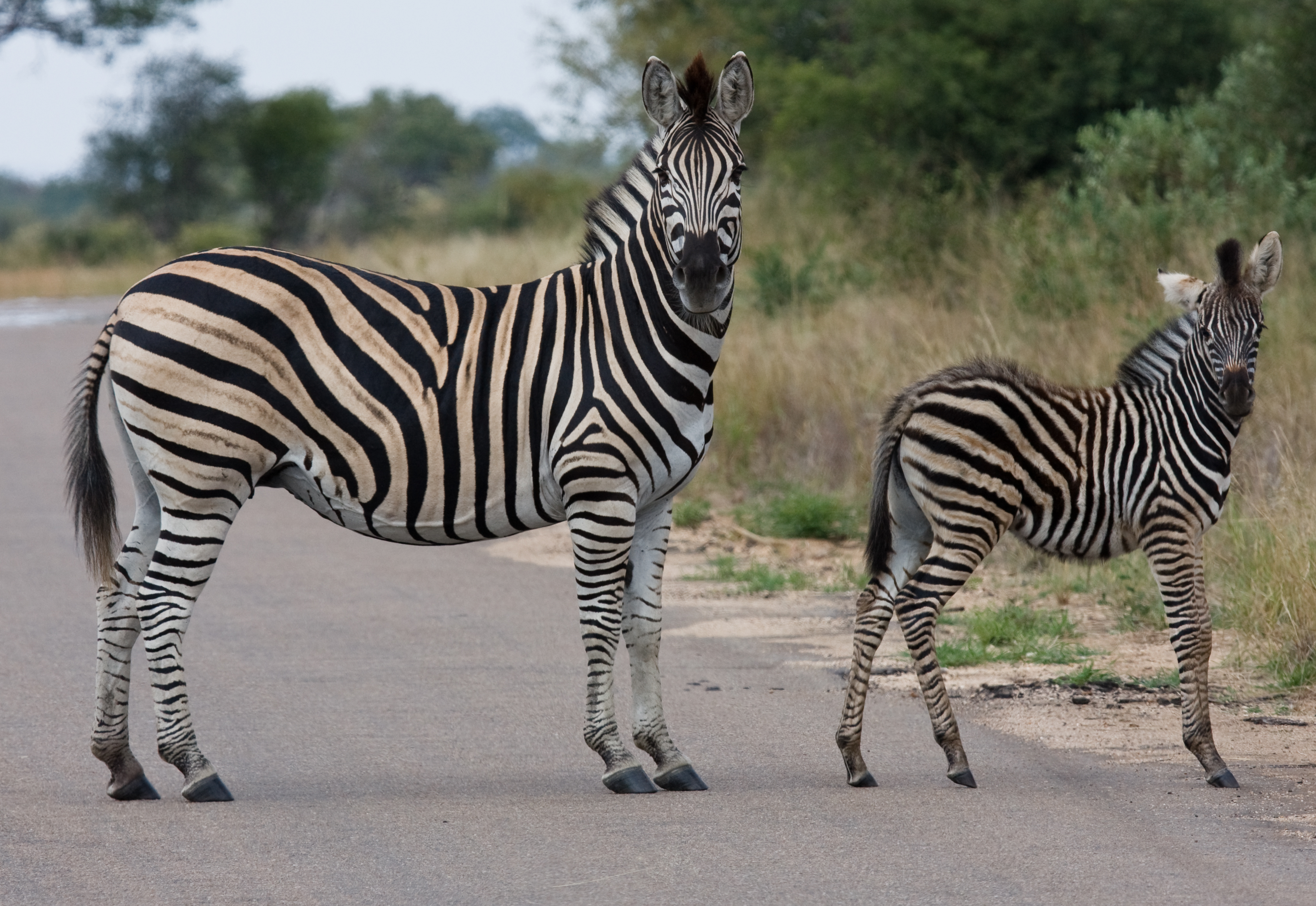
Racehorses competing in races can sometimes be aggressive, but generally, horses used in riding clubs are calm, gentle, and timid creatures. Zebras, however, contrary to the common image of horses, are not always the same.
Zebras are said to be highly alert and temperamental. In the wild, zebras often accompany herbivorous animals like ostriches. To survive in the wild, grazers need to be able to evade predators such as lions and hyenas.
When attacked by carnivores, zebras don’t just run—they also kick to fend off predators. Their powerful kicks are said to be capable of crushing lion jaws.
Can You Ride a Zebra?
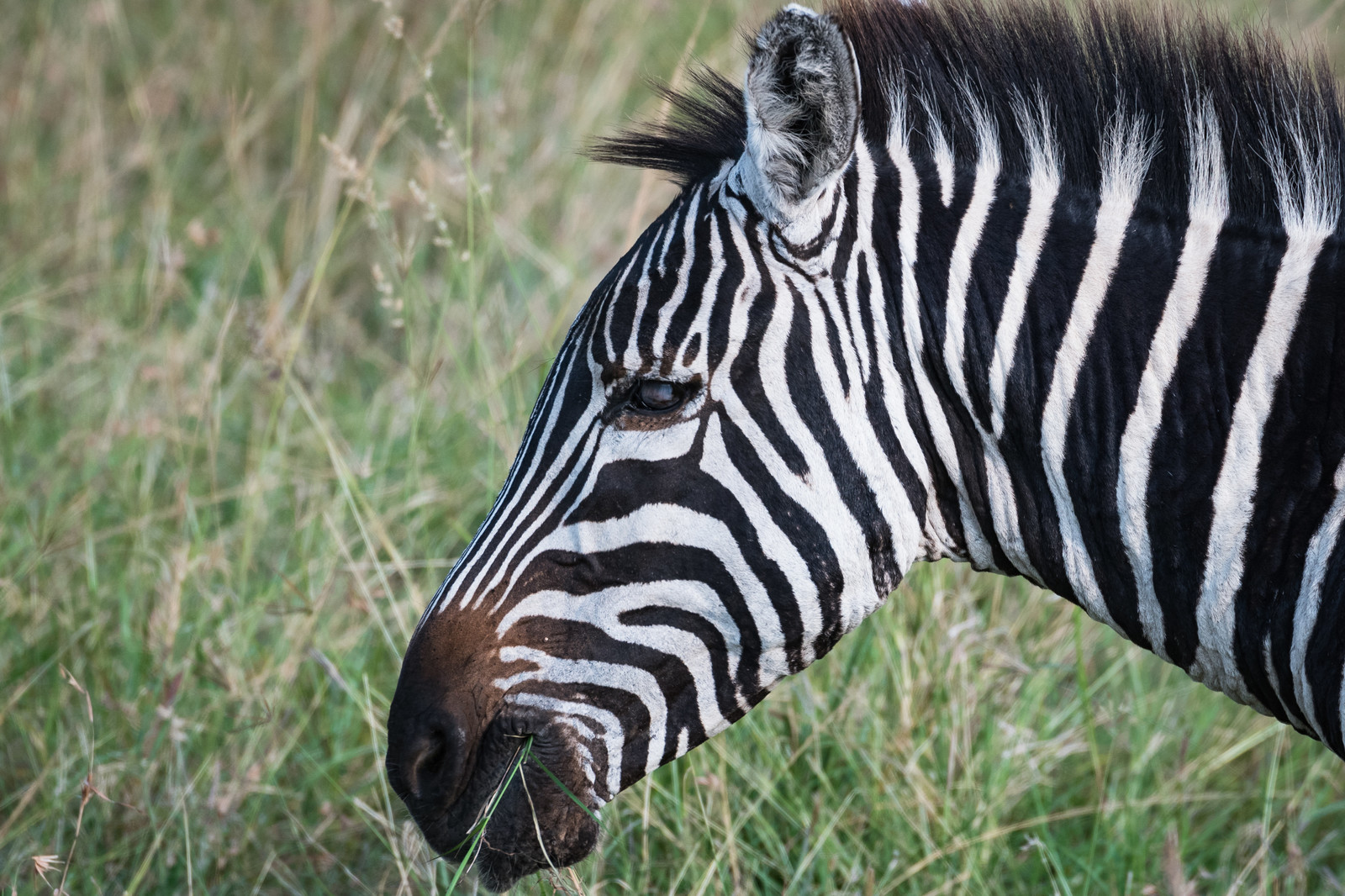
While riding zebras isn’t impossible, it’s generally considered unsuitable due to their temperament. Their aggressive nature makes training difficult, and they tend to be wary and less domesticated than horses.
In the past, some tried to ride zebras but ended up being thrown off. Although they belong to the horse family, since zebras are about 95% genetically similar to donkeys, their bodies resemble donkeys more than horses. Their backs also lack the strength to bear human weight, making riding difficult.
The Secrets Behind Zebra Stripes
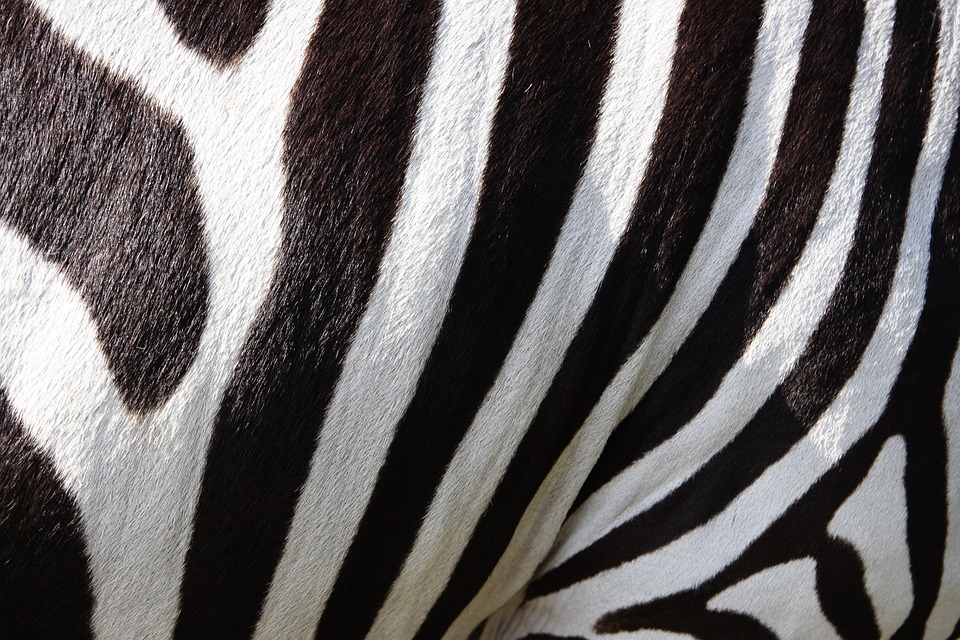
When you think of a zebra, the distinctive black-and-white stripes are probably the first thing that comes to mind. While prey animals like zebras are naturally less conspicuous, the striking pattern makes them quite noticeable, which seems counterintuitive. Why do zebras have stripes?
Animals evolve to survive in their environment. Zebras are no exception and have developed their stripes for various reasons. Here are some of the main theories behind their unique pattern.
Camouflage in the Environment
This is one of the oldest theories. The stripes help zebras blend into the background when hidden among grasses and trees, making it harder for predators to spot them.
Despite their black-and-white appearance, lions and hyenas see the stripes as a form of camouflage, allowing zebras to hide effectively. Their striking pattern may also serve as a form of dazzler, confusing predators.
Regulating Body Temperature
Black absorbs heat more efficiently, so a fully black body could cause heatstroke in hot climates. The stripes help create airflow differences between the black and white areas, generating small air currents that help keep the zebra cool. This adaptation may help prevent overheating, with reports indicating temperature differences of about 3℃ compared to non-striped mammals.
Even Deterrent to Bloodsucking Flies
In hot regions where zebras live, bloodsucking flies that transmit diseases are common and pose a threat. The stripes appear to repel these flies, offering some protection.
Are Zebras Actually More Like Donkeys Than Horses?
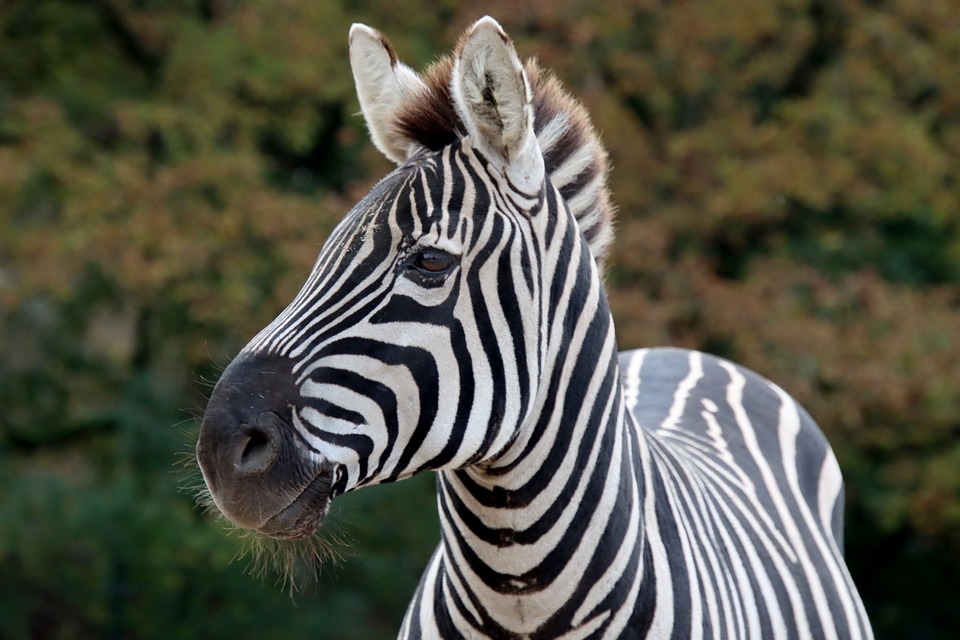
Most people think of zebras as “striped horses,” but scientifically, they are closer to donkeys. Zebras belong to the equine family, like horses and donkeys, but genetically, they are about 95% similar to donkeys. Due to their body shape, which resembles donkeys more than horses, some even refer to zebras as “zeb donkeys” in some countries.
Thus, zebras are more genetically related to donkeys than to horses, although they are still part of the equine family. This close relation explains why their body structure resembles donkeys more than horses.
Summary
As you can see, zebras, well-known for their striking black-and-white stripes, are also surprisingly closer to donkeys than to horses. Despite their appearance and the fact they are called “horses,” their body structure and genetics tell a different story. The stripes serve various functions, helping to protect their lives.
Learning more about zebras reveals many fascinating facts, especially considering their name contains “horse,” yet they resemble donkeys in many ways. Understanding their unique advantages and hidden secrets makes them even more intriguing animals to study.
There are still many mysteries to uncover about zebras, and exploring more about them might lead to interesting discoveries.