As you continue riding lessons, you’ll gradually start tackling more challenging skills. But sometimes, repeated failures or lack of progress can dampen your motivation… So, how do riders break out of slumps? Here are some effective strategies!
Watch Expert Videos and Lessons

In any discipline, ‘learning by watching’ is incredibly important. When you struggle to perform a skill yourself, watching instructors riding or observing skilled riders can provide useful hints. Videos with commentary or demonstrations of practice methods, or recordings of competitions, can help reinforce learning.
Watching talented riders operate calmly and confidently allows you to internalize their techniques. Repeatedly viewing these videos, especially focusing on areas you find challenging, makes it easier to replicate what works.
Keep in mind that different instructors may have their own riding philosophies and techniques. So, it’s beneficial to find videos or tutorials that resonate with your style and preferences — comparing multiple sources can make a big difference.
You can start by searching ‘riding techniques on YouTube’ or ‘instructor riding demonstrations.’ These searches will bring up a variety of content, from competition footage to instructional channels and rider diaries.
For specific skills like transitions or cantering, searching these topics can offer targeted guidance you can review at home for efficient learning.
If you’re a member at a riding club, observing your instructor’s riding can also be very helpful. They understand your riding challenges and can give personalized advice.
Take Leadership and Reassert Control
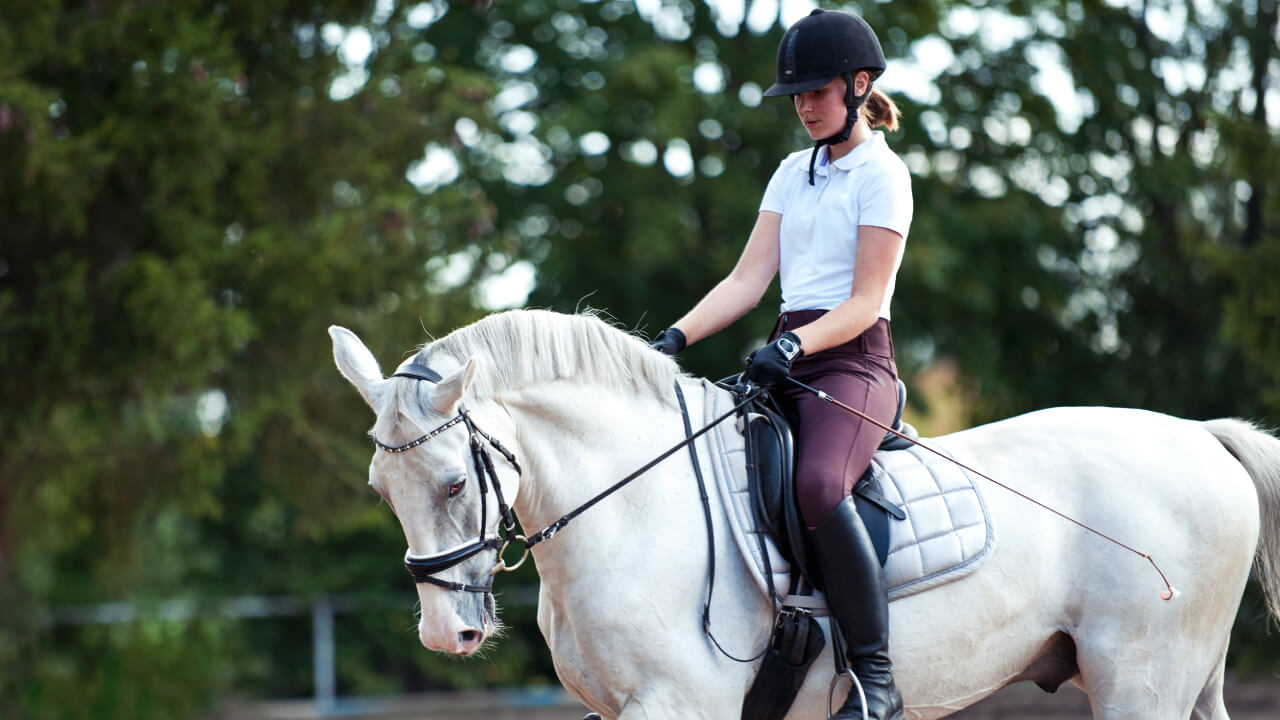
Riders often experience slumps due to a mismatch between their cues and the horse’s responses, leading to a lack of confidence and communication breakdown. Losing confidence can make cues become vague, making it even harder for the horse to respond properly.
In such cases, shifting your mindset to takeover and gain control is key. But how do you do that without appearing overbearing?
Consistent and clear signals are critical. Just like a respectful manager, a rider should communicate with coherent cues that are easy for the horse to understand — from gentle aids to firm commands, depending on the situation.
If your cues are inconsistent or confusing, the horse gets puzzled and may even resist. After giving a cue, observe the horse’s reaction and respond appropriately with the next aid.
Some horses may behave badly or test boundaries, especially beginners or untrained horses. In these cases, a firm but fair approach is essential to correct undesirable behavior.
Release Negative Bias and Cultivate a Positive Image of Riding
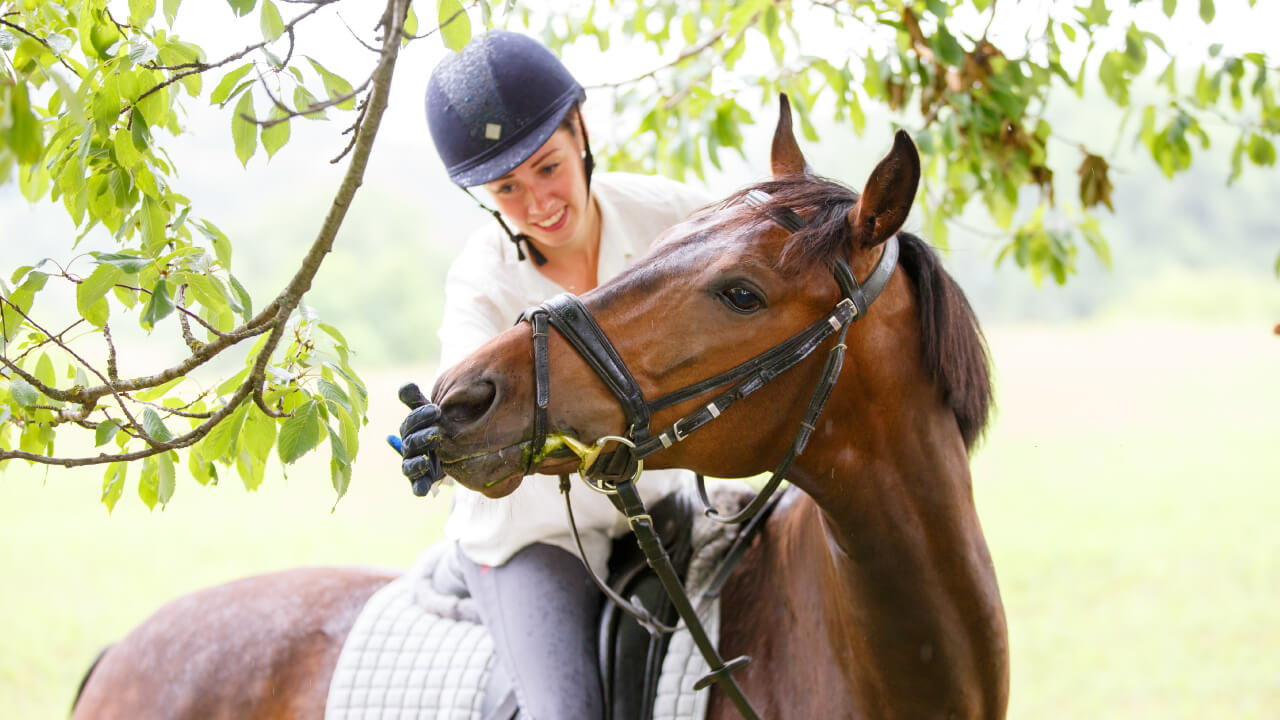
People tend to believe that their feelings influence outcomes, so having a positive mindset can lead to better results. If you visualize riding confidently and successfully, you’re more likely to perform well. Conversely, negative impressions might hinder progress.
Having a fearful or negative attitude toward riding can cause physical tension and hinder smooth riding. Therefore, maintaining a positive outlook and strong mental attitude can make a big difference.
Some riders who face slumps struggle with technical faults or fear of the horse. To regain confidence, try methods such as ‘restoring confidence through lower-level lessons’ or ‘riding a horse with whom you share a good rapport.’
Restoring Confidence with Lower-Level Lessons
By practicing at a level below your current challenge, you can rebuild your confidence and re-establish positive associations with riding. Often, a slump occurs when trying something too advanced for your current skill level, leading to frustration and loss of self-belief. So, lowering the difficulty and enjoying success can help you regain confidence.
Ride a Horse with Good Compatibility to Overcome Fear
Riding is a team effort — your connection with the horse influences your experience. Sometimes, encountering difficult or unfamiliar horses can reinforce negative feelings. Riding a well-matched horse you trust can help dispel fears and improve your mental state, paving the way for more enjoyable lessons.
Check Your Riding via Video Recording

While increasing input and shifting your mindset are effective strategies, understanding your current situation is vital. Riding clubs often have mirrors around the riding area, but when jumping obstacles or performing dressage, you can’t constantly monitor yourself.
Recording yourself riding can provide valuable insights. Ask an instructor or a fellow rider to record your sessions, or set your smartphone in a safe spot to film your riding. Watching the footage allows you to objectively observe your movements.
Sometimes, you may realize that you’re not executing what you think you are — a helpful discovery! Be cautious, though: over-critical self-assessment might reduce motivation. Be sure to also recognize what you’re doing well.
Besides your own movements, pay attention to your horse’s reactions during riding. The cues you give and the horse’s responses can reveal helpful tips for improvement.
Summary
All riding disciplines can experience slumps as practice progresses. If lessons with advice don’t lead to improvement, consider trying the methods discussed here. Even long-standing problems can sometimes be solved unexpectedly easily once you understand the key points. Don’t forget to enjoy your interaction with your horse—and continue your lessons at your own pace!