
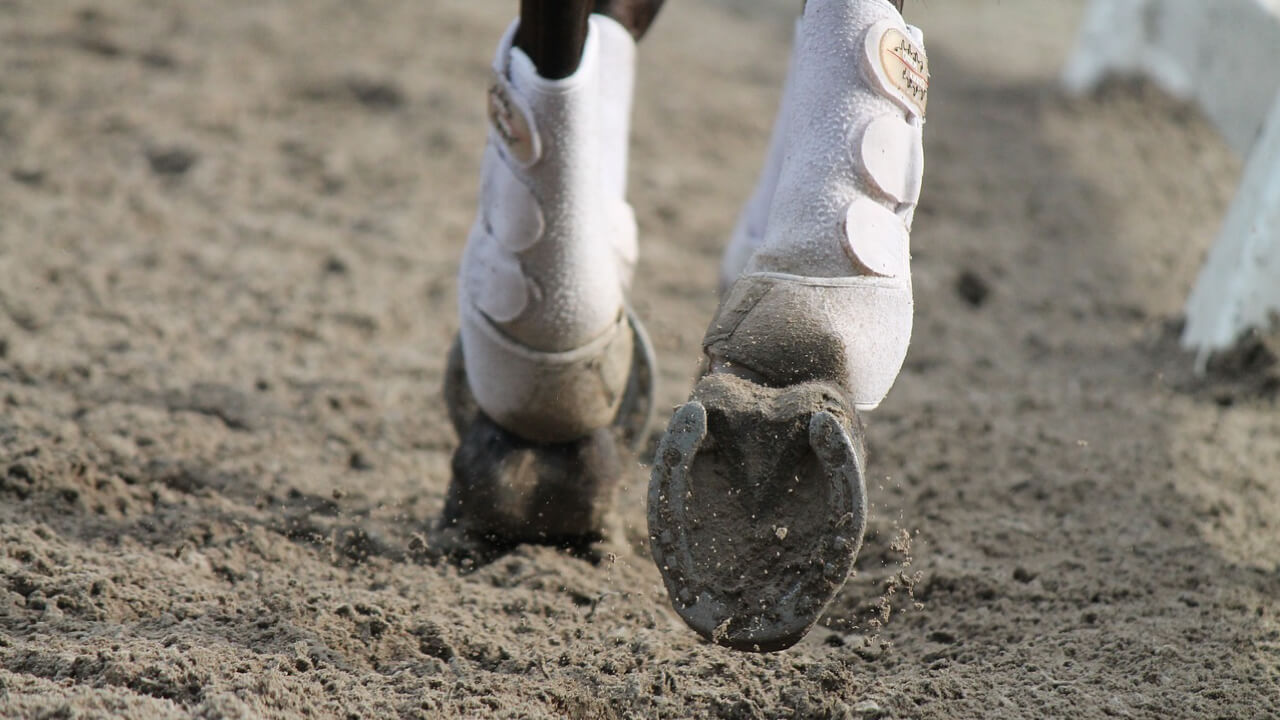
Types and Uses of Protective Gear for Practice and Competitions
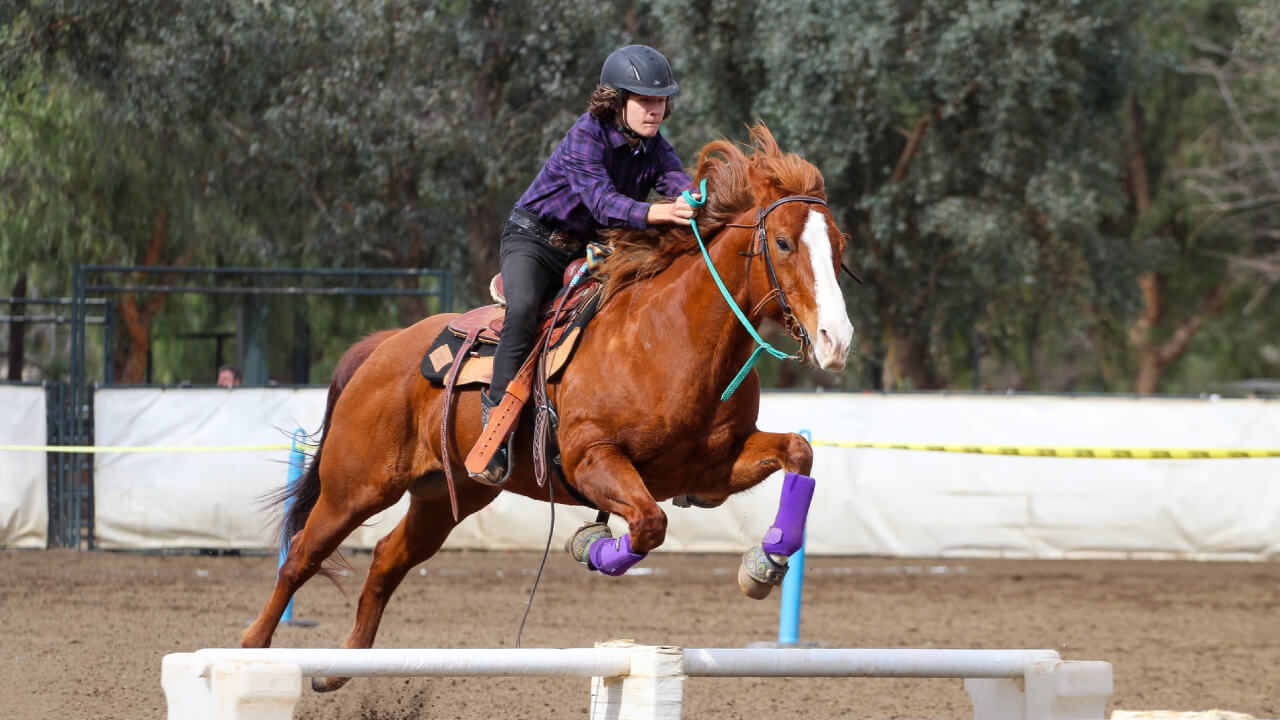
You may have seen protective gear wrapped around riding horses’ legs. These are divided into front and hind leg protectors, but some riding clubs or horses only wear them on the front legs.
Although they look similar, there are differences depending on their purpose and the horse’s individual needs. For example, some horses are sensitive around the fetlock and may get skin irritations or discomfort when wearing protectors.
The main uses for protectors include training, competitions, stable use, transportation, and cooling the legs. We’ll explore each type’s features below.
Uses of Protective Gear for Practice and Competitions
Horses with shoes can get injured if their legs collide, especially during jumping or obstacle courses. Protectors are used to prevent injuries from external impacts and contact during activities.
Types of Protectors – Whole Hoof Covers
Protectors like bell boots and rubber fetlock boots cover the entire hoof and are made of rubber, shaped like bells. They provide durability and prevent chafing at seams. Many colors and affordable, some riders enjoy mixing and matching for style.
While initially tricky to put on, practice makes it easier, and they tend to stay secure during wear.
Types of Protectors – Fetlock and Coronary Band
Horses with four legs may suffer from overreach injury, where the hind leg hits the front fetlock. Products like ballistic overreach boots protect these areas. Rubber boots may slip if they don’t fit well; in such cases, using ballistic overreach boots with a snug fit is recommended.
Types of Protectors – Tendons and Fetlocks
Protection boots for front legs protect tendons and fetlocks, with longer or shorter versions. Sensitive horses may resist these, so soft fleece bandages can be used, which also prevent injuries, sprains, and fractures. Wrap tightly but not too tight using elastic bandages wrapped from inside to outside, from top to bottom, then secured outside the leg.
If You’re Unsure
Different kinds of protectors suit different disciplines; for riding on soft ground, comfortable and wrap-around types are recommended, while rigid, snug protectors are better for jumping to prevent injuries. Consult your riding club staff if unsure.
Types and Uses of Stable and Transport Protectors

Protectors are used not only during activities but also within the stable and during transportation. While some believe riding protectors can substitute for stable and transport protectors, it’s important to select purpose-specific gear, as their structures differ.
Stable protectors are thicker, protect against injury and help warm legs to reduce fatigue, often with padding or bandages.
Transportation protectors, called travel boots, are longer to safeguard tendons, fetlocks, and knees. They also need good ventilation to minimize stress during transit.
Uses of Stable Protectors
These protectors are used to prevent injuries in the stable and to help warm and recover legs. Horses prone to swelling benefit from thicker protectors with padding. Properly wrapped, not too tight nor too loose, these protectors assist in maintaining healthy legs.
Some models include integrated soft air padding, making application easier and more comfortable to try.
Uses of Transportation Protectors
Transport protectors, or travel boots, are vital during hauls to racecourses or competitions in specially equipped horse carriers. These vehicles carry up to six horses and feature climate control and camera monitoring to ensure comfort and safety.
Durable, ventilated protectors help reduce stress and prevent injuries during transit, covering from fetlocks to knees. Shorter versions are available, but using joint-specific boots in conjunction provides extra protection.
Good ventilation is essential for reducing stress.
Types and Uses of Cooling Protectors – Ice Boots
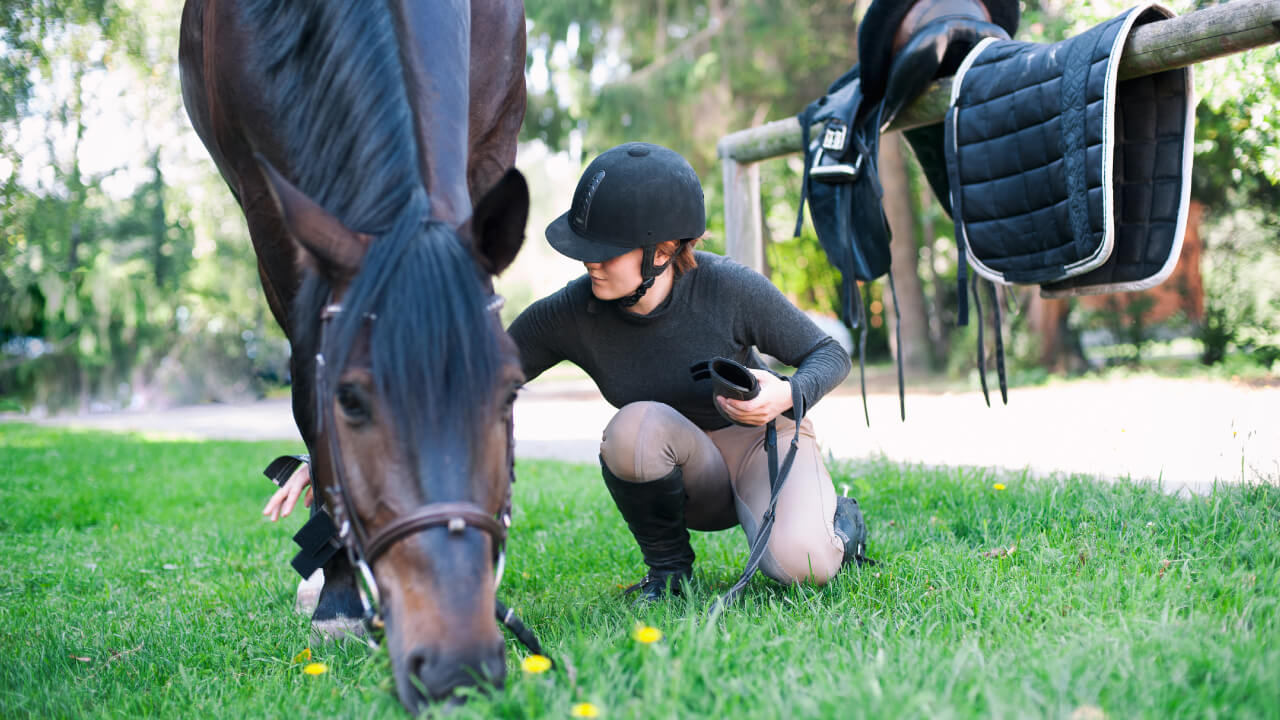
After intense exercise, cooling protectors called ice boots prevent minor injuries and swelling. Variables include gel-filled, water-soaked, and water-wet types that fit well and are designed to prevent frostbite and overcooling. Choose according to your needs and follow usage instructions carefully to ensure safety and effectiveness.