
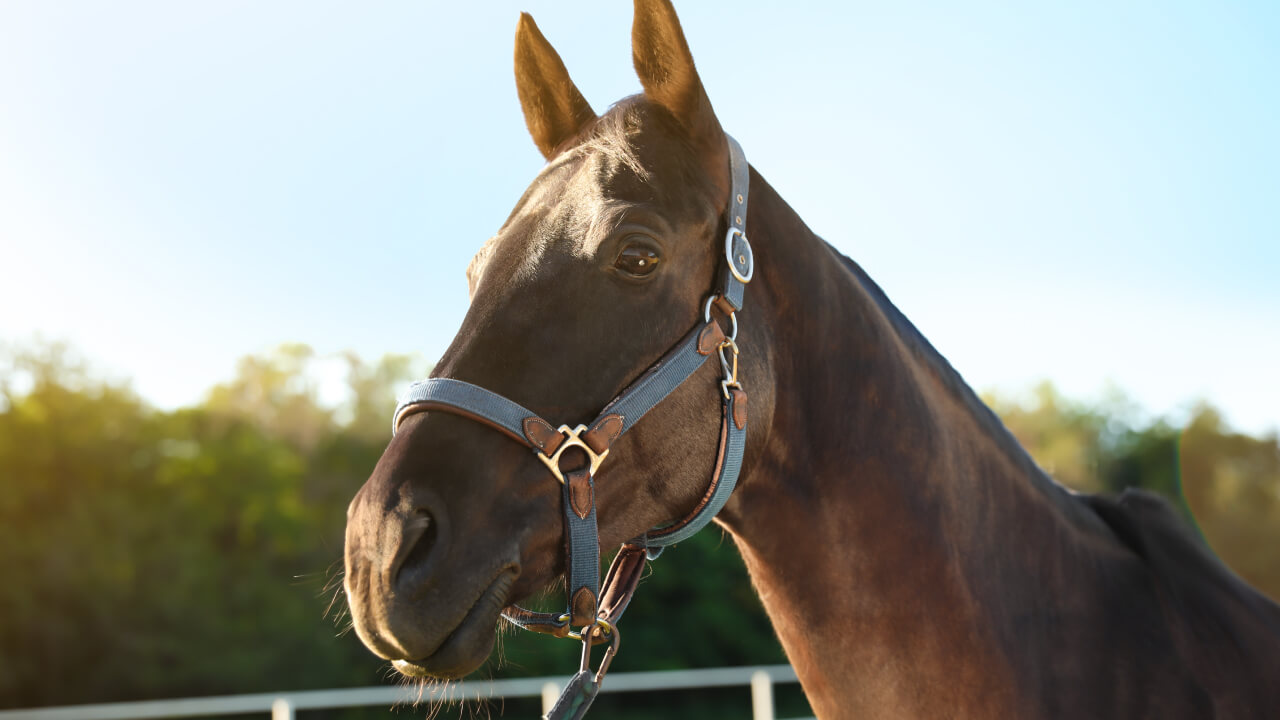
Do you have unconscious habits? Sometimes, you might do something without deliberately thinking about it, only to realize it after someone points it out.
Just like humans have habits, horses also develop certain behaviors. If these habits are harmless, that’s fine, but if they negatively impact the horse’s health, it’s important to address them. Identifying causes and taking appropriate measures is essential.
In this article, we will explore some of the problematic habits observed in horses and how they can affect their well-being.
Cribbing: What Is It?
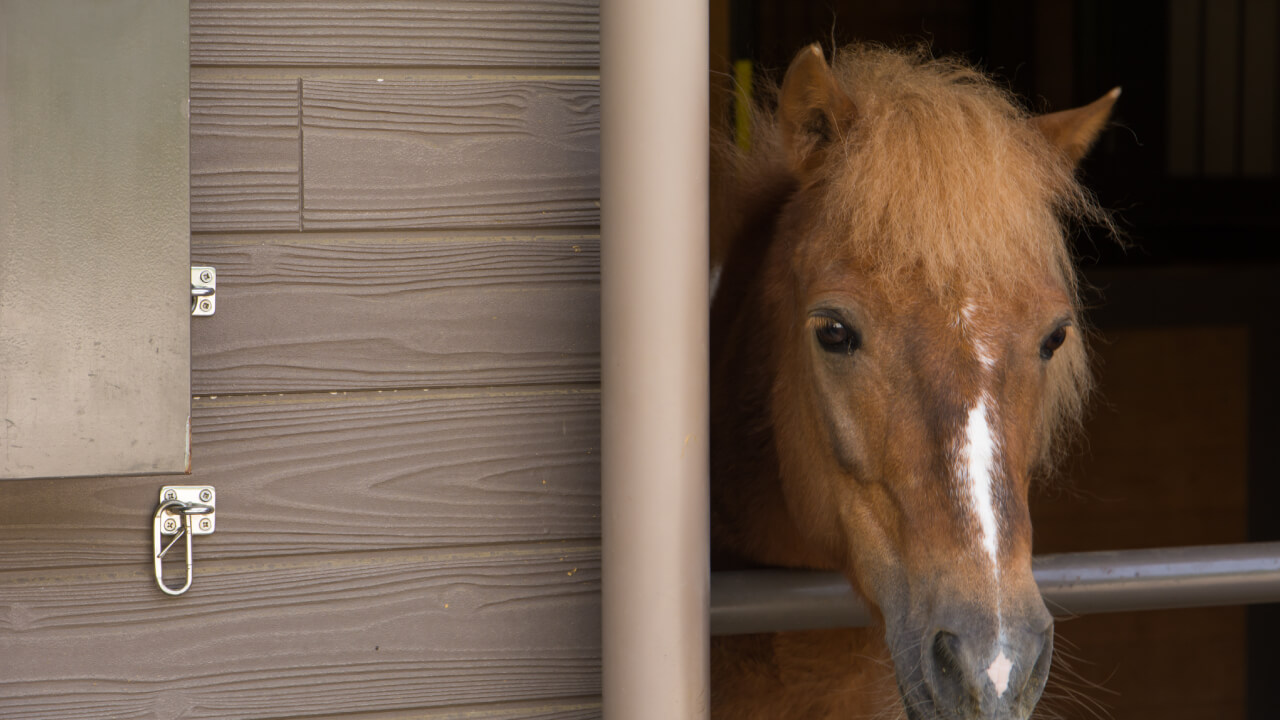
One problematic behavior for horses is cribbing, which involves hooking the upper incisors onto objects like fences, poles, or walls and swallowing air.
This action produces sounds such as ‘gulp’, ‘gurr’, or ‘guk’ and is sometimes called ‘guph’. Cribbing can be caused by boredom, stress, or copying other horses’ behaviors.
Effects on Horse Health
Cribbing can help horses relieve boredom or stress, but it can also harm their health. The swallowed air can accumulate in the intestines, leading to colic, a potentially life-threatening condition.
Research shows that horses that crib have a 12 times higher risk of colic than those that don’t. To prevent chronic issues, it’s essential to address cribbing behaviors.
How to Stop Cribbing
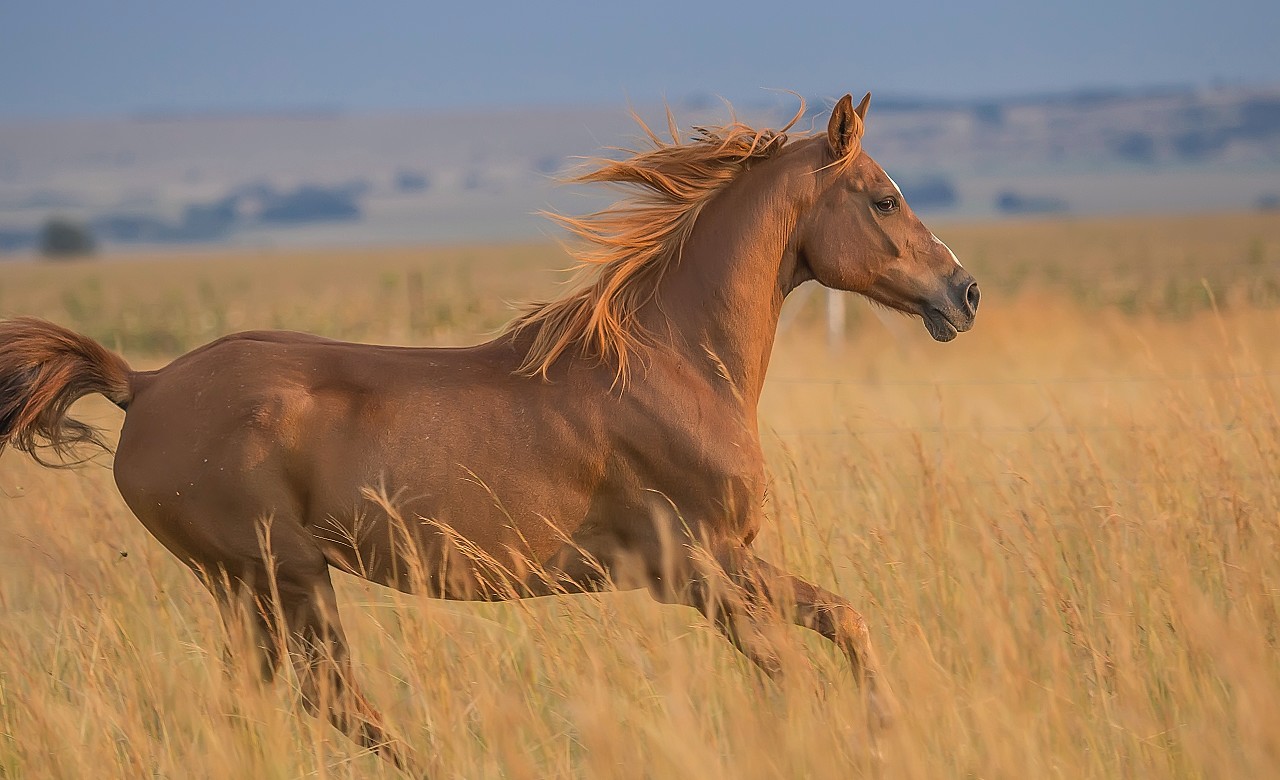
There are products like the ‘Gup-H Band’ designed to prevent cribbing. These bands wrap around the horse’s neck, preventing air intake during cribbing. Some products apply bitter gels to fences to discourage the behavior.
However, these solutions may cause discomfort and stress, potentially leading to other issues. The most effective approach is to identify and address the root causes of stress or boredom, reducing the motivation to crib.
Other Problem Behaviors: Pawing and Weaving
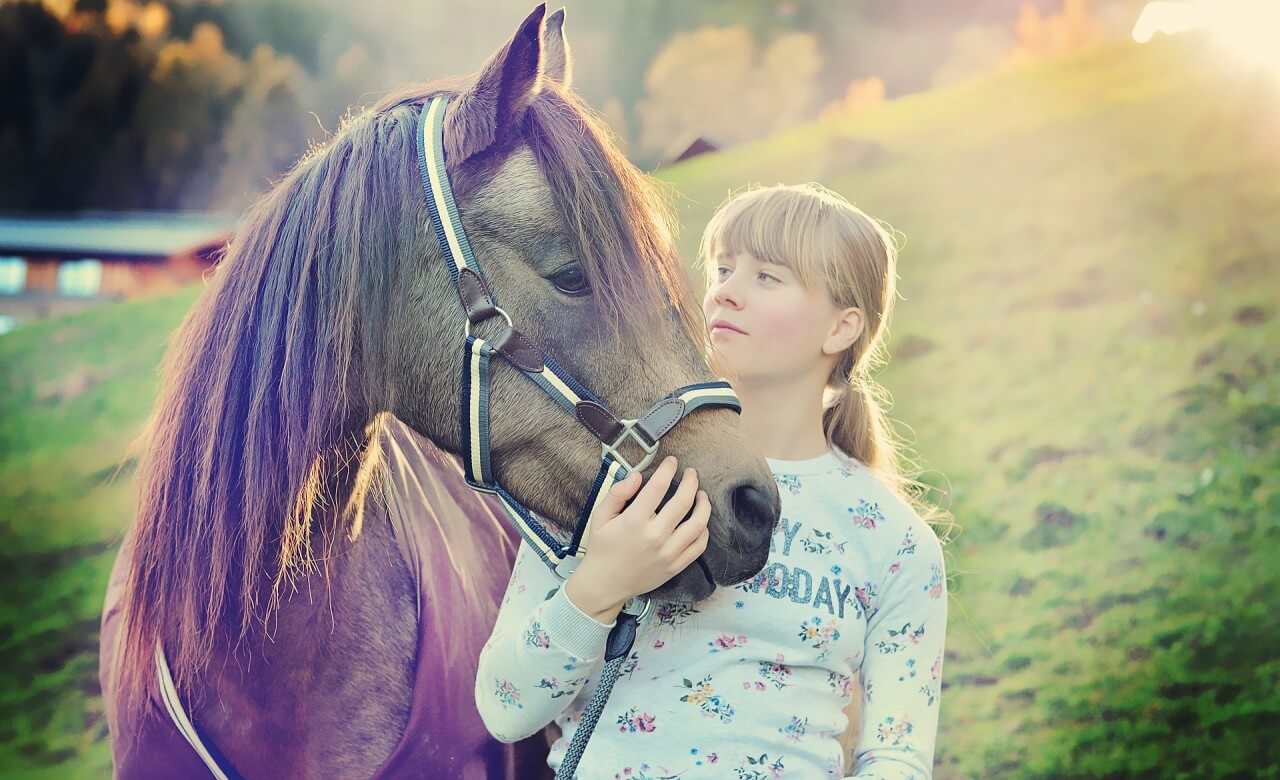
Another common problem behavior is pawing or weaving, which can lead to physical issues such as hoof deformities or joint problems. Addressing these behaviors involves understanding their causes, which are often related to stress or boredom.
Summary
Horses, like humans, can develop quirky habits. Recognizing and understanding these behaviors helps in caring for their health. If you notice behaviors like cribbing or weaving in horses at your riding facility, try to provide sufficient stimulation and attention to reduce these tendencies.
Your concern and care can help horses overcome these habits and promote their well-being.