
Nowadays, you might rarely see horses outside of riding clubs or tourist spots. However, in historic Japan, horses were an essential part of daily life, serving as transportation and work partners. Due to this close relationship, horses are often regarded as auspicious animals. In this article, we explore how Japanese people historically interacted with horses and discuss the auspicious symbol ‘Hidari-uma’ (Left Horse).
Horses Were Considered Sacred Mounts for Gods
History of Horses in Japan
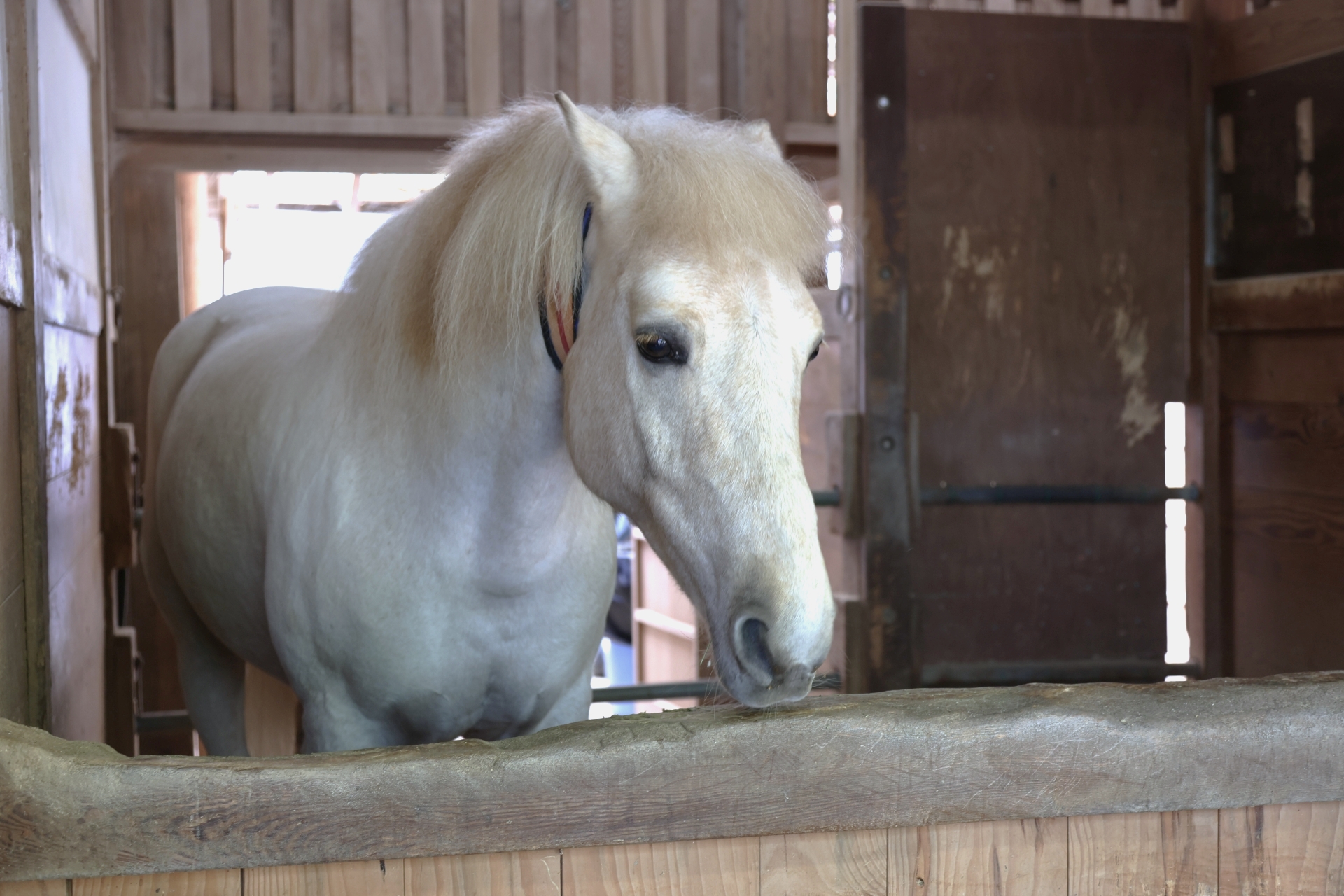
Horses were imported from the continent into Japan during the Yayoi period or later. While the exact timing and location are debated, excavations from the Kofun period reveal horse teeth and bones, suggesting horse domestication began around the 4th century.
In addition to actual horses, many artifacts such as horse figurines (haniwa) used in rituals have been found from ruins and tombs. These findings indicate horses were symbols of nobility and assets, signifying their high status in ancient Japan.
Later, bred locally for farming and other purposes, valuable horses were traded at high prices. From this historical context, it is clear that horses were regarded as vital partners and special animals by the Japanese.
Horses and Gods
In Japan, horses were also given as offerings to deities. As previously mentioned, horse figurines were used in rituals during the Kofun period, often buried with nobles as symbols of social status.
By the Nara and Asuka periods, clay models of horses have been excavated from shrines considered to be sacred sites, showing that horses as divine offerings were already a common practice.
The Engishiki, an early Heian period law code, states that horses were to be offered during annual festivals at Ise Shrine, among others. Horses dedicated to deities, called ‘Shinme,’ were believed to be divine mounts used by gods, similarly to how humans used them as mounts.
Today, festival processions often feature children riding sacred horses as part of deity worship. If you visit a shrine festival, look out for these sacred horses representing the divine.
Are Ema (Votive Plaques) Replacements for Horses?
At shrines, many ema (votive plaques) are hung with wishes and prayers. Nowadays, images of horses on ema are less common, replaced by zodiac animals or symbols associated with the shrine.
Historically, the ema board is said to have originated from the practice of dedicating a painted horse instead of a real one to pray for wishes. Compared to sacred horses, ema serve more as tokens of desire or gratitude.
People often associate divine horses with white horses, but regions had different customs; for example, black horses were offered for rain prayers, while white horses were used for sun-related blessings, based on the wish’s nature.
Horses Decided the Outcomes of Battles
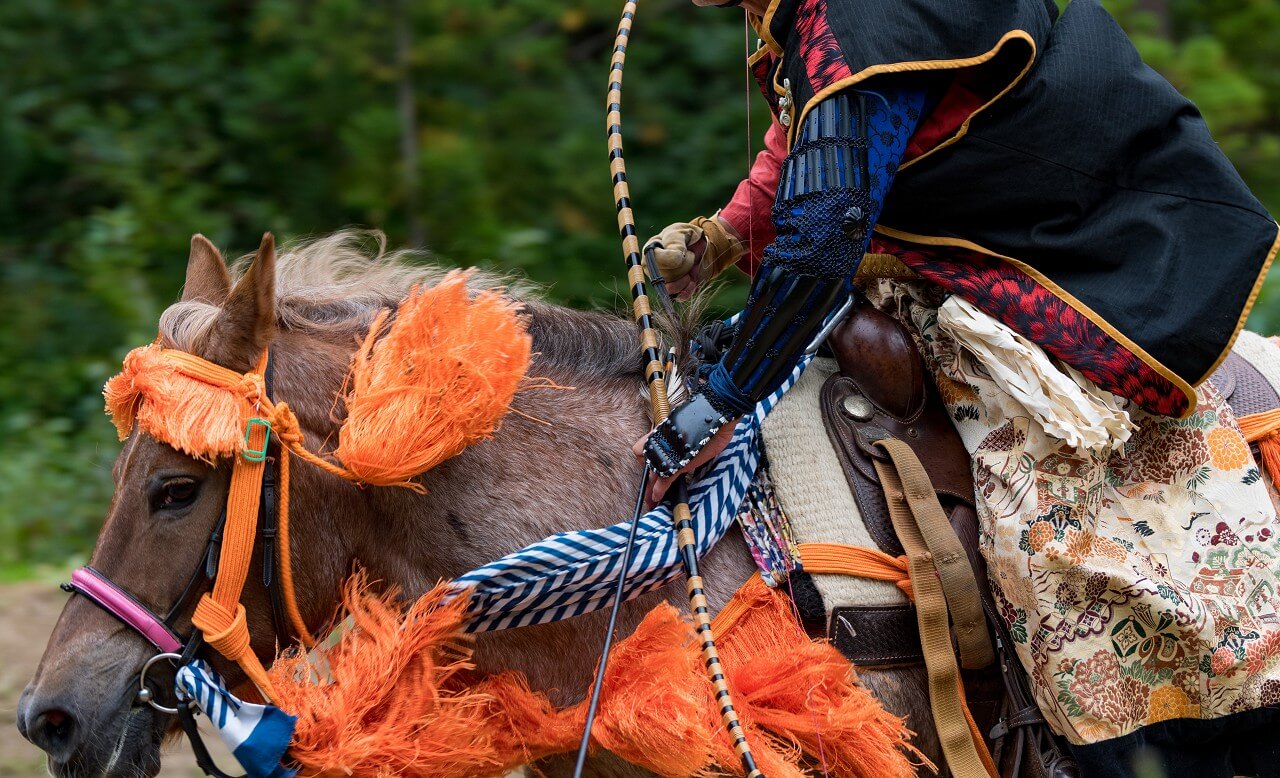
From ancient times, horses have been Japan’s fastest land-based transportation. Their speed often influenced the outcome of battles. Notable examples include Minamoto no Yoshitsune’s famous ‘Kecho-style’ attack during the Genpei War, where horses played a critical role in victory.
The battle took place at Ichi-no-Tani, where the Minamoto forces cleverly outflanked the Taira using a daring horseback retreat down a steep cliff known as ‘Hiyodori Goe.’ This stunt, executed with exceptional riding skills and trust between horse and rider, shocked the enemy and turned the tide of war.
Legend has it that even the renowned Bushō (Samurai commander) Hatakeyama Shigetada, known for his immense strength, carried his beloved horse, Mikazuki, down the cliff to avoid injury during the battle, exemplifying the deep bond and trust between man and horse.
While history often emphasizes warriors, fascinating stories related to horses abound. The relationship between soldiers and horses during warfare offers a captivating insight into Japanese history and horsemanship.
The Lucky ‘Hidari-uma’ (Left-Horse)
Throughout history, horses have been indispensable in faith and warfare. Of course, they were also essential for traders and farmers, supporting their livelihoods.
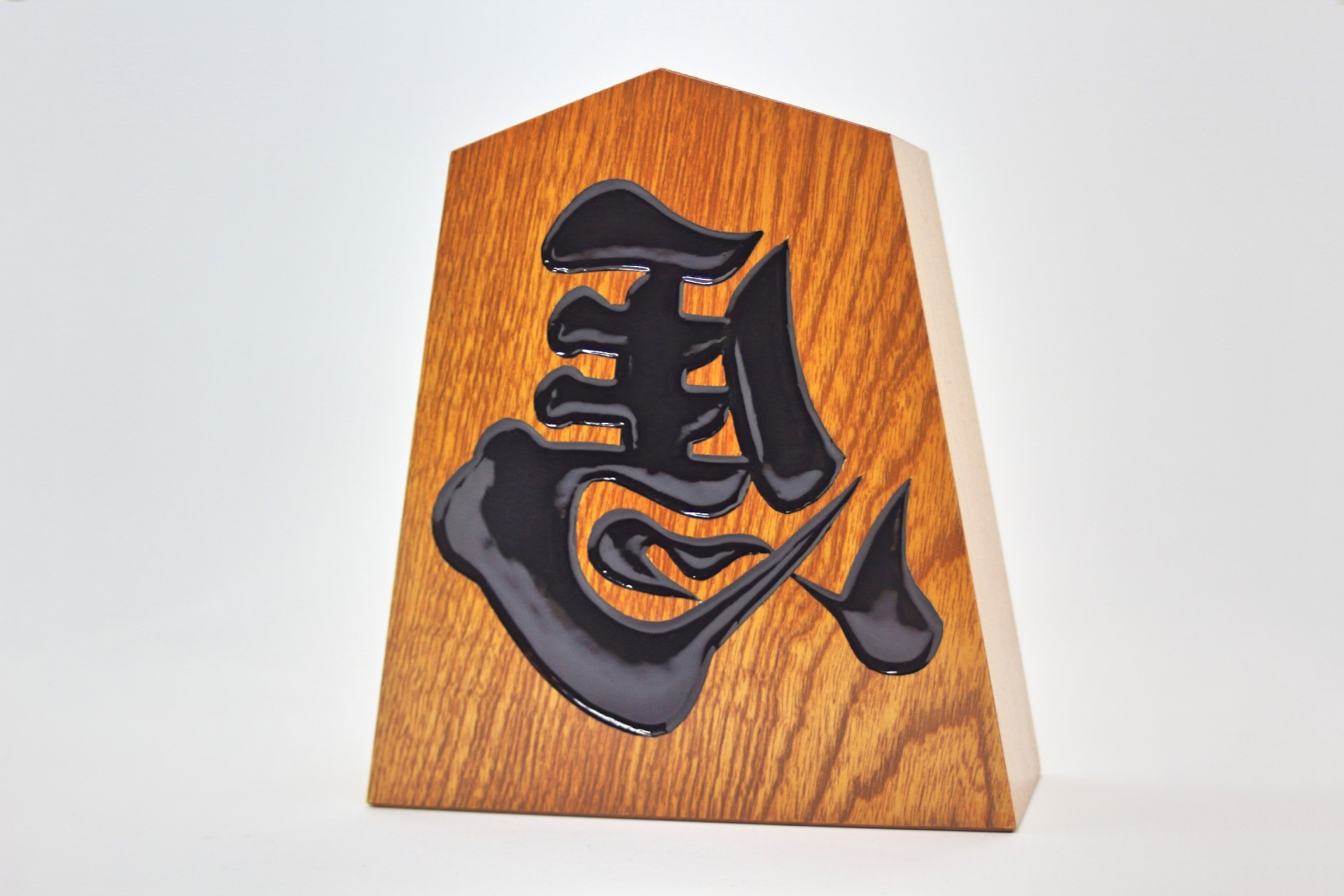
In Japanese culture, horses are believed to bring good luck, prosperity, and success. Many auspicious symbols incorporate horses into their designs. Among these, the most famous is the ‘Hidari-uma’ (Left Horse). This symbol is a mirror-image of the kanji for ‘horse’ often used in shogi (Japanese chess), making it a popular gift when building a new house or starting a new business.
Made in Tendo City, Yamagata Prefecture, the Hidari-uma is a mysterious omamori (amulet). Its meaning involves several layers: simply reversing the character ‘UMA’ results in ‘Mau’ (dance or flourish), symbolizing joy and happiness. Also, traditionally, horses pull carriages with a person leading in front, and reversing this shows ‘the horse leading the person,’ symbolizing inviting good fortune and prosperity.
Furthermore, as most riders mount horses from the left side, it is believed that getting on from the right can cause a fall, making left-handed mounting a symbol of stability. The left-leaning horse can be seen as a talisman to avoid misfortune.
Other lucky expressions involve the number nine horses, which can be read as ‘Uma-ku Ikuku’ (horses run well), or young horses that soon stand on their own, representing quick success and independence. Additionally, in feng shui, horses symbolize vitality and positive energy, believed to boost luck and prosperity.
Conclusion
Horses have been a special animal for the Japanese for centuries. Historically, they supported work and even risked their lives. Horses also feature frequently in lucky charms and auspicious designs. You might consider wearing horsemotif amulets as good luck charms or for riding safety, and enjoy the rich symbolism associated with horses in Japan.