
Many people today use Twitter regularly, and among them, there are likely many who enjoy sharing and viewing content on it. Twitter provides a wide variety of information easily accessible, including a wealth of data related to horse riding and horses in general.
In this article, we introduce a trending video that has garnered over 40,000 likes on Twitter and has become a hot topic.
How it feels to run through Fuji’s Aokigahara Forest in a traditional costume?

Are you aware of a current trending riding video? It captures the exhilarating sight of a woman riding a horse with a sense of style and freedom, immersing viewers as the video progresses.
There are two main points to watch: the rider’s attire and the steady, smooth footage. Here we highlight these aspects in the fascinating video.
Wearing traditional Japanese hakama, riding a horse with formal gait
This video features a trail ride at Kiso Uma Ranch, where the rider briefly ventures off the trail into the forestThe horse in front is Rinsei, the second rider is Shouhime, and the white horse behind is Tsubasa. The children from the orienteering group are nearby, so the rider carefully chooses safe, open routes to run. pic.twitter.com/BFivpZckD7
— Hiroshi Ichimura (@kerpanen) October 12, 2020
Why the Rider’s Outfit is Making Headlines?
The video showcases a woman riding skillfully, but the main point of attention is her attire: she’s wearing a hakama. While hakama are traditionally associated with Yabusame (horseback archery), it is uncommon to see people actually donning them for riding, outside of events.
Most often, riders wear specialized riding trousers called riding breeks or jodhpurs. Seeing a woman in a crisp hakama, looking poised and confident, adds an impressive and natural flair that enhances her image.
Steady Shots and Clear Filming
The footage shows the woman riding at a canter, which is a fast, controlled gait often called a gallop when running at full speed.
The video isn’t shot from a fixed camera from the side; instead, the rider is filming while riding alongside the horse, capturing smooth and dynamic footage. This creates the feeling of riding on the horse yourself, feeling the exhilaration.
Despite the high impact of the gallop and the horse’s bouncing motion, the video remains steady, showcasing the rider’s balance. Remarkably, the rider maintains perfect stability even at full speed, featuring an advanced riding technique called “Tate Saki” from traditional Japanese horsemanship, which will be explained further below.
Why is this possible? Because the rider employs a riding posture called “Tate Saki” — a technique used in Japanese traditional horsemanship that involves elevating the hips while riding, absorbing the horse’s jostling.
This method stabilizes the rider’s upper body, making movements more controlled, especially useful in combat situations. The same style is used in Yabusame, traditional mounted archery, and other Japanese riding disciplines.
Powerful riding even on small horses with Japanese-style horsemanship

This video records Japanese-style riding on a Japanese native horse, the Wasyumaba. The “Wasyumaba” and “Japanese-style horsemanship” are distinctive terms that might not be familiar to many.
Japanese native horses, often called “Waseuma,” are neither widely known nor commonly used in typical riding clubs, which usually favor British or Western styles. Rarely are they seen in Olympic or high-level competitions either.
But what exactly are “Waseuma” and “Japanese-style horsemanship”? Here, we will explain in detail.
What is Waseuma?
Waseuma refers to Japanese native horses that have been in Japan since ancient times, called variously in Japanese as natives, Waseuma, or inaiuma. They originated from Mongolian horses brought from Mongolia, and they have remained relatively pure without mixing with external breeds.
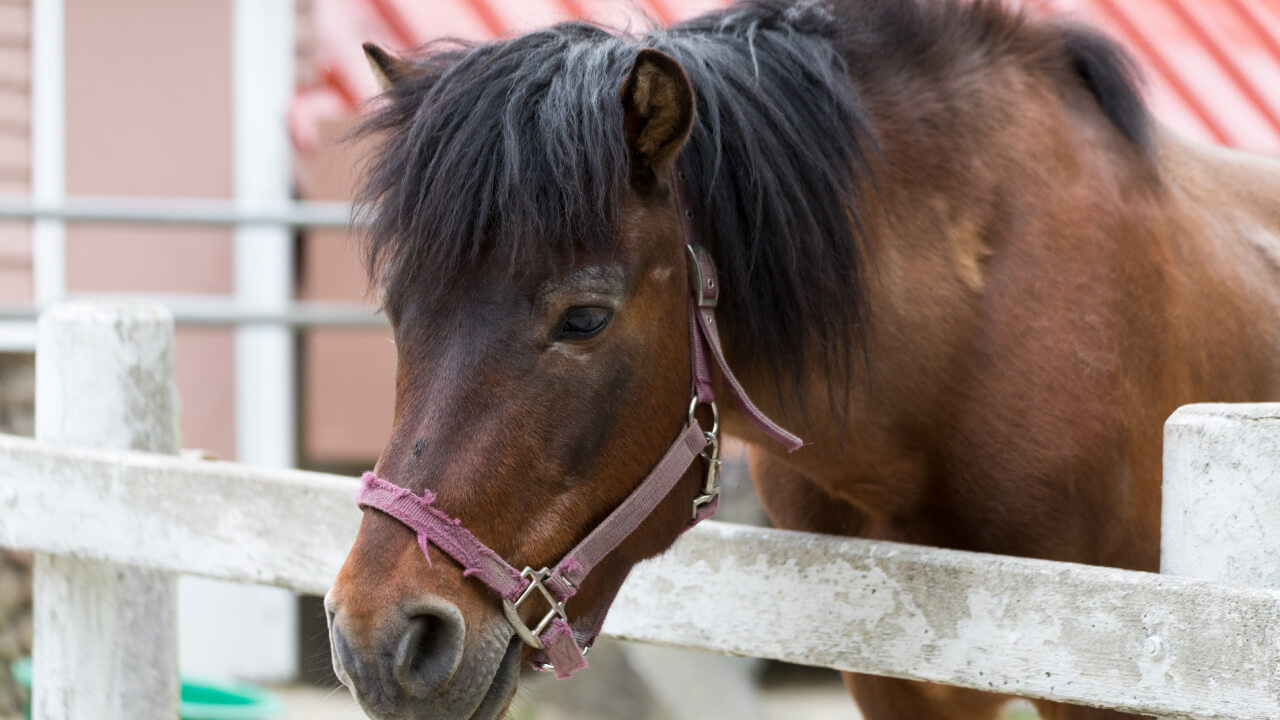
The main features of Waseuma are their small stature, approximately 130cm tall, making them easier to ride compared to larger breeds. Like the Japanese people, who tend to be smaller compared to Western populations, Waseuma are suitable for riders of all sizes.
Despite their small size, Waseuma are said to be sturdy, easy to handle, and capable of performing various tasks when trained. Their legs and necks are thick, and they have broad chests, giving them a robust physique. Small but powerful, they can showcase impressive speed and strength.
There are eight breeds of pure Japanese Waseuma: Hokkaido Waseuma, Kiso Uma, Misaki Uma, Taishu Uma, Noma Uma, Tokara Uma, Miyako Uma, and Yonaguni Uma. However, their numbers are decreasing, and they are considered critically endangered.
What is Japanese-Style Horsemanship?
Japanese-style horsemanship involves riding techniques specifically developed to maximize the potential of approximately 130cm tall Waseuma. Historically, riders in armor would ride these smaller horses, which was quite demanding.
This style aims to reduce the horse’s strain and conserve the rider’s energy while enabling maximum output—an approach that led to the development of Japanese horsemanship techniques like “Tate Saki”.
Basic riding involves “Sei Anori” (saddle riding) and “Tate Saki”, both of which are designed to avoid hindering the horse’s shoulder blades and back movement. The “Tate Saki” technique especially stabilizes the upper body, making it ideal for combat and high-speed riding.
Today, Japanese-style horsemanship is applied in various competitions and performances such as Yabusame, mounted martial arts, traditional Japanese horseback riding, long-distance riding, and riding arenas.
Discover the only Japanese university with a Japanese-style horsemanship club!

Japan’s age-old horse riding style, although less common today, is still taught at some riding clubs. Most university clubs now favor British or Western styles, and Japanese native horses are rarely seen in competitions.
However, Nagoya University is one of the few institutions that still actively practices Japanese-style horsemanship. Its club, composed of students and native Japanese horses, offers a unique opportunity to experience this historic riding style.
Unlike the Western riding clubs that mainly focus on thoroughbred riding, Nagoya’s club also explores Japan’s equestrian history. They study topics such as “horses,” “horse gear,” “martial arts,” and “horse-related Shinto rituals,” using books and learning about Japanese horsemanship and culture through scholarly resources.
Summary
While many horses are active in various riding sports, especially the prevalent thoroughbreds in horse racing and other events, traditional Japanese native horses and the Japanese horsemanship style are seldom seen outside specialized circles.
Most riding clubs nearby may offer British or Western style courses, but hybrid or Japanese-style horsemanship clubs are rare. However, Japan’s history with native horses shows a rich tradition of living and fighting alongside them, and the innovative techniques of Japanese horsemanship, developed specifically to suit these small but powerful horses, reflect this culture and wisdom.
For those interested in horses or riding, exploring Japanese-style horsemanship offers a fascinating opportunity to learn about Japan’s historical and cultural connection with horses. The current popularity of traditional videos involving women on horseback in a formal attire underscores the growing interest.
We hope this article sparks renewed curiosity about Japanese native horses and Japanese-style horsemanship, encouraging more people to discover and appreciate this unique aspect of equestrian culture.