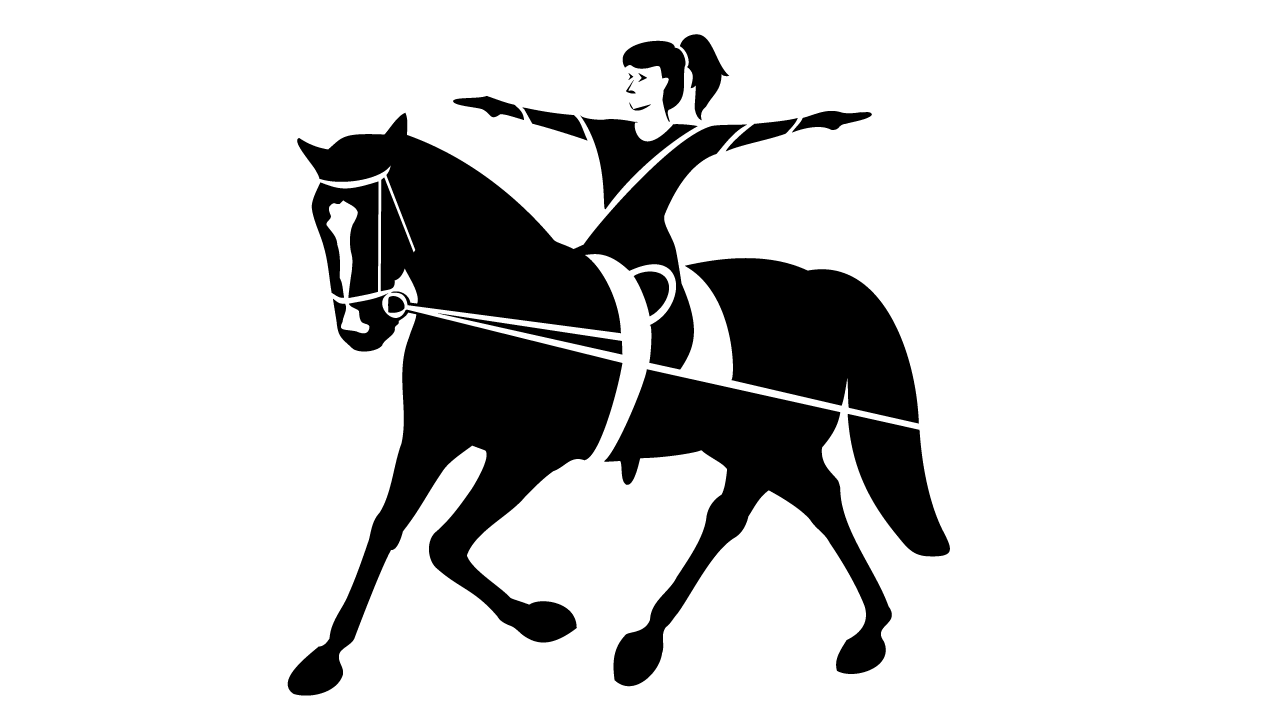
After you start riding horses for a while, you will likely have opportunities to do ‘horseback gymnastics’ as part of your lessons. Although the term might evoke scenes of acrobatics, what does it actually involve? In this article, we introduce the purpose, methods, and precautions of horseback gymnastics.
Purpose of Horseback Gymnastics
Building Balance and Core Strength
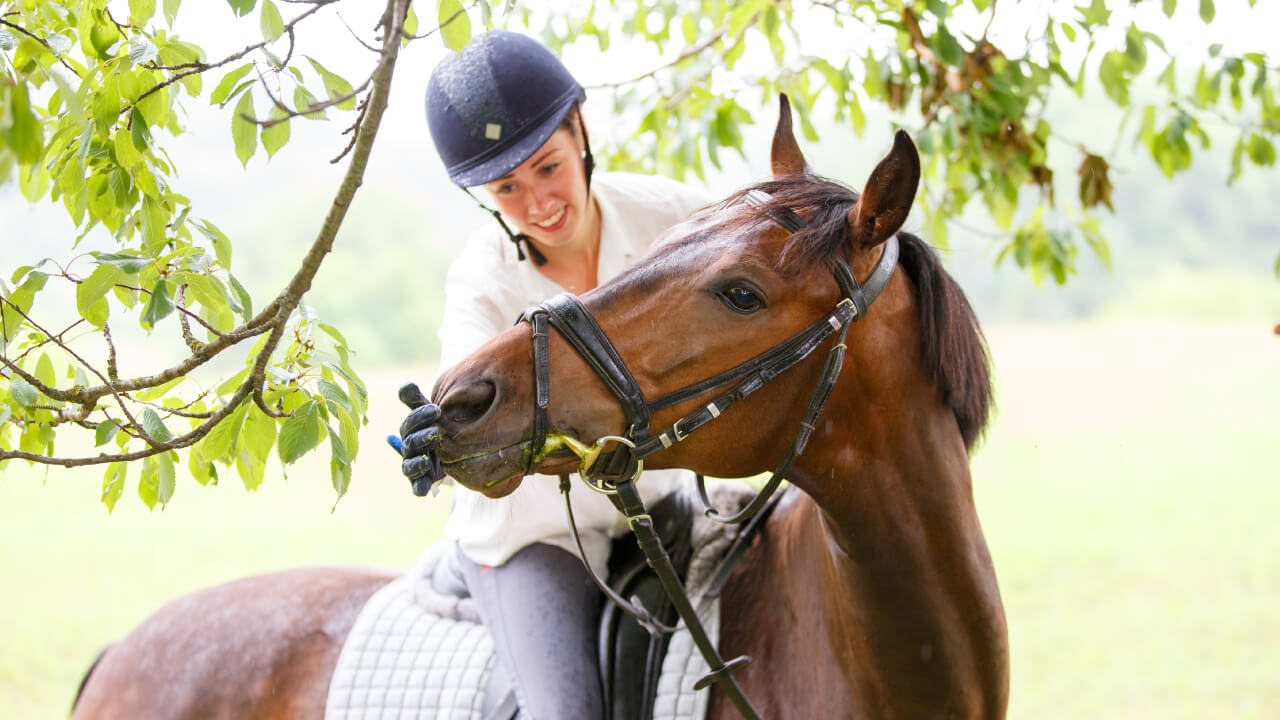
Performing various movements while riding helps strengthen the core muscles and also helps you learn the natural ‘movement of the horse.’ Additionally, since stirrups are removed during horseback gymnastics, you develop better balance and posture using your thighs and core instead of relying on your feet.
Even on a slow-moving horse, initially removing stirrups and changing posture can feel intimidating. However, once you get used to balancing in this way, riding and balancing in normal circumstances will feel much easier.
Improving Flexibility
Horseback gymnastics include many stretches, like reaching for your ankles or leaning back significantly, which involve flexibility in the hips and ankles. These improve posture stability and prevent injuries by maintaining soft, flexible joints. Regular stretching helps keep your body in top shape.
Relaxation for Both You and the Horse
Initially, many beginners may feel nervous about horseback gymnastics. However, practicing conscious relaxation can reduce anxiety during competitions and improve your overall experience. As you become more familiar with the horse’s movements, you will find it increasingly comfortable and natural to stretch and sway, which also helps the horse feel secure.
How to Perform Horseback Gymnastics
Start with Safety Checks
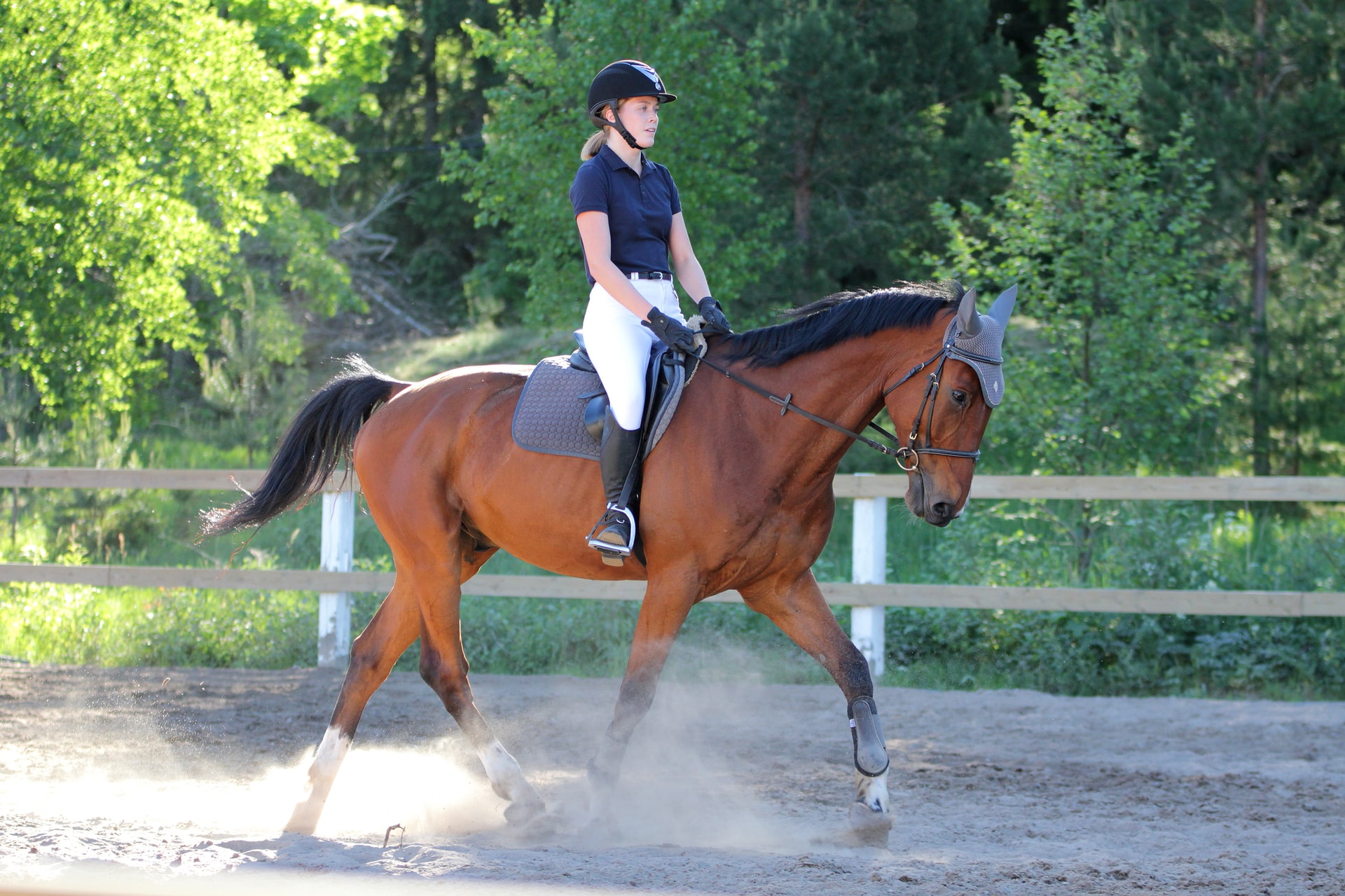
Horseback gymnastics requires an unstable posture compared to usual riding. Therefore, safety checks are especially important before starting. Ensure the area is free of obstacles and no other horses are nearby during your exercises.
Remove Stirrups & Loosen the Reins
Typically, horseback gymnastics are performed without stirrups. If necessary, you can lift the stirrups up onto the saddle to avoid swinging. Also, loosen the reins to allow the horse’s head to extend forward slightly, helping you maintain balance with your thighs and core instead of relying on your hands.
Beginners tend to rely on reins and stirrups when trying to balance, but adjusting to this posture will help you focus more on properly sitting in the saddle.
Once prepared, follow your instructor’s guidance to begin. As you gain confidence, try stretching within your comfort zone for more benefits.
Perform Exercises Slowly
While horseback gymnastics can be performed at a trot once you’re comfortable, it’s important to move slowly and relax, regardless of the gait. Start by gently swaying in walk, and if you’re nervous or unstable, pause until you get used to the movements. During initial practice, instructors may use side reins or other aids to help you maintain balance, so you can focus on your posture without worrying about controlling the horse.
As your stability improves, focus on consciously adjusting your hand and leg positions to further refine your balance.
Types of Horseback Gymnastics
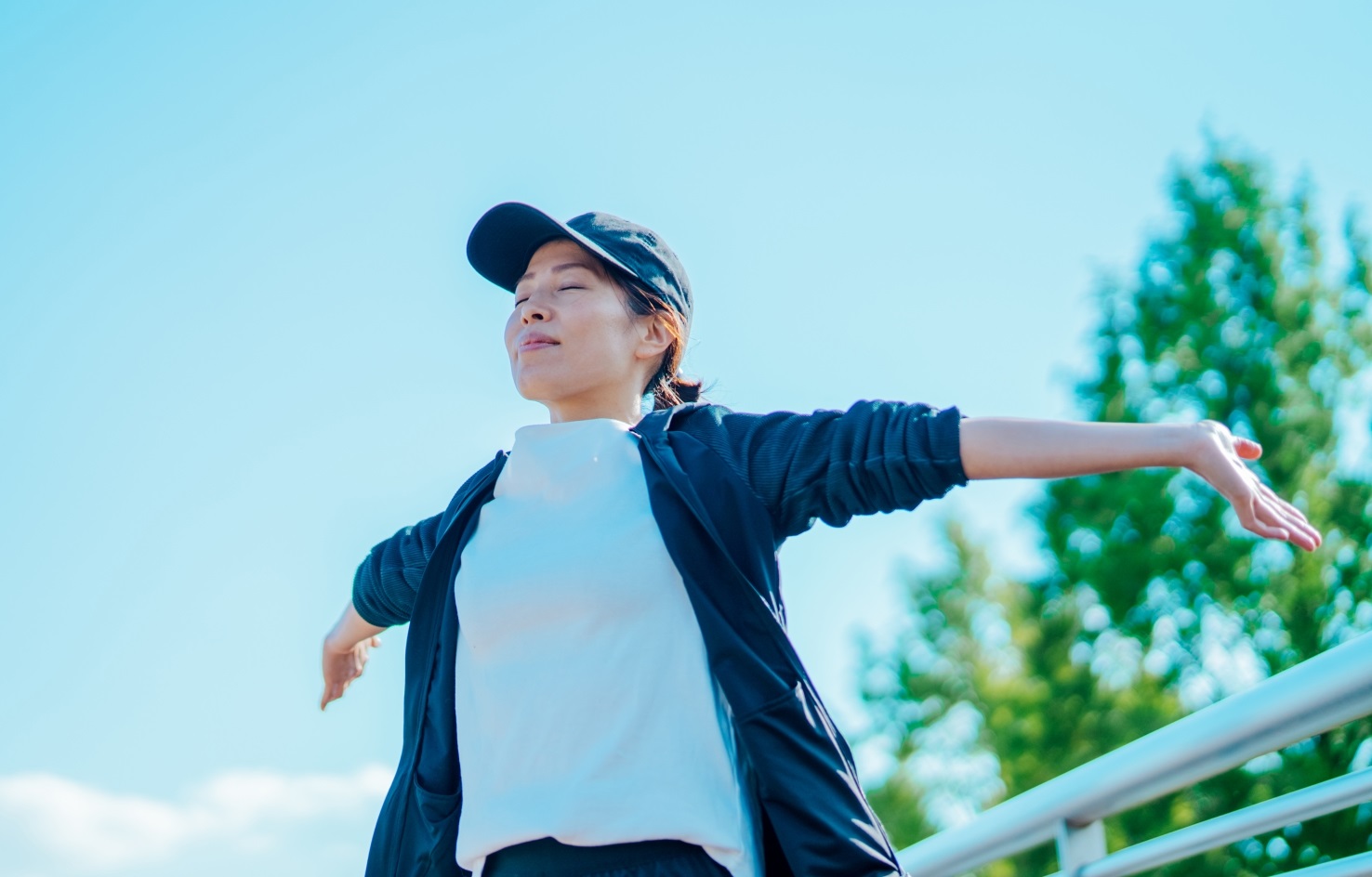
This section details specific movements in horseback gymnastics. If you find it difficult to perform on the horse, there are exercises you can do at home, so give them a try!
Arm Circles
While holding the reins with both hands, start by releasing one hand and making large circles with it. After a few laps, switch to the other hand in the same way. Finally, lift both hands from the reins and rotate. This movement helps loosen the shoulder blades and back muscles.
Many find that raising their hands high makes balancing more difficult because the center of gravity is higher. This realization underscores the importance of keeping fists lower to the body to help improve posture while riding.
Core Twists
After arm exercises, move your body more actively. Touch the horse’s neck or shoulder while praising it, using the opposite hand for each side. Be careful not to lean too far forward, especially without stirrups, to avoid losing balance. Then, twist your torso to touch the horse’s腰 and engage your abdominal and back muscles to rotate your core.
Turning your body while facing sideways may feel strange, but it’s a great way to train your core muscles and improve flexibility.
Lying Backward
Once comfortable, try lying backward on the horse. Keep your legs in the same position, and slowly lean your upper body back until your head touches the horse’s腰, feeling the movement. Although it might be a bit scary to lose sight of the front, the gentle movement of the horse can be quite relaxing. By becoming aware of the horse’s joint and back movements, you’ll better understand its motions.
Leg Lifts
Finally, for the leg exercises, bend your knees and hold your right ankle with your right hand. Pull your foot toward your buttocks to stretch the front and inner thigh muscles. Then, lift your thigh by raising your knee, focusing on stretching your hip and thigh muscles. Do this with each leg separately, and don’t overdo it initially to avoid muscle soreness.
Always stretch slowly and avoid forcing your joints. As your hips and ankles become more flexible, maintaining proper riding posture will also become easier.
Precautions for Horseback Gymnastics
Some people might think, ‘That looks enjoyable!’ while others might worry, ‘Is it safe to do such exercises on a moving horse?’
In most riding clubs, horseback gymnastics are conducted with safety as a priority, and exercises are performed slowly. The risk of falling is minimized, but since you won’t be wearing stirrups and will be moving your core extensively, maintaining balance can be more challenging than usual.
Therefore, the most important thing is to avoid pushing yourself too hard. Focus on regaining your balance if you feel unstable rather than continuing blindly. Also, if you experience discomfort or fatigue, stop and don’t push through. Even simple movements can cause muscle or joint injuries if performed improperly.
Horseback gymnastics offers many benefits, but safety must come first. Always practice under the guidance of an instructor to ensure a secure exercise.
Summary
Horseback gymnastics, which involves stretching and movement on a horse, may seem challenging at first but is an effective way to improve balance and flexibility essential for riding. It helps prevent injuries and enhances riding skills. We encourage everyone to take the chance, practice regularly, and enjoy the benefits!