
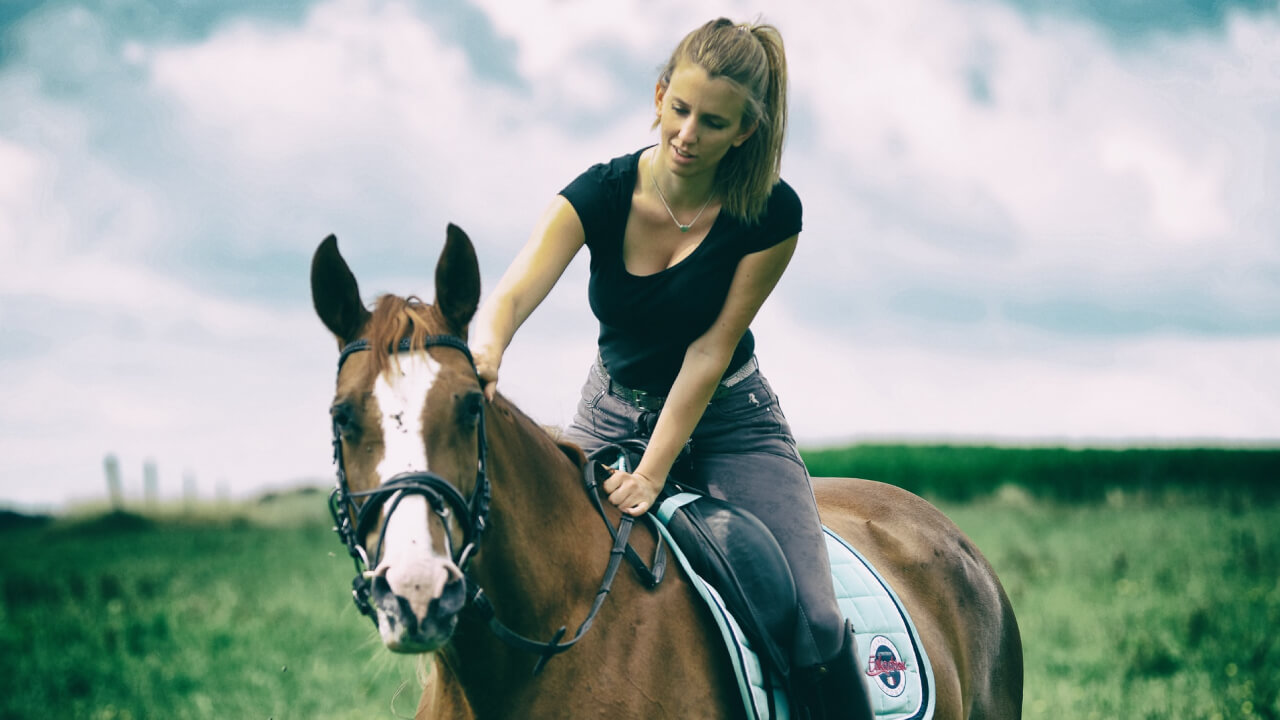
Are you worried about your horse not concentrating, or worried about losing the focus you’ve gained? Maintaining mutual concentration is crucial for safe and enjoyable horseback riding. This article introduces signs that indicate when a horse’s focus is waning, and effective methods to help regain it.
How Long Does a Horse’s Concentration Last?
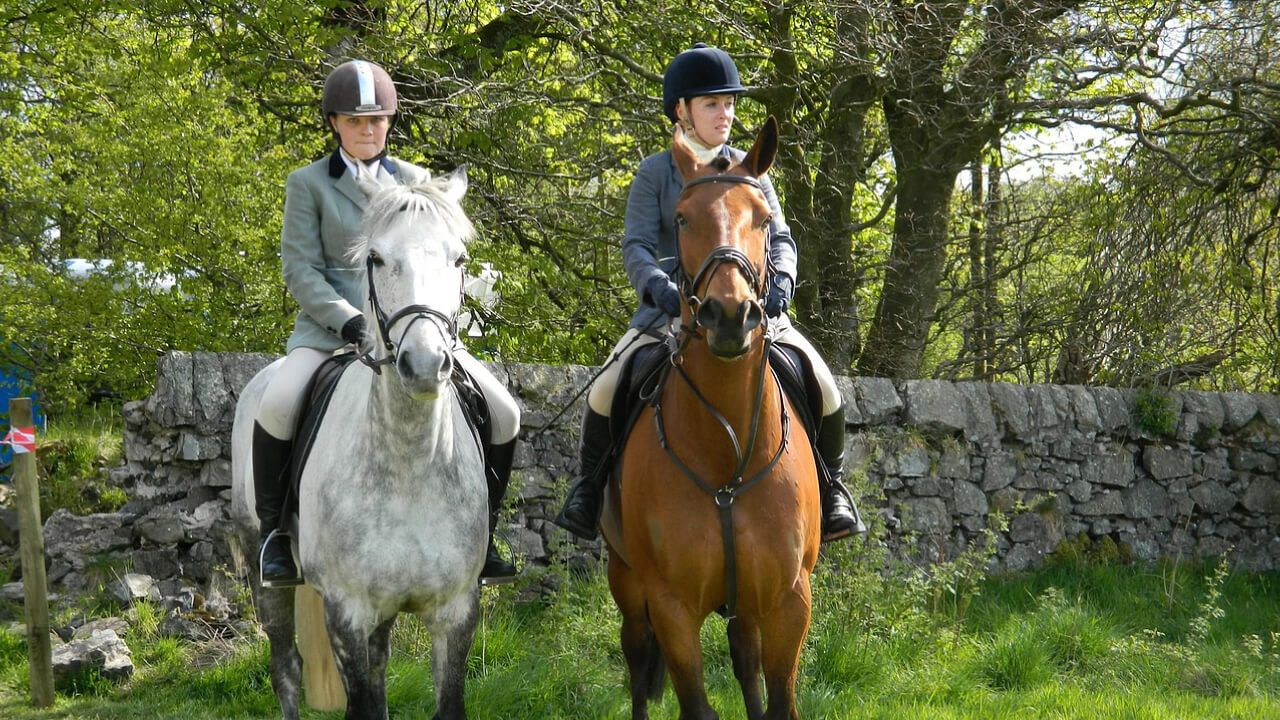
Have you ever felt that a horse’s concentration is waning during riding lessons? Human calls for effort or reminders don’t reach the horse. To ride safely and efficiently, understanding both human and horse concentration is essential. This article explains signs of waning focus and how to restore it.
Human Concentration
Everyone needs concentration in daily life—studying, work deadlines, or caring for children during nap time. Typically, human focus lasts about 50-90 minutes, but it doesn’t stay constant. After roughly 15 minutes of intense focus, concentration dips, then recovers in waves, often repeating 2-3 times. This cycle explains why classes are about 45 minutes long and why complex tasks need shorter, more focused periods.
Horse Concentration
Similar to humans, a horse’s focus lasts around 15 minutes. However, typical riding sessions last about 45 minutes, requiring horses to repeatedly focus in 15-minute intervals. During light exercise, a horse might relax after about 15 minutes, then refocus. Riders should be mindful of this pattern to maintain effective sessions. Developing awareness of when a horse is attentive or distracted is key.
Signs When a Horse Loses Concentration
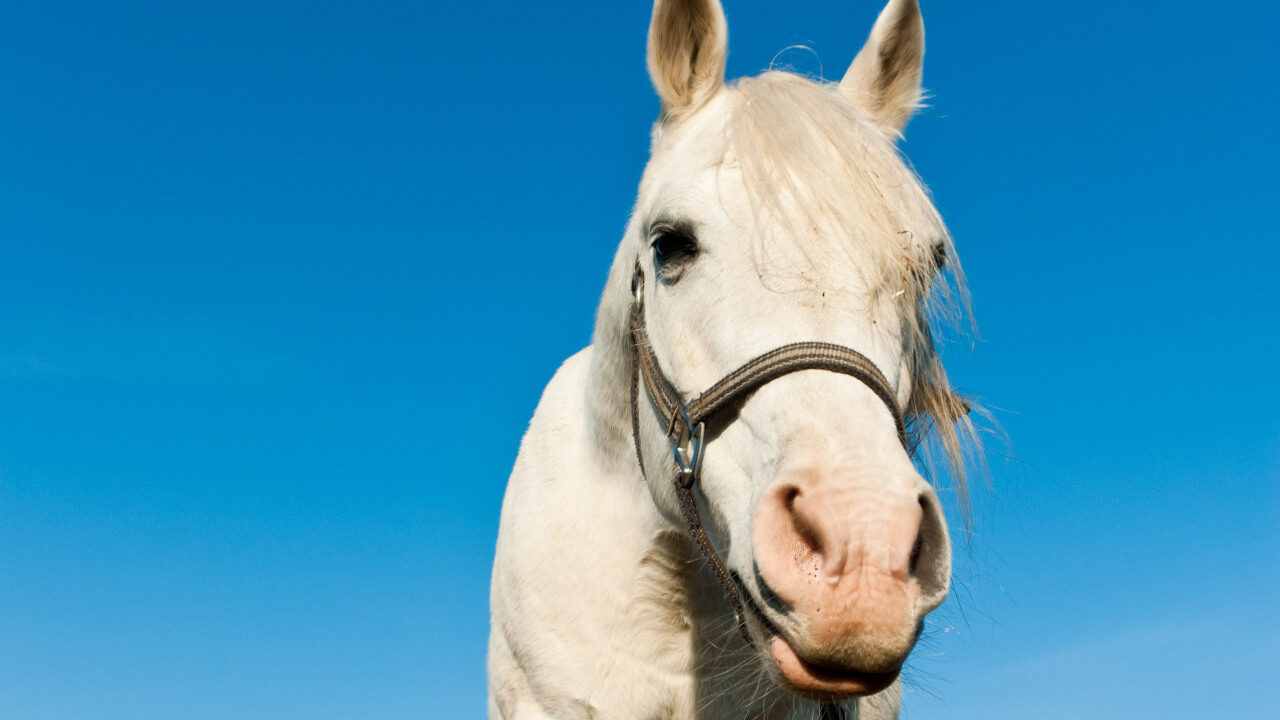
During riding, both humans and horses want a meaningful and fulfilling experience. Recognizing when a horse’s focus diminishes is crucial. Signs include ear movements, tail swishing, eye expressions, and nasal movements, which reflect their emotional state.
Causes of Distraction
Distraction can happen due to nervousness, sudden loud noises, or surprises, similar to human reactions like being startled or losing focus during stress. Recognizing these signs helps riders respond appropriately and maintain control.
Signs of Distraction
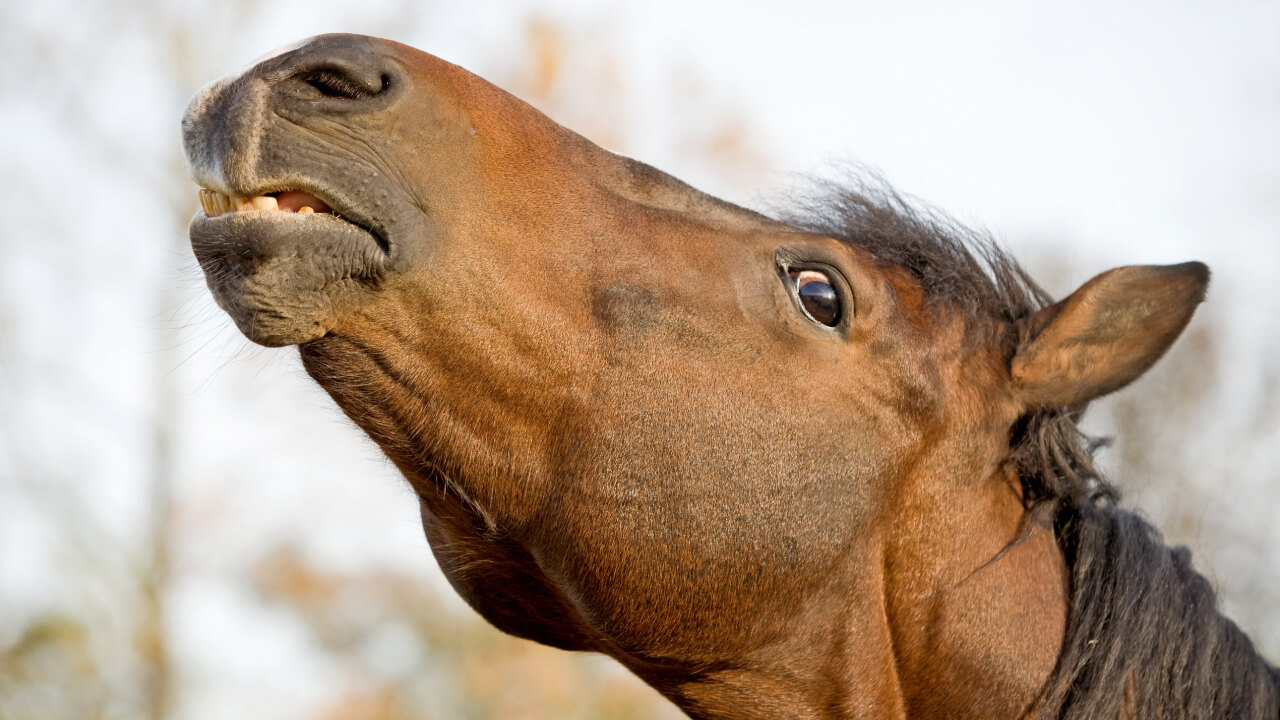
When distracted, a horse exhibits specific behaviors: ears flicking, eyes darting, open nostrils, or showing anger with a piercing gaze. Some may even attempt to bite. Understanding these signs helps prevent accidents and ensures safety for both rider and horse.
Why Is It Dangerous When a Horse Isn’t Focused?
When a horse is not focused, the rider faces danger, especially because the horse moves unpredictably. Horses are trained to follow commands, but when their focus drifts, control becomes difficult, increasing risk of accidents.
How to Regain Horse Focus
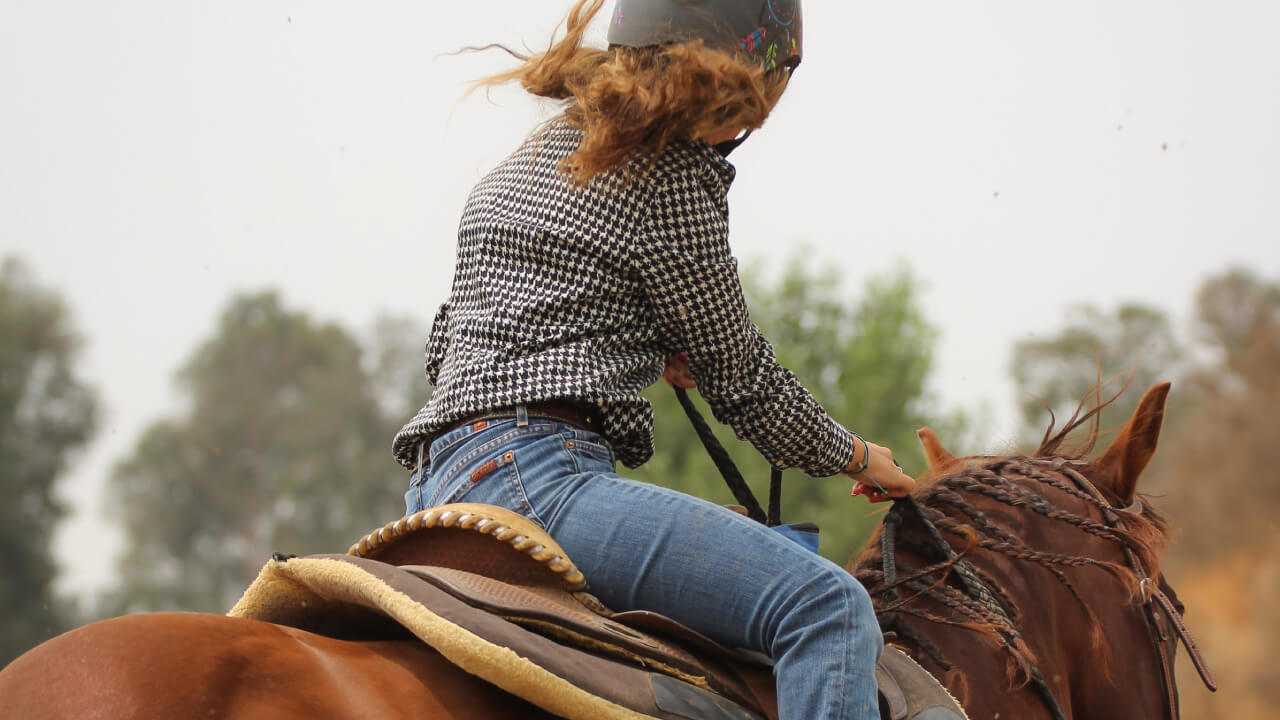
If a horse loses focus, it’s necessary to take steps to regain it. There are various methods, including signals and tools used in riding and equestrian sports. Recognizing signs and applying appropriate responses is key to safe riding.
How to Signal a Horse to Focus
Since typical riding lessons last about 45 minutes, but a horse’s focus lasts around 15 minutes, instructors usually create breaks with light exercises like walking or standing still. Some horses relax too much and start dozing; thus, awakening them gently is necessary, using signals such as gentle leg pressure or rein cues to regain attention.
Signals for Catching Attention
When a horse’s head drops, movement slows, or focus shifts, it might be losing concentration. Gentle cues like light leg aids or rein tugs remind the horse to stay aware of the rider and the lesson. Multiple signals may be needed depending on the situation.
Waking Up a Dozing Horse
If a horse is dozing, sudden commands can startle it. Instead, gently stimulating the horse with simple commands such as rein resets, forward movement, or head raises will be effective. Confirm each movement to ensure the horse is responding to the rider’s cues, not just moving out of reflex.
Tools to Prevent Distraction
Horses have 350-degree vision and rely heavily on sight and hearing, which can sometimes be a disadvantage during riding. To help maintain focus, equipment such as blinkers or masks that limit peripheral vision are used. These include blinkers (blinders) that restrict side view and masks (mecon) that cover the face and ears, reducing visual and auditory distractions.
Summary
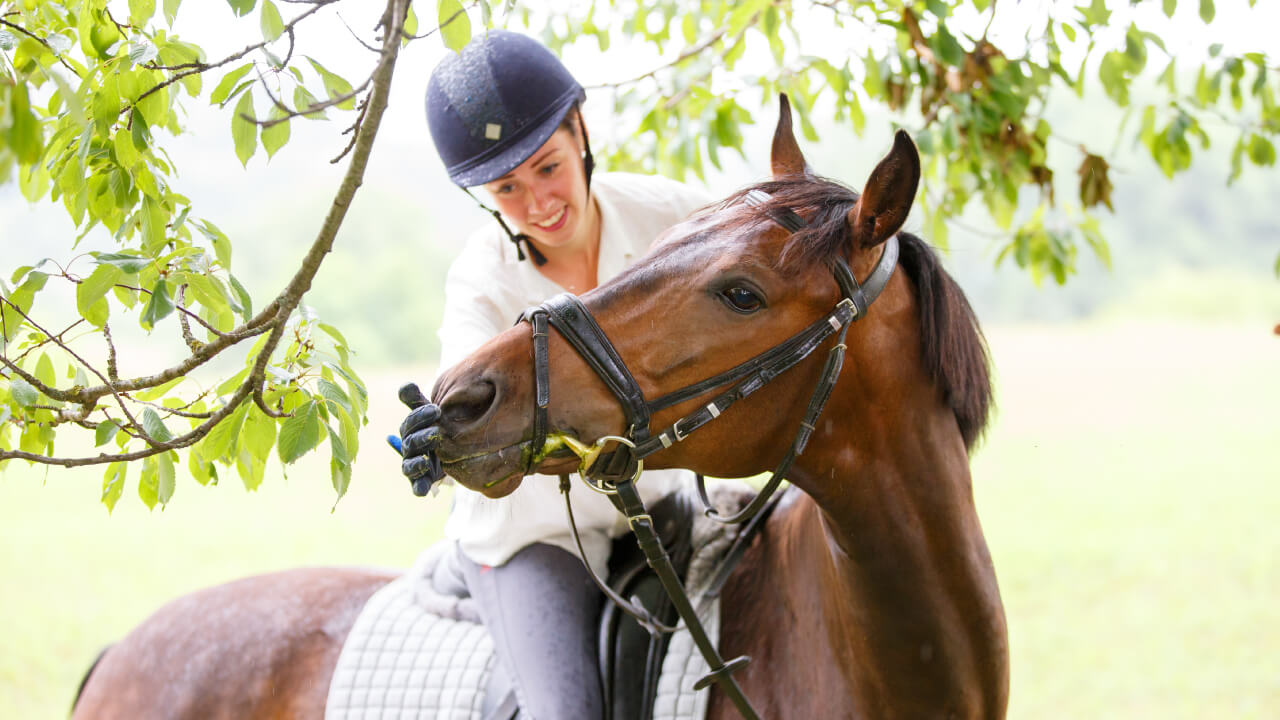
Horse concentration is vital not only for enjoyable and efficient lessons but also for safety. Recognizing signs of distraction and applying signals to regain focus are essential skills for riders. Adjust your responses based on the horse’s behavior, observing carefully to ensure a safe and successful riding experience.