
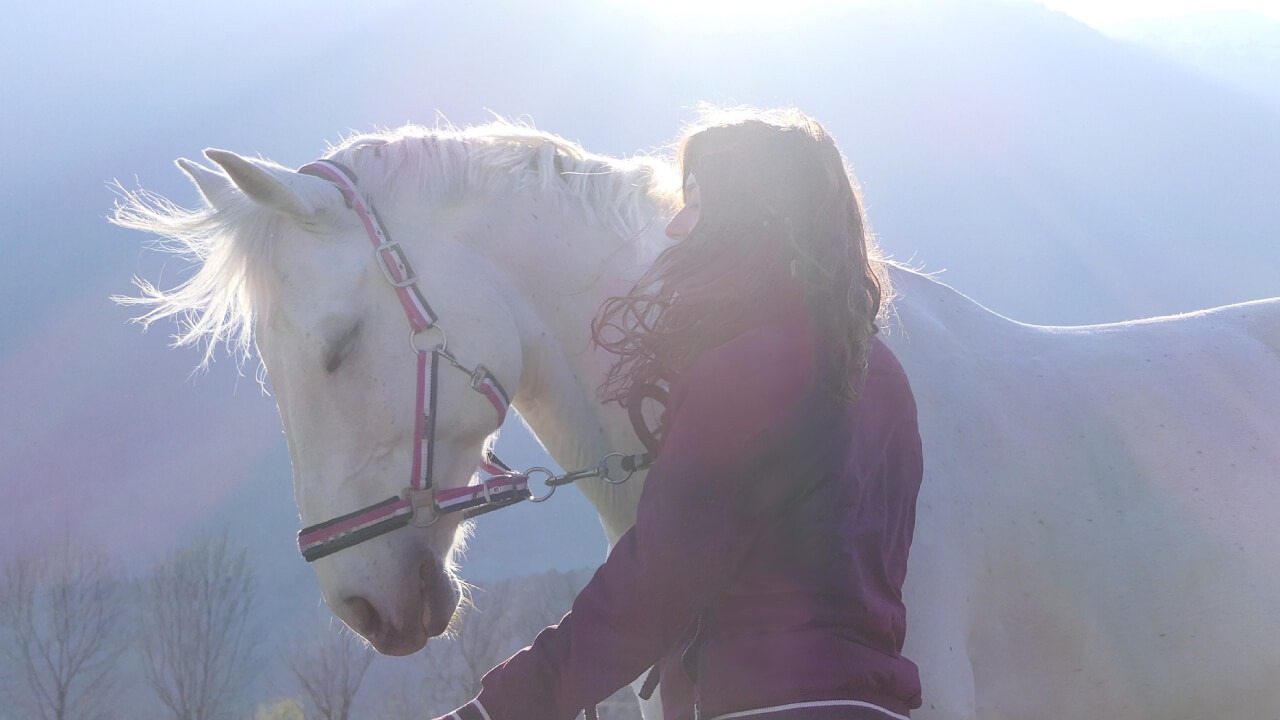
Many people love to touch horses whenever they want because they find them adorable, but some might feel a bit nervous about approaching horses… If you learn the right techniques, you can build better trust and bonding with horses! In this article, we’ll explain key points to keep in mind when touching horses, including what to avoid and how to make horses feel safe and happy.
Approaching from behind and standing behind horses is dangerous

Even if you don’t ride horses, you’ve probably heard someone say, ‘Don’t stand behind a horse.’ Let’s first understand why the rear of the horse is dangerous and what risks are involved for humans.
The area directly behind the horse is a blind spot
Horses have extremely wide vision, but directly behind them is a blind spot (area they can’t see). Also, they can see from the side of their hind legs, but it’s said that their perception is only somewhat better than a vague awareness of something being there compared to direct sight.
Even if there’s no ill intent, approaching from a direction that is hard for the horse to see can startle it. To avoid this, approach the horse slowly from an angle slightly in front and to the side where the horse can see you better.
Interestingly, approaching from a slight angle in front of the horse’s face is more visually recognizable and less stressful for horses than approaching directly from the front. It’s similar to how you might approach a horse in its stable.
Be cautious of the hind legs
From the above, you understand that approaching from behind can scare the horse. Horses are very timid animals, and if they sense fear or danger, they might become aggressive. Standing behind them is particularly risky because they might kick if startled.
The power of a horse’s hind legs is immense, and getting kicked can lead to serious accidents. To stay safe and keep the horse comfortable, it’s important to learn and practice the correct way to approach.
Wait until the horse notices you

The main reason you shouldn’t stand behind a horse is to prevent scaring or startling it. But when approaching from the front, are there any precautions?
Check if the horse is paying attention to you
When approaching a horse, first make sure that the horse is paying attention to you. As mentioned earlier, many horses notice humans from the front, but they can also be distracted by sounds, wind, or other things.
If the horse is focused on something, it will tilt its ears and face in your direction, showing that it is paying attention. If you see this behavior, it’s a sign that the horse recognizes and is interested in you. If there are no signs of distress or aggression, you can try approaching closer.
Signs of nervousness or aggression
If a horse shows signs of warning or hostility, what do they look like? Focus on the ears — when angry or threatening, they tend to flat back. Moreover, the horse’s mouth might open or make a face as a warning to stay away. If you see this, stop approaching immediately to avoid provoking the horse.
Understanding these small signals, such as ear position and facial expressions, helps you read the horse’s mood and avoid unpleasant situations. Being attentive to these signs is crucial so you don’t unintentionally upset or scare the horse.
Speak softly and approach gradually

When calling out to a horse, just like calling a friend, you shouldn’t yell or tap abruptly. It’s better to speak softly and gradually approach. The next step is about how to do that effectively.
Purpose of calling out
Earlier, we learned that recognizing the horse first is essential for both safety and trust. Sometimes, when entering a stable or grooming area, a horse might not notice your approach. Calling out softly before approaching helps the horse realize you are there and reduces surprise.
Approaching quietly with a calm voice shows consideration and makes the horse feel secure. What kind of voice is best? Horses are calmed by a slow, low voice. When approaching, speak gently and in a calm tone to help the horse relax.
High-pitched or loud voices should be avoided as they can increase anxiety. Many people greet their horses by calling their names or saying hello, which helps build a friendly relationship.
Start by gently stroking the neck with your whole palm

Neck areas are safe zones
Horses have preferred spots for touch — some places they dislike, others they enjoy. For example, many horses dislike being touched on the abdomen, but tend to appreciate gentle stroking on the sides of the neck or near the hips.
Since the neck and hips are areas horses can’t reach themselves, they tend to feel good when these spots are cared for. Gentle petting and calm words in these areas help make horses comfortable and trusting.
When touching horses, use a gentle, full-hand stroke on the neck or say reassuring words like ‘Good boy’. Such touches create a positive experience and foster trust.
Touch with the whole palm for comfort
At first, approaching a horse can feel a little intimidating, and many people tend to touch with their fingertips. But imagine how you’d feel if someone gently tapped your arm with their palm versus poking with their finger — which would you prefer? Horses are the same; they dislike tense or abrupt touches.
To avoid stressing the horse, use your entire palm to calmly and gently touch. This approach will make the horse feel more at ease and less tense. With a gentle touch, most horses will respond without becoming aggressive.
Summary
When touching a horse, always check if it is relaxed and proceed gradually: approach, speak softly, and then touch. Once you get your horse accustomed to your gentle approach, try to discover the specific spots where your horse enjoys being touched!