
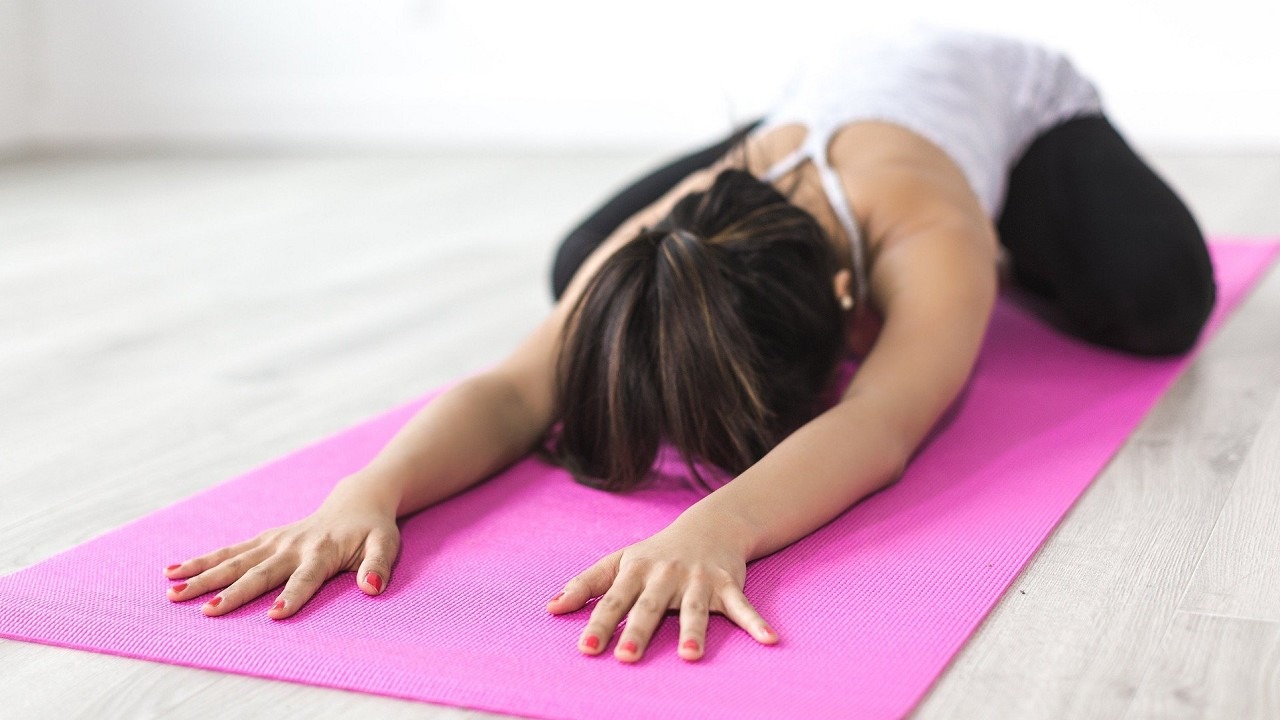
Have you been doing a cool-down after your horseback riding lessons? After removing tack, caring for the horses, and cleaning the equipment, it’s easy to forget to take care of yourself. While warm-up exercises are important before riding, cooling down is just as vital, especially after intense riding sessions. So, what are the best ways to cool down?
In this article, we introduce effective stretches to perform after riding to help you relax and recover.
Purpose and Benefits of Cooling Down

Stretching before riding warms up the body and prepares it for exercise, reducing injury risk and improving performance. Conversely, post-riding stretches help in fatigue recovery and calming heightened nerves. Riding involves more activity than you might realize; regardless of fitness level, fatigue, elevated heart rate, and heightened excitement are common after riding. Failing to cool down can cause dizziness or lightheadedness, so it’s important to stabilize your breathing and heart rate before moving on.
Intense exercise can cause lactic acid buildup, leading to muscle fatigue and soreness. Cooling down promotes the removal of waste products like lactic acid, aiding recovery.
What Is Static Stretching?

Cooling down can be done through various methods, like slow jogging or walking to calm your breath and body. However, after intense exercise, these might not be the best options. Instead, static stretching, which involves gently stretching muscles while maintaining steady breathing, is highly recommended for post-ride recovery.
Static stretching is simple to perform and suitable for all ages and fitness levels. It helps relax muscles and calm the mind, making it both effective and relaxing.
Even short sessions are beneficial—perform stretches comfortably and slowly, adjusting intensity as needed.
Upper Body Static Stretches

The following stretches are recommended after riding. First, shoulder and shoulder blade area stretches:
1. Shoulder stretch: Sit upright, gently place your right hand near your left ear, inhale deeply, and gently tilt your head to the right while exhaling. Hold for 30–40 seconds, feeling the stretch in your neck. Return to the starting position while breathing smoothly, then repeat on the other side. You can alter the tilt to target different muscle areas—tilting diagonally forward to stretch the neck or pulling the chin in to stretch the back. Adjust according to your fatigue and tension.
2. Shoulder blade stretch: Sit upright, join both elbows and hands at the front of your face, then lift and lower them twice, followed by opening your arms wide while pulling your shoulder blades together. Maintain steady breathing.
3. Back and lower back stretch: Get on all fours, with hands under shoulders and knees under hips. Inhale, tuck your chin and round your back, then exhale and arch your back, sticking out your hips. This cat stretch relaxes muscles along your back and hips.
Performing these upper body stretches after intense riding helps relieve impact-related fatigue and reduce soreness, especially if done after a bath or during free time.
Lower Body Static Stretches

Next, we introduce static stretches effective for the lower body, particularly targeting the hips, hamstrings, calves, and legs, which often become sore or fatigued after riding.
1. Hip stretch: Kneel on the floor with your left knee, slowly shift your weight onto your right foot, feeling the stretch in your left thigh. Return slowly to the starting position while inhaling, then shift your weight onto your left foot to stretch your right thigh. Use a towel if kneeling is uncomfortable.
2. Calf stretch: Get on all fours, inhale to lift your hips, then exhale and push your hips back, forming a triangle shape with your body. Maintain a comfortable stretch, whether your heels touch the floor or stay elevated.
These stretches target key areas used during riding and aid in relieving fatigue and pain. Improving flexibility in the hips can also enhance your riding movements.
Summary
How was that? While warm-up exercises are common, fewer people focus on cooling down. Considering the physical strain, cooling down is highly recommended. Horseback riding involves more activity than many realize, and abruptly stopping after intense exercise can strain your body.
Incorporating cooldown stretches reduces fatigue and soreness. If you can’t do it immediately after your lesson, do it later at home to relax your muscles. Static stretching is calming and can be a moment of relaxation.