
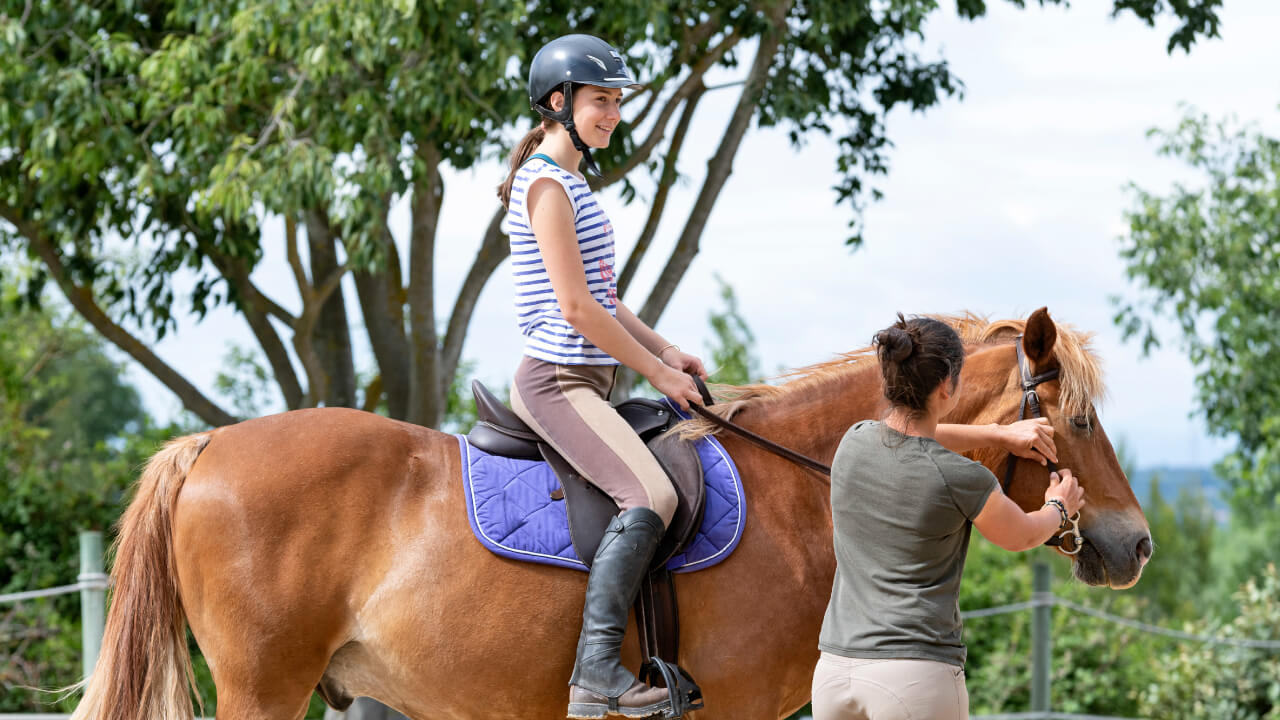
Spring has its seasonal charm, but summer is just around the corner in Japan, where warm weather invites fun activities like beach trips and fireworks festivals. However, intense heat can also lead to health issues such as heat exhaustion and sunburn, sometimes requiring hospital visits.
Many people experience horseback riding during summer—whether exploring scenic spots or taking extra lessons at riding clubs during the holidays. To help you enjoy riding safely and comfortably in hot weather, here are some tips on summer horse riding fashion.
Protect Yourself from Sunburn and Heat
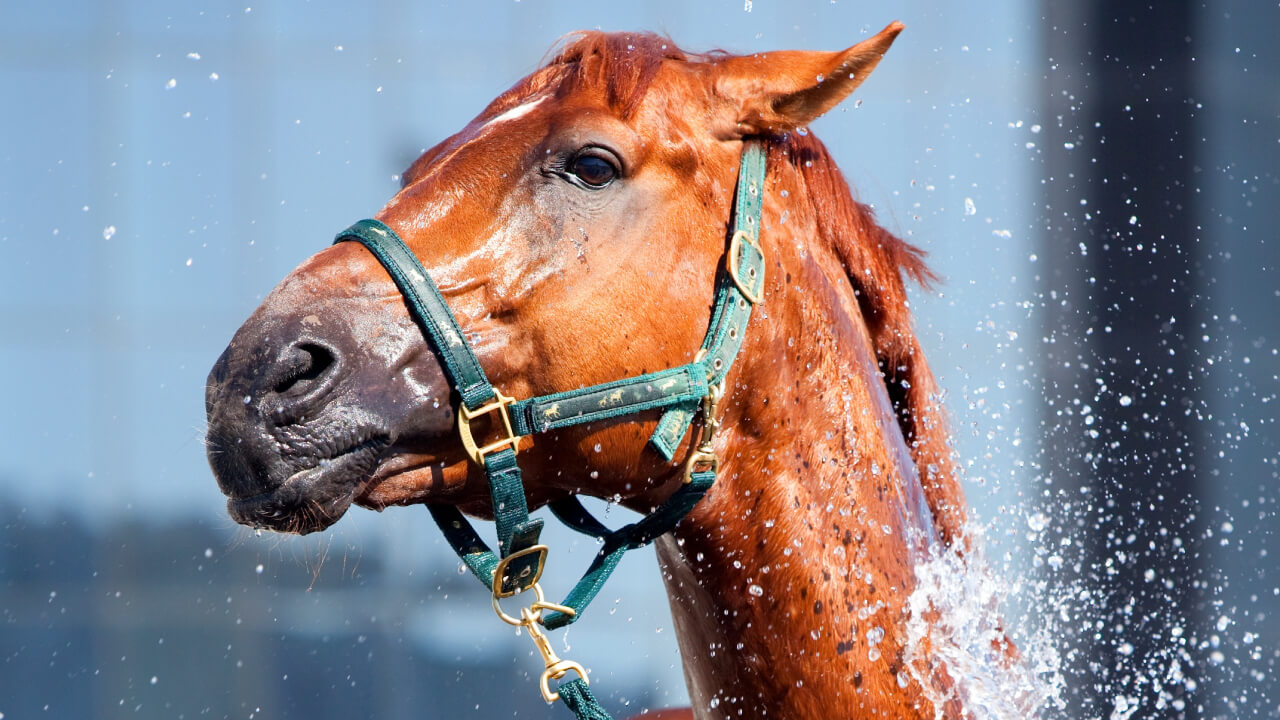
Horseback riding may look like a refreshing and elegant sport, but it utilizes the whole body’s effort. During summer, this means increased sweating and fatigue, which can dehydrate and overheat the rider. Also, due to the focus required, riders often overlook their physical condition. To fully enjoy riding in summer, it’s essential to take sunburn and heat exhaustion precautions.
Why Sun Protection and Heat Countermeasures Matter
If you neglect sun protection and heat measures, you risk skin damage, exhaustion, and even heatstroke, which can be life-threatening. Therefore, it’s crucial to stay vigilant.
More Than Just During Riding
Don’t think that precautions are only necessary during riding or horse grooming. Heatstroke risks also exist before getting on the horse—while preparing the gear—or after riding, when you’re exhausted or in the heat. Hydration may be forgotten, especially when concentrating or caring for the horse. Sometimes, even initial symptoms of heatstroke go unnoticed.
If you feel unwell during riding, grooming, or transportation, alert someone nearby immediately. Ignoring symptoms or trying to tough it out can lead to sudden collapse, endangering both yourself and the horse. Also, be mindful that heatstroke can occur at home or during travel to the riding club, as hydration issues can arise while packing or after transportation due to fatigue and heat exposure.
To prevent such incidents, this article provides practical tips and measures you can take before, during, and after riding.
Practical Measures Against Sun and Heat
During summer, hydration and salt intake are key. Use sports drinks, oral rehydration solutions, salt candies, or salty snacks to replenish lost fluids and salts. Since energy expenditure increases in the heat, consider nutrient supplements or energy gels if appetite drops. Wearing summer-appropriate clothes, applying sunscreen, and using protective accessories can further enhance your sun protection and heat countermeasures.
Choosing Breathable and Cooling Wear
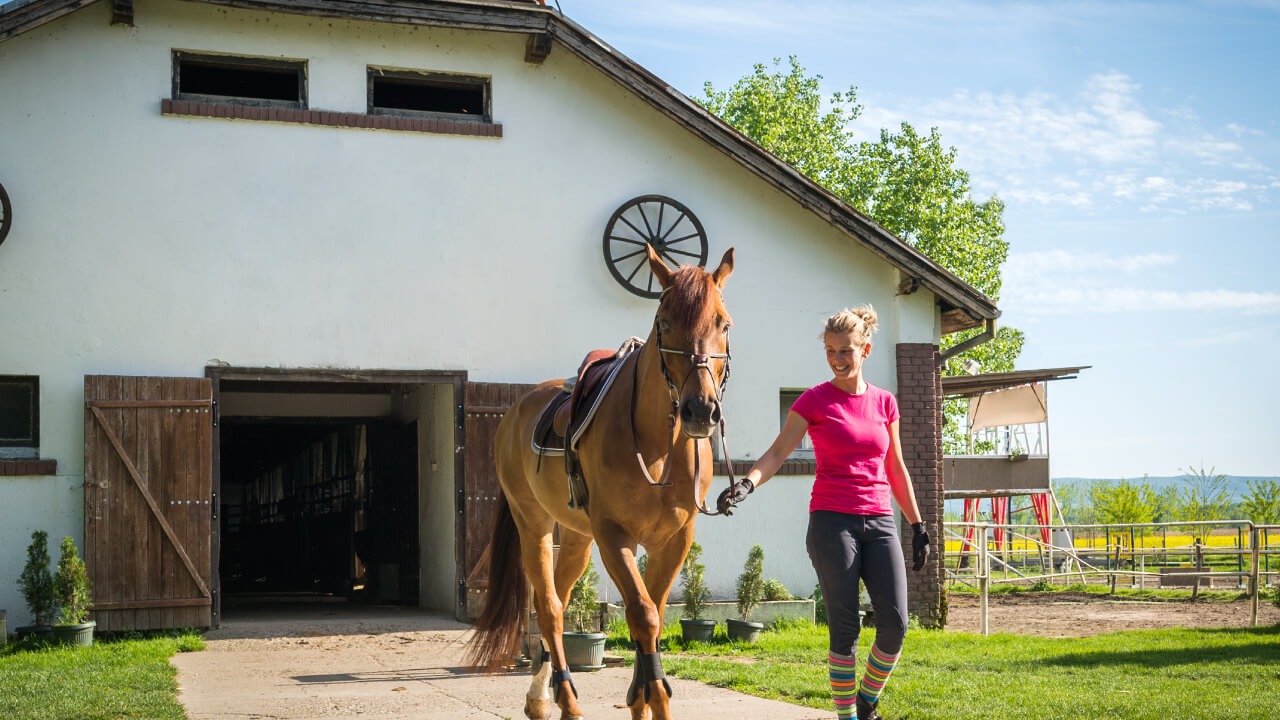
For hot summer days, it’s recommended to wear clothing designed for heat that features UV protection, breathability, moisture-wicking (quick-drying), and contact cooling functions. These features are ideal for preventing heat illness and keeping comfortable during riding.
Moisture-Wicking and Quick-Drying
Commonly seen in sportswear, outdoor gear, bedding, and pajamas, moisture-wicking fabric absorbs sweat quickly and dries swiftly, combining “moisture absorption” and “fast drying” functions. Wearing such clothes prevents discomfort and chills caused by long-lasting dampness, helping you stay comfortable and dry after washing. This is especially effective during riding, preventing skin irritation from sweat and heat buildup.
Contact Cooling Effect
This feature cools the skin by quickly drawing heat away when the skin touches the fabric. It’s very effective against heat, used in underwear, shirts, jacket linings, bedding, and masks. During summer, garments with contact-cooling functions are highly recommended for comfort.
Recommended Helmets and Gloves for Hot Days
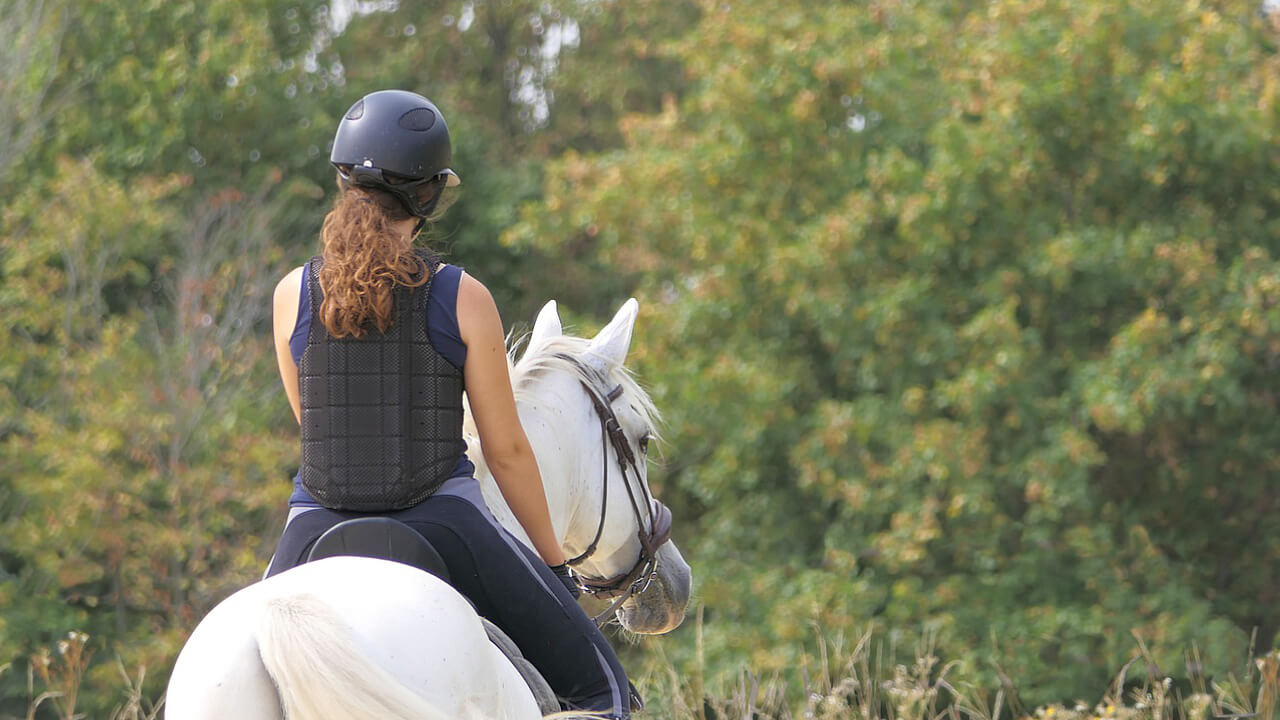
Besides clothing, helmets and gloves are also essential for riding. In hot weather, these can become uncomfortable due to sweating. Luckily, recent helmet and glove designs have improved to address these issues.
Helmets
Sports riding helmets often feature ventilation holes to prevent overheating, as the head also sweats during riding. Since helmets cannot be removed during riding, choosing ones with good breathability is advisable. Some models have removable inner linings that can be washed, maintaining hygiene and comfort. There are also helmet visors that provide UV protection for the face and neck; these are lightweight and easy to attach, effectively shielding against the sun.
Gloves
Gloves are essential for hand protection but can become sticky and uncomfortable due to sweating. Summer gloves with good breathability, cooling features, and UV protection are available. They help prevent sunburn and keep hands comfortable during riding.
Enhance Short-Sleeve Outfits with Inner Layers or Arm Covers

Wearing short sleeves is common in summer, but consider layering with long-sleeve inner shirts or arm covers for better sun protection and heat regulation. It’s important to choose the right fabric—an inner shirt that protects from sun and sweat while preventing overheating, or arm covers that are UV-protective, breathable, and cool to the touch. These accessories not only enhance protection from the sun and heat but are also versatile for outdoor activities, driving, or casual outings.
Summary
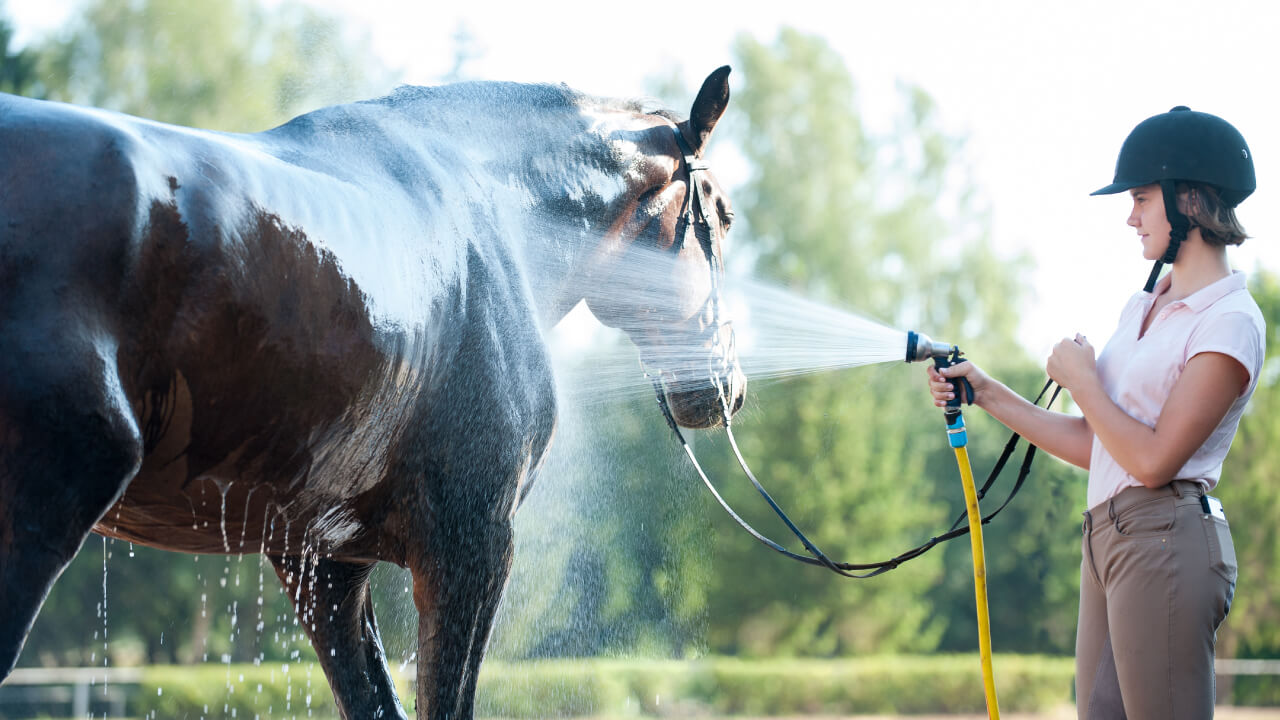
Horse riding in summer may look like a sporty, refreshing activity, but it involves full-body effort that leads to sweating and fatigue. This is especially true in hot weather, where sunburn and heat exhaustion are risks. To enjoy riding safely and comfortably, select appropriate summer gear, helmets, and gloves. Remember to stay hydrated and manage your health proactively. If you notice any signs of discomfort, seek help immediately to prevent serious issues. Also, be attentive to your horse’s well-being, following instructions for heat protection, as horses are vulnerable to heatstroke too. Proper precautions ensure a fun and safe summer riding experience.