
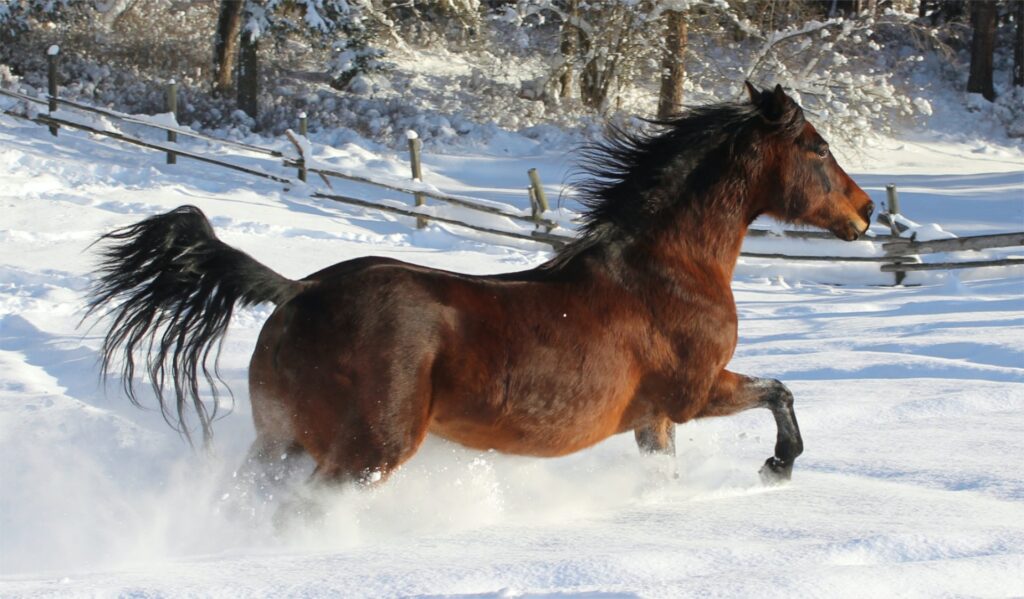
Since you’re spending time with horses, you can’t always expect to see a calm horse. Sometimes, even typically gentle horses can suddenly become frenzied. Can you stay calm and face the horse in such moments?
If you have some riding experience and are familiar with handling horses, you might be able to act quickly to calm the animal. Here, we introduce the causes of horses rearing and how to respond effectively. Remember these tips so you can stay composed when it matters most.
Causes of Horses Rearing

Just as people can get irritated or panic for various reasons, horses can also become upset and run wild for different causes. Common reasons include improper training, frustration with the rider, and anxiety over unexpected events.
‘Impatience due to inadequate training’ is common because not all horses at riding clubs are trained primarily for riding. Some horses have competed as racehorses before. They are often retrained for riding purposes. Young horses encountering training for the first time at a riding club can also be prone to misbehavior. Inexperienced or poorly trained horses may act out during lessons and rear.
‘Frustration with the rider’ is more likely when the rider’s skills are still developing. Beginners are primarily practicing foot position and rein control, but for sensitive horses, inconsistent leg or rein pressure can be stressful, leading to rearing as the stress accumulates.
‘Anxiety over unexpected events’ relates to the horse’s naturally nervous temperament. Large noises or sudden gusts of wind can startle and stress the horse, causing it to panic and rear. While riders can’t always prevent these surprises, understanding the horse’s instincts and knowing how to respond can help keep the situation under control.
Avoid Raising Your Voice

For riders on larger horses, a rearing horse can be quite frightening, especially for those new to riding or with no prior experience of such incidents. Many people instinctively shout ‘Whoa!’ or scream in panic.
It’s understandable to feel overwhelmed and shout when a horse suddenly rears, but shouting can actually escalate the situation. Horses are naturally timid and react negatively to loud noises or sudden shouts—these can startle the animal further and make rearing worse. Try to suppress the urge to yell.
Instead, calming words in a gentle, low voice like ‘Easy now’ or ‘Take it easy’ can help soothe the horse and prevent further escalation.
Lightly Pull the Reins Alternately

When a horse rears, its power is directed forward as it tries to escape. Usually, you try to hold it back by pulling the reins, but a more effective way to reduce its momentum is to gently pull the reins alternately from side to side.
Keep the reins taut and engaged in a bit, then gently pull side to side, making the horse shake its head left and right. This technique helps to gradually subdue the horse’s momentum. Once the horse’s energy decreases, you can then use the reins to slow down and stop the horse smoothly.
Perform Circling or Lateral Turns
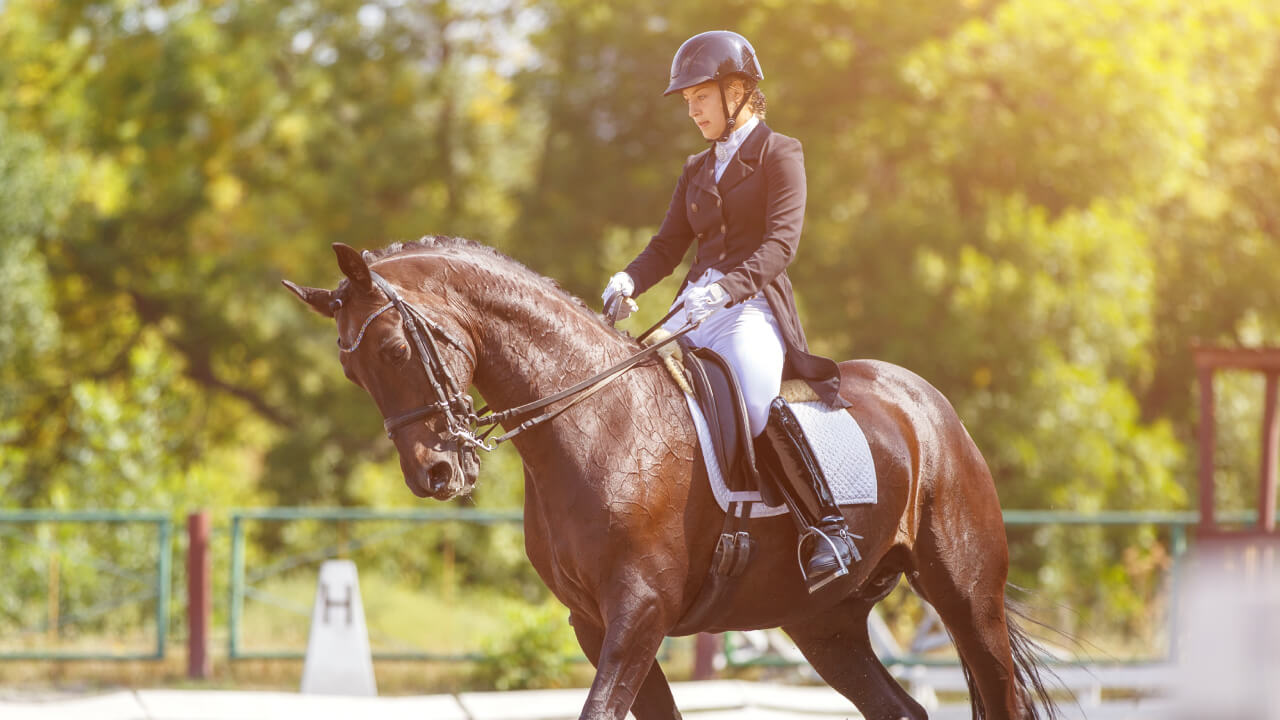
A horse’s mind in a rearing state is likely focused on escaping and moving forward. Running straight can lead to accelerating further.
When a horse runs at full speed, it becomes difficult for the rider to maintain balance. Think of jockeys in horse racing for a better understanding.
To curb the horse’s acceleration, the best approach is to induce it to turn. Any horse, even the most balanced, slows down on a curve. Guide the horse into circling or lateral turns to slow it down and prevent further rearing.
Summary
How was it?
Riding is a sport that involves joy with a horse that has its own will. Just like humans, horses can have mood swings on any given day, and they don’t always cooperate happily.
The way the rider handles the horse can either trigger panic or escalate aggression. These moments are unpredictable. If you don’t respond correctly when a horse rears, it could cause a fall or serious injury.
Understanding the horse’s behavior, observing its state, and knowing how to respond to rearing are essential. Be prepared and keep these tips in mind to handle sudden rearing incidents calmly and safely.