
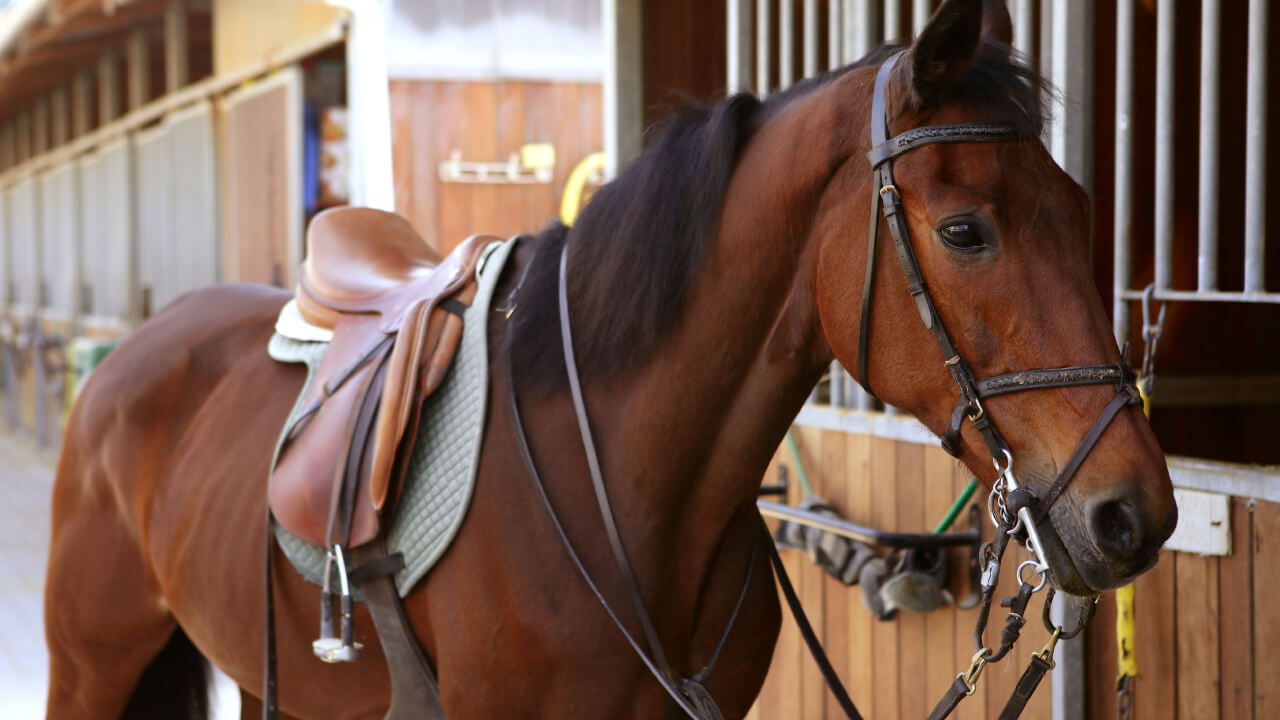
For those who have settled into raising their children or retired from their jobs, the next phase of life often becomes a leisurely time to enjoy recreation. Many people look forward to traveling, engaging in hobbies, or pondering what new experiences to try, feeling excited about the future.
Some may love physical activity and consider starting a sport. Today, a variety of sports clubs are popular and attract many members.
Indoor exercise is freely accessible and enjoyable, with programs like aerobics, dance, and swimming offering fun options. However, exercising outdoors, breathing fresh air and soaking up sunlight, provides a different and invigorating experience. While sports like running are also viable for seniors, here we recommend horseback riding.
Horseback riding, which allows aerobic exercise while relaxing with adorable horses, is excellent for maintaining health and aiding weight loss. If you’re hesitant or anxious about starting horseback riding as a senior, I encourage you to read on for helpful insights.
Average Age of Horseback Riders
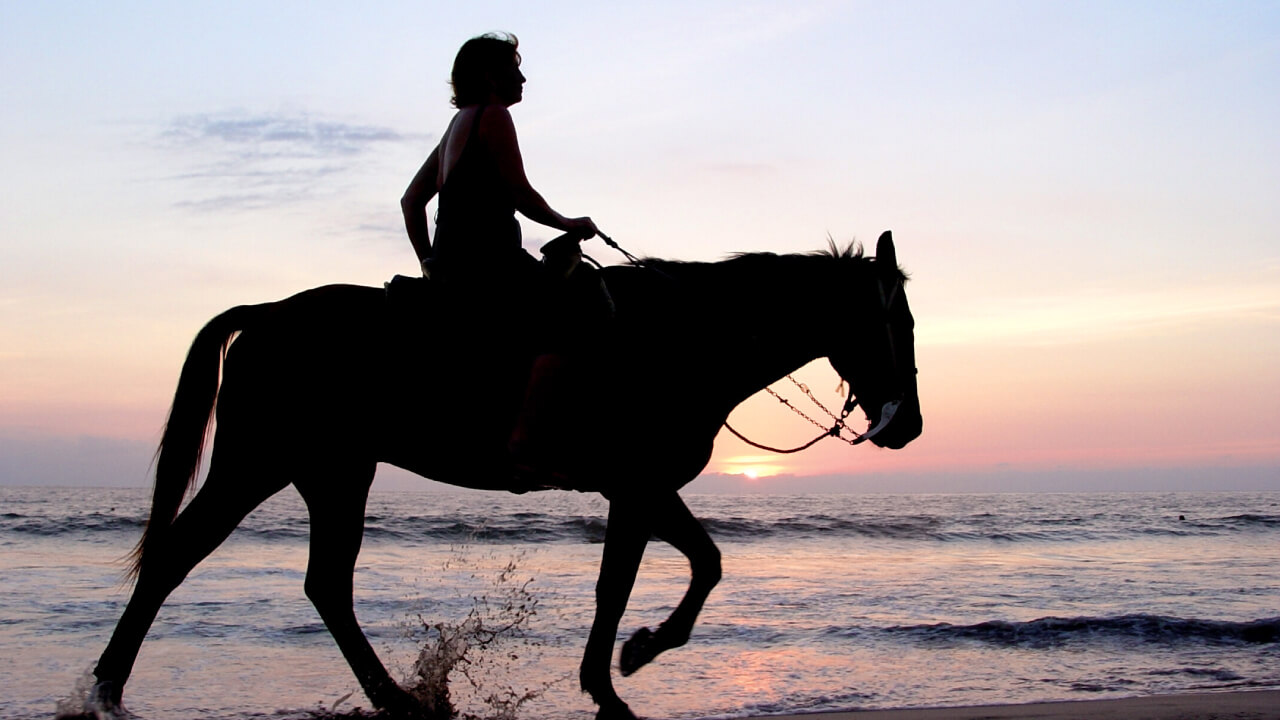
The average age of members taking lessons at riding clubs varies depending on the club, so it’s hard to specify an exact age. However, some clubs report an average age of around 70, which illustrates that horseback riding is accessible regardless of age.
Have you seen Olympic or competition athletes and their ages? For example, at the Tokyo 2020 Olympics, many athletes in their 30s and 40s represented Japan. Paralympians, mostly in their 20s, include some in their 60s as well.
It’s recent news that a 71-year-old athlete competed in the Olympics, demonstrating that sports like horseback riding offer opportunities for participation at any age, unlike many sports dominated by younger athletes.
Horseback riding, which requires balancing on a horse, trains internal muscles and provides aerobic benefits, making it a very healthy sport. Unlike running or jumping sports, it can be continued regardless of age, potentially making it a sport with no real retirement age.
Choosing a Riding Club Welcoming to Seniors
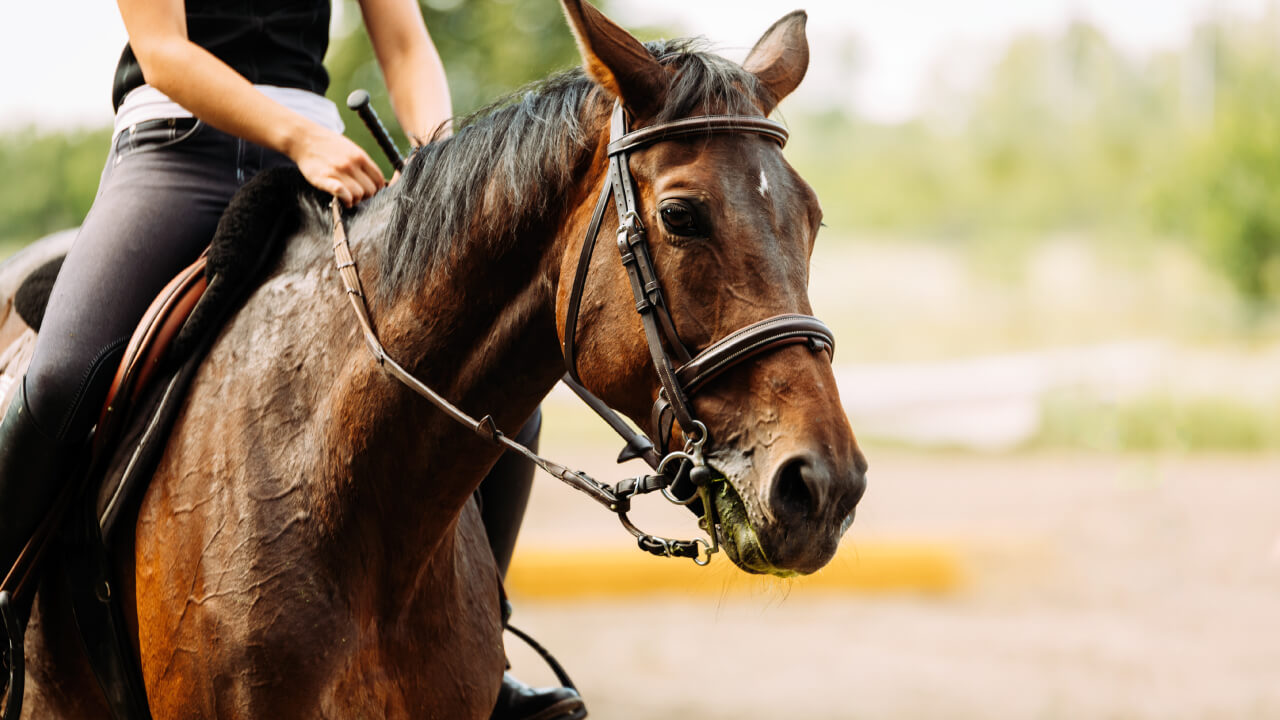
Most riding clubs welcome members from juniors to seniors. However, the age range of participants can differ by club.
If a club mainly has young members, seniors might feel hesitant to join. Therefore, it’s recommended to check whether the club is friendly for senior riders before enrolling.
Look for Clubs Offering Programs for Seniors
Clubs that provide trial rides, membership systems, or lessons tailored for seniors are welcoming to older riders. Such clubs create an environment conducive to seniors enjoying horseback riding, allowing them to participate with confidence. Naturally, these clubs tend to attract more seniors, making it easier for them to join and feel comfortable.
Verify if There Are Seniors Currently Participating
Visiting the club to observe and speak with staff can be an effective way to see if it’s senior-friendly. While phone inquiries are helpful, firsthand experience often reveals differences in atmosphere and participant age groups. Visiting the club allows you to assess how many seniors are participating and to get a feel for the environment yourself.
It’s best to visit at times and days you plan to go, since the demographics might vary depending on schedule. Experience visiting the club also provides a sense of its overall vibe.
Special Insurance for Horseback Riding and Related Sports
Compared to when we were younger, physical and movement abilities decline, increasing the risk of injury. Moreover, horseback riding is not an individual sport; it involves working with a horse, which carries the risk of falling. If a fall occurs, anyone, regardless of age, could sustain serious injury. Having insurance, similar to health insurance, provides peace of mind.
Many riding clubs offer sports-specific insurance tailored for activities like horseback riding, collecting fees for insurance coverage along with riding lessons.
For example, the Japan Sports Safety Association offers specialized sports insurance covering injuries from heatstroke, food poisoning, liability for damages, or funeral expenses in case of sudden death. These coverages help ensure a safe and confident riding experience.
Further details about this insurance will be provided in a separate article, so interested readers should check that out.
Start with a Trial Riding Course
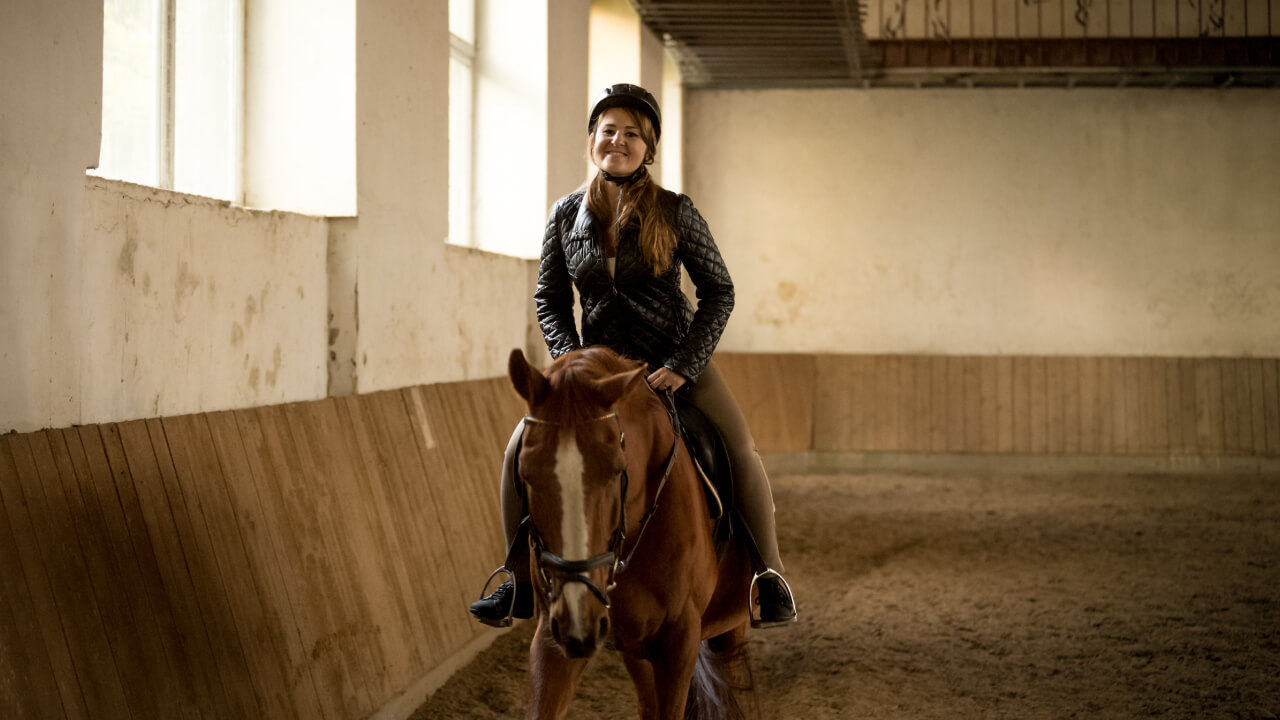
The easiest way to gauge whether a riding club’s atmosphere and whether there are peers in your age group is to participate in a trial riding session offered by the club. Choosing a trial ride course for seniors allows you to see what kinds of activities are possible in regular lessons and assess if you can continue with the sport.
Additionally, opting for a senior-specific trial ride provides the comfort of being with people in the same age range and sharing similar goals. Most seniors start riding seeking relaxation or health benefits and are less interested in competitive activities or tournaments. Therefore, having a riding group with similar purposes enables a more relaxed and enjoyable experience.
Summary
As you can see, horseback riding is a sport that can be enjoyed at any age. Many seniors in their 50s, 60s, and 70s actively participate as competitors, showcasing that riding offers lifelong opportunities. Unlike many sports that see athletes retiring in their 30s, horseback riding remains accessible and enjoyable regardless of age.
Many riding clubs offer courses and trial rides designed for seniors, making it an easy sport to start at any age. Of course, the atmosphere and participant demographics vary by club. It’s best to choose a club within your local area and try a trial ride first to see if it suits you.