
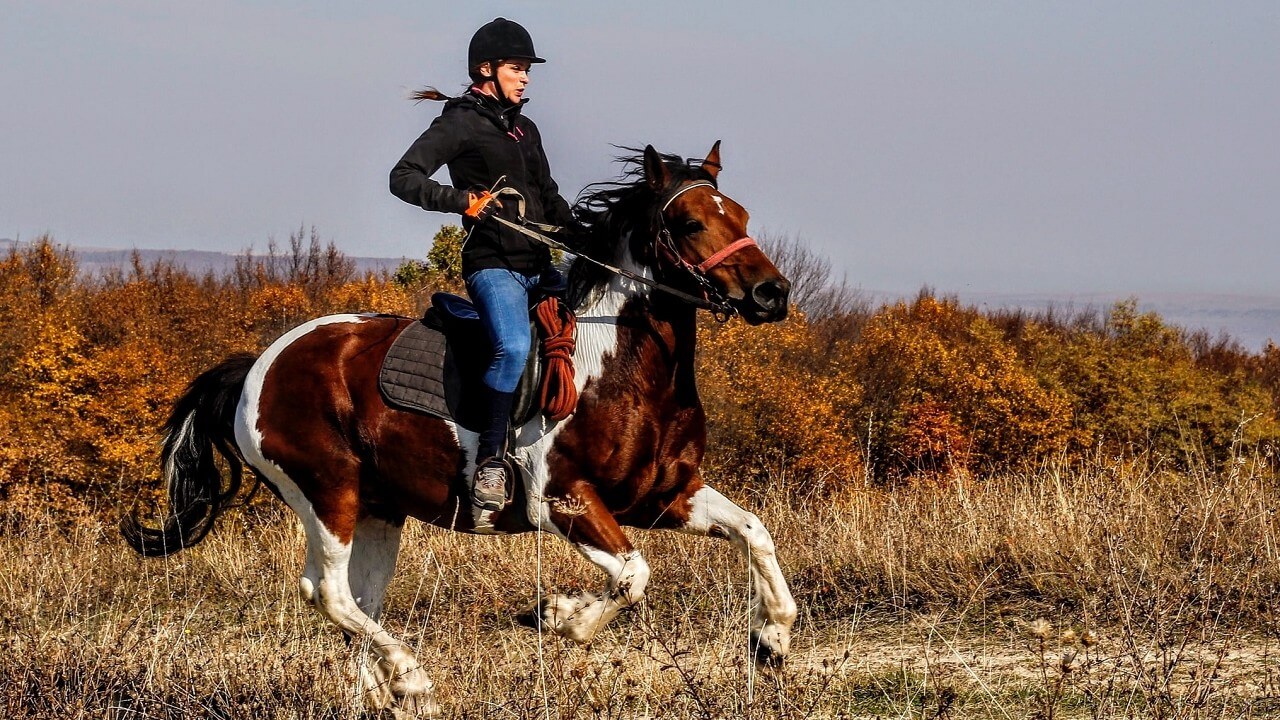
If you are starting to practice the canter, you have likely overcome several issues and acquired riding skills and knowledge. When you begin riding, you might feel excited to want to master the canter as soon as possible.
However, once you start practicing the canter, many riders struggle with how to balance against the significant recoil of the gait. It’s common to feel stiff at higher speeds than expected.
One common concern many riders face during canter practice is the bouncing of the hips caused by the horse’s recoil. In the early stages, riders tend to focus on maintaining balance during the gait and may not identify the root cause of their bouncing hips.
To truly master the canter, it’s essential to identify and address the causes of this bouncing. In this article, we’ll explore why your hips bounce during the canter, solutions to improve, and proper posture tips.
Over-striding or Excessive Tension in Legs Might Be the Cause
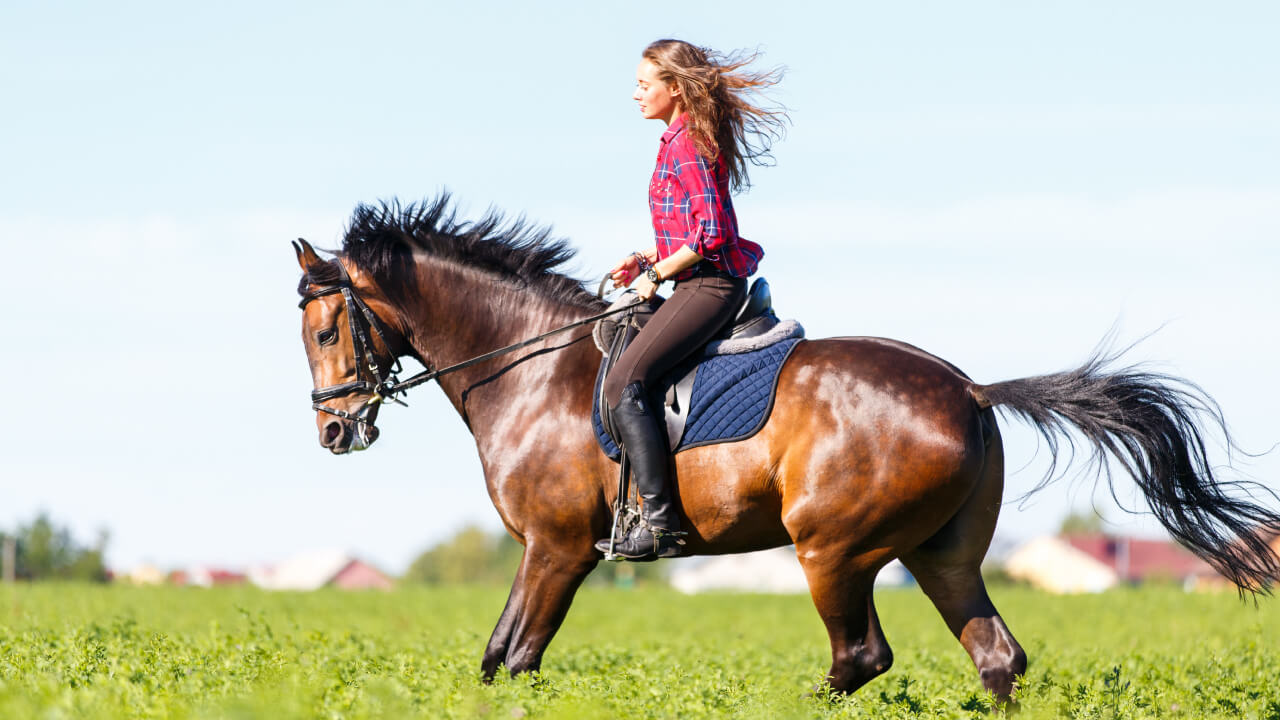
The trot is a gait that easily conveys a sense of speed, making it more intense and dynamic. Riders unfamiliar with the trot might try to endure the speed by stepping too heavily into the stirrups or stiffening their legs to stay secure.
Stepping too heavily into the stirrups can cause the knees to straighten and the rider to stand up too quickly, creating a gap between the hips and saddle. This upward motion, combined with the recoil, makes the hips bounce.
Additionally, during the canter, riders need to follow the horse’s movement smoothly. Instead of absorbing all the bounce with tense legs, relaxing the legs and allowing the recoil to pass naturally is key. Using too much leg tension can hinder this process.
In canter, it’s essential to keep the legs relaxed and avoid unnecessary tension.
Are You Moving the Hips in Harmony with the Horse’s Swings?
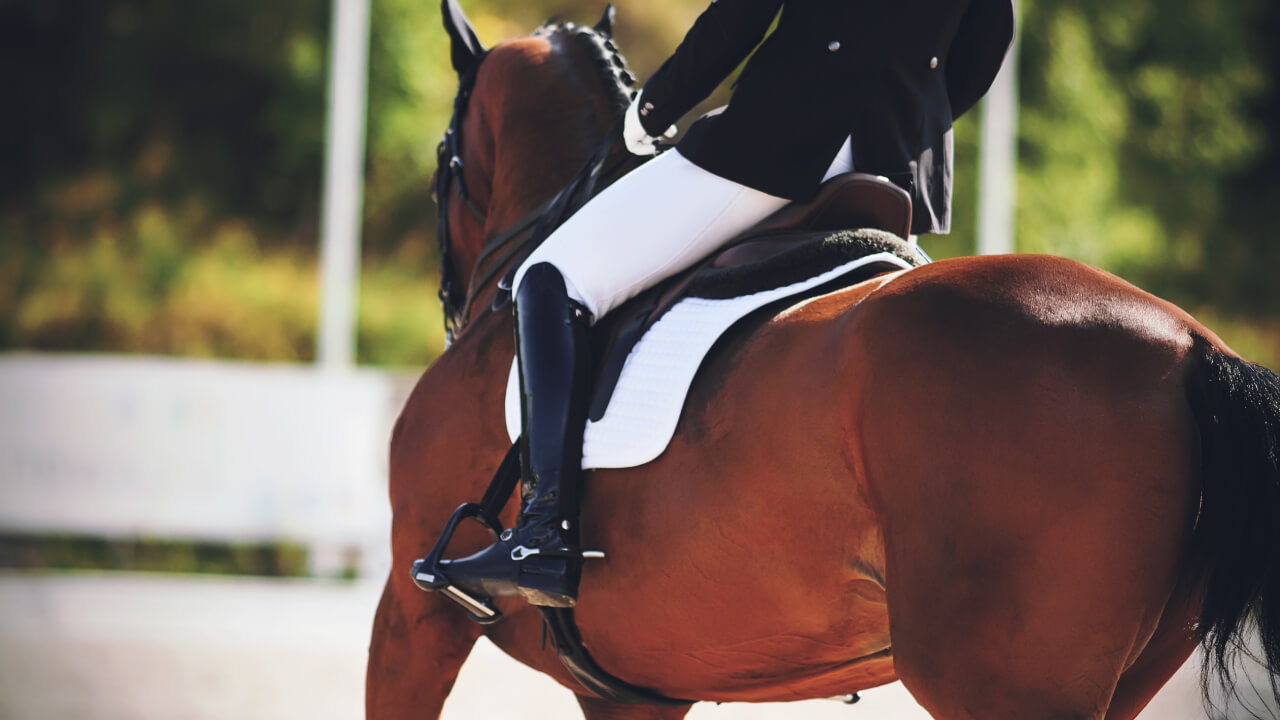
In riding, during all gait types, riders perform the action of moving their hips in harmony with the horse’s sways. This helps them stay on balance, supports the forward motion, and prevents the hips from lifting out of the saddle. But how exactly do you move your hips to match the horse’s sways?
To properly send your hips in rhythm with the horse, maintaining correct riding posture is essential. Beginners often lean back when trying to move their hips, because shifting their center of gravity backward makes it easier to move the hips.
However, leaning too far back indicates poor riding posture and imbalance. While it can be a useful exercise to learn how to move your hips correctly, overly tilting back can develop bad habits. It is better to focus on maintaining a neutral, balanced posture.
Suggestions for Improvement
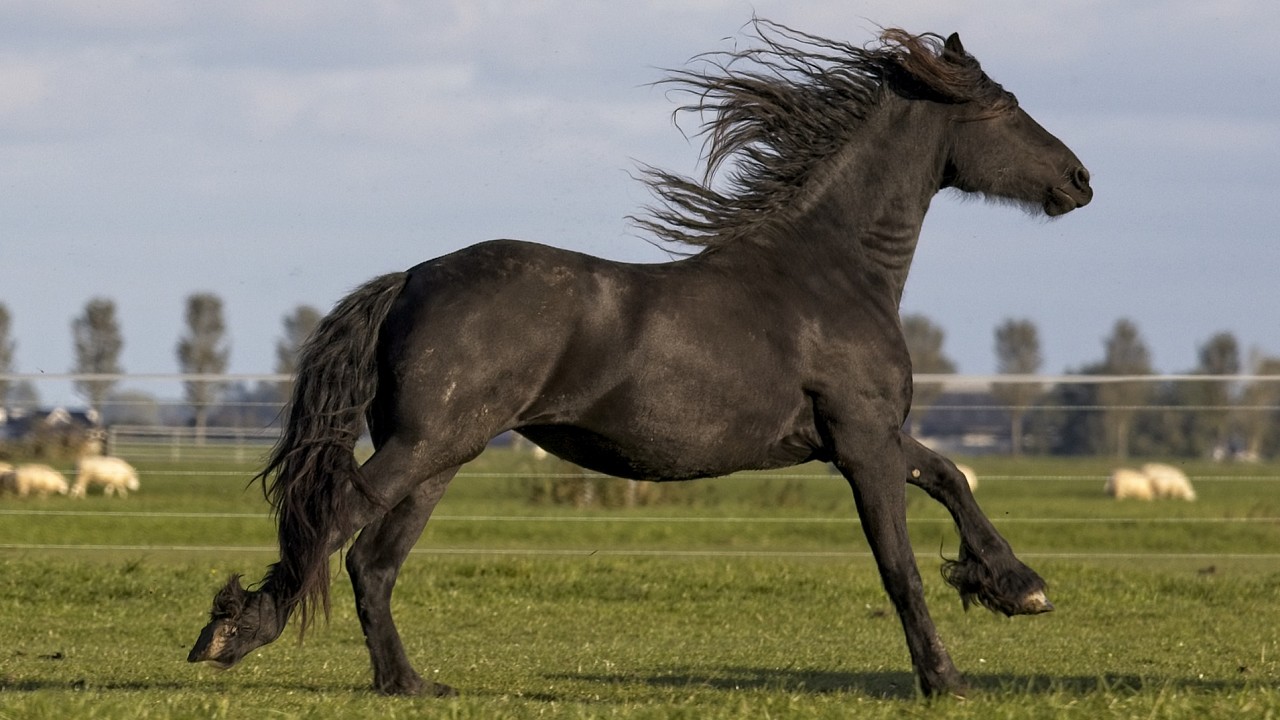
To reduce the recoil bounce during the canter, understanding the horse’s movement is crucial. The gait moves in a three-beat rhythm, with the right hind leg striking the ground first (