
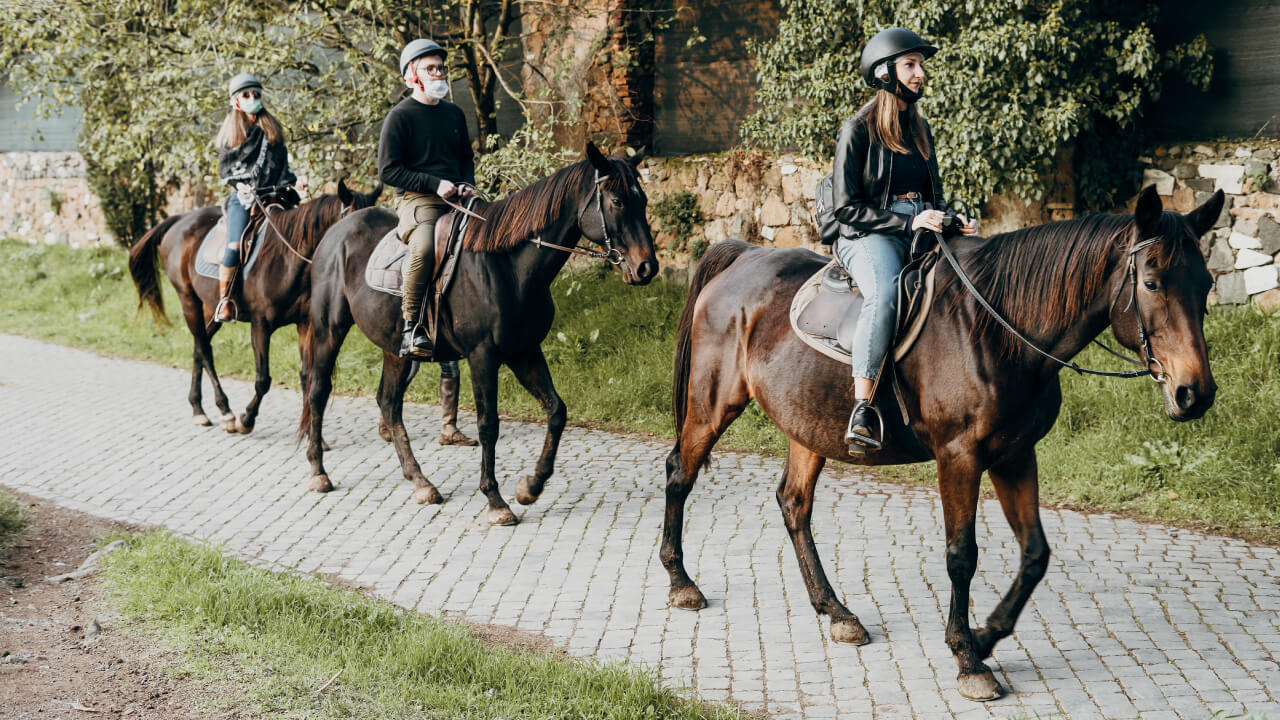
In this article, we will explain in a straightforward way what is important about the walk, what makes it difficult, why it is crucial, and how beginners can master it.
‘Just walking, so it seems easy!’ Why the walk is not so simple
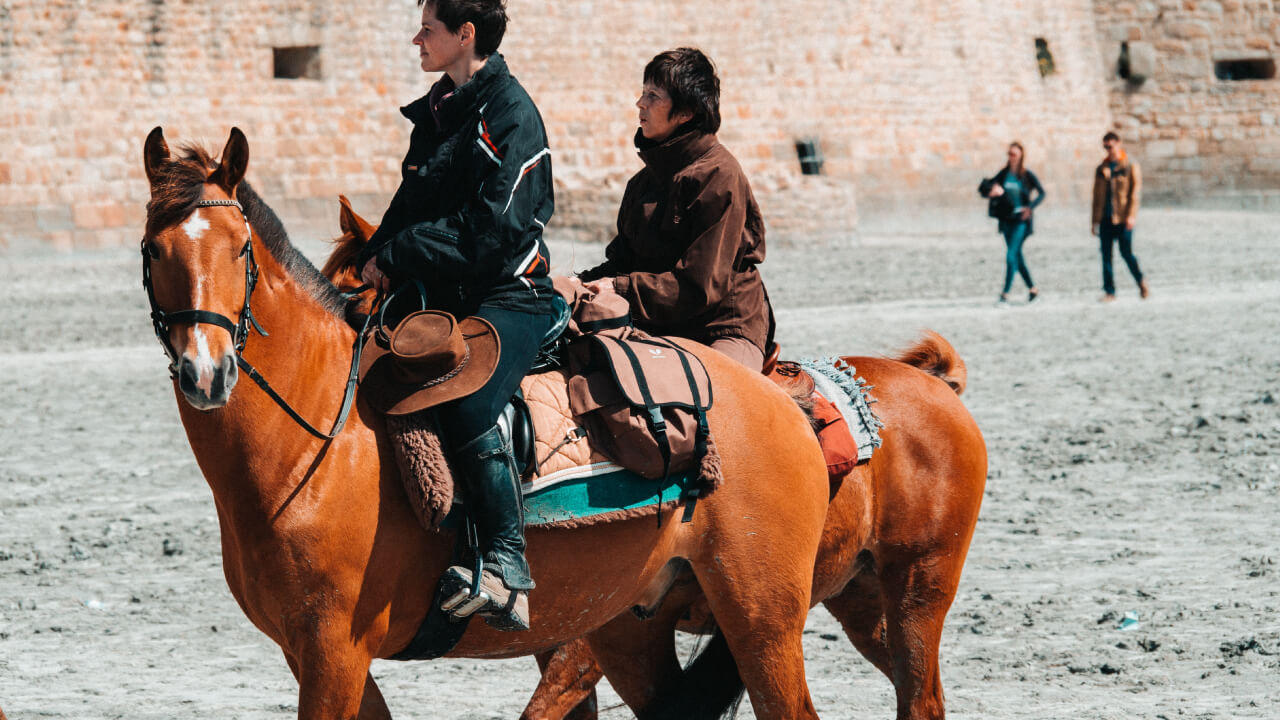
Sluggish walking is a no-go!
If an instructor at a riding club tells you, ‘Start walking a few laps in walk,’ how do you usually ride? Do you just let the horse walk naturally once you apply just a little pressure with your legs?
Many feel that the real lessons start when the trot or canter begins, but actually, instructions to maintain a proper walk are very important. It’s not just about moving forward—riders need to give clear aids to produce a rhythmic, lively walk.
Adjusting speed and gait is tricky
The slightest touch of the legs will make the horse start walking. However, many horses just walk sluggishly in response, making the walk slow and dull. To make it lively—where the horse’s head moves with the leg action—additional aids should be used to refine the gait.
Be careful, though—if you push a little too hard, the horse may transition into a jog or a brisk walk. It’s often easier to jog than to walk slowly at the same pace. If you pull on the reins to slow down when the horse speeds up, you risk stopping or losing control. The biggest challenge is to keep a steady, proper walk without letting the horse break into a faster gait or slowing down too much.
Prone to sway side to side
Initially, beginners might find the walk the most stable gait because of its slow speed and less jarring movement. But, it’s actually easier for the horse to sway sideways due to lower propulsion compared to trot or canter.
The first reason is the lower propulsion. Like riding a bicycle slowly versus quickly—the slower approach tends to wobble more. Horses feel the same—less power means more sway. The second reason is the rider’s posture. Because walk has minimal recoil, if your balance shifts slightly, it might be unnoticed, leading to uneven movement and drift.
Maintaining proper posture is essential. If your balance is slightly off, the horse’s path may also subtly wander, causing side-to-side sway.
What is needed to improve walk riding skills?
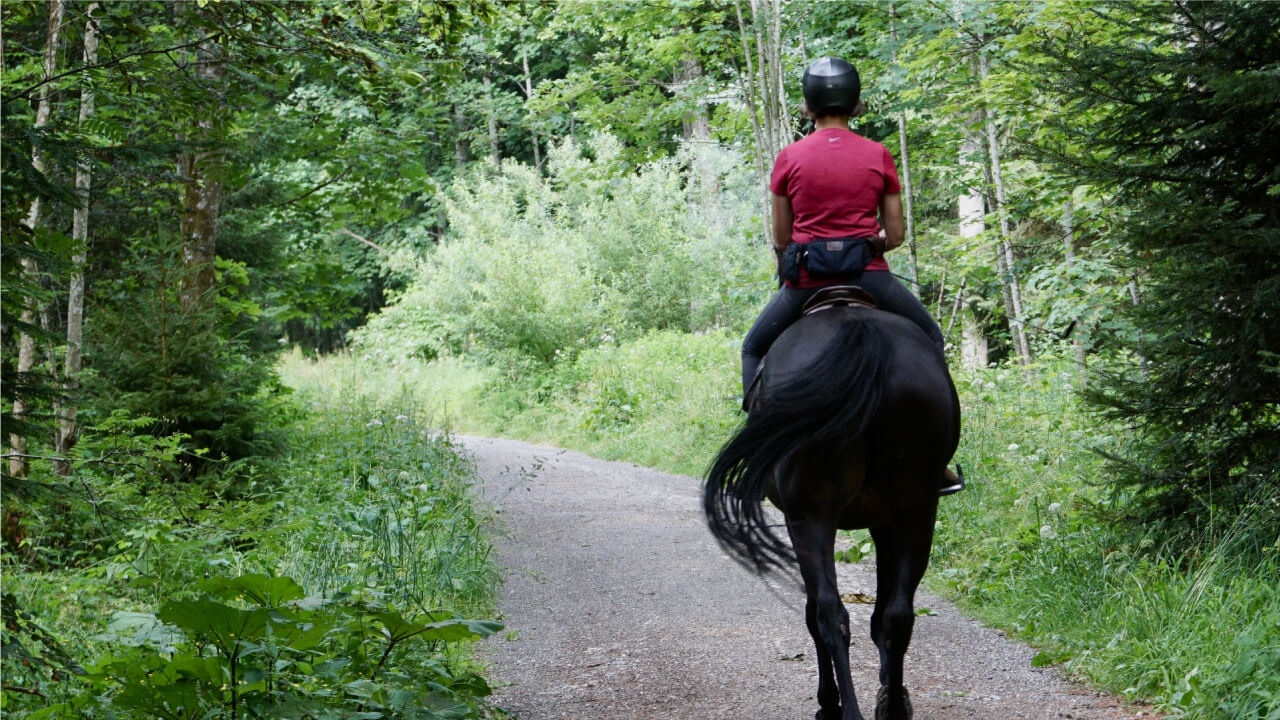
So, what should you pay attention to in order to produce and maintain a good walk? Here, we will discuss three key areas: purpose, balance, and aids.
Be purposeful
The first step is to understand why you should work on the walk before the serious lessons begin. The initial walk in lessons serves two main purposes:
First, it’s a warm-up for both horse and rider. Just like preparing for an intense workout, the walk helps get the muscles active. It’s not about resting—focus on moving your muscles and warming up for more intense exertion.
Second, it’s to check the horse’s condition. By giving clear aids during the walk, you can see how sensitive the horse is to your aids. For experienced horses, you might notice subtle signs of discomfort or fatigue from their movements.
Balance with the sit bones
Once you understand your purpose, the next critical aspect is balance. In the early stages, as you progress from walk to trot or canter, the movement becomes more vigorous, and more sway or bounce can occur. During this, many riders tend to rely on the reins and unconsciously lift their hands or tense up, or brace with their legs to maintain balance.
To prevent this, practice maintaining a calm, upright posture in the walk, which is the best time to focus on your body balance. The key is to sit firmly on your sit bones.
If you usually sit with both feet in the stirrups, your body can sway a bit but stay seated. However, imagine balancing solely on your buttocks—without relying on your legs—maintaining your balance on the saddle.
Propulsion and moderation
As mentioned earlier, controlling the speed and gait in walk is surprisingly challenging. Of course, practice makes perfect, but is there a theoretical way to control this effectively?
The key is to think about propulsion and moderation simultaneously. It might seem difficult, but first, focus on memorizing the correct speed and rhythm through practice. Then, if you feel the speed slightly decrease from your baseline, encourage propulsion; if it’s about to turn into a jog, ease off the aids a little.
Initially, you may find it hard to sense these changes, and your aids might come too late, but once you develop this skill, your ability to communicate with the horse across different gait changes will greatly improve.
How much time do you need to practice walk effectively?
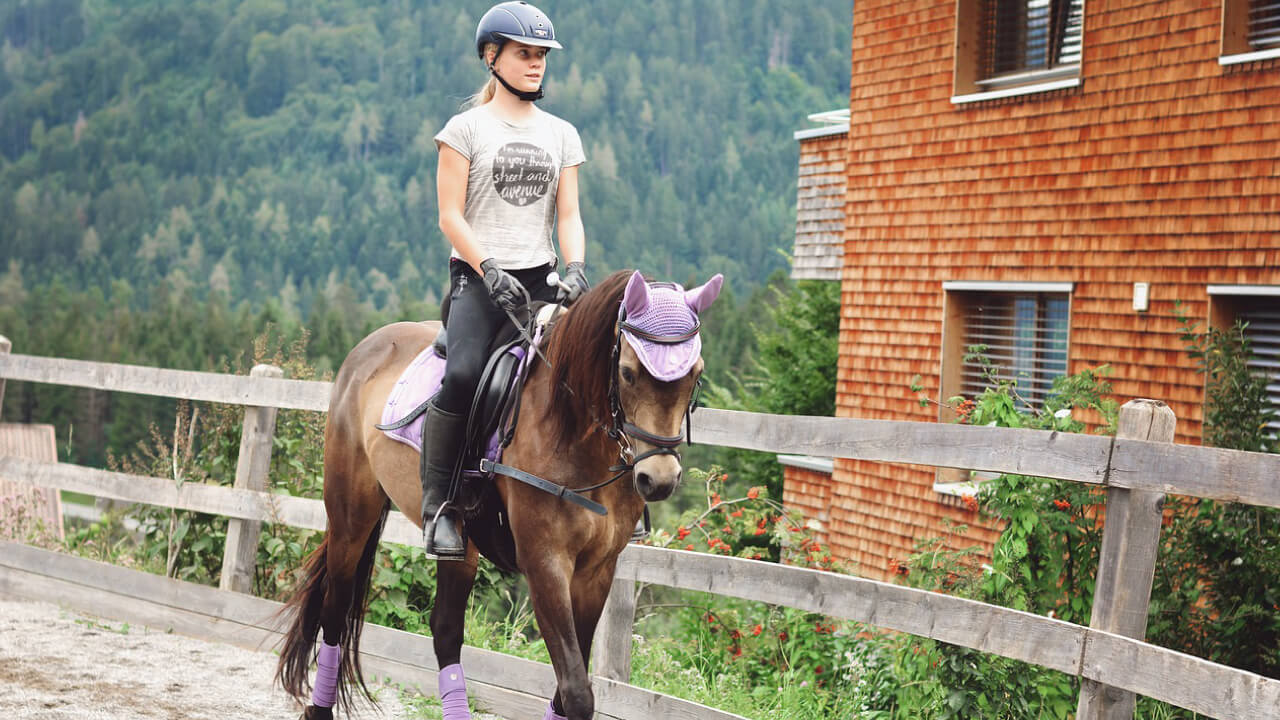
If fear of trot is very strong, it’s also possible to spend more time practicing walk separately. However, generally, most lessons include transitioning to trot rather than practicing walk by itself. If your instructor sees that it’s safe, you might go straight to trot in the first lesson.
Therefore, it’s hard to give a specific amount of time for practicing walk. Even from the beginning, if you are struggling with balance or aids, it’s good to return to walk and review your contact and posture whenever needed.
Some riding clubs might not dedicate much time to walk lessons to avoid boredom for beginners. If you want to learn more about walk, don’t hesitate to ask your instructor for additional guidance.
Master the walk and take control of your riding!
As seen in the content above, what may seem simple at first—walking—contains many important elements. Mastering this gait is a crucial step toward more advanced riding skills. Once you master walking, riding becomes much smoother, and you can advance to more challenging gaits and obstacles. It’s often said, “He who masters walk, masters riding.”
Summary
Walk is the gait beginners first experience. However, it is not so simple. It is also a kind of mental and physical warm-up for humans and horses. Even after moving on from beginner level, maintaining a good walk time with your horse is fundamental to riding success and progress.