
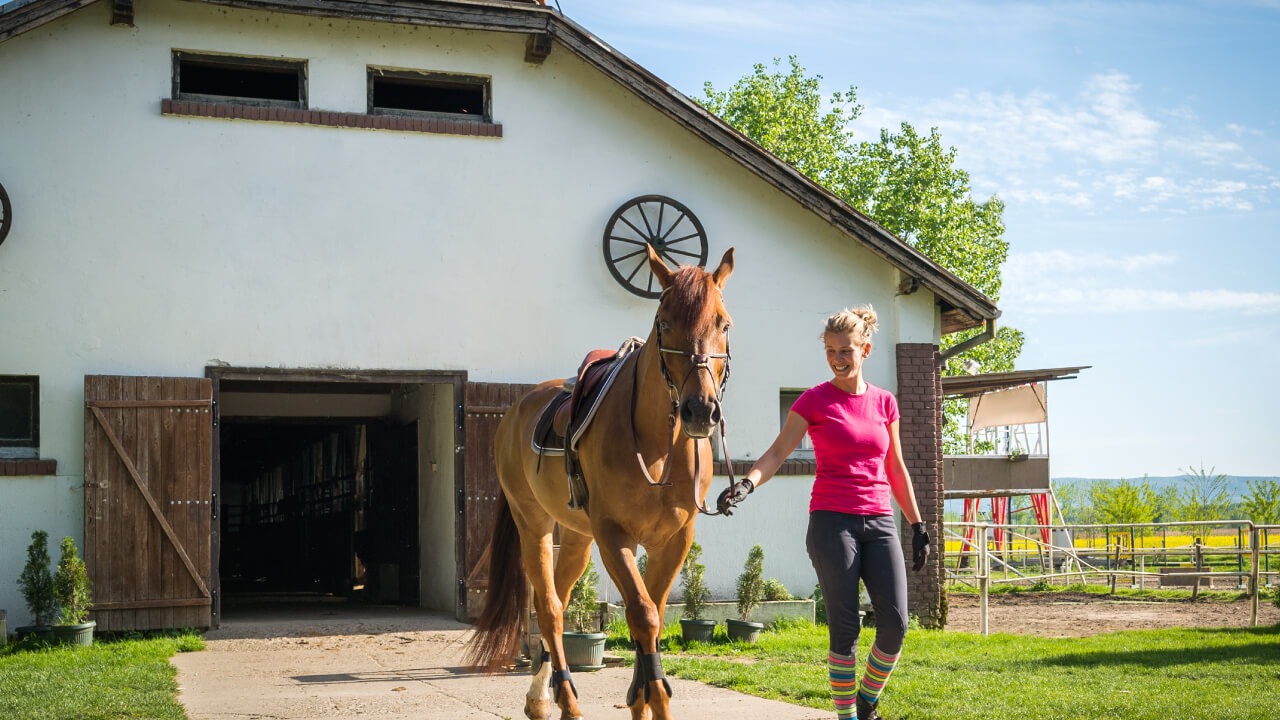
Clothing trends come and go, but everyone has their preferences. Just as you choose outfits based on the occasion, there are appropriate clothes for horseback riding. Did you know that horses also have dislikes when it comes to human clothing? Horseback riding is not just for humans; understanding the horse’s perspective and avoiding clothes they dislike can lead to a more enjoyable experience for both. If you dress in a way that horses find uncomfortable, they might not be willing to share their back with you, making riding less pleasant.
Oversized Clothing
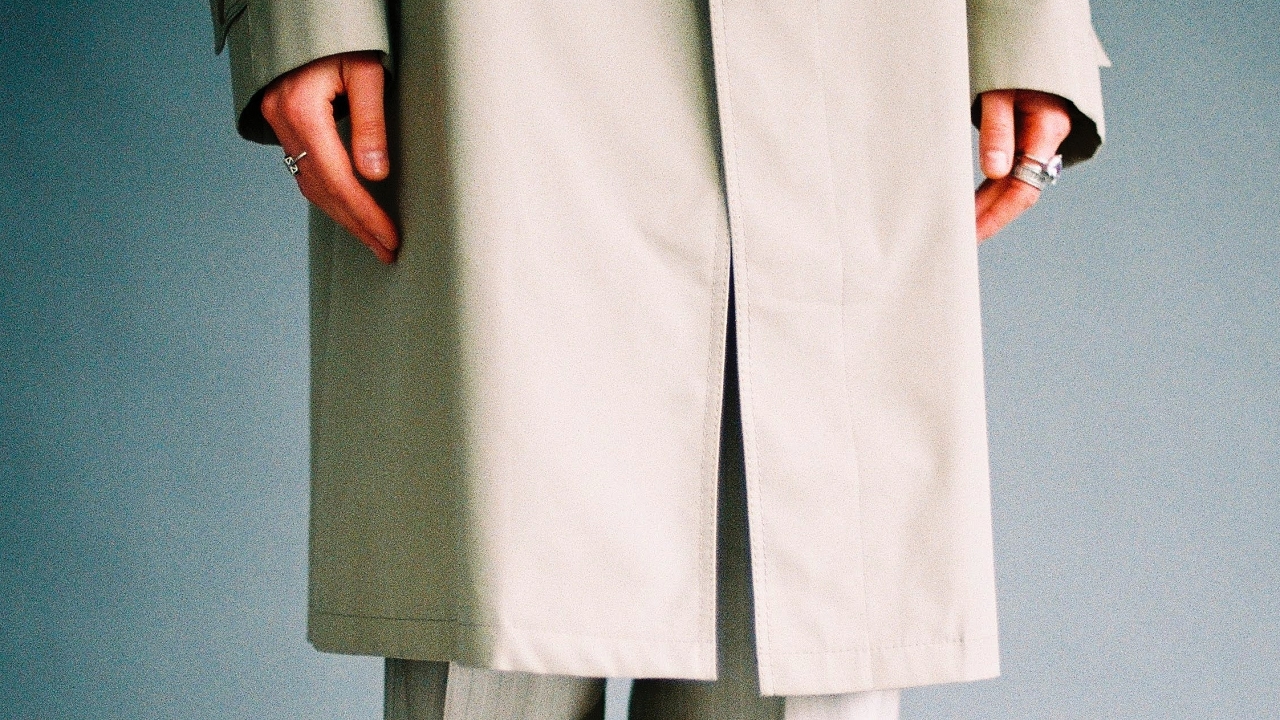
When riding, most people are told to wear comfortable or dirty-resistant clothes, but there are other things to be careful about. Avoid oversized clothes and long tops, as loose-fitting clothes can flutter in the wind and startle the horse. Outdoors, you’ll be moving around and standing or sitting on the stirrups, so your clothes need to be suitable for movement. Long garments or scarves can also get caught on the saddle and cause accidents.
Clothes that Make Noise
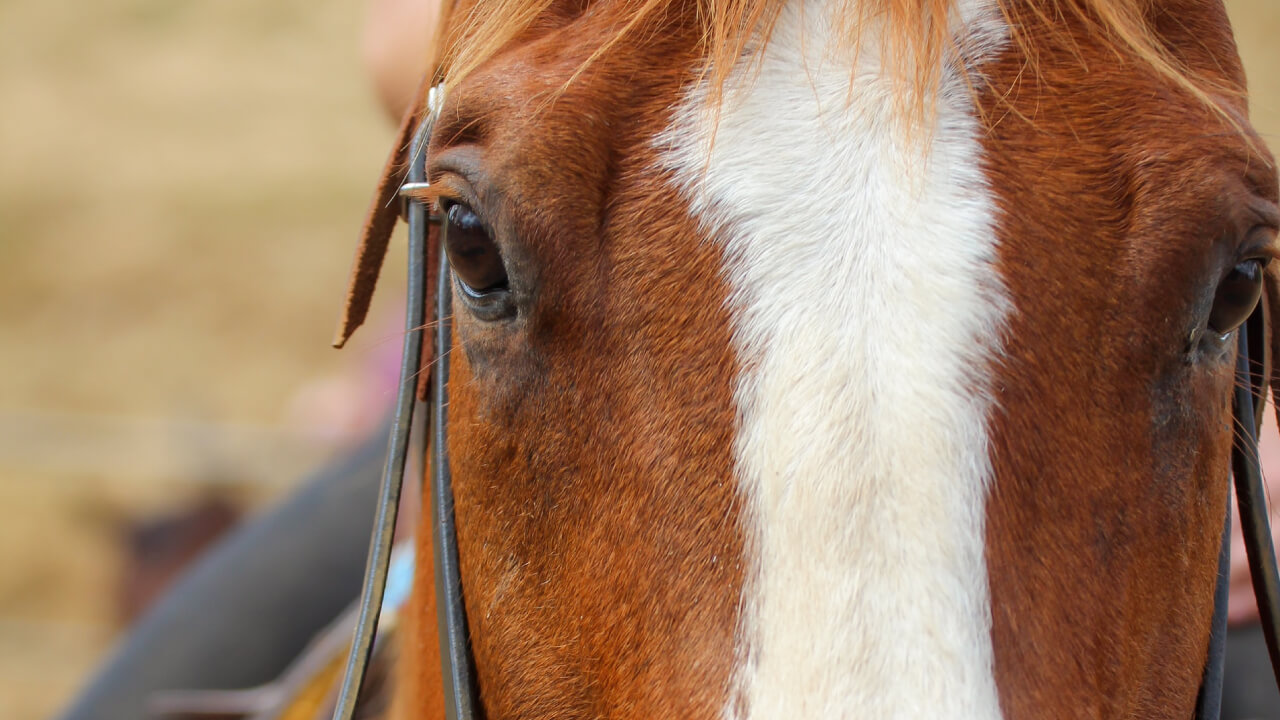
Clothing that makes noise, such as nylon or polyester, can disturb horses, as they have sensitive hearing. Even if humans don’t mind the rustling, horses can be stressed by the sound. Horses use their ears to express emotions and are highly attentive to sounds in their environment—much more than humans. They can hear ultrasonic noises and can turn their ears 180° to locate the source. Continuous noise from the clothes on or near a horse might cause stress and discomfort. For the safety and well-being of the horse, avoid wearing noisy clothing.
Hooded Clothing

Wearing hooded clothing like hoodies or jackets is okay for casual outings, but during horseback riding, it’s best to avoid hoods. Hoods can interfere with wearing a helmet and can be a hindrance when mounted on a horse. They might also be bitten or pulled by the horse, which can cause accidents or injuries. For safety reasons, it’s recommended to choose clothing without hoods for riding.
Recommended Warm Clothing
As the weather gets cooler, fleece or padded blousons are better alternatives to hooded sweatshirts for riding. These are easy to wear, keep you warm, and are convenient for riding activities. Neck warmers are also useful to protect against cold, but scarves might be risky as they can flutter, scare the horse, or get caught on the saddle.
Appropriate Attire for Riding
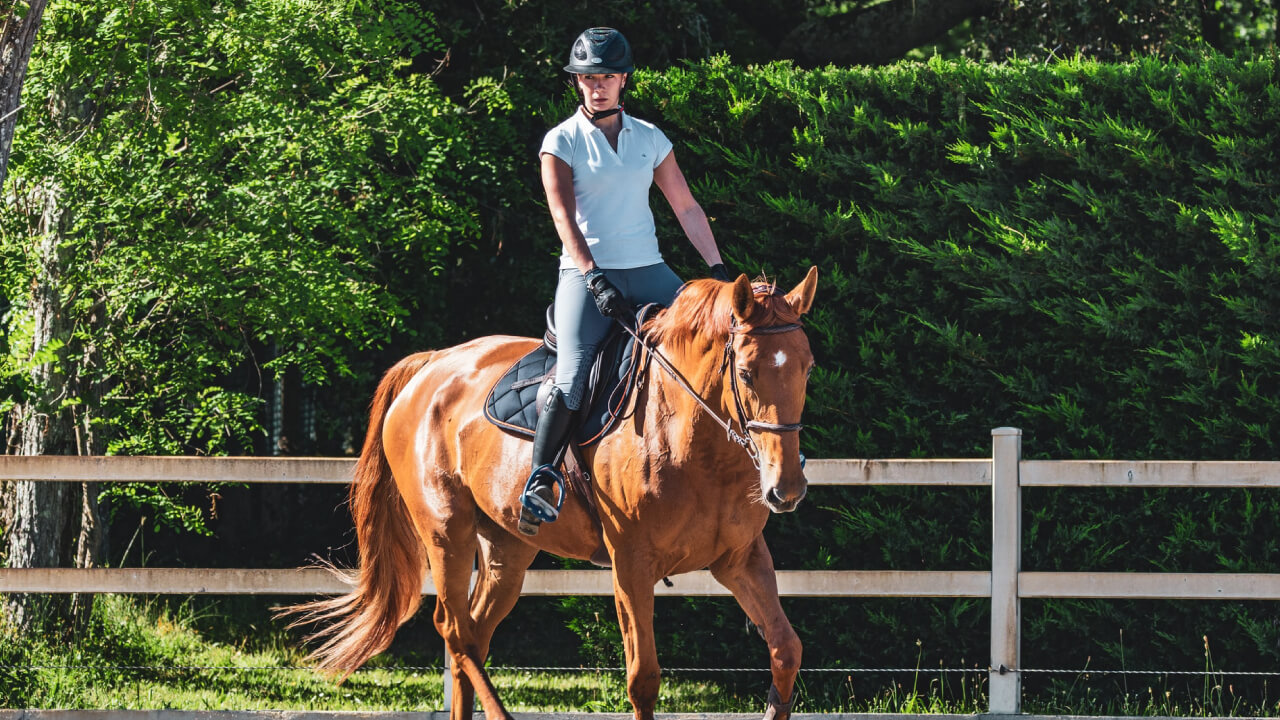
When riding, comfortable and dirty-resistant clothes are a must, but there are other important considerations. In Japan, traditional British riding attire is popular and recommended for its style and functionality.
Topwear
Many might associate equestrian with a luxury image. Horse riding is a sport with a long history and a sense of tradition. For tops, go for comfortable items with collars, such as polo shirts or shirts. In summer, choose breathable fabrics, and consider using sport arm covers for sun protection. During winter, proper insulation is necessary, especially for beginners practicing walk-only sessions. As the level increases and activity intensifies, the rider’s body warms up, reducing the need for heavy cold-weather gear. Remember, removing outer layers during riding can be dangerous because it involves handling the reins and could startle the horse. Horses perceive colors differently, with some saying they see yellow clearly but not red. Generally, avoid very bright or reflective clothing, as it may surprise the horse.
Bottoms
Legwear should be long pants, not skirts or short-type trousers. Choose comfortable denim or chinos that reach the ankles. Avoid nylon fabrics, which can be slippery, and be careful with thin materials that might tear. For continued riding, specialized riding breeches or jodhpurs are recommended, as they are designed for ease of movement, durability, and safety, often featuring non-slip patches on the seat and knees. These are available in various styles, colors, and materials and can be paired with riding boots for a classic look.
Footwear
Most people think of riding boots, but for trial rides, sneakers are fine. If you continue riding, investing in riding boots is advisable because they are crafted specifically for riding, offering excellent functionality and safety features. They are designed to allow flexible ankle movement for giving commands and feature soles optimized for riding and stability. Boots are also in contact with the horse, emphasizing their importance as a communication tool. Choose from different styles and lengths, such as short boots with chaps or full-length boots, and always wear socks regardless of footwear type.
Hairstyles
British riding typically requires wearing a helmet, so opt for hairstyles that are easy to accommodate under a helmet, such as a low ponytail or bun, avoiding high coiled styles that might interfere with helmet fitting.
Summary
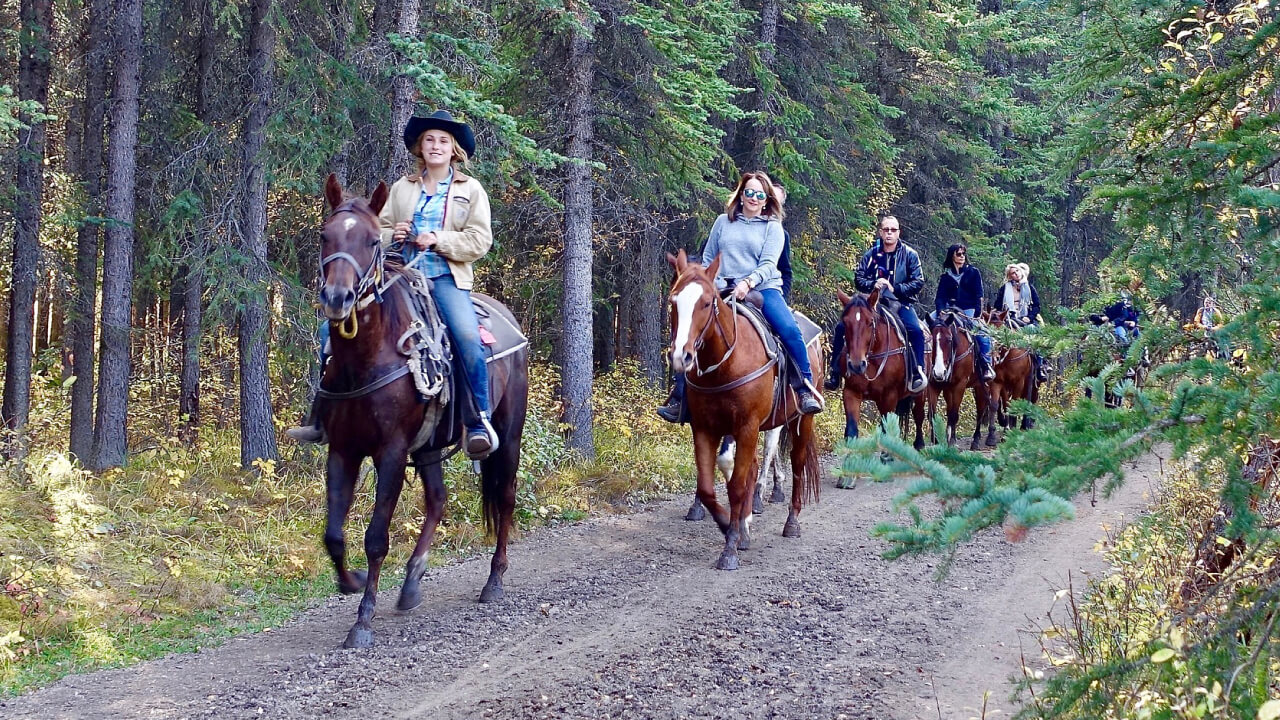
Although many sports exist, few can be enjoyed with an animal partner like horseback riding. It offers a unique experience that combines the thrill, sense of accomplishment, freedom, and healing through connection with the horse. Remember, caring for the horse’s comfort and avoiding clothing that they dislike is essential for a harmonious riding experience. Always prioritize safety and kindness towards your partner, the horse, to ensure a fun and safe ride.