

Many people try horseback riding because they want to get along with horses or enjoy the feeling of unity with the animal during riding. The first step to bonding with horses is understanding their natural behaviors.
If you don’t know what kind of animals horses are, you might accidentally do things they dislike, making the interaction one-sided. Here, we introduce some common horse behaviors to help you understand them better.
Sensitive to Heat

Horses are often seen surviving in hot environments, leading many to believe they are heat-tolerant animals. However, horses naturally originate from colder regions.
Therefore, they are actually more sensitive to heat. While summer temperatures in Japan are usually manageable, staying in the sun for extended periods can cause them to sweat excessively, suffer from heatstroke, or become sluggish and irritable.
In summer riding lessons, it’s essential to monitor the horse’s condition, paying attention to its movements and facial expressions to see if it’s affected by the heat. After riding, providing water and cooling baths are necessary as part of heatstroke prevention.
Trustful Like a Dog
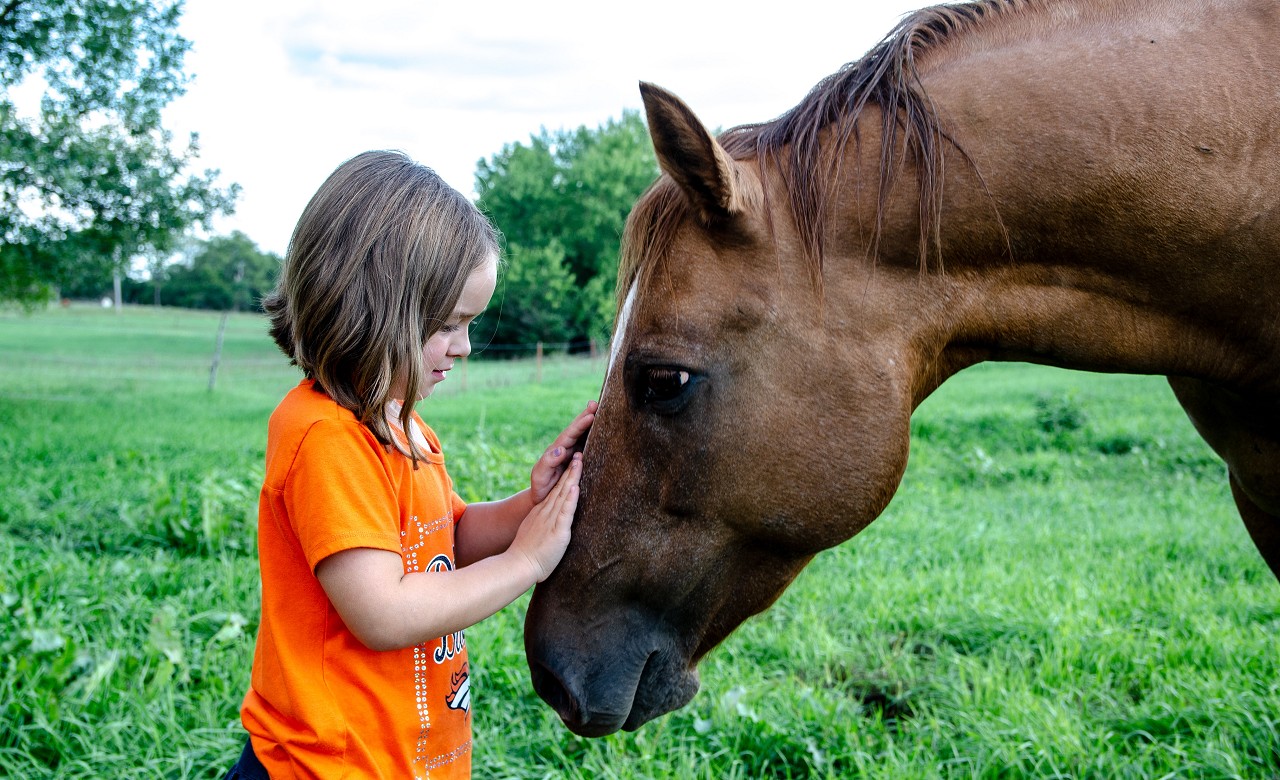
Among various animals, some can be very friendly and obedient like dogs, while others show no interest in humans. Horses can be very friendly and obedient, much like dogs.
As herbivores, horses generally do not view humans or other animals as threats or attack unless provoked. They tend to be approachable, listening well to familiar people or those they recognize as good acquaintances. Some accounts even say horses can be more obedient than dogs.
It is said that a horse’s intelligence is comparable to a three-year-old human, which explains their ability to understand various commands.
Very Timid
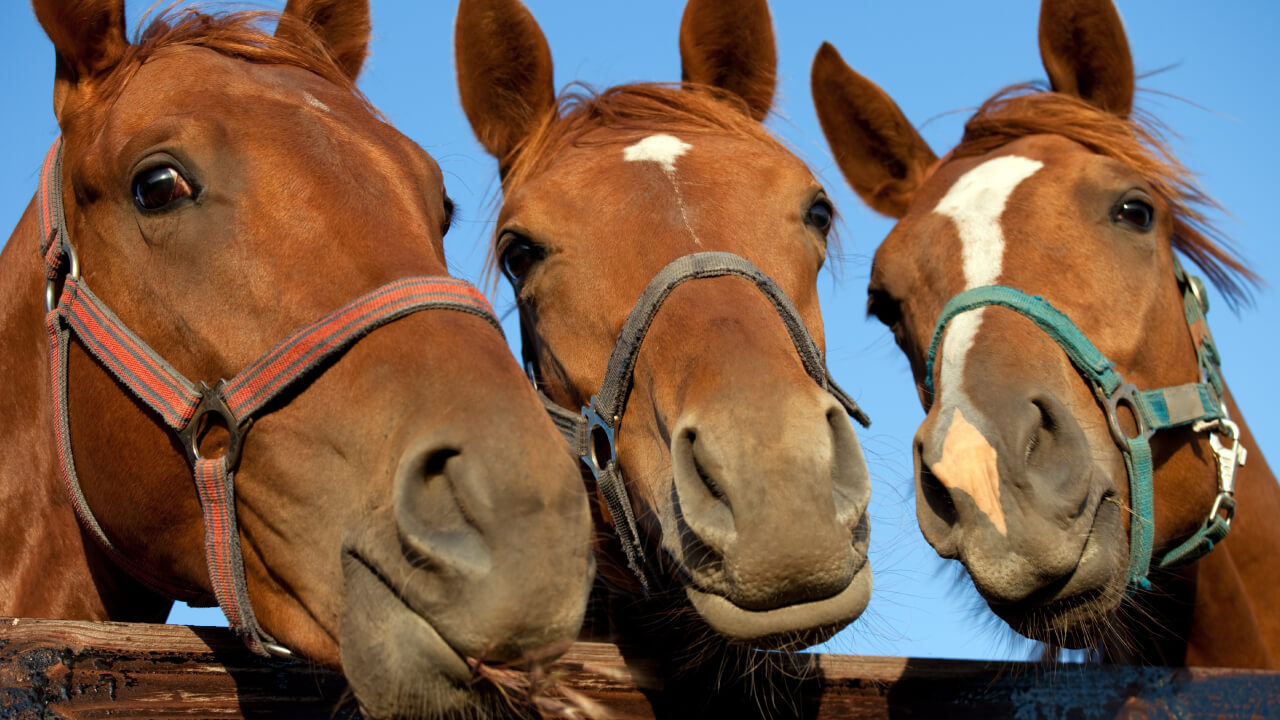
Contrary to their large bodies, horses are often quite sensitive and timid. They can panic at loud sounds or sudden appearance of people or animals in front of them.
Horses have excellent hearing but not very good eyesight. However, their wide field of view is widely recognized.
Horses can move their ears independently, acting like radar to pick up sounds. They rely heavily on auditory information to compensate for their poorer eyesight, which makes sense as prey animals need to stay alert for predators.
Humans can hear up to 20 kHz, but horses can detect sounds up to 30 kHz, allowing them to hear distant, faint noises. Be cautious with loud noises, especially out of view, to avoid startling them.
Horse’s field of vision is approximately 350°, and they may look sideways or behind without turning their heads. Touching or approaching them silently from blind spots can cause surprise or fear. Always speak softly and make your presence known when near a horse, particularly when grooming or handling.
Standing directly behind a horse is dangerous because it is outside their visual range and can be frightening for them. Avoid standing behind horses. It can lead to kicks or injuries, which are serious. Always be aware of horse safety to prevent accidents.
Expressing Emotions with Ears

If you can interpret a horse’s feelings, understanding what they are thinking becomes easier. However, horses do not speak human language or communicate with sounds like neighing to hold conversations.
While humans often read emotions through facial expressions, horses’ facial changes are subtle. But can we really understand their feelings?
The most expressive part of a horse’s body is actually their ears. The position and movement of a horse’s ears reveal their emotions.
When ears are pointed forward or standing upright, the horse is alert to something, startled or slightly tense. When ears are relaxed and facing sideways, they are calm. Conversely, ears pulled back indicate discomfort or anger, and should be approached with caution. Moving ears suggest curiosity or restlessness.
Because ears are highly expressive for horses, they can show signs of anxiety or agitation, especially when they are nervous or upset. Approaching a horse that shows such signals requires careful attention, even for experienced handlers.
Understanding a horse’s emotional state by observing their ears helps foster safe and trusting interactions. Always check their ear movements and overall behavior before approaching.
Summary
Horses are creatures with feelings, just like humans. They have strengths and weaknesses and require understanding their natural behaviors to build trust.
Enjoying interactions during lessons is great, but observing horses outside of class can also be very insightful. Start practicing reading their emotions through ear movements, and you’ll find it easier to know when the time is right to bond with them.