Do you have a favorite horse? Horses are living creatures, and each has its own personality. After riding several times, you’ll find horses that suit you well and ones you want to ride again. When you encounter those, it’s delightful, but riding unfamiliar or unfamiliar horses can also cause anxiety.
In this article, we introduce what to watch out for when riding horses you haven’t ridden before or don’t know well. Knowing these tips in advance will help you enjoy your ride without unnecessary nervousness.
First, check the horse’s health
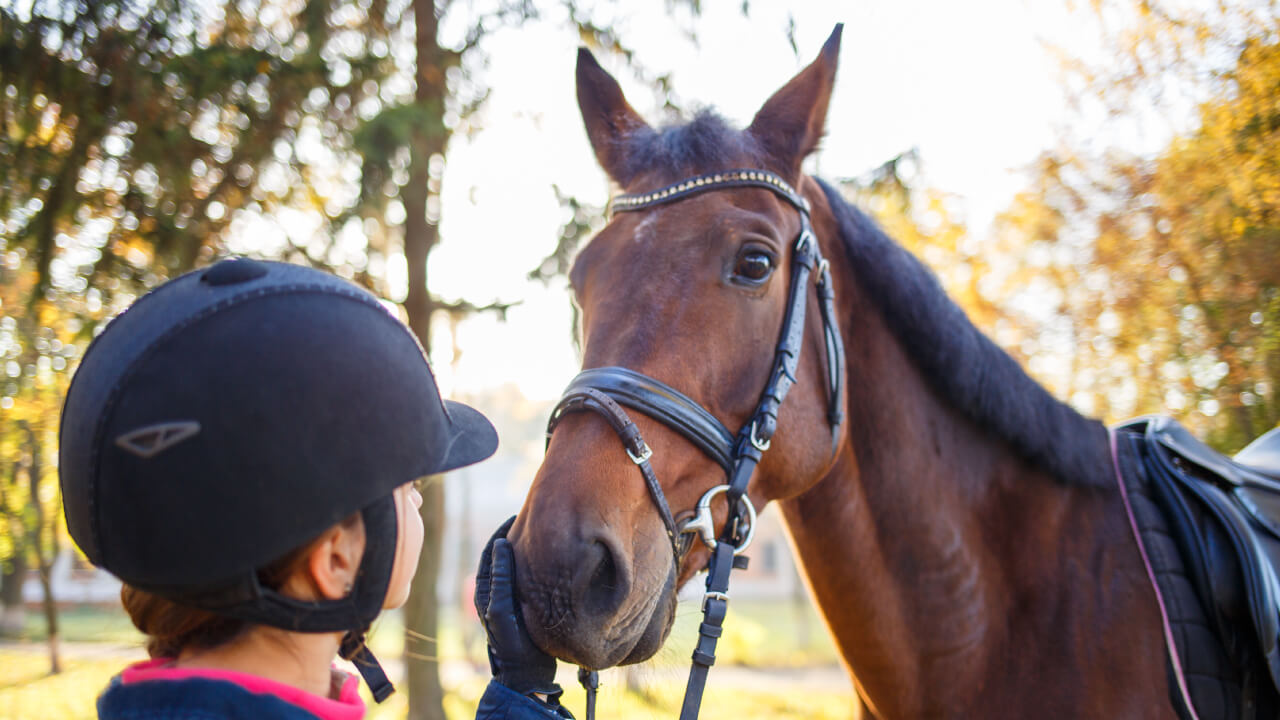
Each horse has its own personality; some are steady like a rock, some are easily distracted, and others are restless or spoiled. However, sometimes a change in behavior is due to health issues.
In addition to health, issues with tack fitting can also cause discomfort. If you notice anything unusual, it’s best to consult staff — they have plenty of experience and knowledge to quickly check and address concerns. Here are some key points to verify.
Oral issues
Just like humans, horses can have dental problems that cause pain or discomfort, affecting concentration and behavior.
Horses are herbivores who spend about 16 hours a day eating, and their teeth typically wear down about 2mm annually. Their saliva, which helps clean their mouths naturally, generally keeps their mouths healthy.
However, cavities or other dental problems can develop, leading to pain, which in turn affects their quality of life and health.
Since horses cannot communicate verbally, it’s important to observe their behavior carefully.
Legs, balance, and shoe wear
Check the horse’s gait and balance. Just like humans, horses can suffer from injuries, infections, muscle pain, or fractures, and also unique issues like hoof problems.
If there are injuries or imbalances, the horse’s gait and balance will be affected. For example, if a leg injury occurs, the horse may limp or try to compensate, similar to a person avoiding pain.
Also, worn or damaged horseshoes can harm the hooves, which are vital for the horse’s mobility. It’s important to check the condition of the hooves and the shoes.
Fit of tack
Even if the horse appears healthy, ill-fitting equipment can cause discomfort and nervousness.
For example, when saddling, ensure the blanket or gel pad is positioned correctly beforehand. Check for any rubs or wounds caused by straps or the saddle. Some horses dislike tight girths and may act up if tightened quickly; always tighten gradually.
The bridle and bit, used for steering, should also fit comfortably. If the horse resists, it might indicate oral discomfort, so inspect the mouth for problems.
Know what spooks the horse in advance
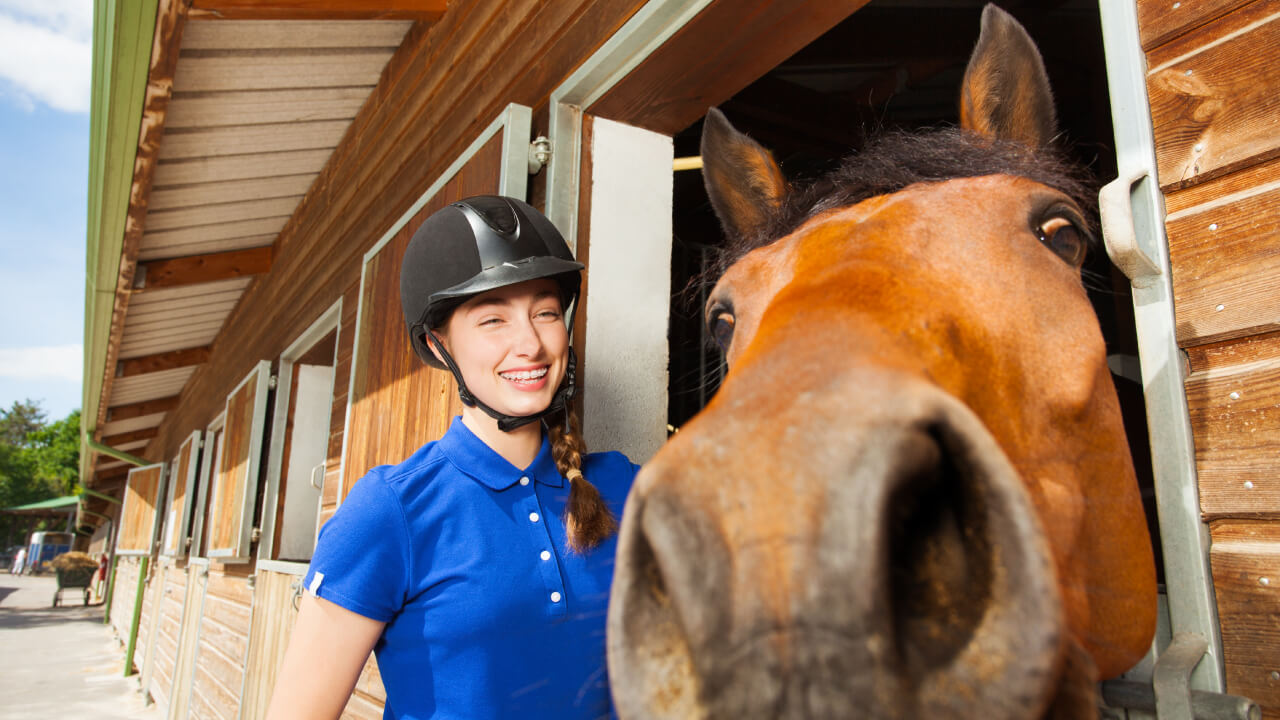
Although horses are large animals, they are actually timid and sensitive herbivores. They can be startled by small things.
Different horses have different triggers. For example, some are more sensitive to sound, while others are easily frightened by suddenly appearing birds.
Horses are also sensitive animals, so if their rider feels anxious, they will pick up on it. Understanding the horse’s personality and potential triggers — such as loud noises or quick movements — is essential. It’s helpful to ask staff or share information with friends at the riding club beforehand.
External factors
Think about your own reactions to unexpected situations. You’d be spooked by loud noises or sudden appearances, right? Horses react similarly. Most of the information they use to perceive their environment comes through their hearing and sight.
Because a horse’s eyes are positioned differently from ours, their visual perception is unique.
Here explains how horses perceive sound and sight differently from humans.
Hearing
As herbivores, horses need to be highly alert to small sounds that could indicate danger. Their ear muscles are well developed to allow free movement, acting like antennas to detect threats.
Horses can hear up to 30 kHz, compared to 20 kHz for humans, making them very sensitive to sound. Some horses wear ear covers called “ear bonnets” to muffle surrounding noise and keep them calm, similar to earplugs for humans.
Sight
Horses’ eyes are located on the sides of their head, providing a wide field of view of about 350 degrees. This helps them spot predators early and escape quickly.
Their pupils are horizontally elongated, which also contributes to their wide visual field, much larger than the 200-degree field of view of humans.
The only blind spot for horses is directly behind them. They may kick at anything approaching from behind for self-protection, because their eyes cannot see directly behind.
Get to know each horse’s personality
Horses, being living creatures, have their own personalities. Some are more sensitive to loud noises or prone to surprise by birds.
Knowing what makes the horse startled or reacts strongly can reduce rider anxiety and help prepare mentally.
Ask staff for information or share observations with fellow riders. If a horse does get startled, stay calm and use a gentle voice, like “Ho-ho”, to soothe it.
Become confident as the leader

Since horses are sensitive animals, they can pick up on the rider’s nervousness. If the rider is anxious, some horses may also become anxious or try to take control, imposing a dominant attitude.
The rider must be the leader. By confidently guiding the horse, you can build trust and enjoy riding.
It’s unnecessary to pull on the reins aggressively; horses can detect gentle cues. Creating a relaxed state for the horse makes riding more enjoyable.
Maintain a positive mindset!
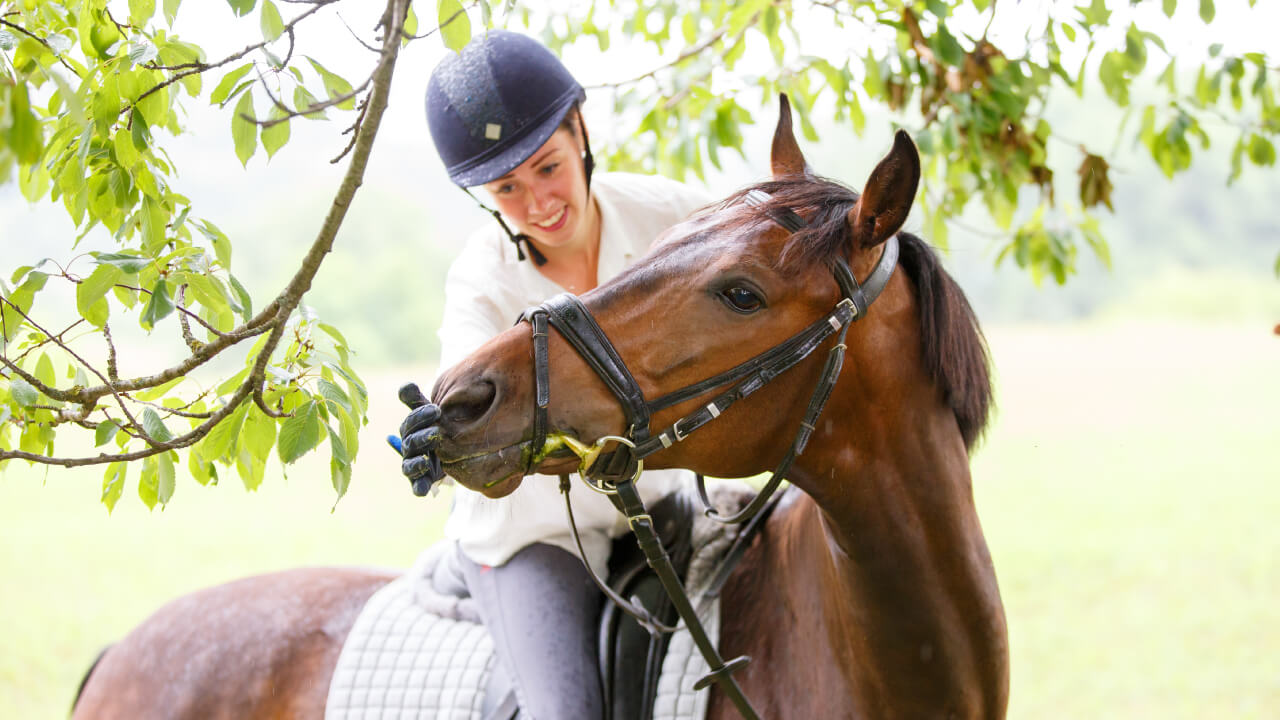
If you can stay positive, even when you cannot control the horse well at first, your confidence will grow. Remember: “I was able to move other horses before!”, or “This horse will learn to trust me over time.”
Stay calm and think positively — guiding the horse with your legs is key to effective riding.
Summary
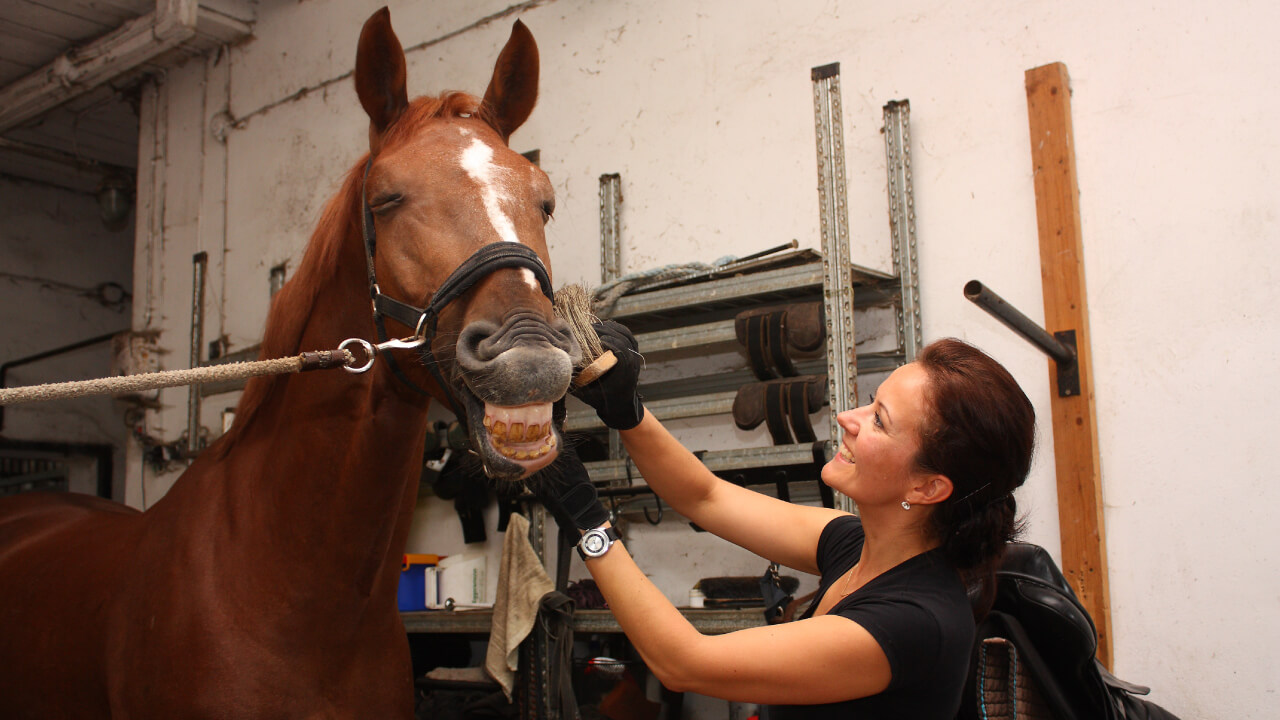
Riding unfamiliar or unknown horses can be intimidating, but feeling anxious can also be transmitted to the horse. To alleviate and prevent anxiety, check the horse’s health and understand what triggers their surprise reactions in advance.
Remember to be confident as a leader and maintain a positive attitude, and enjoy your horseback riding experience with peace of mind.