Are you starting horseback riding but not improving as quickly as you’d like, and wondering if you’re just not cut out for it?
Before you feel discouraged or consider quitting riding altogether, please wait a moment. Horseback riding is not like individual sports where improvement depends solely on practice; it’s a sport that requires harmonizing with your horse to progress. By focusing on core points, anyone can improve. That’s why horseback riding is accessible to people of all ages and backgrounds.
Here, we introduce some strategies to try before giving up, especially for those who feel they might not be suited for riding.
Stop Riding Aimlessly Just to Get Used to It
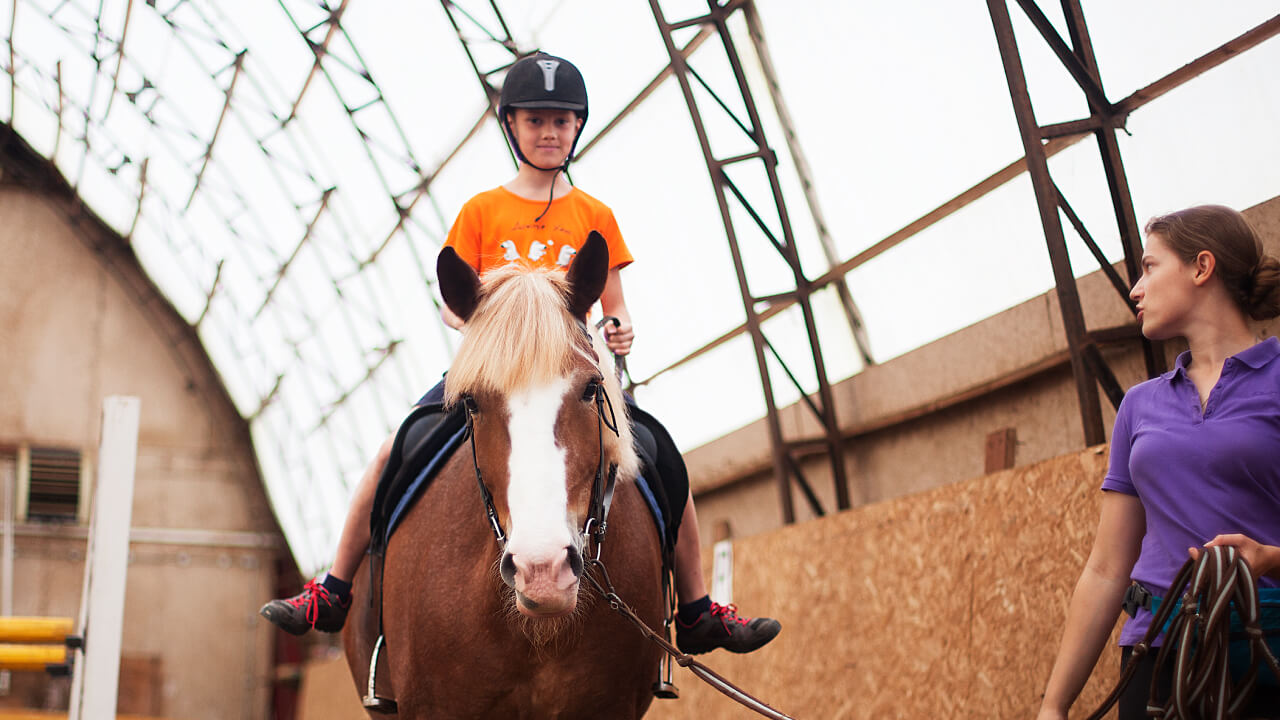
Horseback riding improvement isn’t just about accumulating repetitions. While getting used to riding is important, the most crucial factor is consciously focusing on feedback and correcting your technique during riding sessions.
Some people learn through intuition. Especially children, who often imitate and learn by watching, can improve this way. However, adults usually cannot do this so easily.
Merely riding repeatedly without addressing specific issues doesn’t resolve core problems. Conversely, by recognizing what to correct and actively working on it, significant improvement can be achieved in a short period of time.
Understand Correct Knowledge First
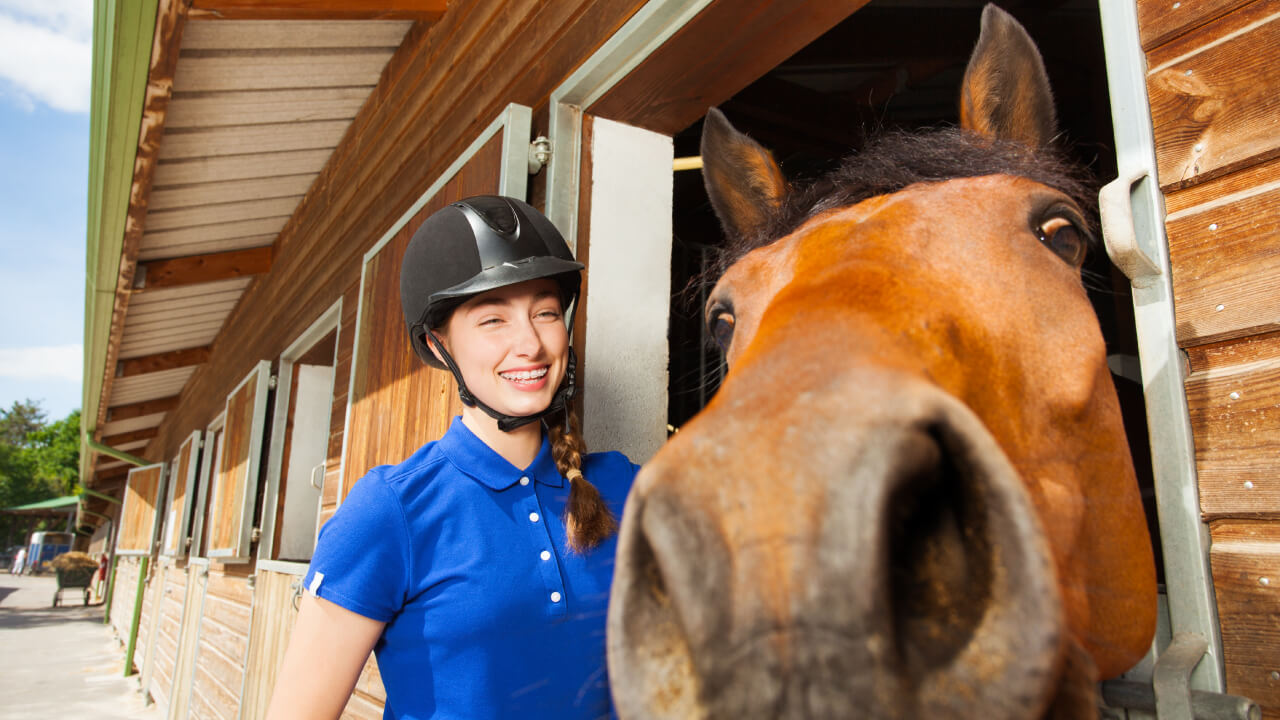
Learning and understanding the correct knowledge is essential for improving in horseback riding. This includes not only practical skills but also theoretical knowledge. By studying the basics of riding, including communication with the horse, giving commands, and body positioning, you can acquire the necessary knowledge for riding. If you don’t understand these concepts mentally, it’s hard to translate them into action. For those feeling they aren’t improving or might not be suited, revisiting and learning the right knowledge is especially recommended.
Record Your Riding on Video
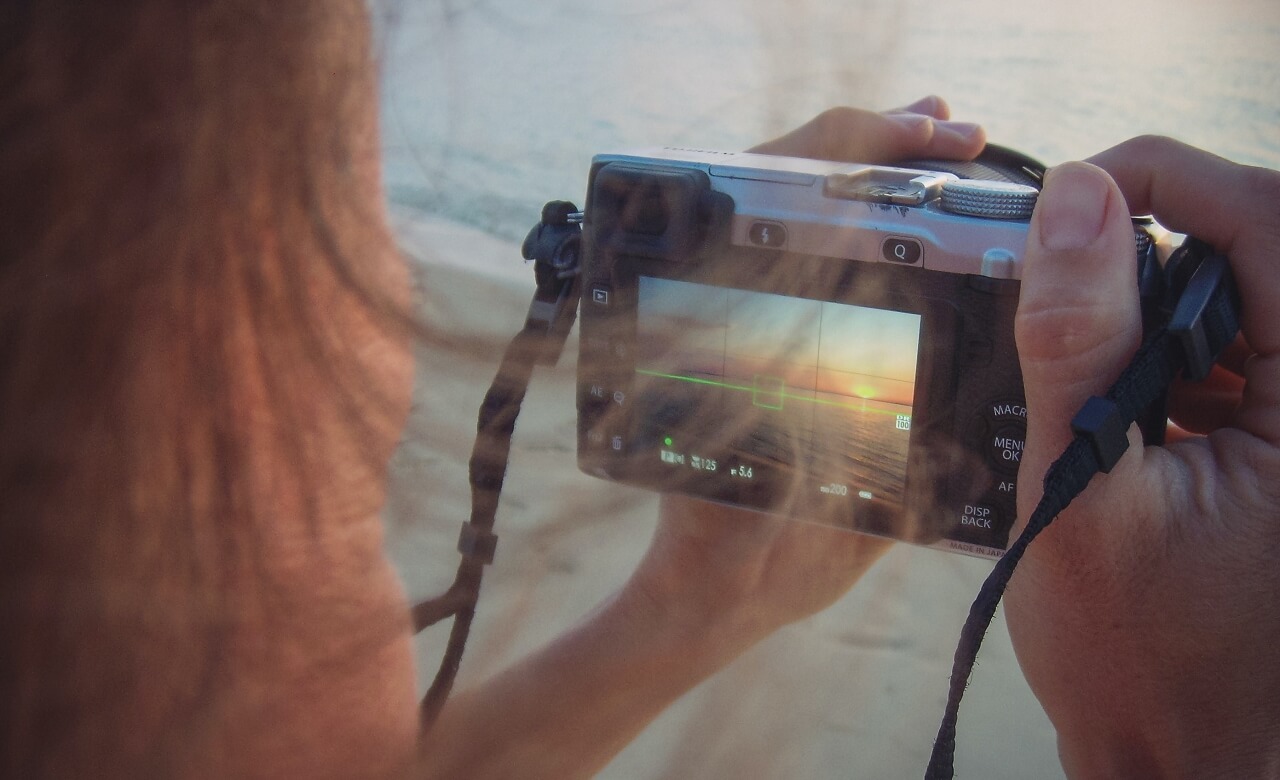
There’s always a reason why you’re not improving. If you don’t recognize this reason, you won’t be able to improve or progress in riding.
Your riding posture and foot positioning greatly influence your improvement. It’s ideal to check your form regularly, but this can be challenging. Some riding clubs have mirrors for this purpose. However, not all clubs do, so capturing your riding on video is a highly effective alternative.
By recording yourself, you can review your riding and pinpoint what needs correction. If the audio quality is good, you can also listen to coaching comments again. If setting up your camera far away makes the audio hard to catch, using an IC recorder just for sound is a good solution.
Identify Your Problems and Practice with Clear Objectives
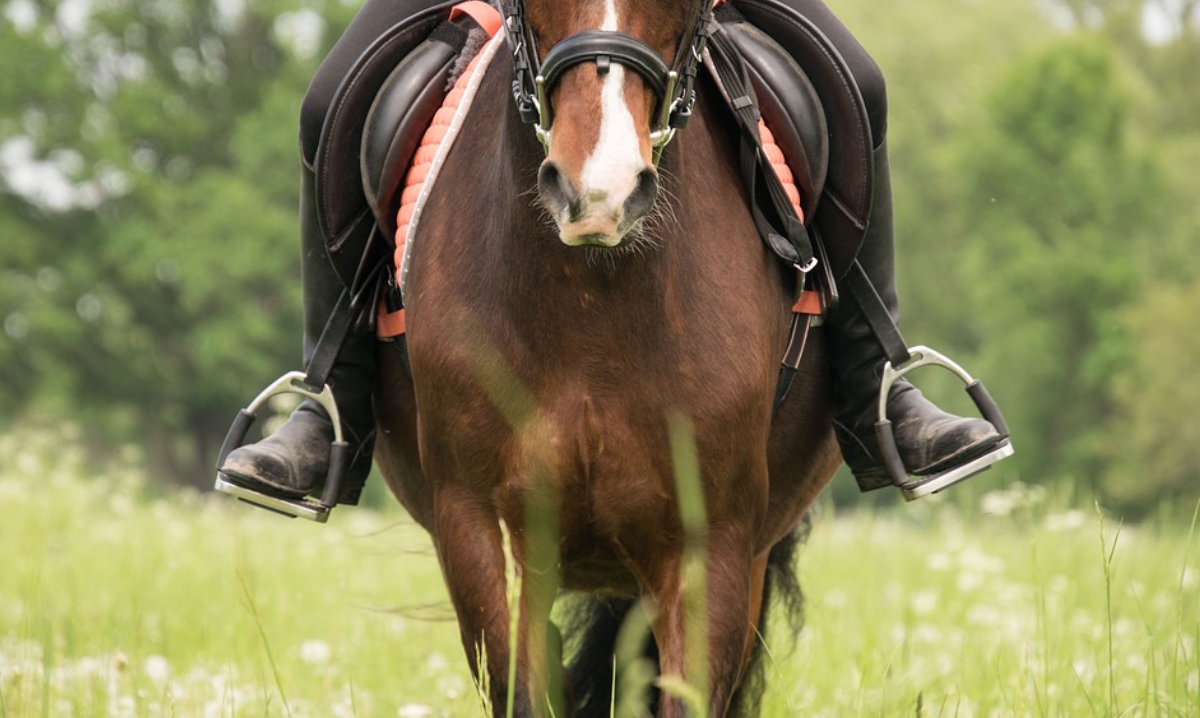
It is essential to clarify your riding issues and challenges and to be conscious of how to improve during lessons. While it’s understandable to want to improve quickly or feel you might be not suited for riding, it’s impossible to fix everything in a single session. Take your time, practice repeatedly, and be patient with yourself.
Decide what to improve and focus on specific points in each lesson. Keeping a record of your riding progress, noting what you worked on, and recording feedback can help identify your main issues and track your growth.
Many riders who feel their skills aren’t improving face issues such as riding posture, mental state, or communication with the horse. A lack of confidence can negatively affect posture, and poor posture may lead to fear if it results in unexpected reactions from the horse.
Sudden nervousness or tension while riding can transfer to the horse, disrupting communication. To ride calmly, take deep breaths and consciously adjust your posture for a relaxed, confident ride.
Summary
How was it?
Most sports share similar principles, and continuous progress is rare. It’s common to hit walls or face doubts along the way. It’s easy to give up when you feel out of your depth.
However, abandoning horseback riding after having so many memorable moments with your lovely horse would be a pity. You might consider trying the strategies outlined above to see if they help clarify whether riding is truly not suited for you.
Trying these methods could be the first step in overcoming your challenges and improving your riding skills.