Horseback Riding and Covid-19 Precautions

The new coronavirus (COVID-19) has been spreading widely, and it’s been quite some time since we started living with it. Since the outbreak, schools have been closed, emergency declarations issued, travel restricted, and social gatherings limited. Even seasonal visits to family and friends have shifted to remote communication, making it difficult to meet loved ones directly. Instead of waiting for the pandemic to end, why not enjoy horseback riding, a fun activity that can be done with proper precautions during these times?
Precautions for COVID-19
Precautions include avoiding the ‘3 Cs’ (closed spaces, crowded places, and close-contact settings), frequent hand cleaning, and covering your mouth and nose when coughing or sneezing. These measures are well known, but what should we pay attention to when avoiding the ‘3 Cs’?
What are the ‘3 Cs’?
The ‘3 Cs’ refer to ‘closed spaces,’ ‘crowded places,’ and ‘close-contact settings.’ More specifically, they are ‘poorly ventilated enclosed spaces,’ ‘gatherings with many people,’ and ‘close conversations or shouting.’ Overlapping these conditions increases the risk of cluster infections. To counteract this, aiming for zero contact is important, for example by opening windows in two directions periodically to create airflow, distancing in lines at supermarkets and seating areas, and avoiding crowded elevators, trains, and buses, or refraining from talking in such spaces.
Can horseback riding be considered a sport that avoids close contact?

Since the start of the pandemic, many people have increased their time spent at home, leading to concerns about weight gain and reduced physical activity. Exercising in close proximity or gathering with others raises questions about safety. Despite these concerns, horseback riding offers a way to exercise and refresh both mind and body while avoiding the ‘3 Cs.’
Is horseback riding free of close contact?
Initially, many outdoor sports facilities, including riding clubs and lessons, were considered safe from the ‘3 Cs’ because they take place outside, in well-ventilated areas. During the first emergency declaration, outdoor facilities were often exempt from closure orders. Some riding clubs also limit group sizes and adopt measures to maintain social distancing.
Infection control measures at riding clubs
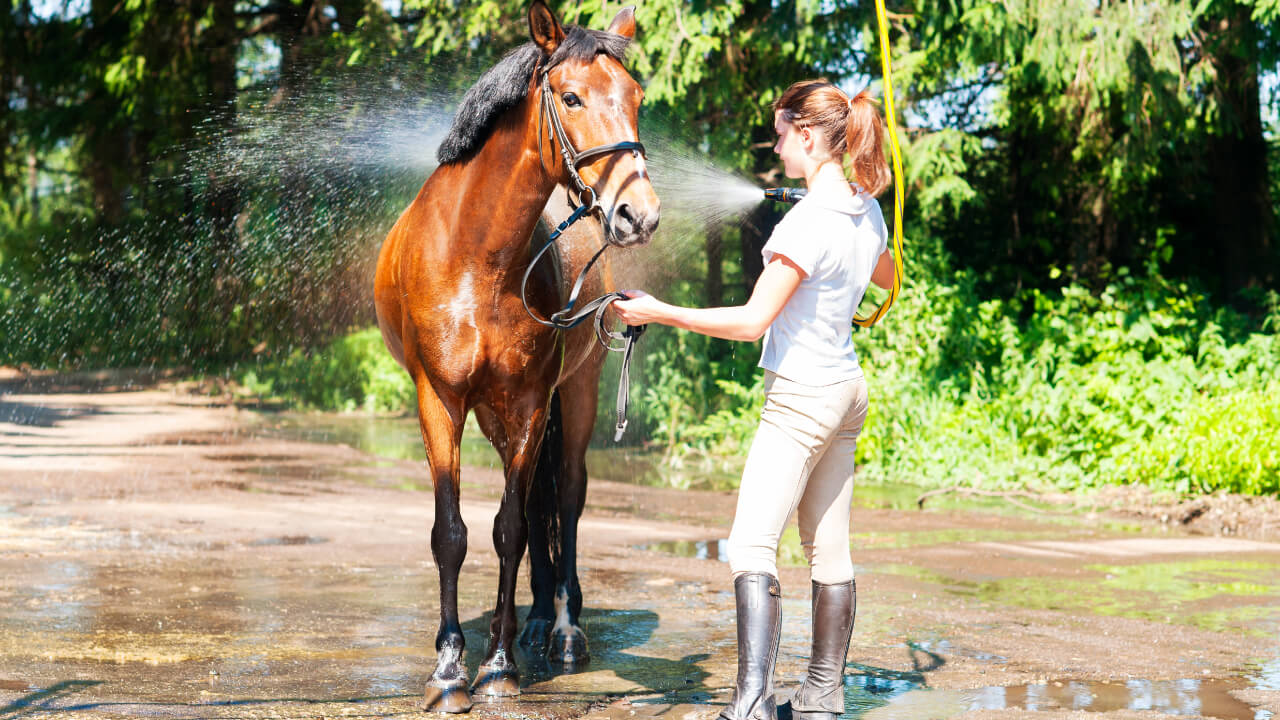
Riding clubs implement various measures such as ventilating premises, limiting the number of people in changing rooms, managing staff health, and requiring mask-wearing outside riding times. Many clubs also ask members to wear masks, wash hands frequently, and limit accompanying family members. These efforts help prevent the ‘3 Cs’ within facilities, but specifics vary by club, so check in advance.
Horseback riding as a relaxing and healing activity
Beyond being a low-contact sport, horseback riding offers therapeutic benefits. Horses with gentle eyes and calm demeanors can evoke feelings of comfort. As social animals, horses can help reduce stress and loneliness through interaction and warmth, boosting self-esteem. Some horses are also trained as therapy horses, providing physical and mental healing, especially for those with disabilities or mental health challenges.
Is there a risk of infection from horses or to horses?

Covid-19 mainly spreads through human-to-human droplets or contact. Cases of animals contracting the virus from humans have been reported, including cats, dogs, tigers, and lions, generally with respiratory symptoms. There are no confirmed cases of horses contracting COVID-19, but equine coronaviruses have been known since 1975, causing gastrointestinal symptoms via fecal transmission. Although direct transmission from animals to humans is rare, good hygiene practices are recommended, especially when animals are unwell.
Can animals infect humans?
While there are few reported cases of animal-to-human transmission of COVID-19, zoonotic diseases from animals are known. Precautions such as handwashing and using alcohol disinfectants before and after handling animals, especially if they show signs of illness, are advised.
If I am infected…
If you test positive, even with mild or no symptoms, avoid contact with horses and inform the staff or other members, following quarantine guidelines to prevent spread.
Summary

During the prolonged pandemic, horseback riding remains a highly recommended sport that avoids the ‘3 Cs’ and offers relaxation. The fact that no cases of COVID-19 transmission between humans and horses have been confirmed may reassure participants. Each riding club is implementing infection prevention measures, but individuals should also practice hygiene and take care of their health, including taking breaks when feeling unwell.