What kind of situations make you feel good impressions of people? Likely, you favor those who compliment you or make you feel safe. Conversely, it’s hard to have a positive impression of someone who constantly does unpleasant things. The same applies to horses. In this article, we will explain what horses dislike and what makes them happy so you can build a better relationship with your horse!
Avoid Quick Movements in Front of Horses
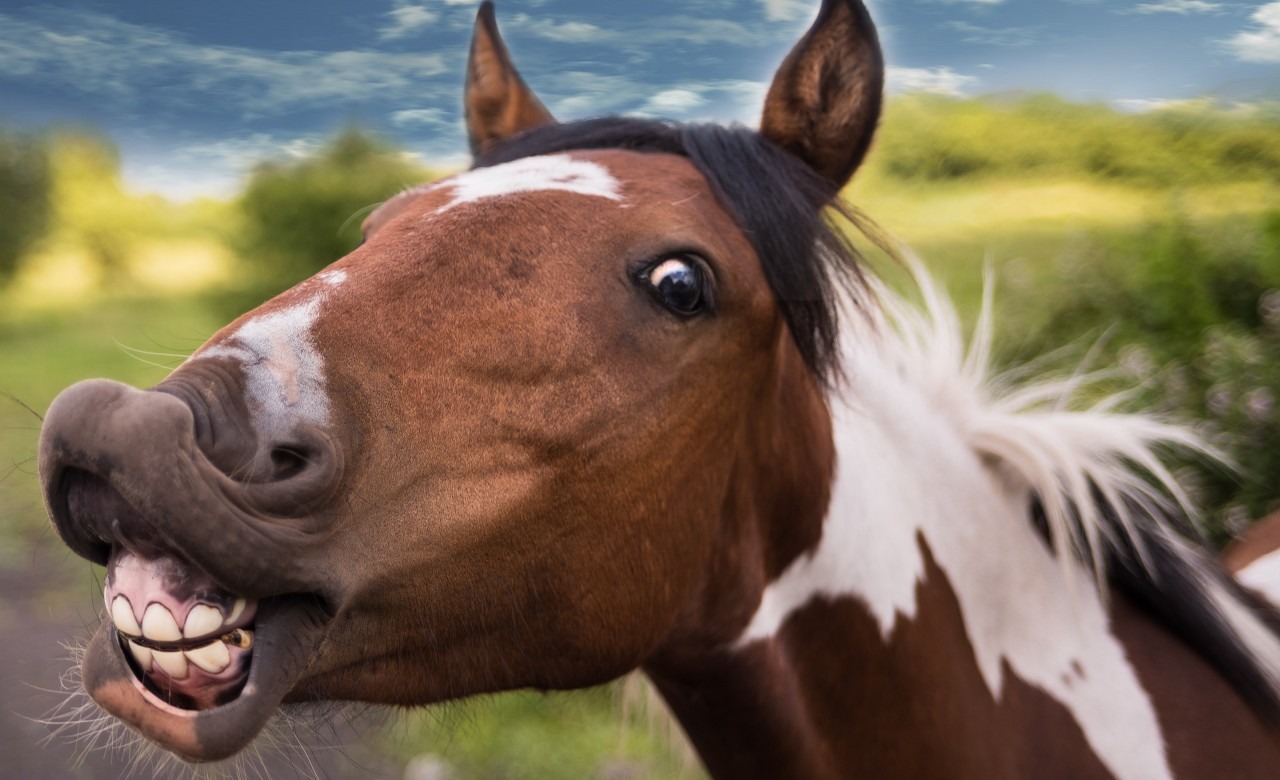
First, it’s important to remember that ‘horses have very strong vigilance’. You might find yourself surprised at how easily a horse can be startled even by small movements once you’ve interacted with them a few times.
What we need to be careful about is our movements. In the stable, tasks like grooming or tidying up may require quick motions. For example, suddenly changing direction after realizing you forgot something, or rushing toward the horse—are these situations?
However, quick movements in front of a horse are a no-go. When startled, horses lower their ears or throw back their heads to show alertness. If you see such signs, reflect on your actions and settle your horse if needed.
Avoid Overreaction and Loud Voices

Similarly to quick movements, large gestures or loud voices should be avoided. Horses are larger animals and might not be as easily startled as you think, but they are actually quite sensitive to human movements.
Refrain from big gestures like waving arms, spreading hands, or jumping when in front of your horse. Likewise, avoid raising your voice, shouting, or making sudden loud noises near them—both when interacting directly and chatting with horsemates nearby.
Know Where Horses Dislike Being Touched
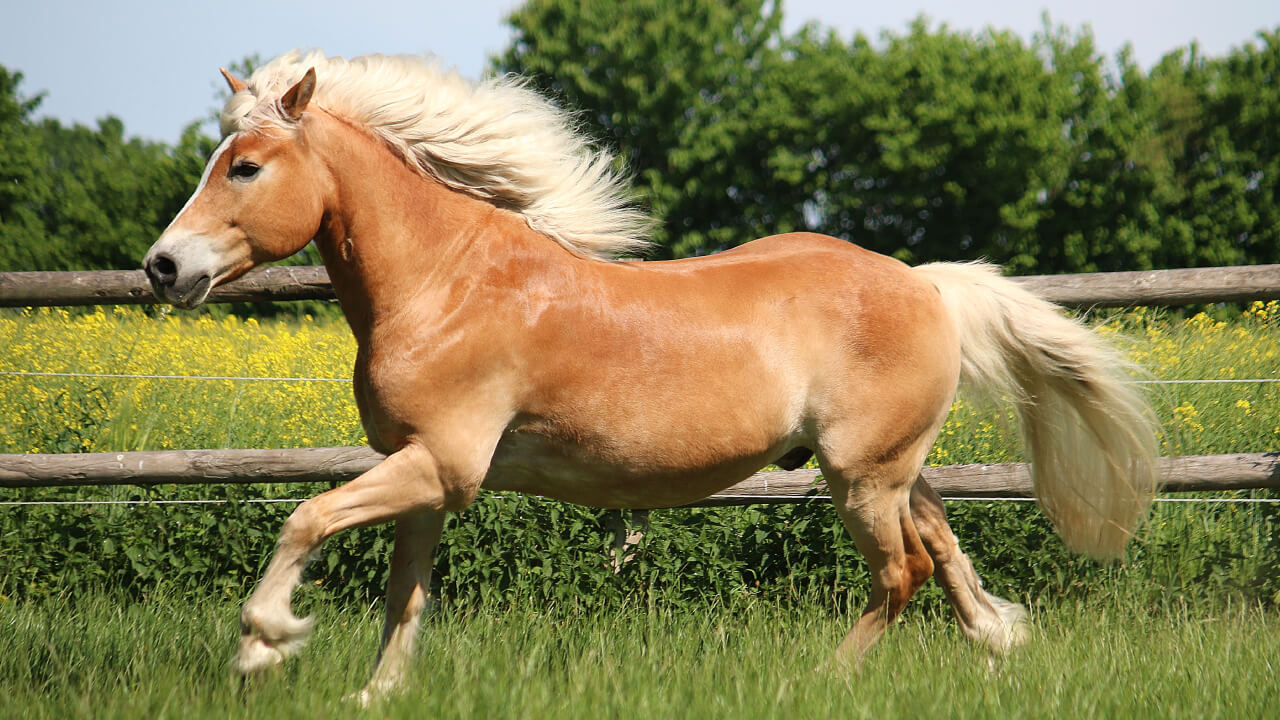
Since each horse has its own personality and preferences, it’s not always the case that a certain spot will be disliked by all. But many horses do dislike certain areas when touched. Here are the top three places horses generally dislike being touched.
Around the Belly
The area most disliked is around the lower belly or flank. Although horses’ sensitivities aren’t fully understood, this might be because this area is less protected by ribs and closer to vital organs.
Regions lacking bone protection and housing vital organs are typically highly sensitive—like a vulnerable spot for animals. If touched unexpectedly by someone they don’t trust, they’ll likely dislike it. When caring for a horse, avoid prolonged or unnecessary touching of this area.
If touched, horses might shake their body or flick their abdomen with their mouth or legs, similar to how people flick away insects on their sides. Many people find this ticklish or uncomfortable, and horses probably feel the same.
Around the Hind Legs
Although horses have wide peripheral vision, the area around the hind legs is on the edge of their sight. They become very cautious if you work near or behind their back legs. When handling things like hoof cleaning or brushing near the hind legs, approach from the front and let them know that you are about to work close to their back legs.
If the horse understands that you are working around its hind legs, it will not kick unnecessarily. Nonetheless, this area remains a nerve-wracking spot because it’s outside their primary view. Avoid approaching the hind legs unless necessary for grooming or care.
As an exception, some horses enjoy brushing the hips, even though it’s a hard-to-see area. Their reason might be that it’s a place they can’t reach themselves and feel relaxed when being brushed there.
Horses not only dislike being touched in specific areas but may also have preferences for certain spots they like to be touched—like the positive reactions you observe from individual horses. Keep observing their reactions and give more affectionate touches if they seem comfortable.
Higher Than Eye Level
This case varies, but many horses get startled if you suddenly touch above their eye level. Some horses like having their face petted, but reaching out suddenly toward their forehead can seem threatening, similar to raising a hand unexpectedly.
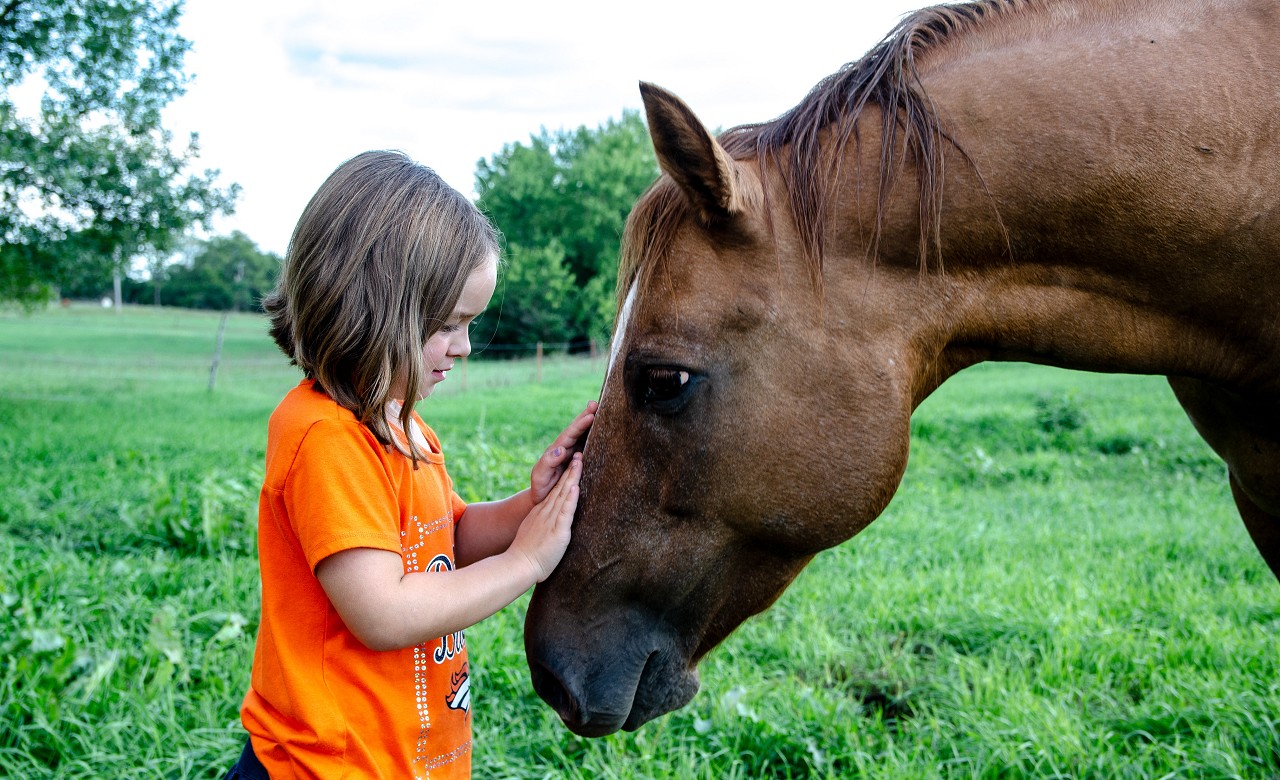
When touching a horse’s face, first see if the horse is interested. Look for ears pointing toward you, indicating curiosity. Approach slowly while talking to the horse, then gently extend your hand toward their nose.
If you don’t touch the horse immediately and wait for the horse to come closer by itself, many will sniff your hand for recognition. If the horse does not show signs of discomfort or tension, it’s safe to touch the bridge of the nose or similar areas. Even above the eyes, some horses are fine with touches as long as they feel like part of the nose or forehead region.
Praise Your Horse Often
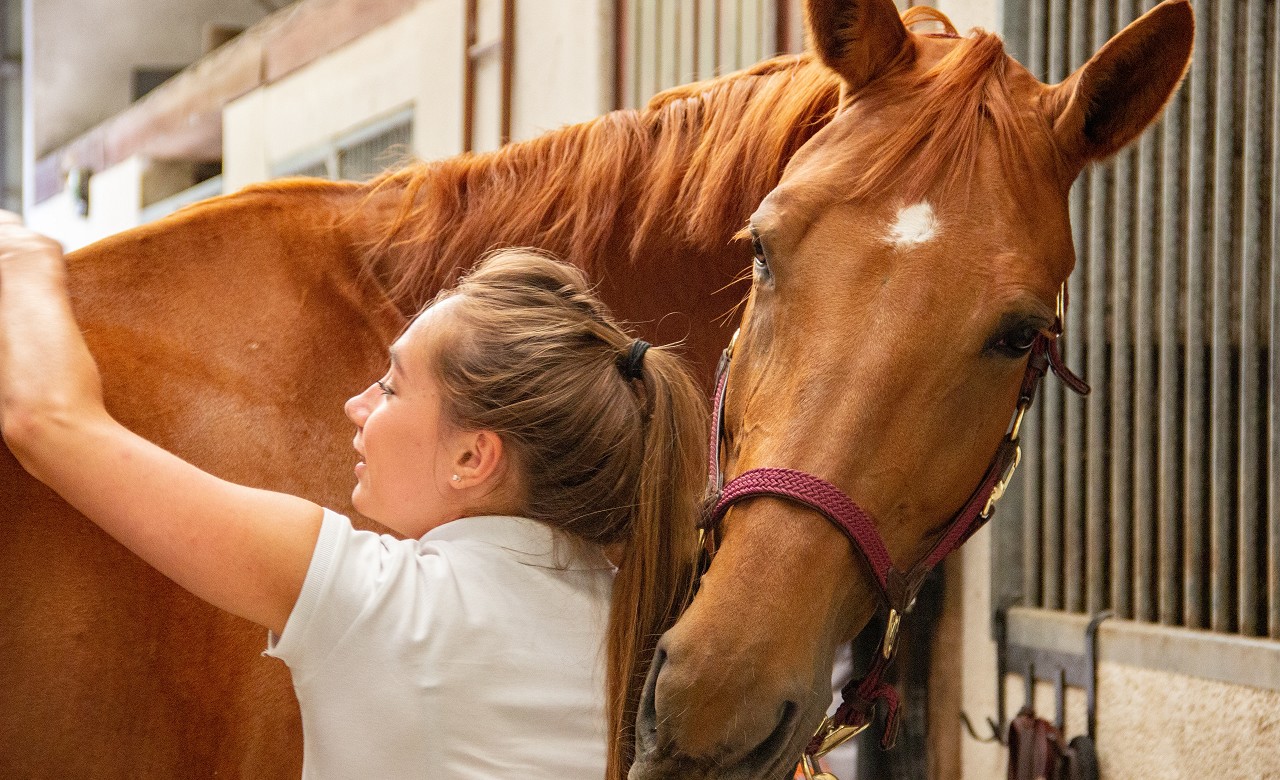
Up to now, we have mainly discussed what horses dislike. The final topic is what makes horses happy. Think about what kind of treatment would be appreciated if you were a horse.
First, if you are well taken care of by someone, you would likely not have negative feelings toward that person. Therefore, actively taking care of the horse you want to get along with—such as feeding or grooming—can help build a bond.
Next, praise frequently. There are many opportunities during riding, such as after successfully jumping over obstacles or giving the right aid, to praise your horse.
When praising, lightly tap the horse’s neck. This action is less about the horse enjoying being touched and more a signal saying ‘good job’ by touching a consistent spot.
While riding, you might be anxious about whether your efforts will succeed. To praise effectively, always pay attention to your horse’s reactions in addition to focusing on your own progress. Observing how your horse responds can enhance your understanding of what they like or dislike.
Summary
The most important thing in building trust with your horse is fostering mutual confidence. By understanding what horses dislike and what makes them happy, you can strengthen your connection. While the examples provided are useful, remember each horse is unique. Use your knowledge to observe each horse’s reactions and tailor your approach, gradually improving your relationship.