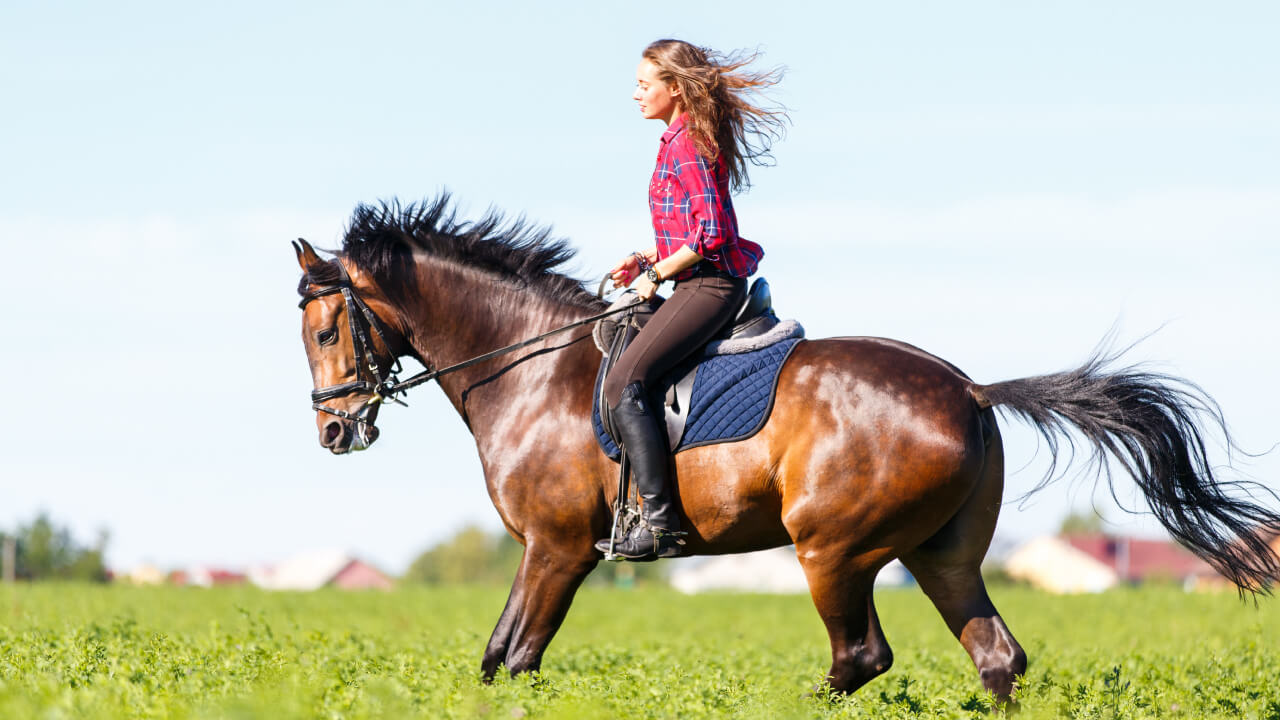
When you see equestrian competitions like those in the Olympics, fast-paced horse races, or scenes in movies and dramas featuring horses, there is often a person riding skillfully and stylishly.
Have you ever tried riding yourself and then felt lower back pain or that your body doesn’t move as you’d like? It’s common to think it’s just because of a lack of practice or experience, but the root cause might be something else.
The Possible Cause: Swayback Posture

Many people who take riding lessons try to mimic top riders by keeping their back straight, shoulders open, and aiming for an ideal posture.
However, after dismounting, they might experience lower back pain or feel heavy in their body. You might think practice and muscle development will eventually solve this, but the real issue could be different.
The cause might be “swayback”.
What is swayback?
Typically, correct posture means your back is straight, your pelvis is aligned, and the spine curves gently in an S-shape from the side.
In swayback, the pelvis tilts forward, and you have an arched lower back where the spine curves from the lumbar region. This results in a protruding belly and outward-tilted hips.
Swayback isn’t just about posture or appearance; it puts extra strain on your lower back and can cause chronic pain and knee discomfort.
Causes of swayback
Reasons include sitting posture, muscle weakness, high heels, and body shape changes. Let’s explore these further.
Many students and desk workers spend most of their day seated. When looking at a side profile, they often have a forward-leaning posture. This leaning in can put stress on the lower back and lead to swayback unconsciously.
Additionally, lack of exercise and aging can weaken muscles, making it difficult to maintain proper posture, causing the pelvis to tilt forward and swayback to develop to keep balance.
Wearing high heels also shifts the center of gravity forward, leading to swayback as the body compensates. Similarly, body shape changes such as obesity or pregnancy can cause the same issue.
Notice a pattern? Women tend to have less muscle mass than men, so muscle decline is more common, and high heels and pregnancy are lifestyle factors mainly affecting women. It’s worth doing a self-check if you suspect swayback.
Self-check for swayback
Here’s a simple way to check if you have swayback.
Stand with your back against the wall, feet together, heels touching the wall, face forward with chin slightly tucked.
Touch the back of your head, shoulders, and heels to the wall.
If there is a gap between your waist and the wall, that’s important. An ideal gap is about the width of your palm, but if both hands can fit, you might have swayback.
Another test is lying on your back on a hard floor; if there’s a large gap between your lower back and the floor, or if your lower back hurts just by lying down, you could have swayback.
Does standing up straight cause swayback?
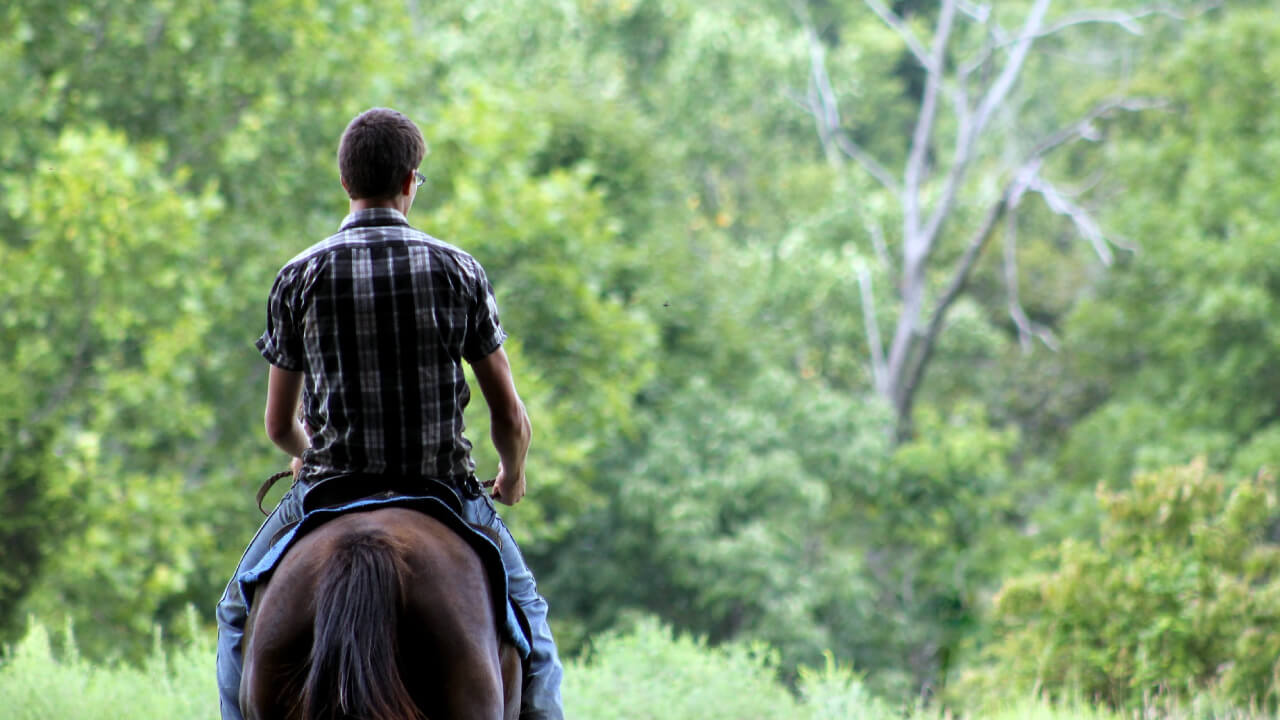
Have you ever been told “your back is rounded” or “you have a hunchback”? Many people try to straighten their back, but doing so intentionally can sometimes lead to swayback. How can you maintain a correct, upright back posture without causing swayback?
The key is in the muscles.
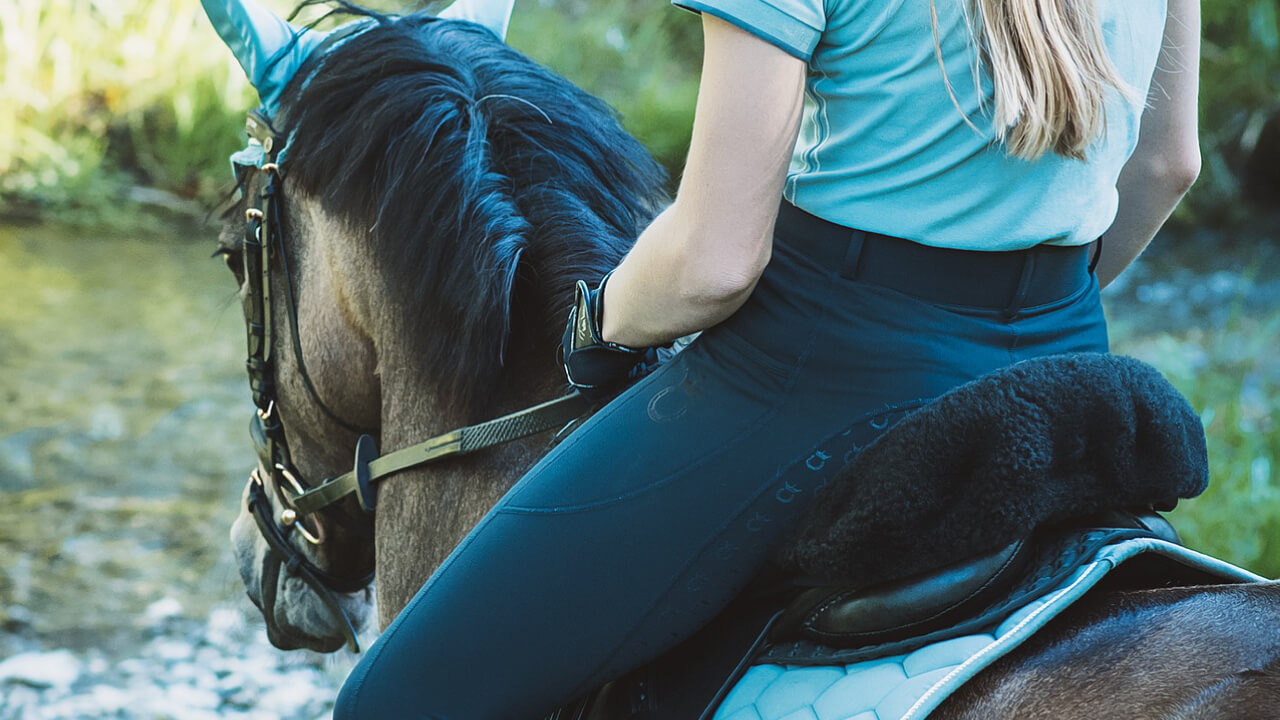
Muscles that stiffen with swayback
If swayback develops, there is hidden strain on your body. For example, the erector spinae, quadriceps, and rectus abdominis are outer muscles affected.
Let’s examine their roles and connection to swayback.
Erector Spinae
When swayback occurs, the pelvis tilts forward, causing tension in the erector spinae muscles. This group runs along both sides of the spine from the neck to the lower back. They support your spine and are essential for standing upright.
Quadriceps
Quadriceps are located in the front of the thigh. Although it may seem unrelated to the lower back, they are linked because in swayback, the pelvis tilts forward, shifting the center of gravity forward. The front thigh muscles, including the quadriceps, are engaged to support this shift and become more developed.
Rectus Abdominis
This muscle connects with the quadriceps and is commonly known as the “abs.” While strong abdominal muscles are generally good, in swayback, they are often overdeveloped due to a forward-tilted posture, which can distort internal balance and create a distorted skeletal structure and muscle imbalance.
How to Correctly Straighten Your Back Without Developing Swayback
To straighten your back without causing swayback, focus on loosening the affected muscles and strengthening the muscles that maintain proper skeletal alignment.
Key points include:
Muscle Stretching – Part 1
Start by kneeling with both knees on the floor, then extend your left leg forward to create a lunge position. If your right knee is painful, pad it with a towel. Keep your back straight. Place both hands on your left knee and lean forward, stretching the front thigh and lower abdomen. Breathe slowly and hold for 30 seconds. Repeat with the opposite leg.
Muscle Loosening – Part 2
Stand on one foot on a low step or stair and gently swing the opposite leg back and forth. Do not force the movement; let the leg swing naturally like a pendulum. Lightly hold the ankle or hip to stabilize. Swing for about 10-20 seconds, then switch legs. This stretch helps connect the upper and lower body and improves flexibility in muscles like the psoas and hips, even if you already have lower back pain.
However, be cautious of the risk of falling when standing on low steps or stairs.
To Maintain Proper Posture – Part 1
Building a correct posture requires supporting the skeletal and internal organs. This means training your inner muscles.
Inner muscles are deep muscles that support your posture and are less visible but crucial. To strengthen them, lie on your back with knees bent. Place your palms between your waist and the floor, tighten your abdomen to push your lower back into your hands. Hold for 30 seconds. Then, keep the tension and lift your hips, holding for another 30 seconds. Be careful not to lift your waist. This trains your transverse abdominis.
To Maintain Proper Posture – Part 2
The classic core exercise, the plank, is excellent for strengthening inner muscles and toning the entire body.
Start in a prone position, elbows directly under shoulders, knees off the ground, with a straight line from head to heels. Engage your core and hold for 30 seconds while breathing. Repeat as you get comfortable.
This exercise might seem tough, but it’s very effective. Make sure your body stays aligned—using a mirror or having someone check can help ensure proper form.
Summary

Watching riders often evokes admiration for their graceful control of the horse. However, when you try riding, you might experience body pain and be surprised by how strenuous it is. Even parts of your body that don’t usually hurt can become sore, reminding you that riding is a full-body workout.
One root cause of this pain might be swayback, as discussed earlier.
Swayback not only affects your appearance and posture but can also lead to chronic lower back pain and knee pain. It may also cause you to lean forward during riding, making it harder to give proper signals to the horse.
To improve swayback, strengthening your inner muscles is essential. Consistent effort is necessary, but the benefits extend beyond riding to daily life, improving your overall posture and comfort.