Although the term ‘equestrian’ encompasses many sports where a rider and horse work as one, only four disciplines—show jumping, dressage, eventing, and endurance—are officially recognized by the Japan Equestrian Federation. In this article, we will explore the disciplines recognized by the World Equestrian Federation: Western, Carriage, and Light riding!
Western Sports

Overview of Western Sports
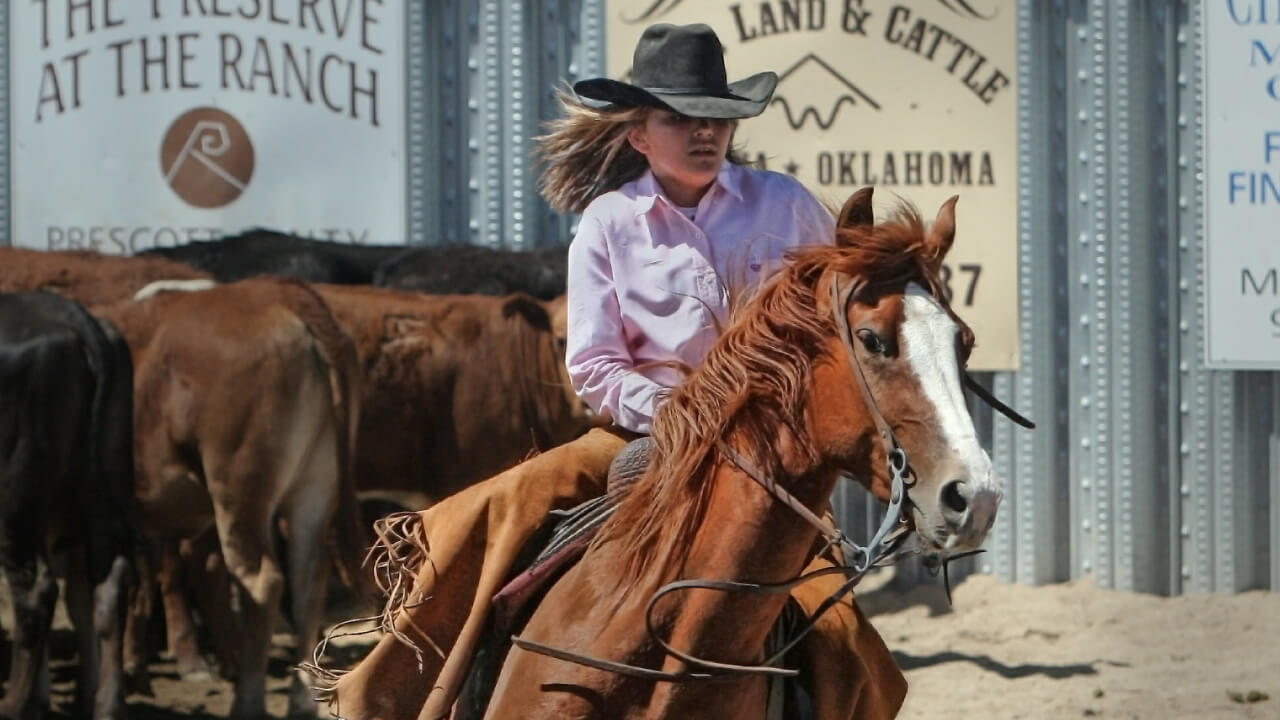
Even if you’ve never watched Western sports, you might picture a cowboy when you hear the term. Historically, cowboys were professionals who herded cattle on horseback, often in rugged terrains.
Handily and skillfully maneuvering their horses, cowboys developed techniques and culture that eventually became competitive sports. Western sports feature distinctive attire, including cowboy hats and jeans, differing from traditional British riding gear.
Western Disciplines
Western Horsemanship
This discipline focuses on rider skills such as posture and aids, assessed through pattern tests and railwork, rather than horse’s movement.
Pattern tests involve horse and rider executing prescribed routines together, while railwork involves performing specified gaits simultaneously within an arena. It requires high precision and control, making it a complex discipline despite appearances.
Western Pleasure
Long hours on horseback demanded by cowboys for work resulted in a discipline emphasizing smooth, low-stress movement for both horse and rider. It is judged on stability, obedience, and training, with the focus primarily on the horse’s qualities rather than the rider.
Showmanship
Uncommon in Western riding, this discipline does not involve riding. Similar to dog shows, horses are led rather than ridden, judged on grooming, precise guiding, and manners. It’s more akin to a performance or parade.
Reining
This iconic Western event showcases highly dynamic maneuvers like fast spins, slides, and stops, born from cattle herding techniques. It’s evaluated on quick reactions and control and is known for its dramatic flair.
Trail
This discipline tests the horse’s ability to navigate obstacles like bridges, logs, and gates similar to ranch work. Judged on control, safety, and calmness, it emphasizes precision over speed.
Other Disciplines
Additional fast-paced competitions include barrel racing, pole bending, and American rodeo events like cutting, working cow horse, and team penning, all showcasing diverse skills involving cattle.
Carriage Sports

Overview of Carriage Sports
Carriage driving is a discipline that involves guiding a horse-drawn carriage with skill. You might see large horses pulling carriages calmly in tourist spots, but the competitive side includes skills like driving multi-horse teams from medieval to modern styles.
Disciplines in Carriage Sports
Dressage
Carriage dressage is similar to riding dressage, performed in a rectangular arena with alphabet markers. Horses perform synchronized, smooth movements, impressing spectators with their elegance.
Marathon
Often using cross-country courses, marathon involves navigating obstacles such as water hazards and jumps with speed and agility. It’s a vigorous event, requiring teamwork with additional crew members helping with steering and balance.
While only the driver is considered the competitor, team coordination is critical, and the event’s excitement comes from this teamwork component.
Cones
This event involves precision driving through arranged cones with balls on top. Penalties are assessed for touching cones or missing the course, and quick, accurate turns are necessary, posing risks like tipping over.
Light Riding Sports

Overview of Light Riding
In light riding, the rider stands on a broad padded belt called a ‘bearer,’ guiding the horse with rhythmic cues. During the performance, riders perform acrobatic acts similar to gymnastics, making it more akin to a show or circus act than traditional riding. Unusually, this discipline separates men and women into individual competitions.
Usually, horses do not wear saddles during light riding, and riders use a broad cushion-like device called a ‘belly band’ with a handle for gripping, adding to the performance’s spectacle.
Light Riding Events
The events include prescribed routines where riders perform specific movements like mounting, sitting, and standing, evaluated mainly on the quality of movement. There are also freestyle and technical categories where artistic expression is judged.
Competitions are divided into individual, pairs, and team events, each with unique appeal. Both rider athleticism and control skills are essential. Judging involves scoring from multiple judges, with 25% of the score based on the horse’s movements and 75% on rider’s technique and artistry, similar to dressage.
Summary
The disciplines introduced are rarely seen outside specialized circles, but watching or practicing these can offer insights into new aspects of horsemanship. You’ll discover new attractions of horses and skills beyond your usual experience. Be sure to check out various events, either in person or through videos, to deepen your appreciation for equestrian sports.