
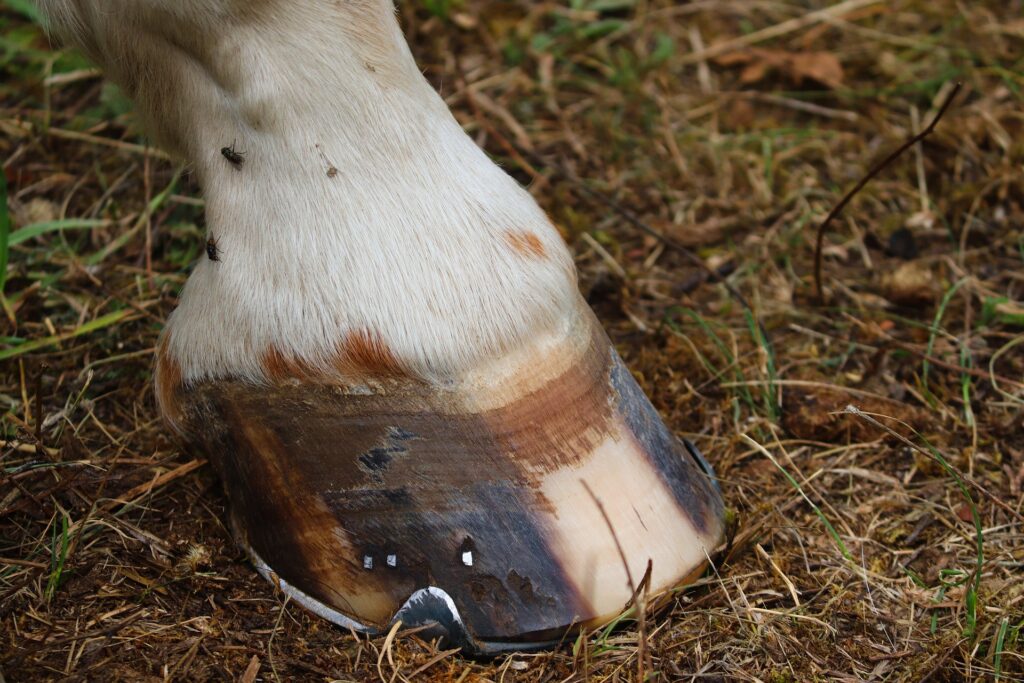
As winter reaches its peak, just as our hands become dry and chapped, horses’ hooves also tend to dry out. In this article, we will explain how to care for horse hooves during winter and discuss common hoof illnesses!
What Are Horse Hooves?
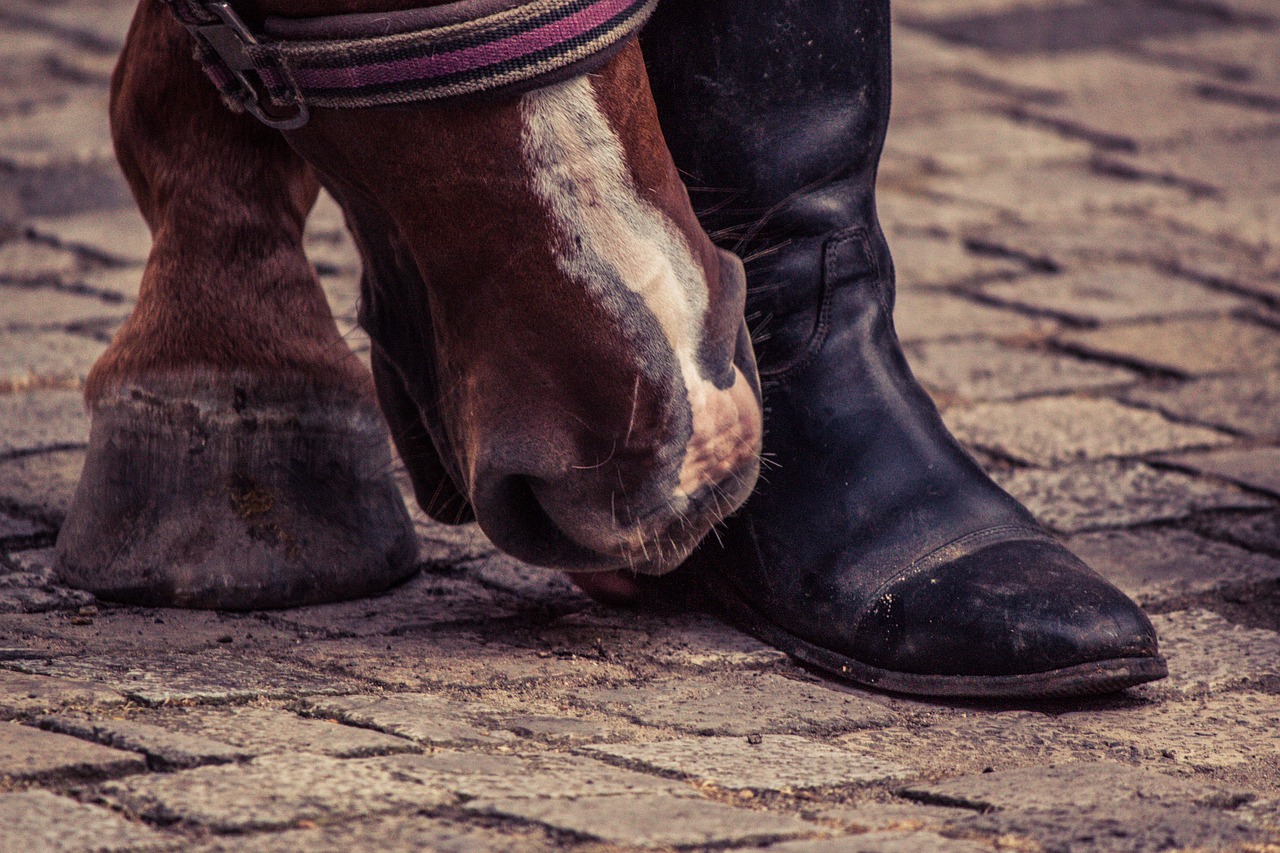
Even if you have never interacted with horses directly, you probably recognize their image from stories, movies, or illustrations. Therefore, you might not have much feeling of unfamiliarity with what hooves are, even if you haven’t thought about them before.
But when you think about it, what exactly are horse hooves, which are as hard as animal horns? And how do they compare to the tips of our feet? Let’s start by understanding these basics!
Hooves = Developed Nails
Humans have five fingers, but horses only have one. To visualize, it’s like standing on only the middle finger.
Ancient horses had multiple toes, but over time, they gradually degenerated into a single toe. Skeletal evidence shows two thin, degenerated toes that remain as faint bones. Some also believe that the ‘night time’ structure in the middle of the leg is a remnant of a thumb that disappeared.
Why did they become a single toe? Was it inconvenient? This change is thought to be an adaptation for grazing animals like horses to escape predators.
Horses needed to run faster over open plains to escape, so their legs evolved to be quick-moving and capable of withstanding powerful pushes — resulting in the broad, thick, and hard hoof shape we see today.
Are Hooves the Second Heart?
Horses’ hooves not only absorb shock from the ground but also play a vital role as a ‘second heart,’ helping circulate blood throughout their bodies.
Since horses are large, relying solely on the heart to circulate blood to extremities creates a lot of strain. So, the hooves help by acting like pumps, reducing effort on the heart and promoting blood flow.
The way they do this is fascinating: despite their hardness, hooves slightly stretch and contract under the weight of over 400kg, acting like a pump to pressurize and relax blood vessels in the extremities.
What is ‘Cracked Hoof’ in Winter?
While the hooves serve many important functions, neglecting winter care can lead to cracks. Cracked hooves, known as ‘裂蹄’ (retien), are common if proper maintenance isn’t performed. But what are the symptoms, and how long does it take to recover?
Causes of Cracked Hooves
Despite their strength, hooves are prone to cracking when dried out, much like fingernails. Besides dryness, stepping on hard objects like stones, overgrowth, or trauma from the horse’s own movement can cause cracks. In some cases, cracks run vertically, but if there’s damage near the coronet band, horizontal cracks may develop later.
Can Cracked Hooves Be Treated?
Effective treatment focuses on preventing cracks from spreading further. Once the hoof grows out sufficiently, the damaged part can be trimmed away, completing treatment. It’s important to adjust horseshoes to avoid putting pressure on the cracked areas, and rest may be necessary. In cases where cracks reach the root of the hoof, inflammation and pain may require medication.
Other Common Hoof Diseases
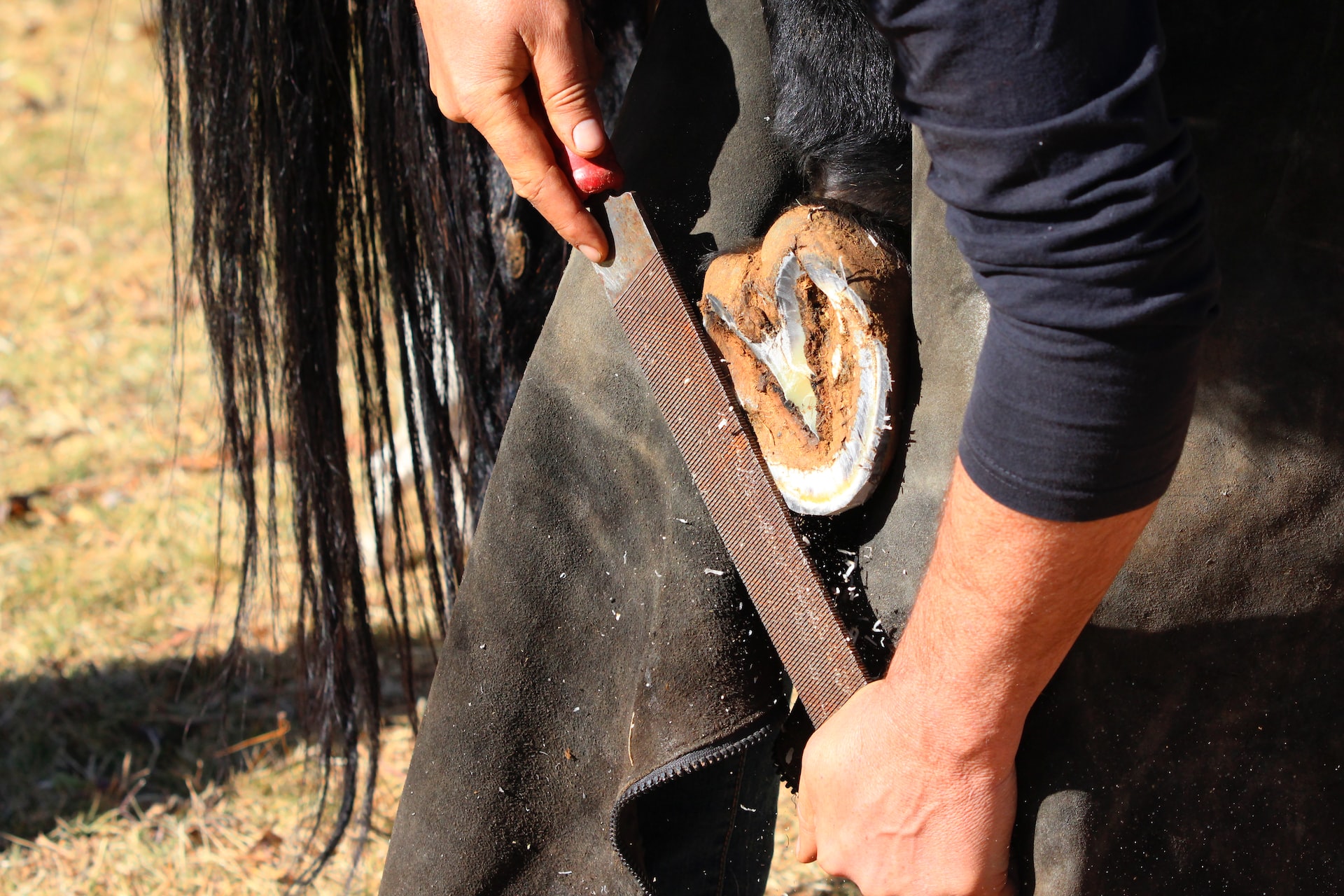
Hooves support the weight of the horse and contact the ground continuously, making them vulnerable to diseases and injuries. Besides cracked hooves, some other common issues include:
Thickening of the Hoof
Inflammation inside the hoof, known as ‘蹄葉炎’ (laminitis), often occurs in the opposite leg of an injury, likely due to over-compensation. Other causes include infection, miscarriage, pneumonia, or a general decline in health.
Canker
This is a bacterial or fungal infection that causes the hoof tissue to rot, often due to poor hygiene in the stable or constantly wet outdoor areas.
Knock-Knees (Coffin Joint Inflammation)
This is similar to heel pain in humans. The soft tissue called the ‘蹄球’ (frog) cushions the hoof when weight is applied, but if the heel is lowered excessively during shoeing, it can cause inflammation. Injuries from the horse’s own hind legs may also trigger inflammation.
Mound Disease
The ‘蟻道’ (ant passage) is a fungal or bacterial lesion that creates tunnels in the hoof, resembling an ant colony. It can occur spontaneously or as a secondary issue following other hoof diseases.
Winter Hoof Care Tips
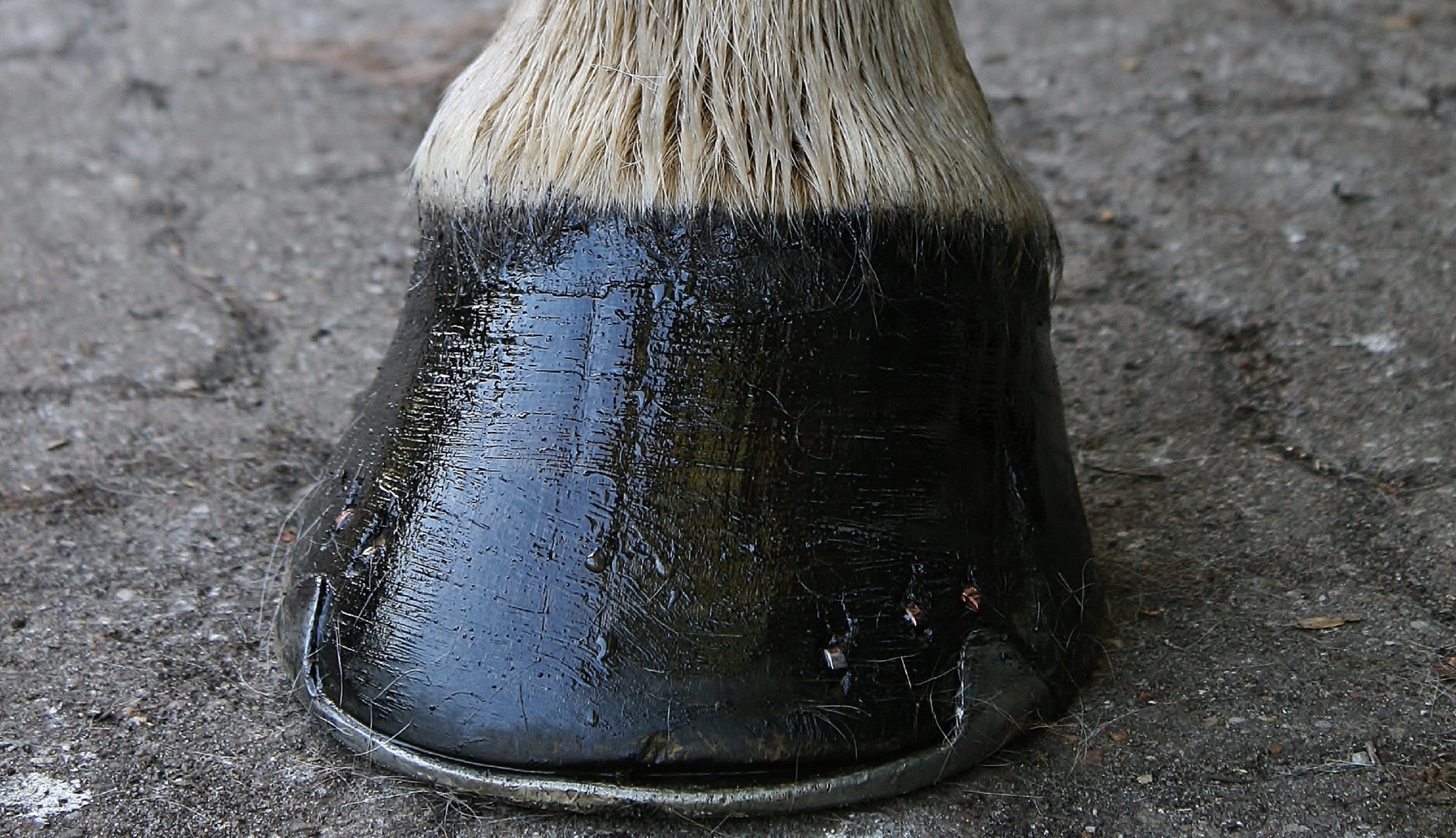
While horses’ hooves perform many vital functions, neglecting winter care can lead to cracks and other problems. Here are some essential tips for winter hoof maintenance.
Regular Cleaning and Picking
This is the fundamental step for all seasons! Remove accumulated bedding, mud, manure, and debris from the hooves to prevent infections and keep the hoof surface healthy. Be careful not to scratch the hoof wall or sole too aggressively.
Know the soft and hard areas of your horse’s hoof to avoid injury and ensure proper care.
Avoid Overwashing
If washing is necessary, use water sparingly. Over-washing, especially in winter when hooves are less likely to dry, can cause damage by trapping moisture and leading to cracks or infections.
Too much moisture and subsequent drying can weaken the hooves, so moderation is key.
Moisturize with Hoof Oil
Applying hoof oil helps keep the hooves supple and resistant to cracking. During cold winter months, regular application is especially important to maintain hoof health.
Before applying, ensure the hooves are clean and dry to maximize absorption.
Summary
Horses’ hooves are vital for their health and mobility. Proper winter care can prevent injuries and diseases, ensuring your beloved horse stays healthy and active during the colder months.