

Materials and Construction of Horse Riding Helmets

First, helmets are essential gear that protect you during horseback riding, supporting an enjoyable riding experience.
Unlike other sports, horseback riding involves skillfully handling live animals, which can sometimes lead to falls.
Falling off can result in serious head injuries, and in some cases, the horse may become agitated and step on the rider’s head.
Additionally, during maintenance, a horse’s legs might cause injuries, so wearing a helmet during riding, grooming, and tacking up is crucial for safety.
Horse riding helmets typically cover a larger area than standard bicycle helmets, and since they must fit snugly for safety, most are adjustable.
However, in Japan, there are no specific safety standards for riding helmets, so inexpensive, non-compliant helmets are sometimes sold.
Always check if a helmet meets safety standards before purchasing.
EN1384
This is a common safety standard also seen in Japan.
Established by the European Standardization Center in 1996, helmets complying with this standard can display the “CE” mark if they meet the requirements of European countries.
Because testing methods and standards vary across countries, helmets with the CE mark may differ in safety performance, especially for helmets made before 2016.
VG1
Started in 2016, this is a newer, more stringent safety standard.
Helmets conforming to VG1 are generally thicker, offering higher impact protection than older models.
ASTM
This is the U.S. safety standard for riding helmets, developed by the American Society for Testing and Materials.
It’s similar to the Japanese JIS standard but less common in Japan, where European standards are prevalent.
89/686/EEC
This often appears in Japan but is not specific to riding helmets; it’s a broader safety regulation for personal protective equipment against various hazards.
For riding, helmets that pass many impact tests and meet European standards like VG1 are recommended.
These helmets are designed to withstand falls, collisions, and impacts from fences or kicking horses, covering vital areas like the spine and preventing helmets from falling off during rides.
Some helmets have a breakaway brim to prevent injuries when falling.
Ensure your helmet meets safety standards for effective protection. Remember to handle your helmet with care to maintain safety, and always observe safe riding practices.
Helmet materials are mainly traditional velvet and modern plastic.
Older helmets were usually velvet, offering a classic appearance, with size adjustments made via a 1cm incremental fit system.
Velvet helmets often lack a dial for fine fitting but have a luxurious look and traditional style, though they are less breathable and require careful maintenance.
Recently, lightweight, breathable plastic helmets with adjustable dials have become popular for their ease of use and comfort.
Daily Helmet Maintenance
Wipe helmets gently with a soft cloth and dry in the shade.
For velvet helmets, use a soft brush along the nap to remove dust and dirt, preferably a gentle animal hair brush.
Post-Ride Care
If your helmet gets wet from rain, wipe it thoroughly with a dry cloth and dry in the shade.
For velvet helmets, remove excess water immediately by dabbing with a dry cloth.
What Not To Do: Handling Do’s & Don’ts
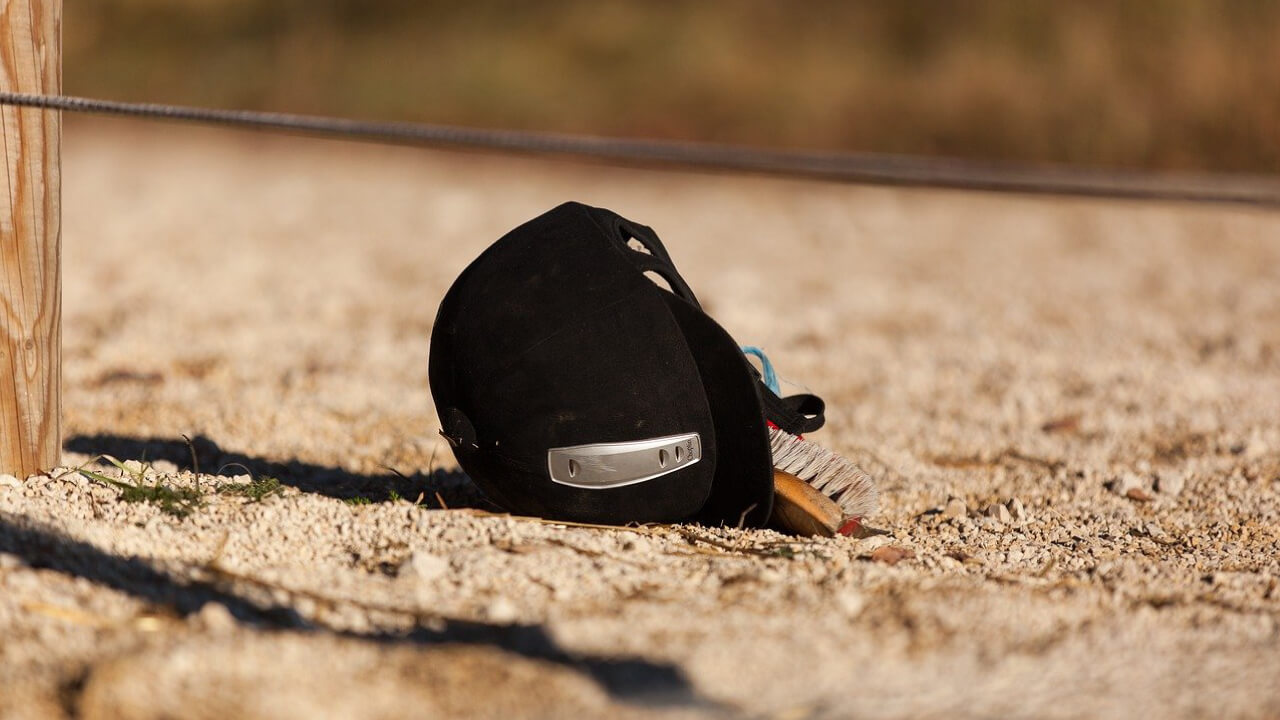
Helmets are vital for protecting your head. Use them carefully to ensure longevity.
Dropping from heights or hitting objects can deform the impact-absorbing foam inside, reducing effectiveness.
Even if no visible damage is apparent after a strong impact, replace the helmet with a new one.
Avoid prolonged exposure to sunlight, which accelerates deterioration. Store helmets indoors or in shaded areas.
Helmet Cleaning Methods
Clean helmets with a soft sponge and neutral detergent.
For helmets with removable inner pads, wash according to the manufacturer’s instructions.
Replace worn-out inner pads, as they lose cushioning and can affect fit.
Do not use solvents like paint thinner or alcohol as they cause deterioration.
Clean chin straps by soaking in water or lukewarm water with a few drops of shampoo or body soap, then gently wash and rinse thoroughly.
Allow helmets to air dry in a shaded, well-ventilated area.
Summary
Helmets are essential for head protection. Maintain them regularly for safety and longevity.
Helmets have a lifespan; impact liners made of polystyrene foam degrade over time due to moisture, skin oils, sweat, and hair products. Replace helmets every 3-5 years.
Always use the correct size and proper fitting methods. Helmets do not guarantee complete safety in accidents; ride responsibly.