
Adaptability of Horses to Cold
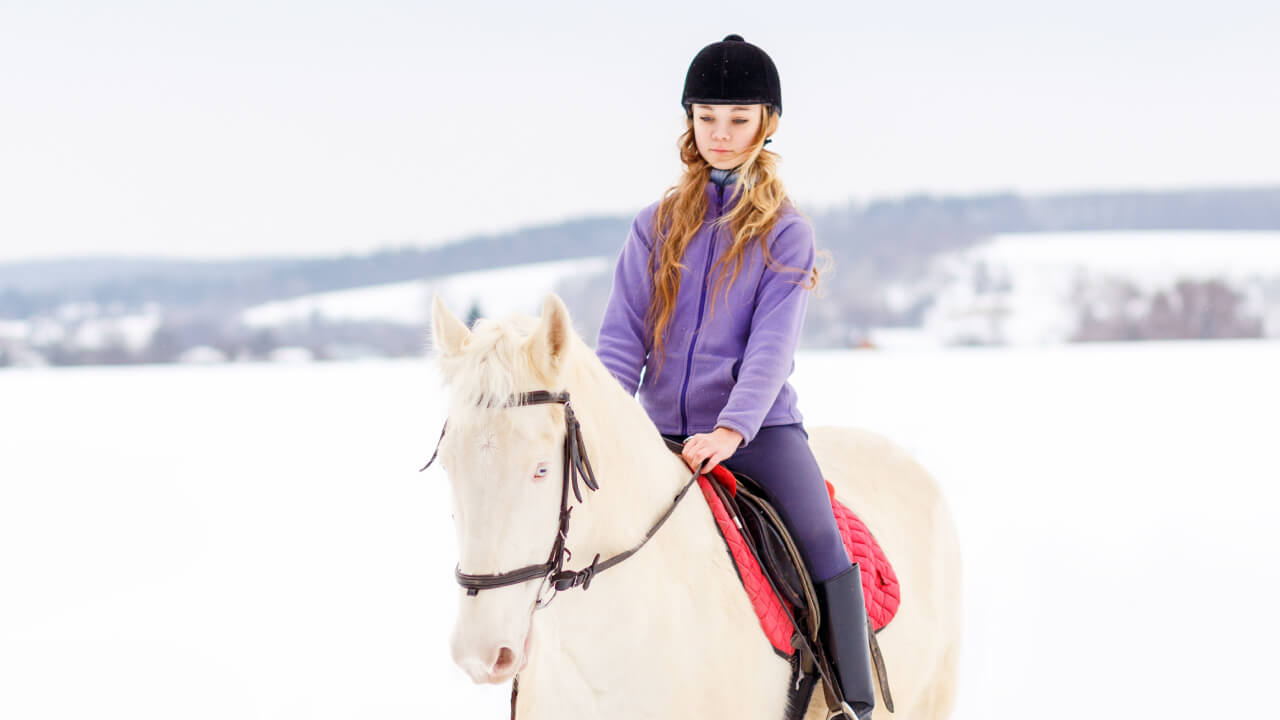
As seasons change, humans adapt by changing clothes, using air conditioners, heaters, and humidifiers during dry seasons to avoid health issues. But how do horses cope outdoors? Are they protected by winter coats like other animals? What about the ventilation in large stables? Here, we explain horses’ adaptability to cold temperatures and effective winter care strategies.
Are Horses Naturally Cold-Resistant?
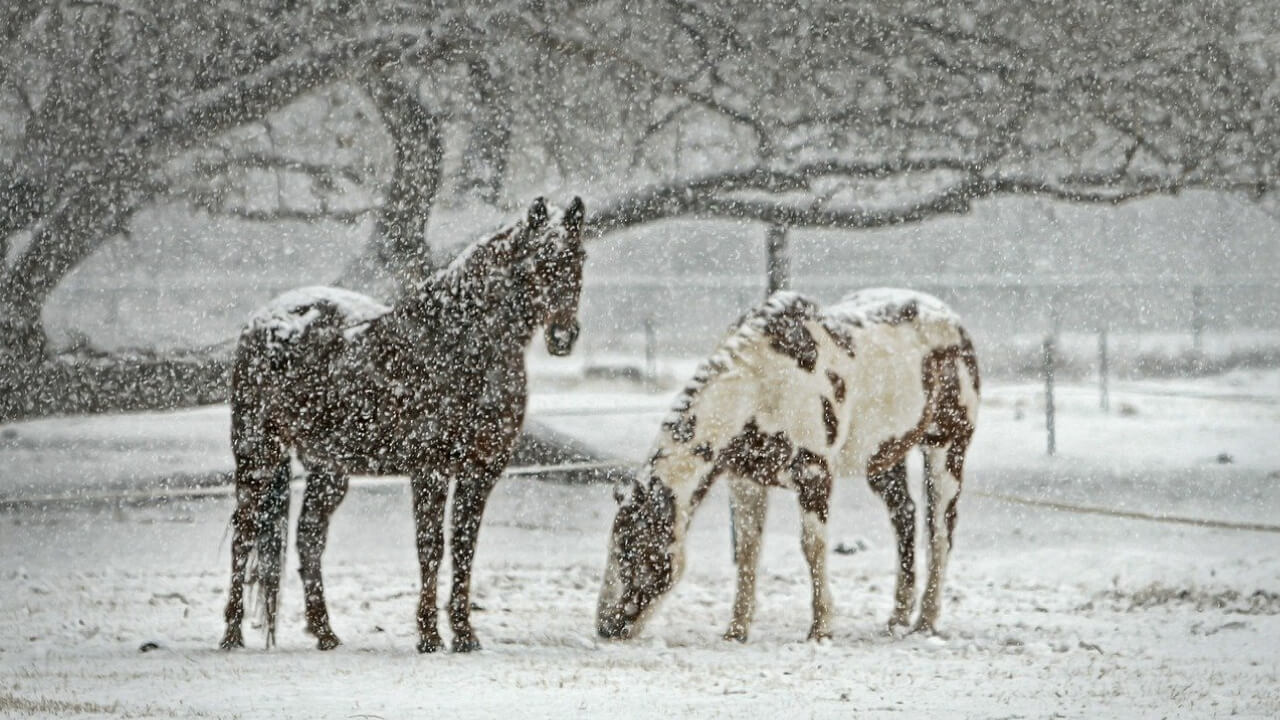
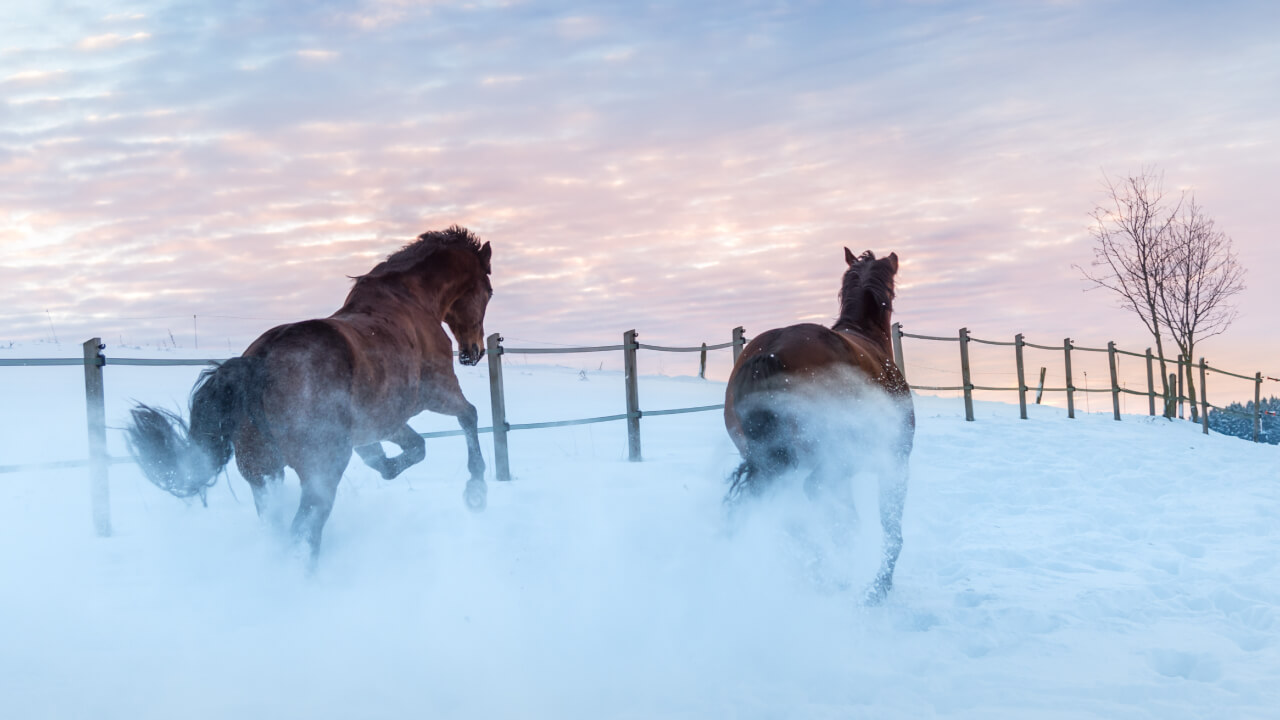
Horses are generally considered animals that are more resistant to cold than to heat. During summer, they are kept in well-ventilated stables and exercise in cooler conditions. Interestingly, cold winters, even in places like Hokkaido where temperatures can dip below minus 10°C, do not prevent horses from thriving. However, horses still feel the cold. When temperatures are extremely low, horses seek warmer spots, just like humans. Older horses may also be more susceptible to cold-related issues. Managed horses like riding and racehorses can be cared for and administered by humans, allowing them to stay healthy. Wild horses, on the other hand, huddle together in groups to keep warm.
Horses’ Adaptability to Cold
Horses’ ability to withstand cold is not only due to their innate constitution but also their adaptability. A study in Canada showed that horses introduced to cold regions adapt within 10 to 21 days, and horses living in such climates can survive in temperatures as low as -15°C without shelters or clothing, as their bodies adapt to the environment.
Equine Clothing: Horse Blankets and Turnout Rugs
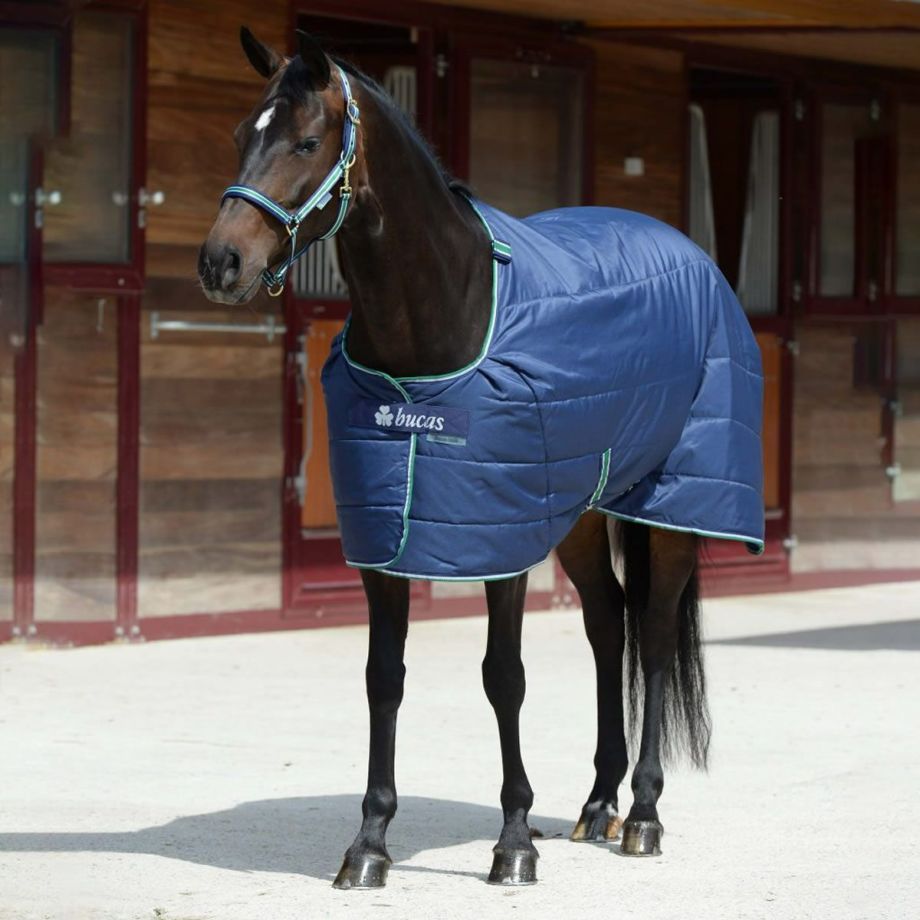
Despite their natural resilience, horses can sometimes become ill from cold winds or rain. To prevent this, horse blankets, also known as horse rugs or turnout rugs, are used. These garments cover the horse’s body, fasten at the chest with buckles or Velcro, and secure around the belly and hindquarters with belts. Made from various materials like padded, nylon, or fleece, horse blankets serve multiple purposes beyond warmth—such as health management and insect protection.
Purpose 1: Body Condition and Health Management
Primarily, horse blankets help maintain body condition. During winter, horses are dressed similarly to humans wearing warm clothing. Post-exercise, blankets retain heat and prevent rapid cooling, which could lead to colds or other health issues. They are also used during rain and at night to keep horses warm and healthy.
Purpose 2: Pest and Disease Prevention
Exposed skin heightens the risk of insect-borne diseases and bites from flies and gnats. Horse blankets with insect-repellent properties are available, with some designed with special patterns like zebra prints that repel insects. These blankets can cover just the body or extend to cover the head, ears, or face for better protection.
Purpose 3: Keeping Clean
Since blankets cover large areas of the horse’s body, they protect against dirt and mud, making management easier—especially in dirty or muddy environments.
Precautions When Using Horse Blankets
While horse blankets are highly useful, they require careful management. Some horses may find wearing blankets stressful, and if they try to remove them forcibly, accidents can happen. Ill-fitting blankets may cause injuries, especially around sensitive areas like the horse’s shoulders (withers). Also, blankets can cause overheating if the weather suddenly turns warm or if the horse perspires under the blanket. Regular checks on the horse’s temperature and sweat levels are necessary to prevent health issues.
Do Horses Grow Longer Hair in Winter?
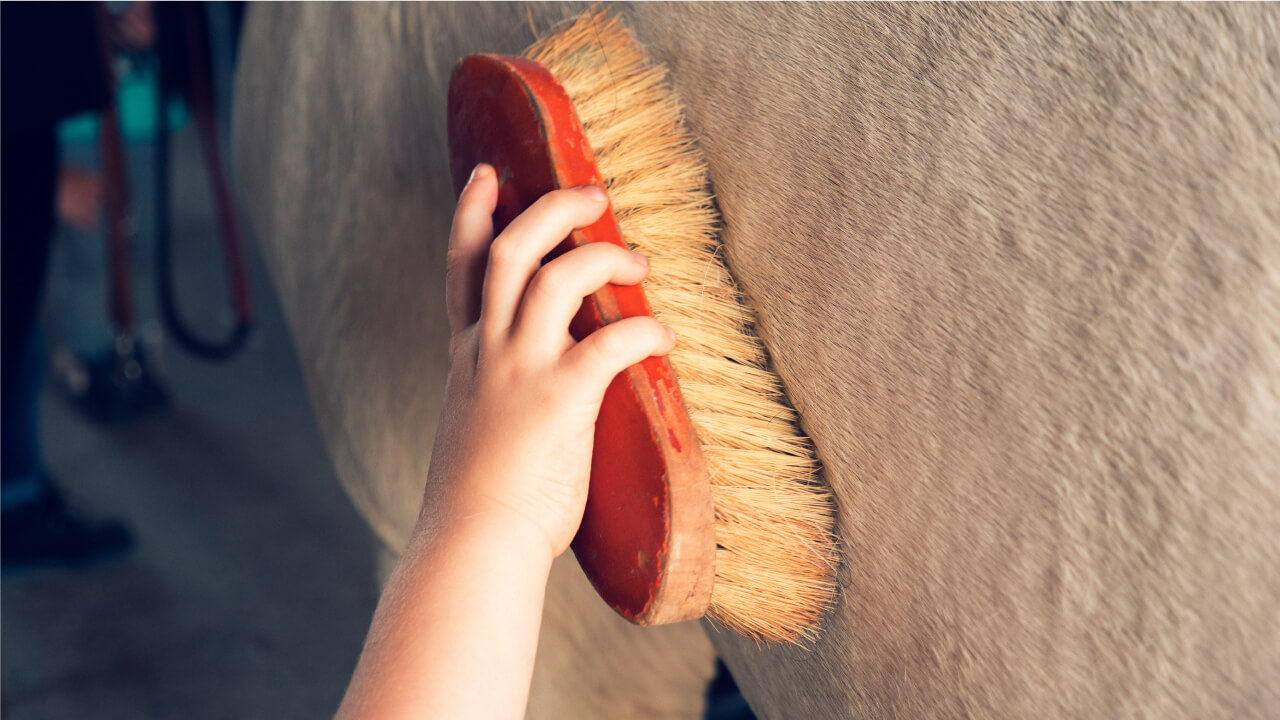
Pet owners of cats and dogs may notice shedding periods and differences between summer and winter coats. Horses also shed different types of hair in summer and winter. Summer coats are shiny and smooth, highlighting the horse’s beauty, while winter coats are long and fluffy to insulate against the cold. The colder it gets, the thicker and fluffier the winter coat becomes.
Why Don’t You See Winter Coat on Horses?
Managed horses like riding horses and racehorses might not show much winter coat, which can lead to misconceptions about their health. Some people think a winter-coated horse might not be in good condition. However, the absence of a thick winter coat is due to continuous management and the use of blankets, which reduces the need for thick winter hair.
Reasons for Less Prominent Winter Coat
Wild horses grow a thick winter coat to survive the cold. In contrast, managed horses receive regular feed, shelter, and blankets, which suppress the development of a thick winter coat.
Do Winter-Coated Racehorses Perform Worse?
There’s a common belief that winter-coated racehorses don’t run well. But is that true? When selecting a racehorse, breeders and trainers look for muscular physique, shine, and overall good condition—not just coat appearance. Horses that are well-conditioned and receive proper care are more likely to perform at their best, regardless of winter coat presence. Excessive winter hair might even give a less trained impression, affecting perceptions negatively.
Why Shave Winter Hair?
In managed settings, horse owners sometimes shave winter hair despite the cold. This is because thick winter coats can hinder movement or jumping, and trap sweat after exercise, leading to cooling and health risks. Follicle shaving helps dry the coat faster and prevents overheating, maintaining horse health.
Summary
Horses, though naturally resistant to cold, require proper management during winter. Using blankets and grooming techniques like shaving winter hair can help maintain the horse’s health and comfort. Observing and understanding horses can lead to new insights in their care and interaction.