What Causes Stress in Horses?
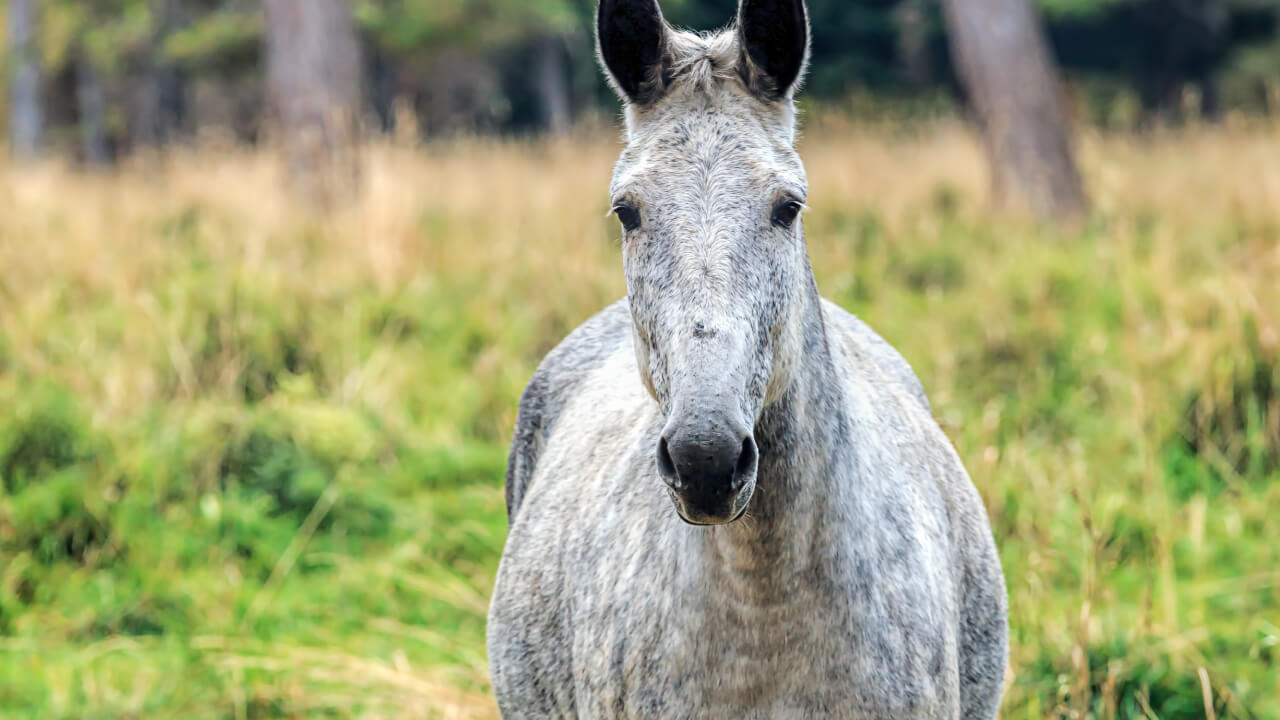
Horses have long been an integral part of human life, assisting in farming, transportation, and more—whether as riding horses, racehorses, or therapy animals. Sometimes, humans seek riding as a way to relieve their stress. But how do horses cope with stress? What are the main causes? Here, we explain various stress factors.
Physical Factors
Horses can experience stress due to physical reasons such as exercise, transportation, pain, or temperature extremes like heat or cold. We humans also face similar situations. High-intensity activities can cause stress for horses, and travel involves being confined in narrow spaces for long periods, which is stressful for them. These stresses can lead to digestive issues like colic or fever.
Psychological Factors
Originally, horses are herd animals that graze freely and move around. However, domesticated riding and racehorses often spend their time alone in stables, away from their herd, and eat only at scheduled times. These small stresses can accumulate. Moving to new environments can also cause anxiety, especially for timid horses.
Biological Factors
Like humans, horses can get sick from bacteria or viruses, leading to pain or fever, which causes stress. Physical discomfort and limited ability to move also affect their mental health.
Signs Horses Show When Stressed
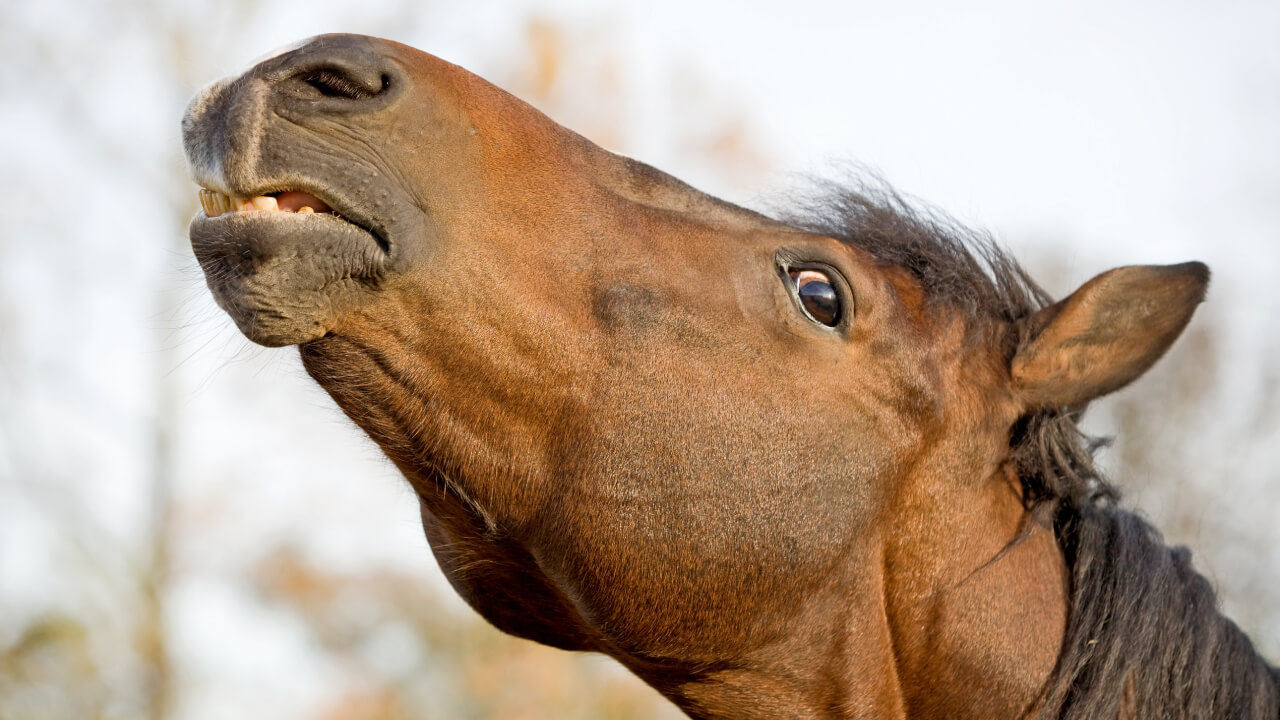
Horses cannot speak human language, but they communicate through gestures and body language. Their ears are particularly expressive. Here are some signs indicating stress:
Ears Pointed Forward
When a horse’s ears are forward, it’s paying attention to something in front of it—possibly something unfamiliar or startling. Speaking softly can help calm them.
Ears Rotating Quicky
When uncertain or nervous, horses rotate their ears as if gathering information. It’s like using their ears as antennas.
Ears Back
Backward ears often indicate discomfort or displeasure. Observe your horse to see what might be causing this reaction.
Ears Tightly Pulled Back
Pulling ears fully back can show anger or intense displeasure, possibly accompanied by biting or kicking. Avoid sudden movements—approach gently and patiently.
Nudging or Pawing
Horses paw at the ground to signal they want food, water, or attention. Sometimes, pawing indicates discomfort or pain, especially during colic. Be cautious and considerate.
Yawning
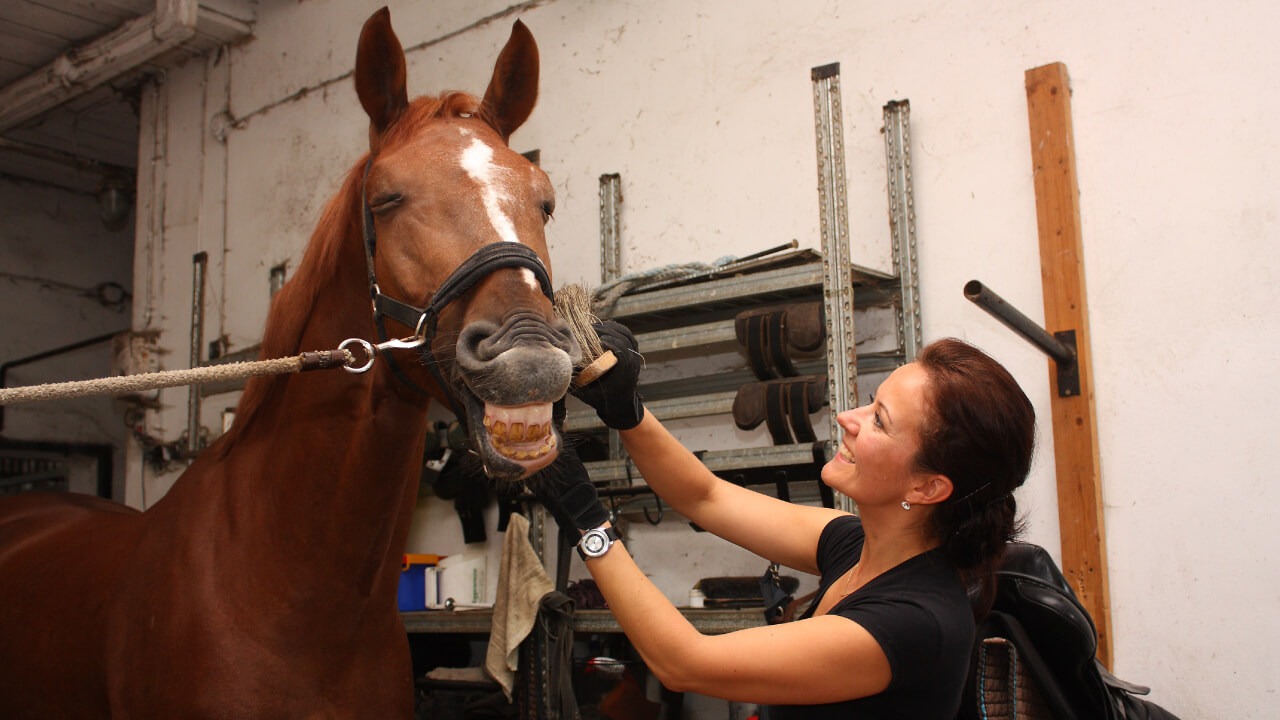
While yawning in humans often signifies tiredness, horses and dogs yawn when anxious or tense. Recognize this as a sign of stress and provide reassurance.
Stress Relief Methods for Horses
People relieve stress in various ways—shopping, traveling, drinking, karaoke. But what about the stress relief methods suitable for horses managed by humans?
Pasture Turnout
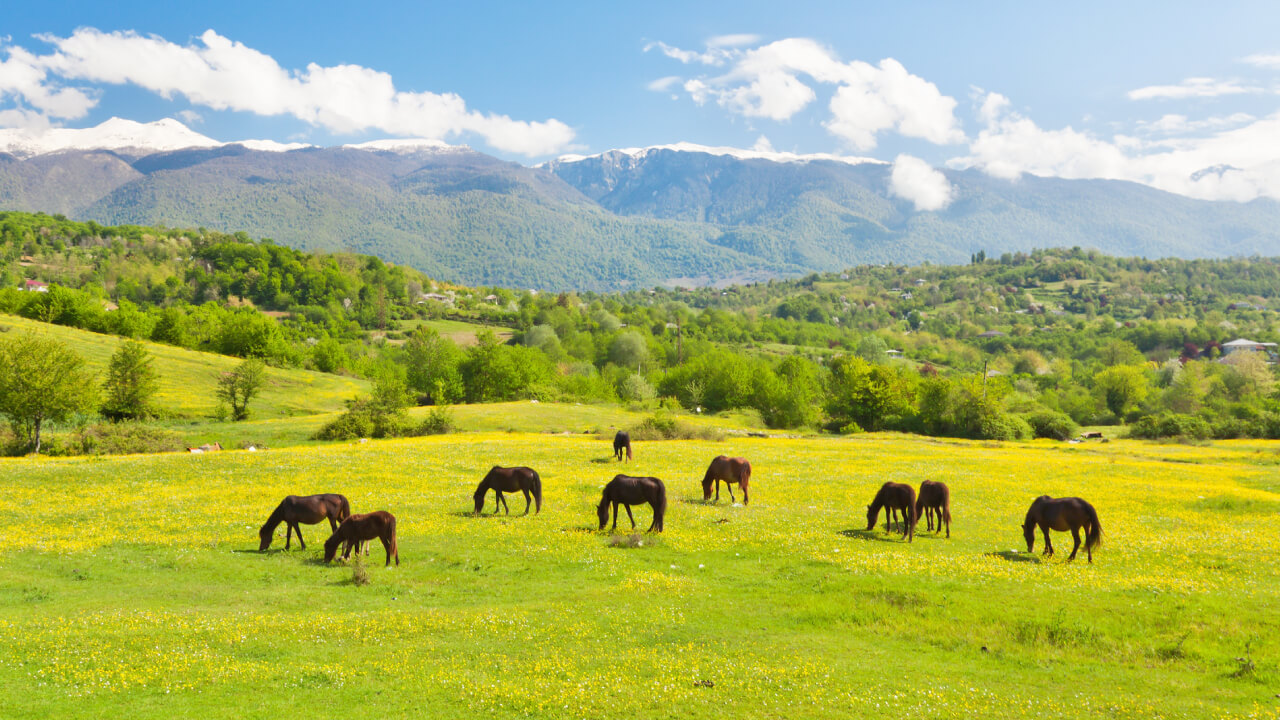
Many horses love to be turned out to pasture. They run freely, graze on fresh grass, lie down, and stretch—these activities help them relax. Horses are selective eaters, choosing fresh grass based on their condition, which makes pasture turnout highly natural and calming for them.
Walking Familiar Trails
If there are designated riding trails, a leisurely walk can reduce stress. Familiarity with the trail reduces anxiety, but exploring new trails can be refreshing. Adjust the route based on your horse’s personality and preferences.
Music
Listening to calming music is an effective stress reducer for horses, just as it is for humans. Opt for soothing genres like classical or ambient music.
Companionship
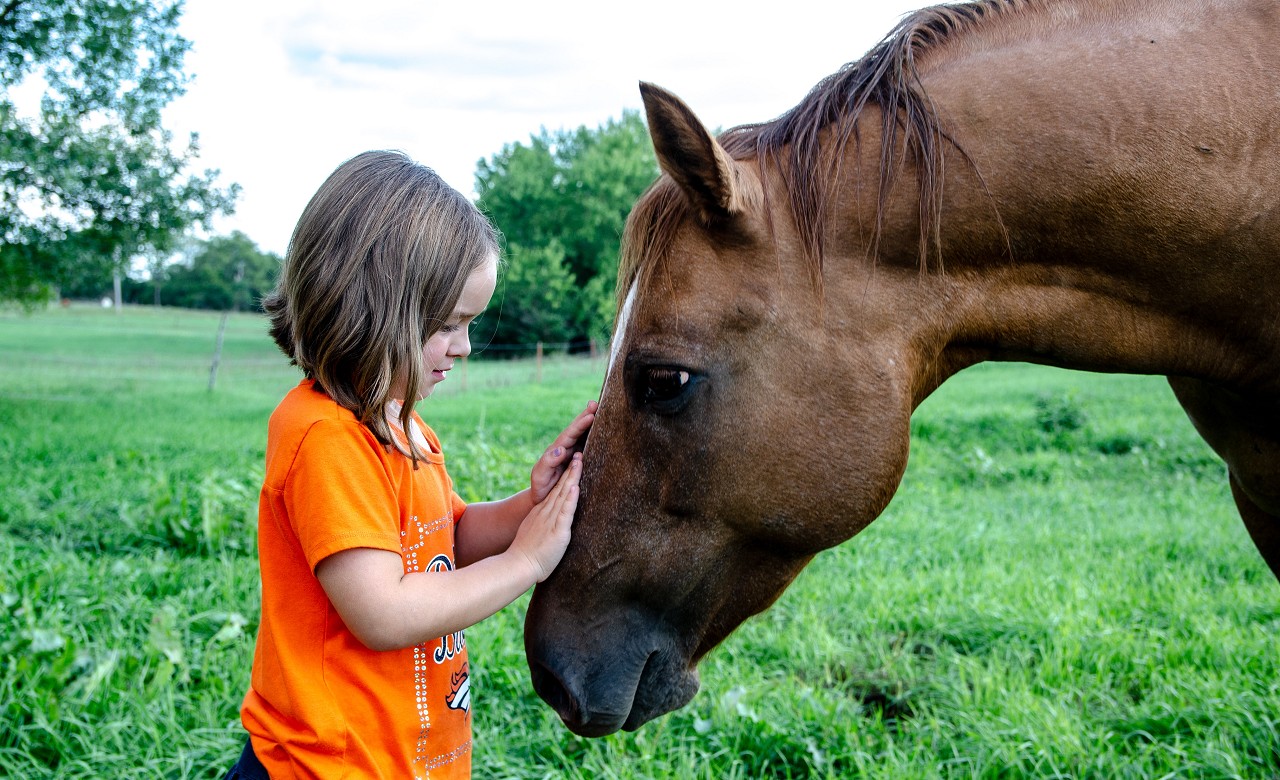
Being gently cared for by trusted handlers also alleviates stress. Horses, like humans, benefit from genuine bonds and trust—approach each horse individually and foster a relationship based on trust.
Summary
Horses are meant to graze naturally and live in herds, spending time with others and choosing what they eat. Being managed and trained by humans can cause stress. Recognizing their gestures and understanding their needs—especially their preferred stress relief methods—are essential. Find what works best for each horse, and help reduce their stress to ensure their well-being.