
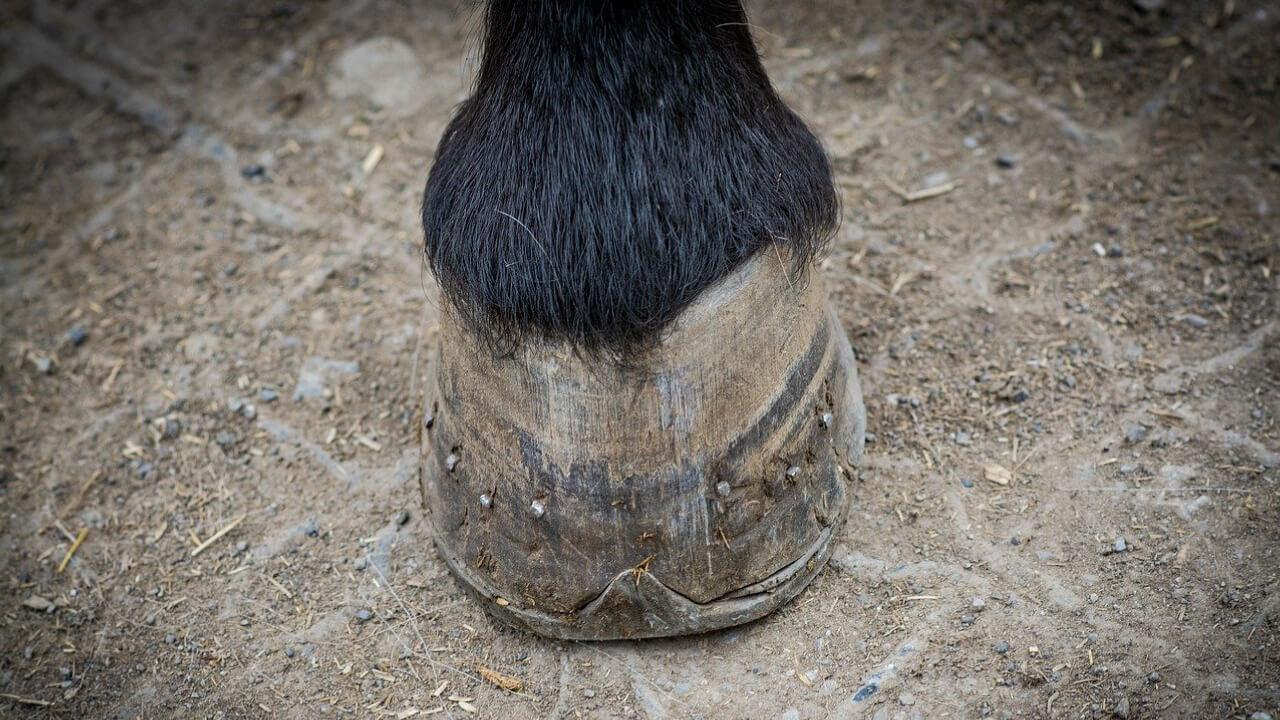
There are various grooming steps before and after riding a horse, but many people might find裏掘り (hoof digging) a bit scary. In this article, we’ll explain the basics, precautions, and tips for safely performing hoof digging!
Is It Difficult Until You Get Used To It? What Is裏掘り(hoof digging)
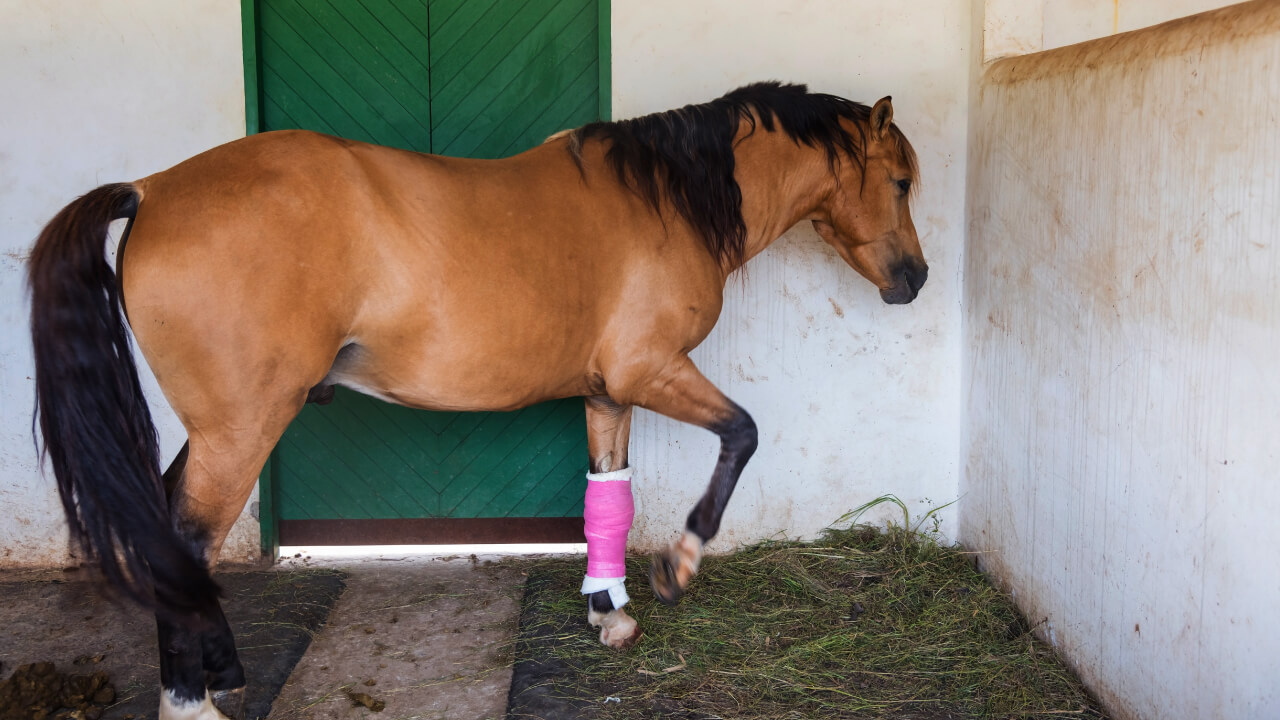
Hoof digging, which involves cleaning the underside of a horse’s hoof, might seem intimidating or scary, but it’s actually a crucial part of horse grooming. Let’s first understand its purpose.
Purpose 1: Keep Hooves Clean
The underside of a horse’s hoof is shaped so that only the hoof tip contacts the ground, while the rest is elevated. Debris such as soil, manure, and old bedding tends to accumulate in the hoof pocket.
Regularly removing this debris through hoof digging is essential. Just like clogged debris makes walking difficult for us, a clean hoof improves the horse’s performance.
Additionally, keeping hooves clean helps prevent bacterial growth and foot diseases such as thrush or hoof rot, which can threaten the horse’s health. Maintaining foot hygiene is vital to protect the horse’s overall health.
Purpose 2: Early Detection of Illness and Injuries
Cleaning the hooves not only promotes health but also provides an opportunity to observe for signs of injury or disease.
Common injuries include cuts from stepping on something or cracked hooves. When performing hoof digging, you can closely inspect the foot, so once comfortable, try checking for injuries.
Repeated hoof digging can also reveal unusual heat in the hoof or joints, possibly indicating inflammation. If the horse’s foot feels warmer than usual, consult the staff at your riding club.
Tools Needed and When to Perform
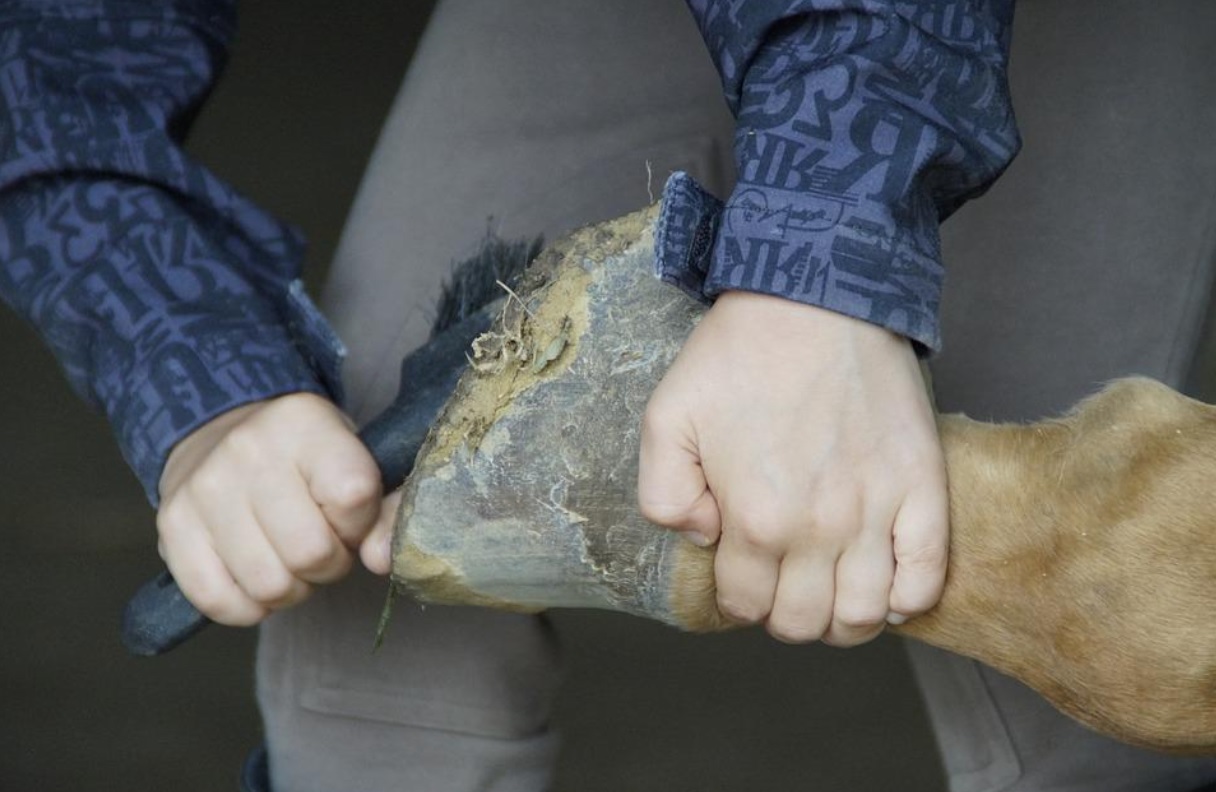
Now that you understand the importance of hoof digging, let’s review the tools needed and the best timing for the task.
What tools are used?
The debris in a horse’s hoof, such as soil and bedding, is compacted under the weight of over 300kg. The tool commonly used is a _______ (hoe-shaped metal tool). Many have hooks or brushes to help scrape out debris. Use the hook to loosen and remove dirt from the hoof.
How many times a day should it be done?
Hoof digging is typically performed two times daily—before and after riding. Some clubs also perform hoof cleaning when horses are in their stalls in the morning, especially if they’re not scheduled to be ridden that day. Many horses are hoof-cleaned more than twice daily depending on training routines.
Precautions When Hoof Digging
Horses’ legs are crucial yet potentially dangerous areas for people. Here are some safety tips when hoof digging.
Watch out for injuries!
When hoof digging, you lift the horse’s leg and support it. However, if there are flies or other distractions, the horse might kick — so stay alert.
Also, if you hold the leg too long, the horse might instinctively put it back down. Always avoid fighting the horse’s movement—if the leg moves, step back and stay safe.
Getting enough space is essential. For example, when digging the left hoof, gently push the horse slightly to the right to create room on the left side.
Always be cautious especially during busy times, like when insects are nearby or other horses are passing by, to complete hoof digging promptly.
If at first it’s difficult, don’t force. Sometimes stopping and resuming later is better than struggling.
Avoid damaging the hoof fork
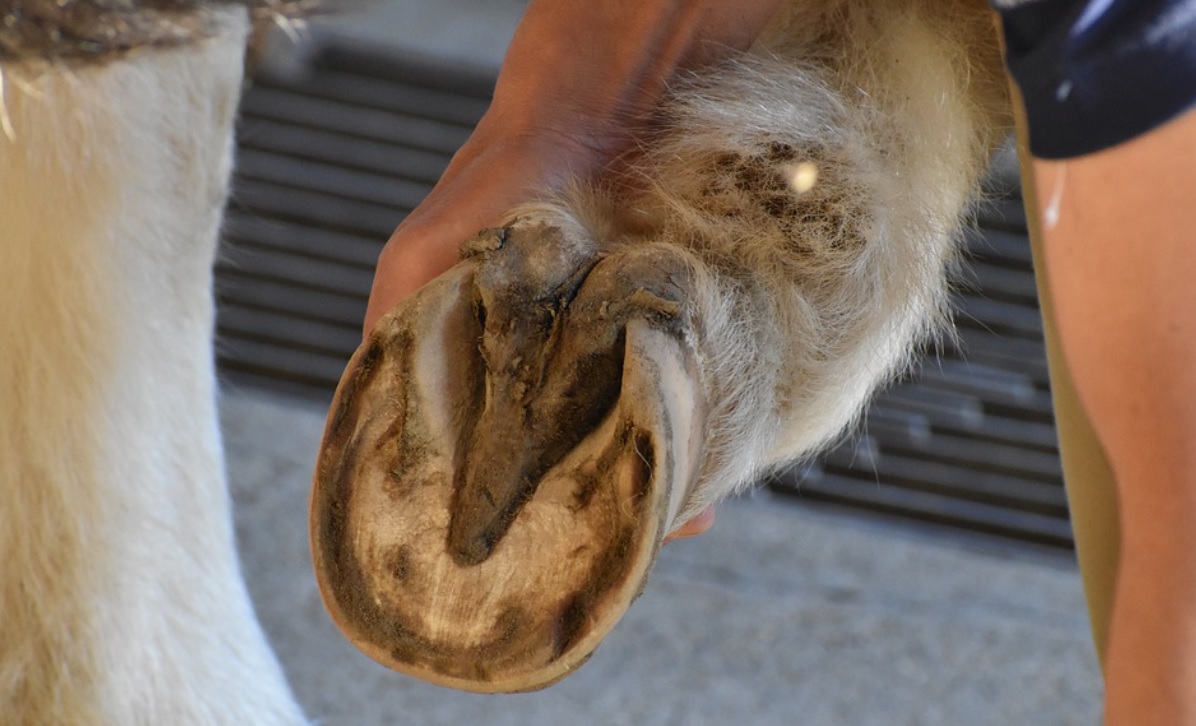
As seen in the image, the underside of a horse’s hoof has a triangular bulge known as the hoof fork. It’s softer than the hoof wall, so care must be taken not to injure it during hoof digging. Imagine where the hoof fork is even if it’s not visible due to debris.
With experience, it’s easier to avoid it by scraping along the outer edge of the horseshoe, revealing the hoof fork’s position. Once spotted, gently work around it to avoid damage.
Proper Techniques for hoof digging
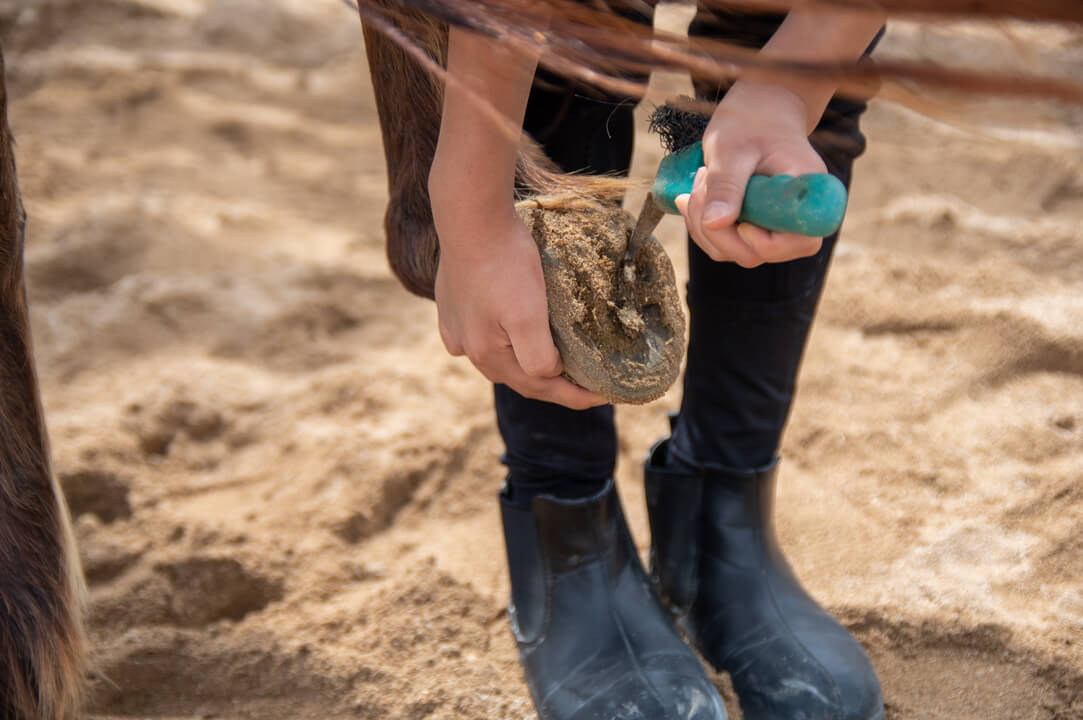
① Stand behind the horse
Perform hoof digging so that you face away from the direction of travel. Approach diagonally from the front rather than from the side, and once you stand near the front leg, gently touch the shoulder for reassurance.
② Lift the horse’s leg
Most horses will lift their leg when you touch above the fetlock. Support near the hoof and coronet, usually starting with the left front leg.
③ Remove soil and bedding
Use the hoof pick to carefully remove dirt and bedding, avoiding the hoof fork to prevent injury. Start from the shoe and work inward to prevent damage.
④ Lower the leg
The horse will naturally lower its leg when you loosen your grip. Be mindful that some horses might quickly put their leg down when feeling the release, so keep your body clear of the foot’s path.
⑤ Clean and oil the hoof daily
Rinsing the hoof with water and applying hoof oil help maintain moisture. Just like fingernails, hooves need proper hydration; do this once a day to prevent cracking or splitting.
Summary
Getting proficient at hoof digging allows for cleaner hooves and more opportunities to monitor for abnormalities or illness. Supporting a horse’s legs, which carry their weight, is extremely important. Master hoof digging to prevent disease and detect issues early!