Before riding or after riding, brushing is usually part of the routine, right? You might have questions like ‘Is brushing necessary even if the horse isn’t dirty?’ or ‘Does the horse actually enjoy it?’ In this article, we’ll explore the roles, methods, and precautions of brushing in detail!
Benefits and Roles of Brushing

First, let’s consider, ‘Why is brushing necessary?’ once you understand the purpose, you may find yourself wanting to brush more often.
Maintaining Cleanliness
Horses don’t necessarily get bathed every day like humans. Especially in the cold winter, there may be days when they are not bathed at all. Even then, brushing helps keep their coat and skin clean.
Keeping your beloved horses clean is important not only for appearance but also for their health. Dandruff and dry sweat can accumulate between the hairs, leading to ‘dermatitis’ or causing skin dryness and fungus, so regular brushing is crucial!
Grooming the Coat
Just like humans comb their hair, brushing helps keep the horse’s coat neat. The length of the coat varies by breed and season, but longer hair especially benefits from brushing, making it easy to notice the difference in cleanliness before and after.
Monitoring Skin Health
While riding, the horse’s neck and mane are generally visible, but other areas like the belly and back might be overlooked. Brushing provides a full-body check, allowing you to observe skin condition and look for wounds or irritations.
If there are cuts from saddles or spurs, it’s important to address them properly by adjusting tack or aids to prevent worsening of the injury.
Horse Relaxation
Brushing is a time for humans and horses to bond. While grooming quickly, it should also be a pleasant experience for the horse. To achieve this, it’s important to act in a way that makes the horse feel at ease and avoid unpleasant sensations. We’ll explain the proper brushing techniques and precautions later, so be sure to read on!
Tools You Need

Now that you understand the role of brushing, let’s look at the tools needed. There are various types of brushes, each for different purposes.
Root Brush
Long and stiff bristle brush used for removing dirt, dust, and dander from the coat surface, including loose hairs and debris with rubber brushes. This is one of the most commonly used brushes in riding clubs.
Soft Brush
Shorter and softer bristles than the root brush, often used after removing dirt with other tools or for finishing touches to smooth the coat. Many are made from horse or pig hair and can be used on sensitive areas like the belly or face.
Rubber Brush
A rubber brush with textured surface that resembles health sandals. Brushing in circular motions helps remove sweat and dandruff from deeper in the coat and promotes blood circulation like massage.
There are also tools similar to this, such as the grooming mitt, made from rubbery materials with textured surface. Wearing it on your hand, you can give your horse a gentle massage while grooming, which may enhance the bond!
Plastic Brush
A firm plastic brush used for stubborn dirt like mud. It’s useful for cleaning heavily soiled areas, and also for grooming mane and tail or shedding season to remove loose hair.
Proper Brushing Technique

With various types of brushes available, you might wonder ‘In what order should I use them?’ But don’t overthink it—try thinking of it as removing stubborn dirt step by step. Here is a basic sequence to get you started:
1. Talk to and gently touch your horse
2. Remove dirt with a plastic brush
3. Care for the skin using a rubber brush
4. Remove surface dirt with the root brush
5. Finish with a soft brush
Approaching your horse from an angle as in step 1, talking to it and letting it understand that you’ll be touching it, helps to build trust before starting grooming. Then, change brushes according to the type of dirt or area, paying close attention to the health of the skin and avoiding over-brushing to prevent irritation.
If the weather is not hot and your horse has recently been groomed, you can skip some steps like Step 1 and 4 depending on the horse’s condition and your schedule.
Precautions When Brushing

Brushing offers many benefits, but there are precautions to ensure it doesn’t become unpleasant for your horse. Let’s review some important points.
Be Careful with Force
The firm brushes can remove dirt thoroughly and feel satisfying, but because horses have short hair, brushing too hard may cause skin injuries. It’s essential to avoid pressing the brush against the skin too tightly or over-brushing, which could lead to skin damage.
When using plastic and root brushes, don’t apply excessive pressure, and always check whether the dirt is coming off effectively. Overdoing it can be harmful.
Some Horses Dislike Brushing
While many horses seem to enjoy being groomed, some do not. Especially, horses often dislike brushing on the belly and may tolerate it on the back.
If a horse strongly dislikes brushing, particularly with stiff brushes, opt for softer brushes and keep sessions short. Increasing the frequency of gentle washing can also be a stress-free alternative.
Ensure Safety for People
During grooming, a horse might kick or move unexpectedly, risking foot injuries. They may also try to scratch their belly with a hind leg if tickled or irritated.
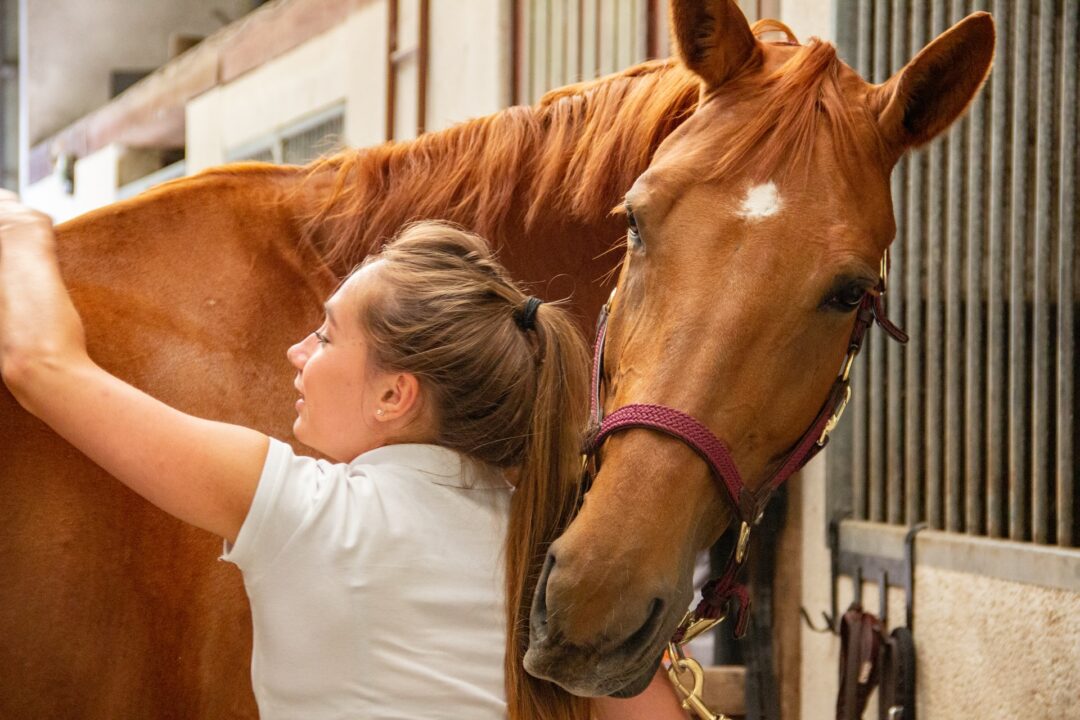
To prevent injuries, stand slightly away from the horse’s legs and keep a safe distance. Hold the non-brushing hand on the horse’s body to help it feel secure and maintain a consistent distance from the horse.
Summary
Brushing isn’t just about keeping the horse looking good by removing dirt; it’s also a vital part of communication and skin health management. Pay attention to your horse’s reactions and adjust your technique according to each horse and season to ensure a happy grooming experience!