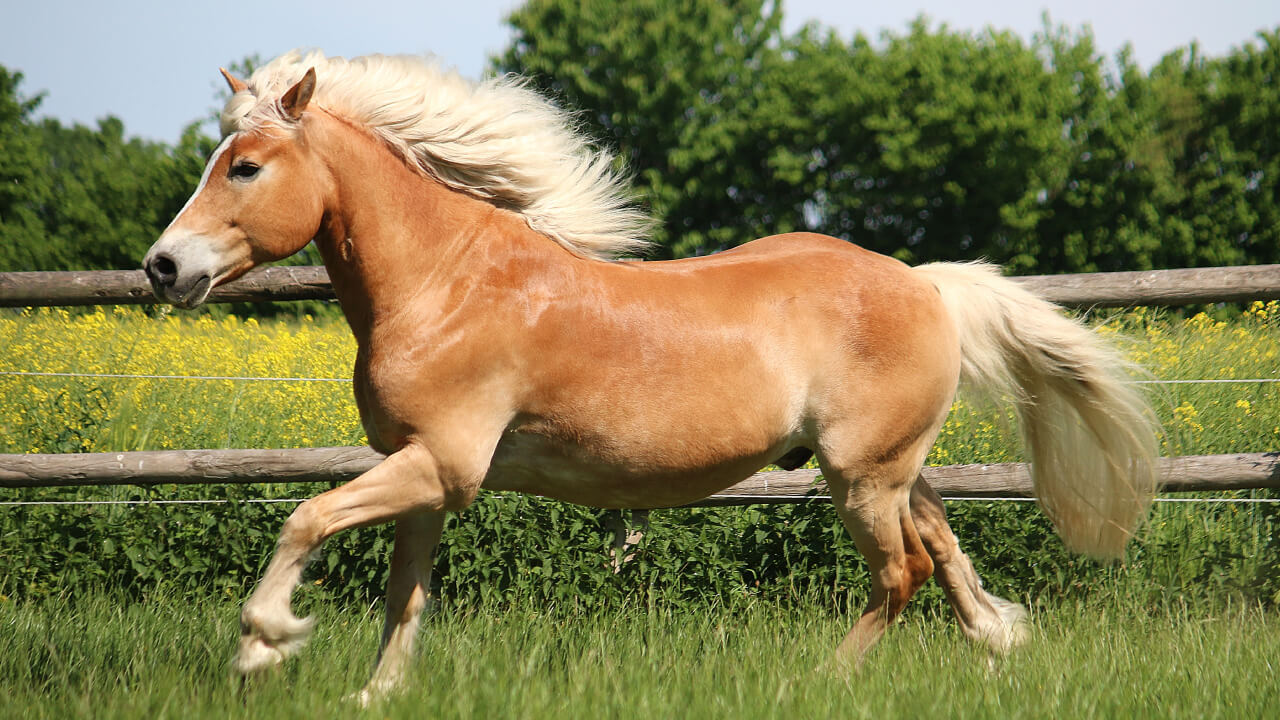
When you think of horses, the image of them flowing and galloping gracefully is quite striking, isn’t it? Many enthusiasts look forward to how they will braid their manes for competitions. In this article, we explore the important roles that horse manes actually play!
The Role of the Sensory Hairs That Protect Critical Areas

Horse manes are believed to serve several functions, but one of the main roles is protection of vulnerable areas. Let’s see exactly what this means.
Horses have ‘blind spots’ on the ‘up’ side
Horses have a very wide field of vision, seeing from the front to the diagonal rear. When viewed flatly, the only real blind spot is directly behind. When alert, horses raise their necks, so the mane can be seen as protecting the ‘back of the neck’.
Additionally, the ‘upper’ part is also a blind spot for horses. Their legs are relatively visible, but the top of the neck (unkoji) is less guarded. When relaxed, the mane growing on the upper part of the neck might serve as a kind of ‘roof,’ providing some reassurance, especially when grazing.
Is the effect actually minimal?
In reality, the chance of a horse being attacked from directly above by a large animal is not high. Also, when attacked by carnivores, the target region is more likely the front of the neck near the trachea. Therefore, how much significance this really has as a guard is questionable and might be less effective.
It’s also observed that lions, which are thought to protect their necks with manes during fights, often have their tail aimed at. Recent studies suggest that the idea of manes mainly serving as guards is a misconception. The same might apply here.
However, even if the protective effect is limited, horse manes work well as sensory organs, like whiskers or antennae, to alert the horse if something touches them. This may indirectly help protect vital areas like the neck.
Role in Thermoregulation

The second role is in temperature regulation. Even though horse manes grow only on the back of the neck, let’s see how they might influence hoof temperature regulation.
Origin and Mane Characteristics
Just as humans cool down by cooling the neck in hot weather and warm up when cold, horses also use the neck’s temperature to regulate body heat. Since a major blood vessel runs through the neck, the temperature is very important in handling body heat.
Comparing horses from cold regions with those from warmer areas, differences include not only hair length but also the *volume of the mane*. Horses from colder environments tend to have longer manes that cover the neck to prevent heat loss. Conversely, horses from warmer regions often have less voluminous, straighter manes that allow better heat dissipation.
In addition, manes are also beneficial during harsh weather. When rain or snow hits the neck directly, it can cause rapid heat loss. A mane acts like a ‘roof,’ protecting the neck from getting soaked and helping maintain temperature.
Using Manes to Prevent Heatstroke
By covering the neck with a mane, body temperature is maintained. In summer, trimming or thinning the mane to expose the neck can help prevent overheating. Some recommend brushing the mane light and tying it to keep the neck exposed as a heat stroke prevention measure.
While thoroughbreds and Anglo-Arabians are believed to be more heat-tolerant than other breeds, combining common heat stroke prevention with mane trimming can be especially effective.
・Cool down the body with water after exercise
・Trim or thin the mane during summer
Appeal to the Opposite Sex

The third role is believed to be attracting mates. Surprised? It might sound unexpected, but let’s explore this idea, along with examples from other animals.
Is the Mane a Symbol of Vitality?
While humans tend to look at a horse’s overall health via coat, hooves, or joints, in the animal kingdom, the mane might serve as a kind of biomarker of fertility and health. Looking at features like the volume and shine of a mane could indicate a horse’s reproductive fitness and overall vitality.
Though it’s unclear exactly what animal partners look for, this might be a way for them to assess the horse’s offspring potential and health status.
Are Full Manes More Attractive?
In particular, for males, a lush mane might signal strength and vitality to females during breeding season. Horses with expressive, shiny, and voluminous manes are often considered more attractive, indicating good health and vigor.
Of course, the amount and color of a mane vary significantly by breed and individual, making it tricky for humans to judge. It would be fascinating to see experiments on this at large ranches.
As with lions, which also have prominent manes, recent studies show that individuals with thicker, darker manes are more likely to attract mates in the animal kingdom.
Bonus: How Much Does a Mane Grow in a Month?

The growth rate varies by season and breed, but it is said that horse manes typically grow about 2cm per month, which is roughly twice as fast as humans. Sometimes, horse owners notice their manes becoming a bit shaggy unexpectedly.
In summer, longer manes are okay, but for competitions, trimming and maintaining a neat mane makes grooming easier. Regular washing and trimming can keep the mane looking healthy and beautiful—just like the tail!
Stories about horses with ribbons or braided manes for fashion
Adding ribbons to a horse’s mane! That’s really fashionable! Both horses and riders will surely enjoy it (^^)
Summary
Horse manes flowing in the wind look truly magnificent. They are not only eye-catching but also play vital roles, such as self-protection and attracting mates. Seeing a mane casually from a new perspective might make you appreciate these beautiful features even more!