
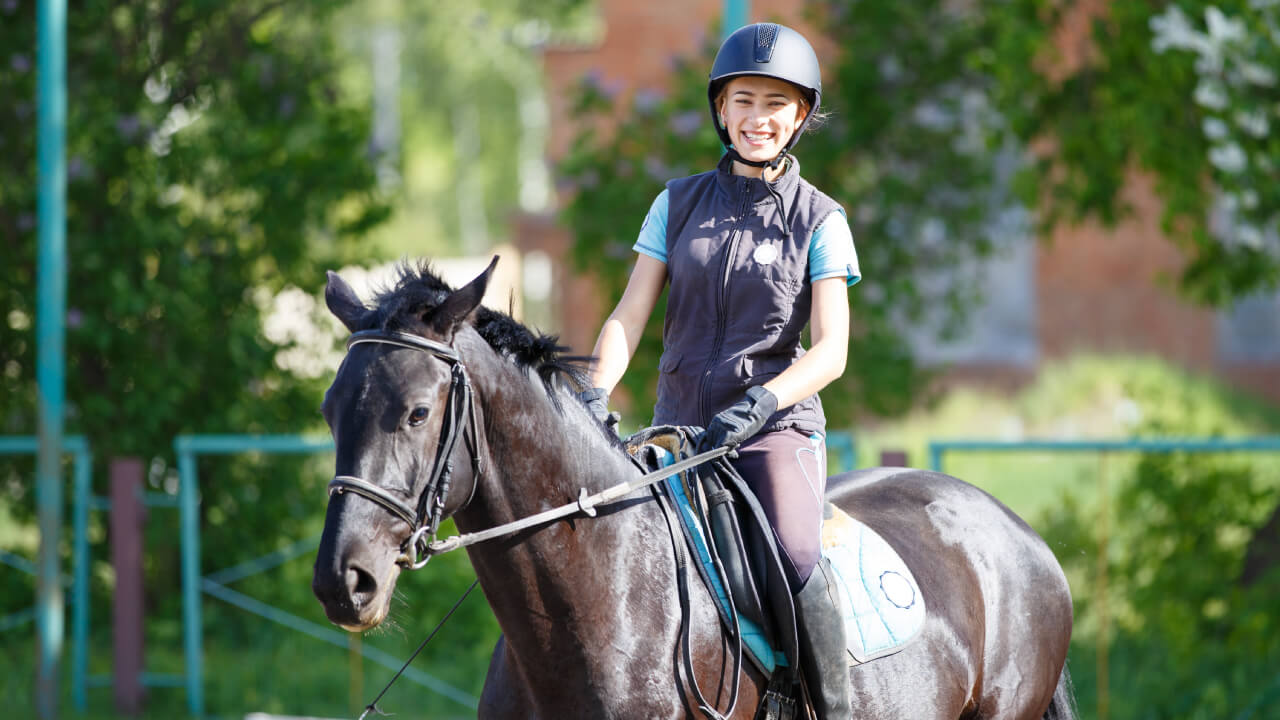
What You Can Do with Horse Riding License Grade 3
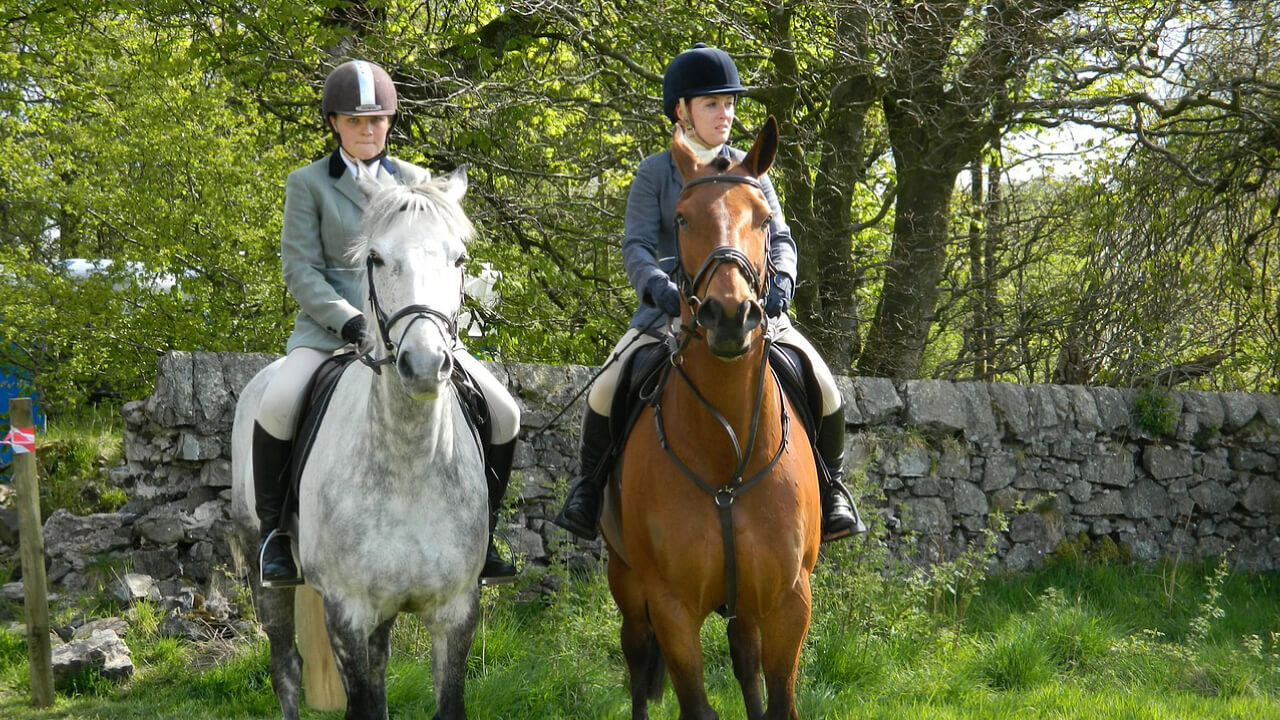
Horse riding license Grade 3 is a credential recognized by the National Horse Riding Club Promotion Association. It is divided into standard ‘Grade 3’ and ‘Disability Grade 3’ categories. Here, ‘standard Grade 3’ refers to ‘British Grade 3,’ which is similar to dressage. This license builds upon levels 5 and 4, encompassing skills such as starting and maintaining canter, adjusting gait, understanding lead changes, and passing ground poles.
Benefits and Success Rates of Level 3 License
While the difficulty of obtaining the Level 3 license is higher than previous levels, earning it offers several benefits that we will introduce.
1. Access to Various Licenses
You can take exams for other licenses such as ‘Disability Grade 3,’ ‘Endurance Grade 3,’ and ‘Indoor Arena Grade 2,’ once you have the Grade 3 license. Moving forward, you can aim for specific skills or challenge all licenses, which is exciting to consider.
2. Objective Proof of Riding Skills
When experiencing horseback riding or trail riding at tourist spots, your license can serve as proof of your skills. This can lead to more advanced courses and activities, enhancing your experience.
3. Confidence and Motivation in Riding
Achieving Grade 3 demonstrates a solid level of riding skill, boosting confidence. Additionally, the variety of licenses available expands future options and motivation.
4. Enhancing Resume
While it might seem unrelated to job hunting, in Japan, horse riding is less common, so your license can be a conversation starter. It also highlights your experience and dedication, making you memorable to interviewers.
5. The Value of a Challenging License
The Grade 3 license is more difficult and requires practice, but understanding horse movements improves the chances of passing and offers a sense of achievement.
Overview of the Exam (Written and Practical)
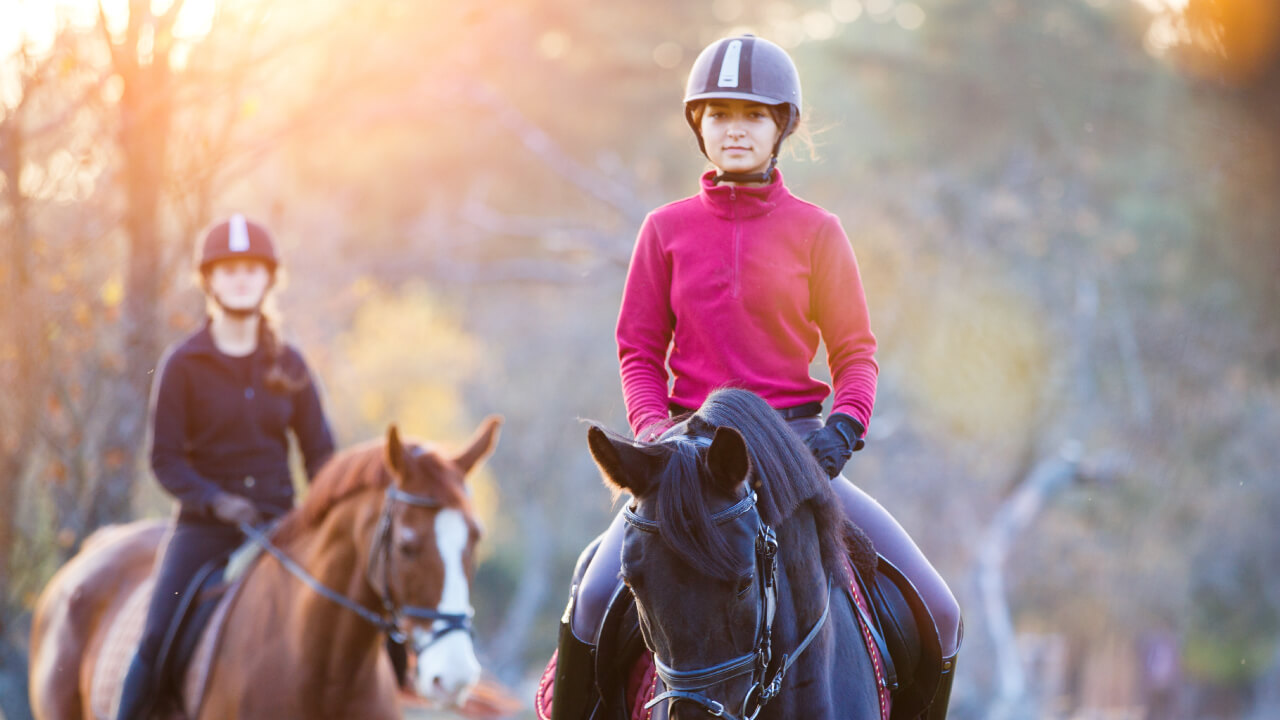
Since the Grade 3 license exam comprises written and practical tests, preparation through studying and practice is necessary. The written exam is manageable with materials provided, but the practical test has specific criteria. Attending relevant lessons and preparing thoroughly are recommended. Depending on the riding club, formal dress codes may be required for the exam, which can also serve as motivation or a goal.
Written Exam
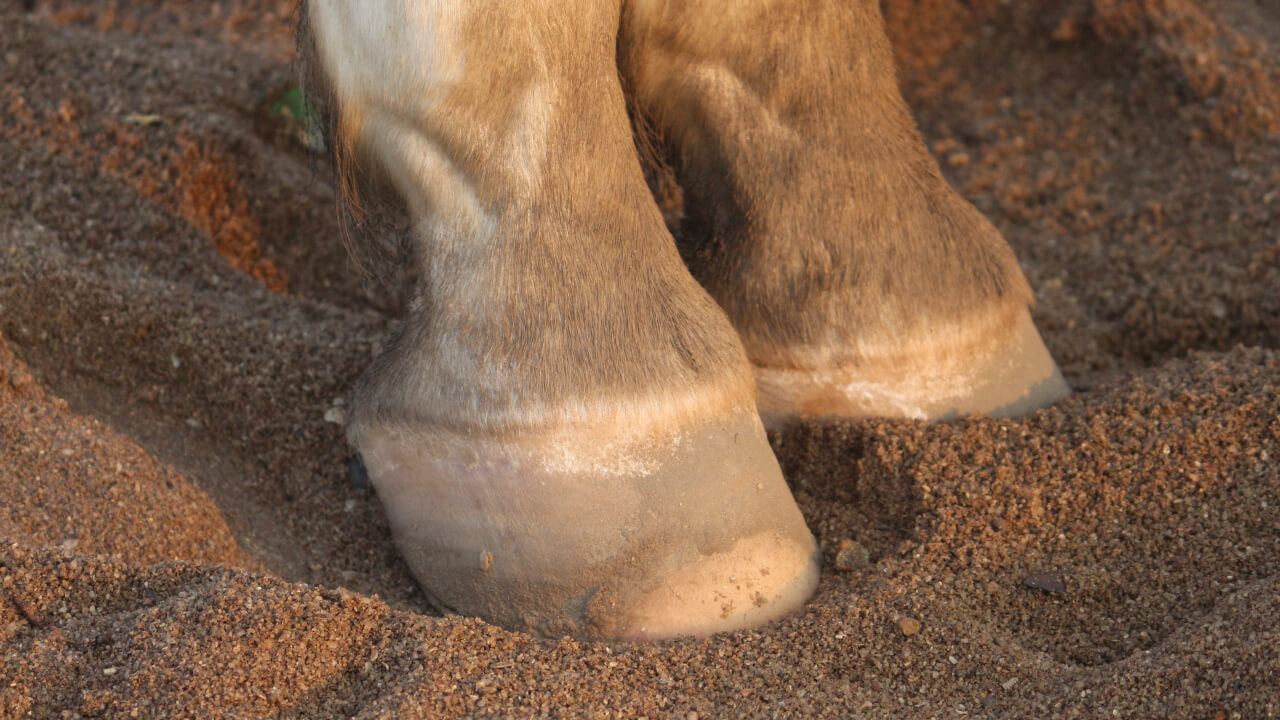
The written exam covers items from levels 5 and 4, plus questions on hoof terminology and geometric diagrams of riding movements. You need to understand these details thoroughly.
Practical Exam
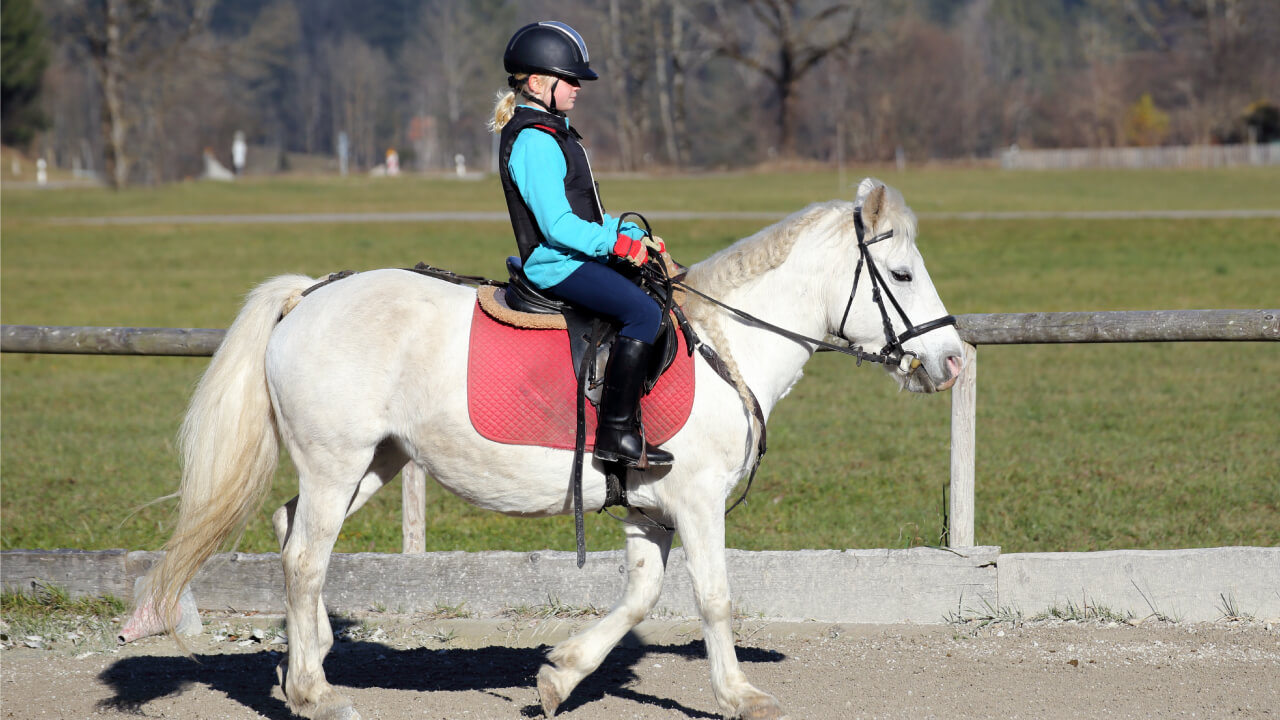
The practical test evaluates the rider’s ability to start and maintain a canter, perform turns, understand lead changes, and perform movements with varying gaits. Effective aids and smooth transitions between gaits, along with navigating ground poles, are also examined, emphasizing the importance of pace control and understanding instructions.
Study Tips for the Written Exam
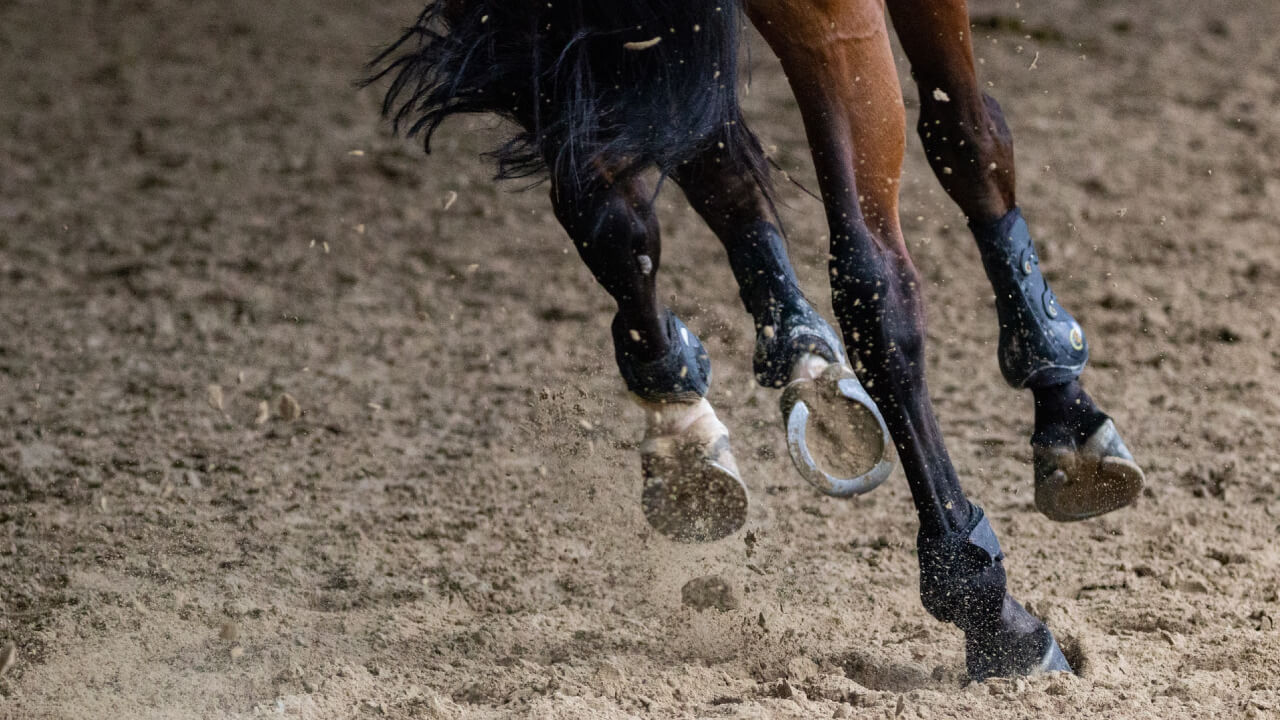
The hoof terminology is divided into detailed categories, some of which are complex and hard to read. The scope of questions is well-defined, so memorization is essential. Prepare thoroughly to succeed.
Practice Tips for the Practical Test
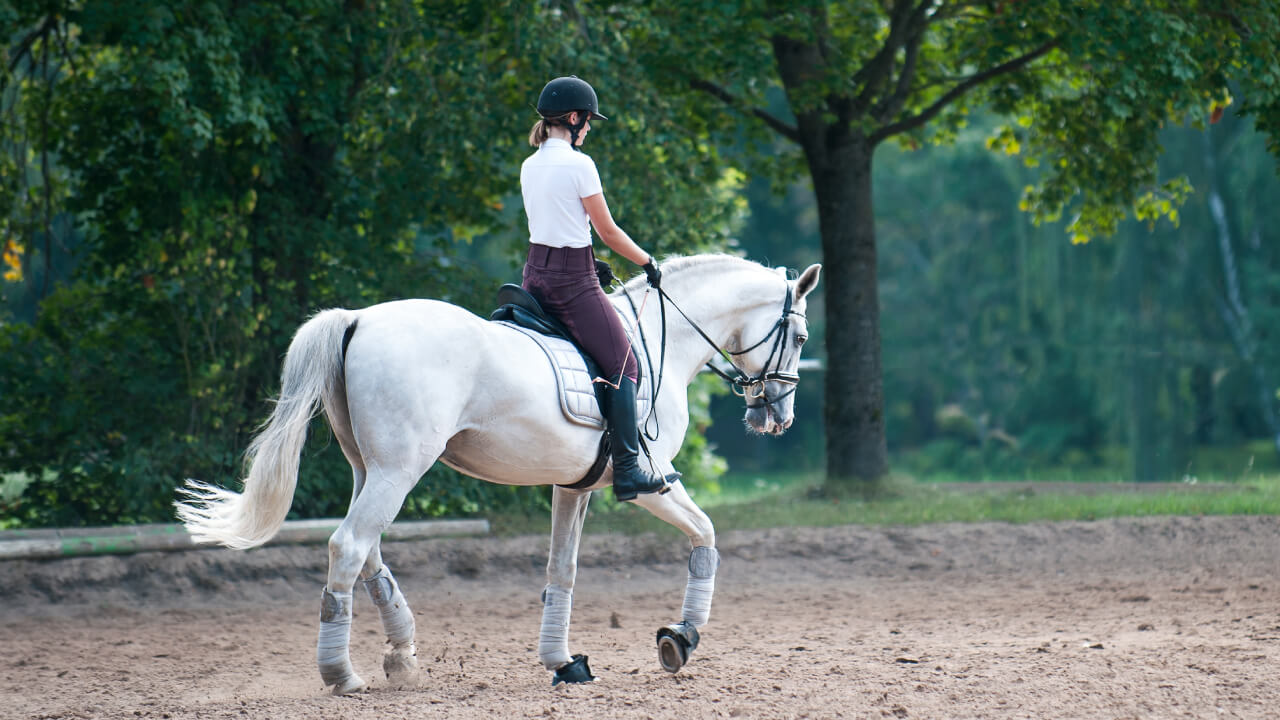
The practical exam involves review of basic and advanced skills. Consistently controlling the pace is crucial—adjusting speed as needed to keep it steady. Understanding ground markings and responding accurately to commands are essential. Even if you make mistakes, maintain composure, and continue confidently, highlighting your skills rather than dwelling on errors can make a positive impression. Starting the exam energetically can also boost your confidence.
Time and Cost for Level 3 License Acquisition

To obtain the Level 3 license, there are two main approaches: one is a short-term course without club membership, typically taking from 12 to 90 days; the other involves ongoing practice at a riding club, which may take longer depending on the frequency of training. Here, examples of both methods are provided, including estimated durations and costs.
Without Club Membership
For a short-term course without club membership, the duration is typically between 12 days and 90 days, depending on the riding school. Fees vary based on location and program, with a typical comprehensive course costing around 940,500 yen in the Kanto region, considering a full 90-day program. A shorter 30-day course costs approximately 297,000 yen.
With Club Membership
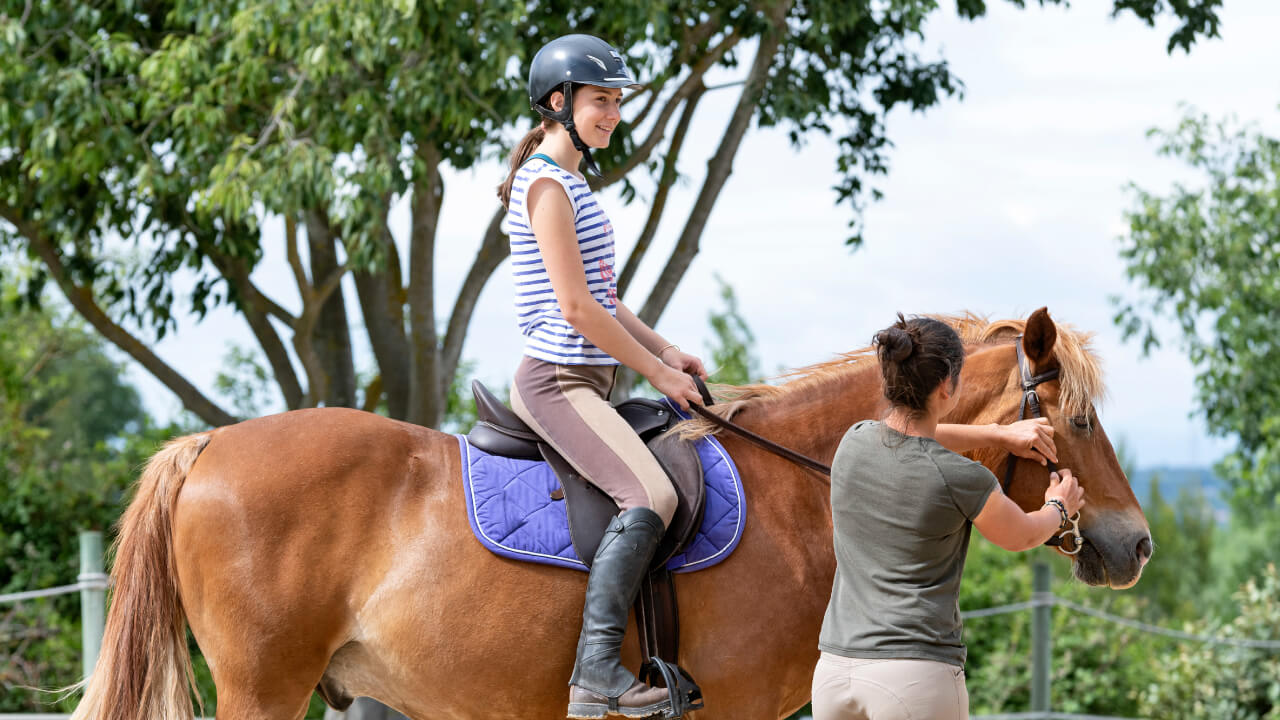
Joining a riding club involves entry fees, annual or monthly dues, and per-lesson costs, which vary by club. Entry fees can range from a few thousand to several tens of thousands of yen. Monthly fees typically range from 10,000 to 20,000 yen, and lesson or guide fees per session are a few thousand yen. Additional costs for equipment such as boots, helmets, gloves, and riding breeches can also add up, with prices ranging widely depending on quality and brand. Preparing for the exam may require multiple rides and purchasing quality gear, which may cost several tens of thousands of yen.
Summary
We have covered the details of obtaining a Grade 3 horse riding license. While the difficulty level increases, earning this license brings a sense of achievement and broadens future opportunities. It also opens pathways for competitive entry qualifications, boosts confidence, and can be a motivation to continue. Costs and durations vary depending on the riding club, so finding a method that fits your situation is an important step.