Many people may think that training a horse is ‘difficult,’ but horse training isn’t solely the job of professionals. In this article, we explain useful tips and techniques on how to train horses and discipline them effectively.
Clarify the Dominance Relationship

Is Training Relevant for Beginners?
When training horses, it’s important that the horse understands the relationship of dominance with the trainer. While many think only experienced trainers do this, every interaction with your horse can be part of a broader training process.
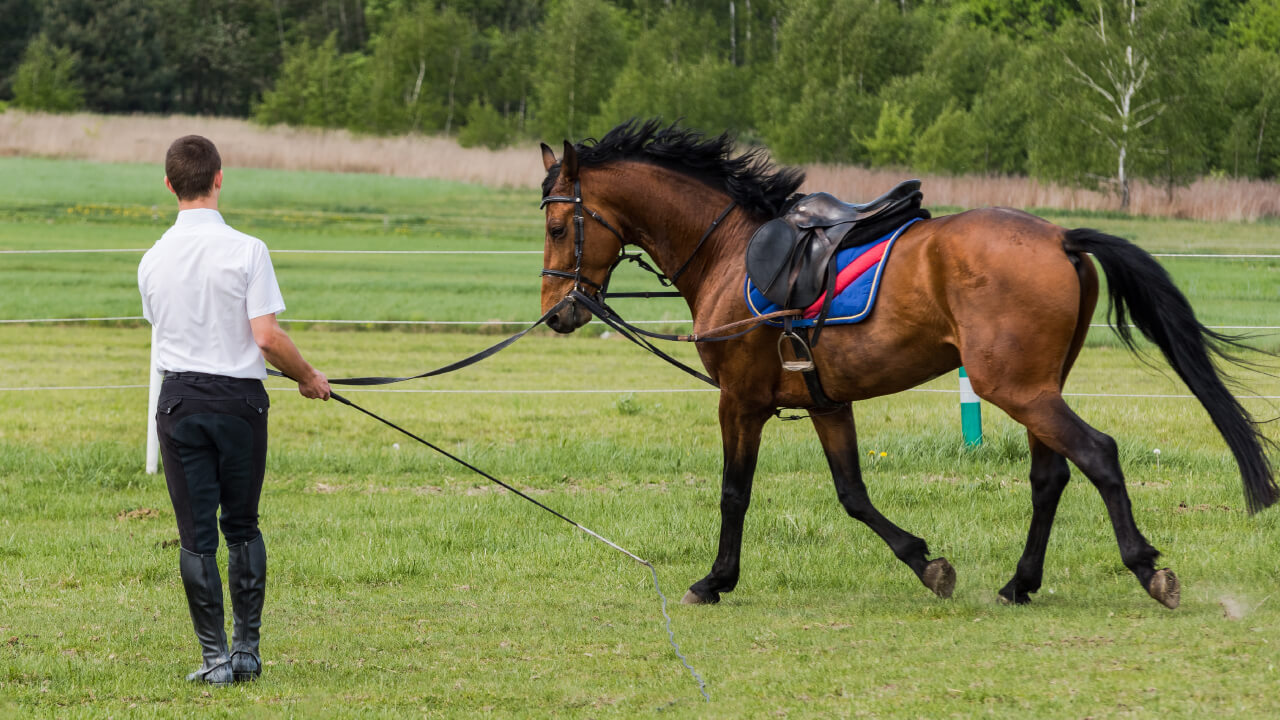
For example, transitioning a horse from racing to riding, or training using lunging lines, may be challenging for beginners. However, all interactions can be considered part of a broad definition of training.
If a horse feels fear or hesitation in handling, it may respond with attitude or resistance. Beginners may have trouble with horses that intentionally move or resist aids, especially when trying to mount.
In such situations, the horse might be trying to determine if this person is a trustworthy leader. If you are influenced by the horse’s behavior, it might think that it can disregard your commands as a beginner.
Stay calm and respond by stopping any abrupt or unruly behavior — this helps the horse recognize you as the leader, not to mention benefits future beginners as well.
Disciplining Alone Is Not Enough
When a horse acts dangerously or independently, it’s crucial to correct behavior by showing the horse that the action was wrong.
However, dangerous behaviors can stem from fear or panic, so you need to consider the situation and the horse’s temperament before deciding whether to scold or soothe.
Also, to reinforce the hierarchy, praise good behavior when it occurs. Punishment alone won’t do; rewarding correct actions and achievements is equally important.
Building Trust Through Care

Horses are intelligent animals with a long history of cohabiting with humans. When they realize that following a person is safer and more comfortable for them, they become more obedient. Building trust isn’t limited to training or riding — it’s essential in everyday interactions.
Handling their daily care offers valuable opportunities for trust-building. While discipline may be necessary if your horse exhibits bad habits, overall, make efforts to appear safe and comfortable to your horse through words, touch, and behavior.
Touching or speaking kindly to your horse can provide reassurance, and avoiding startling actions is important too.
Understanding Horse Personalities

Benefits of Knowing Horse Personalities
The greatest feature of equestrian sports is working together with horses to improve skills. Since horses are living beings, understanding their personalities helps improve training and riding techniques. Even horses at the same riding club can have vastly different backgrounds and temperaments — knowing each one well is essential.
Observe their behavior, habits, fears, and gait preferences regularly. This helps explain sudden actions or resistance, making it easier to understand why a horse might act out or resist.
For example, if a horse avoids certain places out of fear rather than stubbornness, punishing it is ineffective. Instead, use methods like leading them calmly and gradually easing their fear, such as walking in front to show it’s safe.
Assessing Concentration
Besides personality, concentration span and environmental distractions vary by horse. When a horse’s focus drifts, response to commands can slow down, making training more difficult.
Reflect on how your horse might feel if constantly scolded when tired or distracted. Tailoring training time and methods to each horse’s ability is crucial. Focus on fostering success and confidence rather than overloading.
Yelling Is Counterproductive

Points for Scolding
Throughout this article, we’ve mentioned “scolding” and “praising,” but how should you actually scold a horse?
First, always stay calm. Instead of getting angry at an uncooperative horse, focus on communicating that undesirable behavior was wrong. The key is to convey “this was incorrect” after the behavior occurs.
Sudden behaviors can trigger fear or anxiety in humans, making it hard not to get emotional. But loud or high-pitched voices excite horses, so avoid shouting. Instead, use a calm, low voice to discipline.
Other Ways to Discipline
For physical correction, gently pull the reins to guide the horse away from undesired actions or directions. For lunging work, use the lead rope attached to the bitless bridle to give clear signals.
During riding, a good technique is to deliberately ask the horse to back up or circle in a small loop. Stop the horse calmly, then slowly shorten the reins, encouraging relaxation while performing these exercises.
Whether verbally or physically, the goal is to avoid overly exciting or frightening the horse. Just as humans, horses need to be disciplined in a way that respects their mental state, enabling a smoother training experience by leveraging their intelligence and judgment.
Summary
Although horse training may seem challenging, the foundation is building trust and mutual respect. By observing each horse’s personality and habits daily, you can improve your training timing and methods. Tailoring training content and duration to each horse’s concentration and ability will also ensure better progress and a more harmonious relationship.