Do you know what the inside of a horse’s tail looks like? Here, we explain the internal structure, the significance of the tail, and grooming tips. The tail also expresses emotions, so understanding it can help you better read your horse’s feelings. If you observe your horse’s tail carefully, you’ll become someone loved by horses!
Horse Tails Are Not Just Fur; They Have Bones Too!
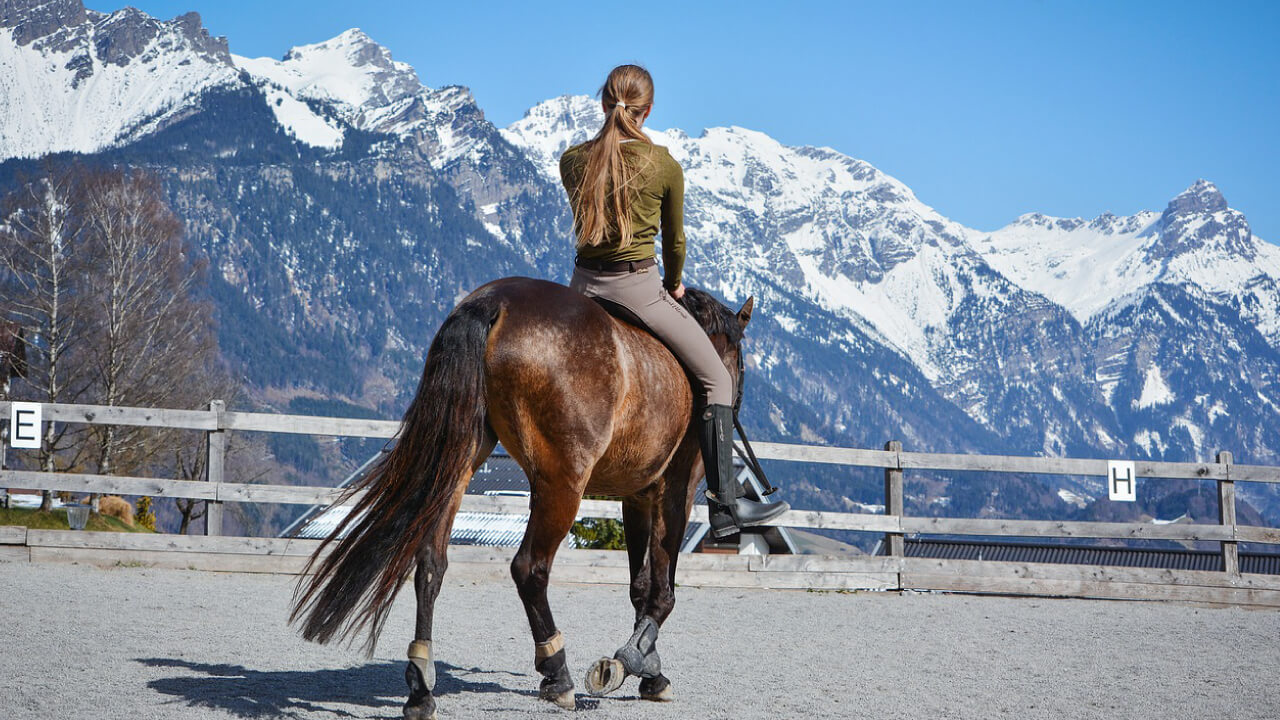
You’ve probably seen horses with long, lush tails—an impression of beauty. But have you ever looked inside the tail? You may notice that it isn’t just fur; it contains bones, muscles, and skin underneath. The outer fur covers these structures, which are much shorter than you might expect for a tail.
What’s Inside a Horse’s Tail?
When you lift a horse’s tail and look inside, you’ll see no fur. Instead, there are bones, muscles, and skin, all covered by fur. The fur grows to cover these internal parts.
How Long Is a Horse’s Tail?
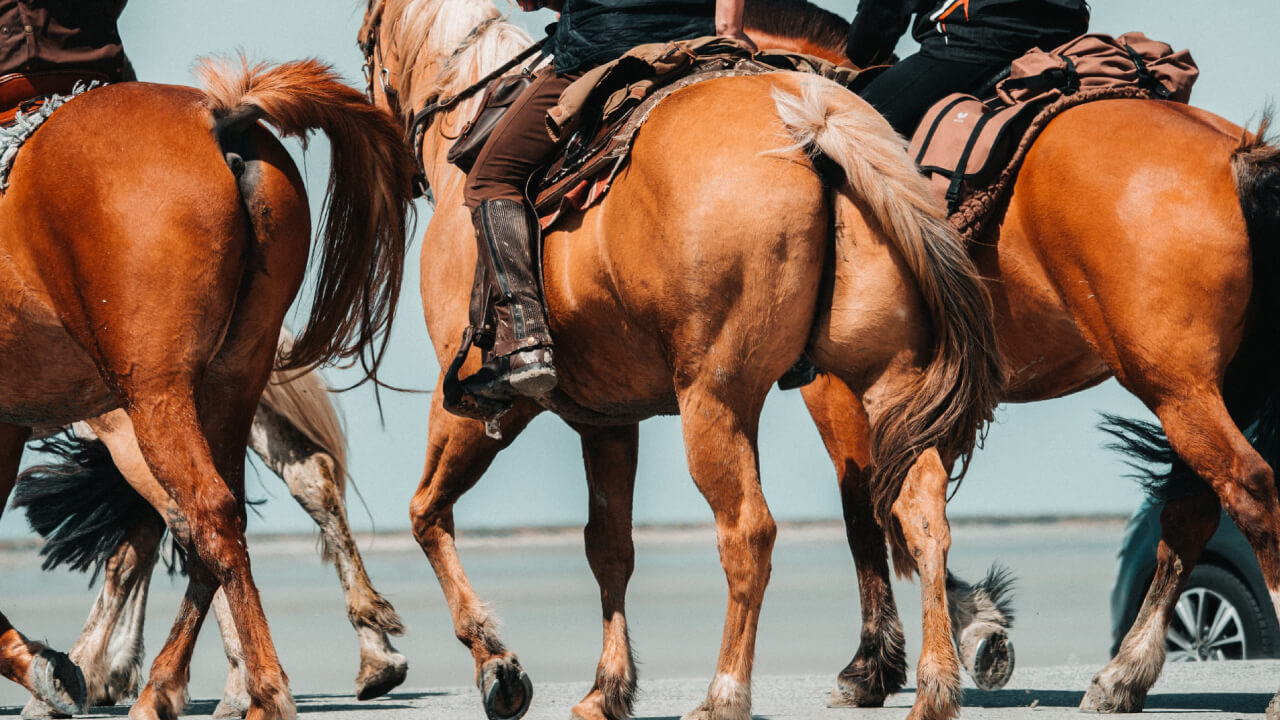
The tail length of a horse often reaches about 60-80% of its height from the ground to the shoulder, which is called the body height. For a horse with a height of 1.5 meters, the tail would typically be about 1 meter long.
What Is the Role of a Horse’s Tail?
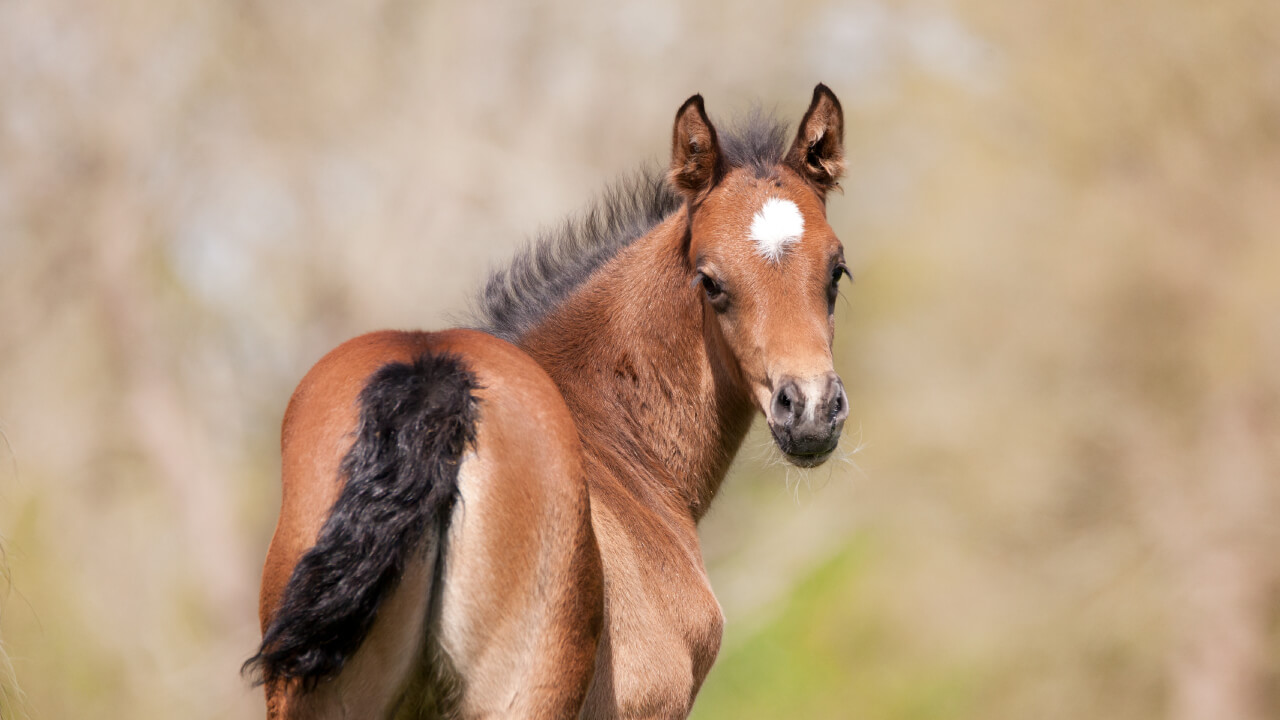
The tail plays various roles in animals, one of which is helping maintain balance when walking. This trait has been inherited from the age of dinosaurs, whose tails served similar functions. However, different animals have different tail functions. For example, squirrels use fluffy tails as scarves when sleeping and parachutes when jumping from high trees. Beavers use their tails to alert others by splashing water, and monkeys’ tails—sometimes called a ‘fifth limb’—are muscular enough for hanging and versatile movement. So, what roles does the long tail of a horse serve?
Repelling Insects
A long tail helps ward off flies and other insects. During seasons with many insects, horses often flick their tails. When insects come to places the tail can’t reach, horses use their long necks to swat or shake their bodies to shake off pests—thanks to the muscles beneath the skin.
Expressing Emotions
Just like dogs and cats, horses use their tails to show feelings. They lift their tails high when excited or tuck them between the hind legs when frightened. Observing a horse’s tail can help understand its mood and build better bonds.
How to Groom a Horse’s Tail
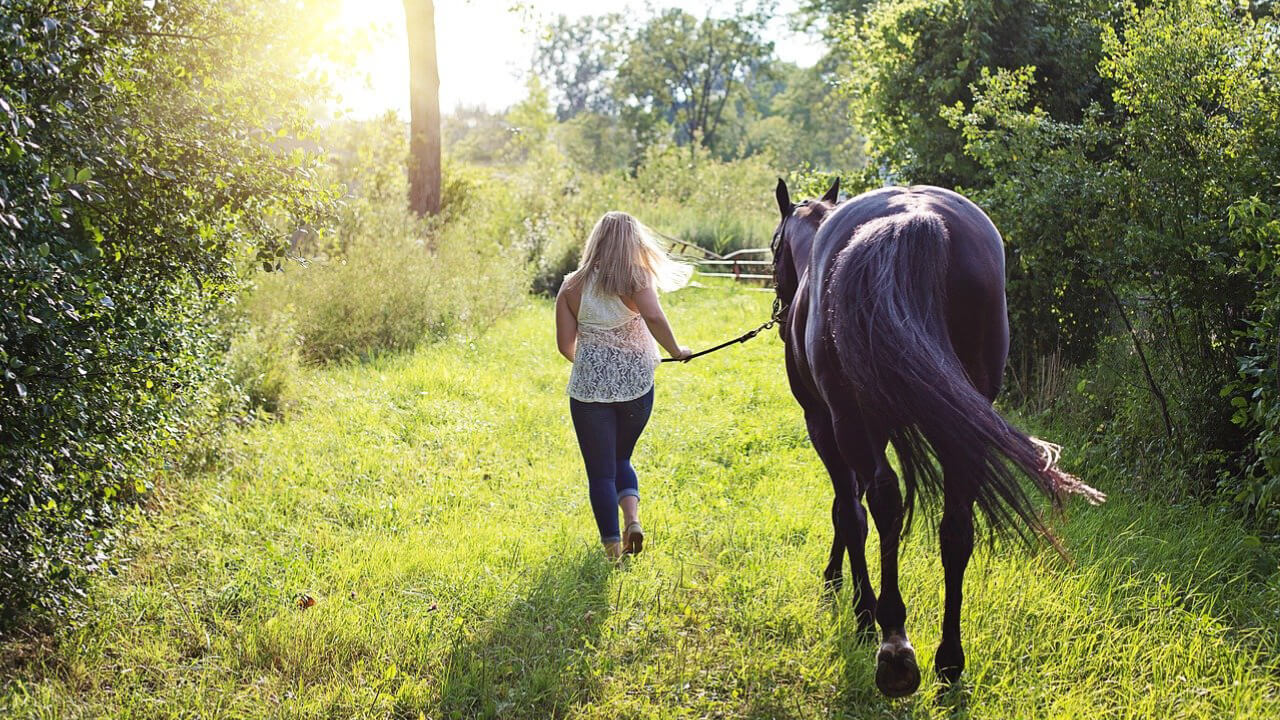
Like a human’s hair, a horse’s mane and tail vary greatly in thickness, curliness, and growth pattern. Regular grooming is essential to prevent dirt buildup, frizz, and damage. Here’s how to properly care for a horse’s tail.
Keep It Clean!
Start by removing large debris like hay tangled in the tail. Then brush to remove dirt and dust, starting from the tips and working upward, just like humans do when grooming hair. Next, wash thoroughly with horse-specific shampoo, as the hair differs from human hair. Rinse well and dry completely, paying extra attention to the roots. Finish with a tail and mane spray—some add shine, volume, or dirt resistance. If the hair is broken or falling out, use nourishing creams suited for horse hair.
Trimming
Horse tails grow about 4cm every two months. If left untouched, they can become overly long, especially in winter, leading to snow balls forming. Regular trimming helps maintain a healthy and tidy appearance. It’s advisable to do this with experienced help at first. Brush the tail, then hold it between your arm and the horse’s hindquarters to lift it to the desired length before trimming. Cut straight and keep the tail looking full by trimming the tips; this also helps prevent insect bites. Be cautious not to over-trim.
Why Braid?
Have you seen horses’ manes or tails braided at competitions or horse shows? Braiding is not just for looks—it’s functional. It makes the horse look neat and elegant, especially when dressed in show attire. Different styles, such as buns, loop braids, or adding ribbons, can be used to match your horse’s personality and the occasion. It’s also a great way to enjoy bonding moments while grooming before competitions.
Why Attach Ribbons?
Ribbons on the head or tail don’t just look cute—they send signals. For example, a ribbon on the head may indicate a biting habit, while a tail ribbon might signal kicking tendencies. These signals help handlers and others stay alert, preventing accidents and ensuring safety.
Summary
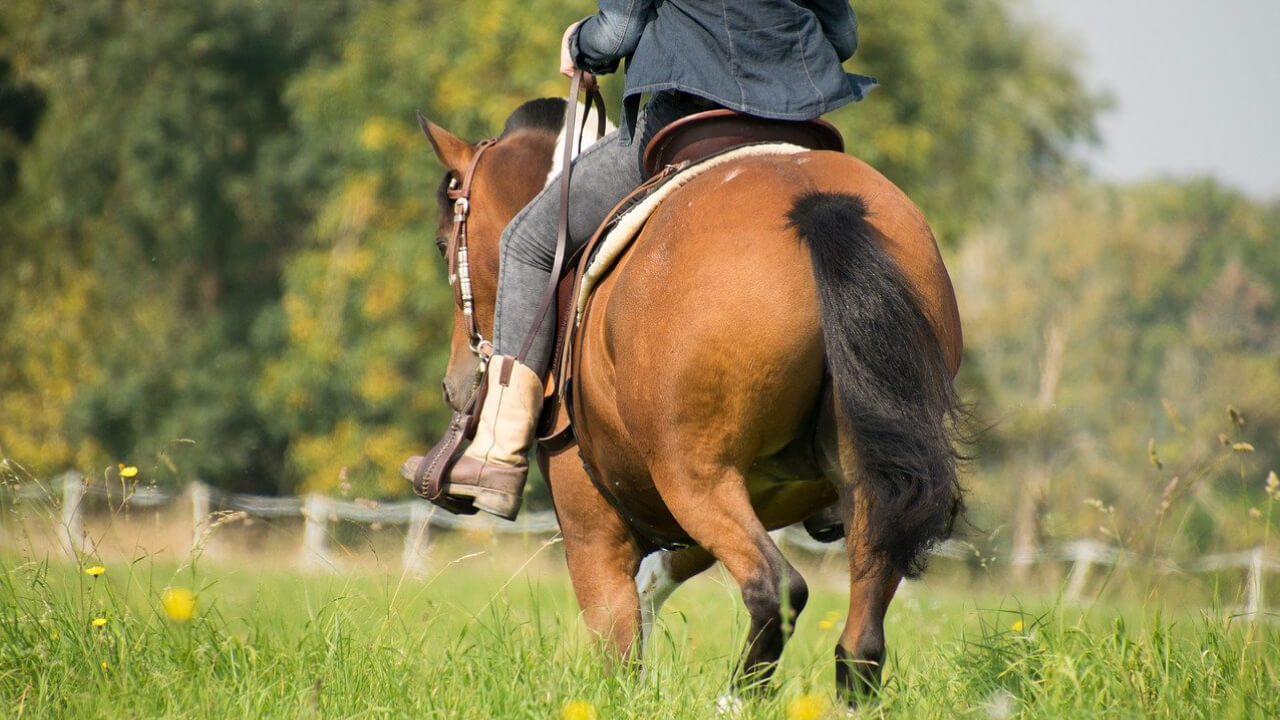
Horse tails serve many vital functions. Their flowing motions are not only elegant and beautiful but also crucial for balance, insect repellent, and emotional expression. Regular grooming is essential, and braiding or decorating can enhance their appearance for shows. Respect and care for this important part of your horse will strengthen your bond and ensure its well-being.