When is your birthday? A birthday marks the day an individual is born, so the month and date differ for everyone. Not just humans, but animals such as pets also have birth dates listed in their profiles at animal clinics or shelters.
Horses are no exception, but strangely, all horses are considered to have the same birthday. What does this mean? Here, we explain how horses calculate their age and how their aging process works.
How Do Horses Calculate Their Age?
When it comes to calculating age, most people think of gaining a year on their birthday. Since ages are based on the birthday, people of the same age can be at different points in time because of months or days. Is it the same for horses?
Horses’ ages are calculated based on January 1st as a universal birthday for all, regardless of their actual birth date. This system helps equestrians and breeders to easily identify generations, especially in racing where young horses are competing. It’s designed to minimize differences in growth among racehorses.
Furthermore, horses’ ages are counted using the universal age system, where age 0 is assigned from birth. Traditionally, ages were counted from their actual birth year, but since 2001, the universal age system has been adopted worldwide to align with international standards, especially for overseas racehorses.
How Old Is That in Human Years?
If you’re an animal lover, you might know that a one-year-old animal does not equate to a human age of one year. The growth rate varies between species. For example, ‘a 1-year-old dog equals a 16-year-old human,’ and ‘a 1-year-old cat equals an 18-year-old human.’ So, how fast do horses grow compared to humans?
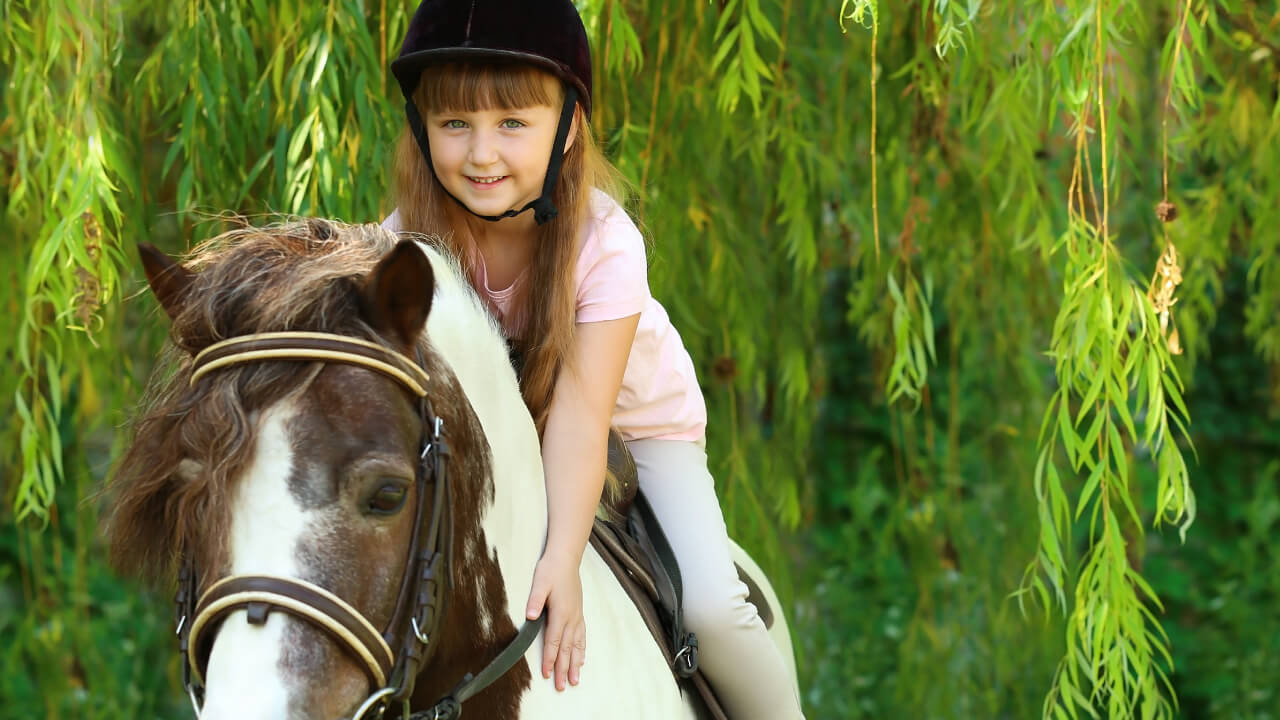
It is said that one horse year equals roughly six human years. Foals that can stand immediately after birth and run around within a day are considered to be about 2 human years old. By the time they reach 1 year old, training usually begins, which correlates to about a 6-year-old human starting elementary school.
The typical lifespan of a horse is around 25–30 years, which corresponds to roughly 73–85 human years.
How Old Are Racehorses?
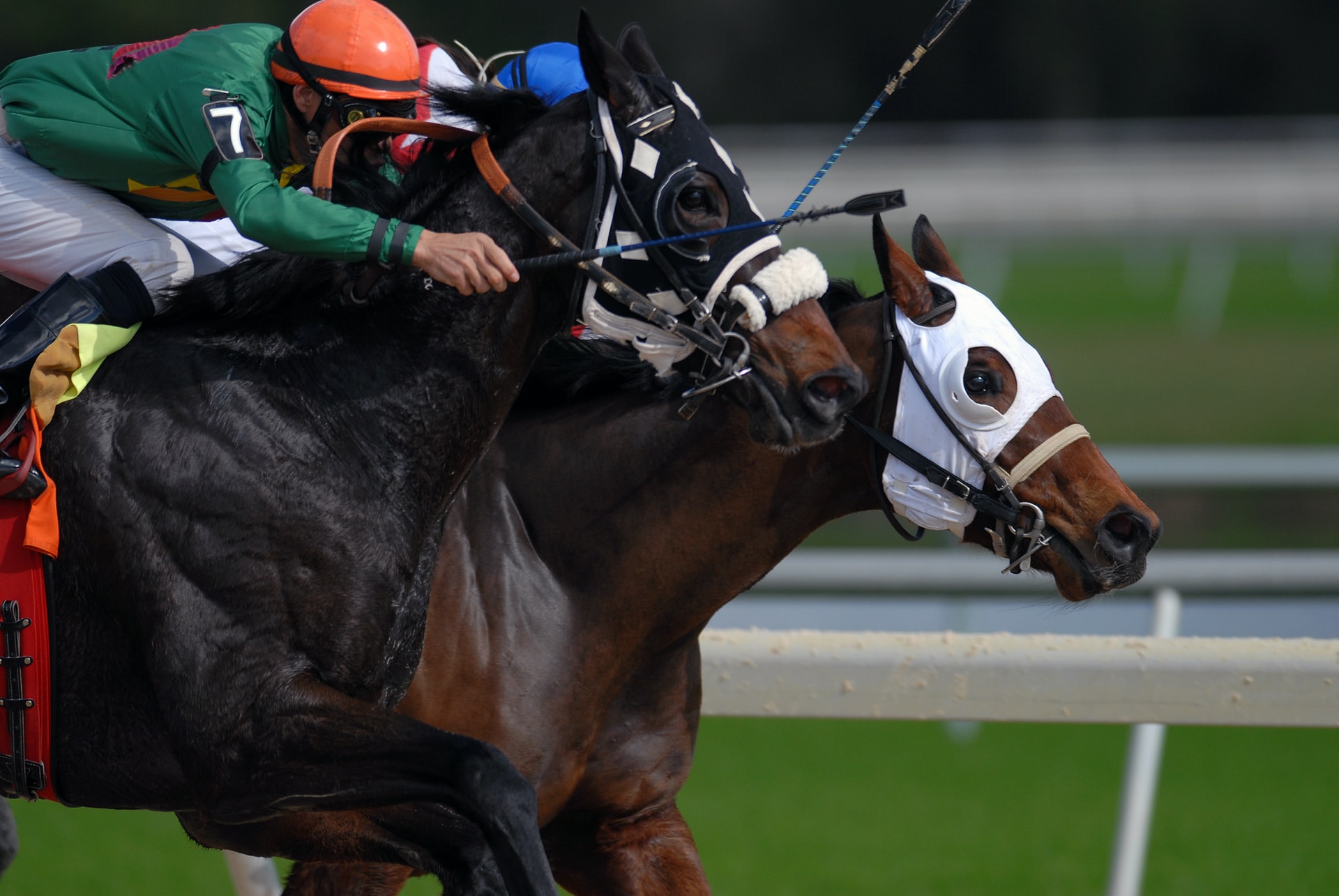
As mentioned earlier, training begins when a horse turns 1 year old. To become a racehorse, they undergo various training regimes, participate in races, and compete alongside experienced horses to demonstrate their abilities.
So, at what ages do racehorses typically start and end their competitive careers? And what does their development process look like?
When Do Racehorses Typically Start and End Their Careers?
Some horses make their debut as early as 6 months old, around June, though most start racing around the fall of their second year, approximately 14–16 years in human terms. The exact age depends on their growth and training progress, so not all horses debut at once.
In spring of their second year, they are assigned to a training facility and begin serious training. Early starters gain more experience; hence, they tend to race earlier and more frequently.
By ages 3–4, horses have matured physically and shown more stability in running, similar to teenagers and young adults in human terms. This is also the age when they are eligible to participate in major races like the Japanese Derby, Satsuki Sho, and Kikuka Sho, which are some of the most prestigious races. If a horse wins these, it is considered top-class. The peak performance age for racehorses is generally around 4 years old, with many winners being 4 or 5.
Around 5–6 years old, racehorses often reach the end of their peak performance and start retiring, similar to humans in their late twenties. Although the racing age limit is around 12, age 10 and beyond makes it physically and mentally challenging for horses to compete effectively.
Therefore, the typical active racing period for a horse is considered to be from around 2 to 5 years old.
How Are Racehorses Trained?
Many foals are born between spring and early summer, and by about six months old, they are weaned from their mothers and begin group living. They build basic physical strength during pasture life. Activities such as day-and-night pasture grazing and being ridden and exercised help increase their activity levels.
At around 1 year old, they start training with harnesses and learn to be ridden, a process called seasoned training for riding. This requires patience, as horses unfamiliar with being ridden need time to get used to it.
By 2 years old, once they acquire fundamental racing skills, they are transferred to training centers to undergo intensive training. Passing the ability tests permits some to debut as early as June, depending on their development.
Rare Long-Lived Horses You Might Not Usually See
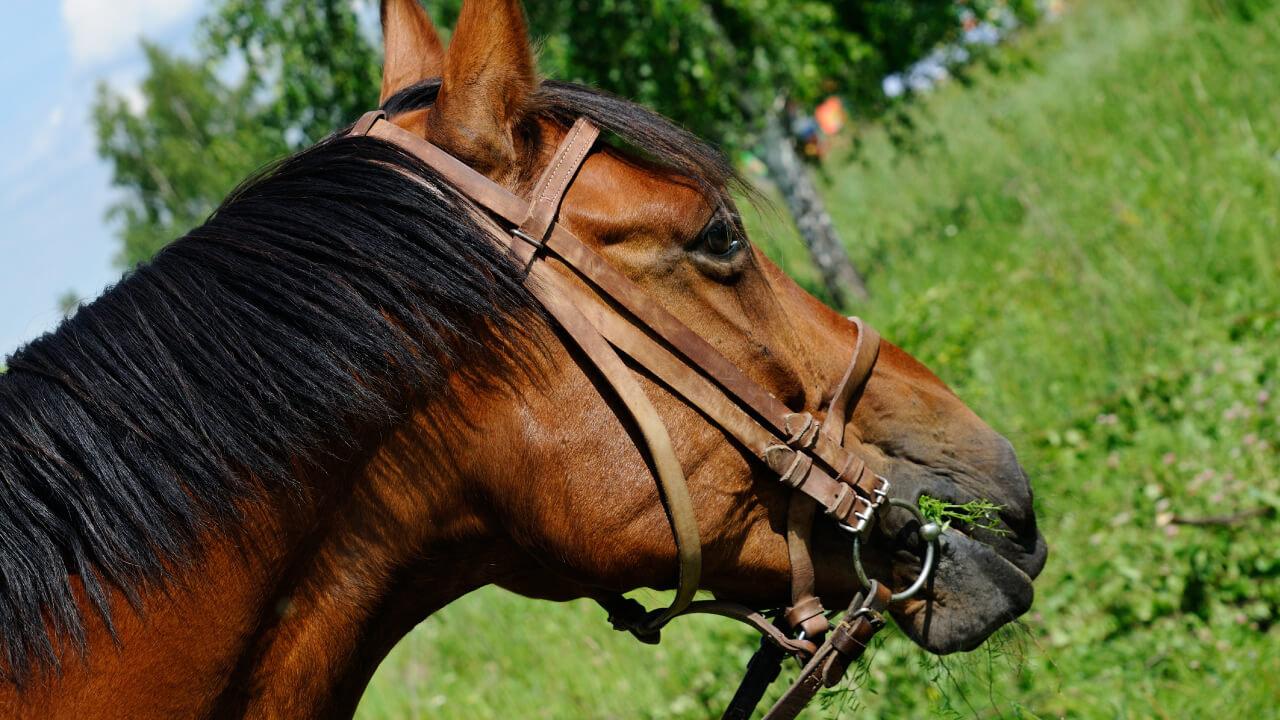
The average lifespan of a horse is around 24 to 30 years. In Thoroughbreds, it’s about 24 to 25 years.
The oldest horse in Japan was Charlotte, who lived for 40 years and 82 days. Other long-lived horses include Rookie at 38 years and 67 days, Alex at 36 years and 298 days, Mineiru Davite at 36 years and 273 days, Marie Joy at 36, Urakawa Miyuki at 36, and Main Caster at 34 years and 363 days.
Worldwide, some horses have lived even longer, with Old Billy reaching 62 years, Sugar Puff 56, and Shane at 51.
Summary
Many might be unaware, but the concept of all animals aging from a base date of January 1 is uncommon. In racing, maintaining fairness through uniform age calculation and using January 1 as a standard date for all is a unique practice in the animal world.
Given the typical lifespan, it’s clear that active racing careers are relatively short, which explains why many retired racehorses find second careers in riding clubs. Check out the ages of horses at riding clubs and compare them to your own—perhaps you’ll find a horse around your age too.