The cold season has arrived. Many people hesitate to go outside because of the cold, and in some regions, snow prevents going out altogether. Sitting indoors without exercise can lead to concerns about lack of physical activity.
Although COVID-19 has eased, it is still not completely under control, making it difficult to attend sports clubs easily. For those reasons, horse riding training you can do at home is highly recommended. You can stay active indoors, and for those learning to ride, it’s an excellent way to strengthen the muscles and senses needed for riding—achieving two goals simultaneously.
Here, we introduce several horse riding exercises that can be performed at home.
Balance Ball for Improving Balance and Core Strength

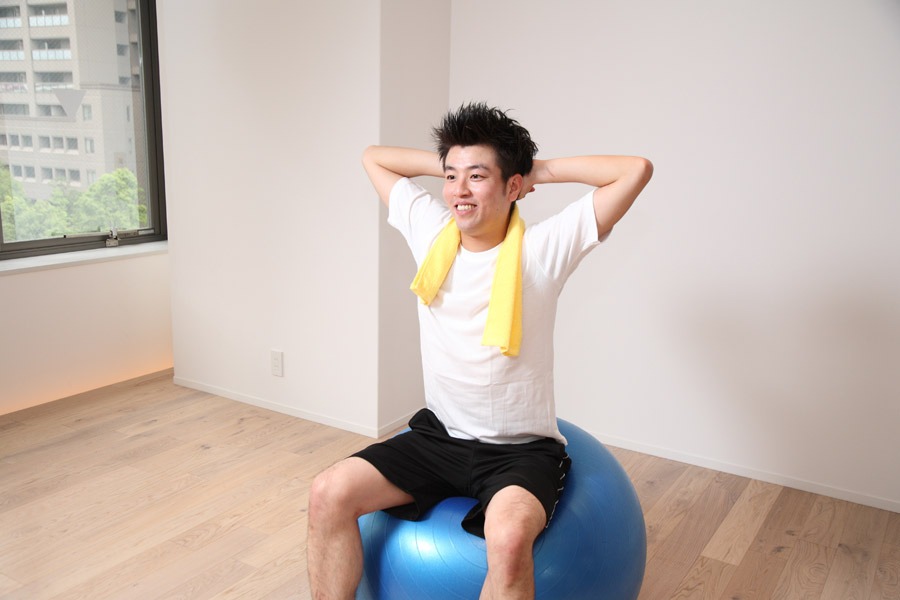
In horseback riding, maintaining balance on the horse is crucial, making balance sense and bodily awareness very important. An effective tool for training these skills is the balance ball.
Training indoors often limits large movements or jumping, but sitting on a balance ball and maintaining posture allows for easy, gentle training without strenuous exercise. Because balance balls are affordable and accessible, it’s easy to start.
Begin by sitting centered on the ball, shifting your weight slightly, and practicing to stay seated without falling over. The key is to keep your sit bones upright, similar to a riding posture.
Through daily practice, you can develop a sense of balance and build bodily awareness that’s difficult to acquire in everyday life.
Inner Muscle Training with Planks

The trending core workout method is the plank. Holding a set pose for a period of time helps strengthen the inner muscles.
This exercise involves no large movements, just maintaining a posture, making it popular among people living in apartments who are concerned about disturbing neighbors or limited space.
At first glance, it may look easy, but holding the position even for a short time can be quite challenging and sometimes causes muscle soreness.
The secret to seeing results is maintaining correct posture. It’s tempting to relax or slouch, but that won’t improve results.
There are various plank variations, gradually increasing difficulty or combining different styles. Start with the basic pose, which is easy to learn. The basic plank position is as follows: Lie face down, place both arms and elbows on the floor, straighten your legs, and lift your body with your hands, elbows, and toes while keeping your body aligned. Be careful not to lift your hips or let your head droop, causing your back to round.
While the pose isn’t difficult, maintaining proper form is the challenge.
Stable Legs with Squats

Squats are a fundamental exercise for many people with extensive experience. They effectively target the hips, buttocks, and inner thighs and are perfect for stabilizing the lower body.
Horse riding involves repeated movements of standing and sitting on the horse. Without stable lower-body strength, balance can be lost when standing up. Practicing squats helps prepare for smooth slow trots.
Squats aren’t just about squatting quickly or many times. Proper form is essential: Squat slowly to a position directly below you, maintain your posture, and then rise slowly, focusing on your hips, buttocks, and inner thighs throughout the movement.
By practicing squats diligently, you can achieve a firm, lifted buttocks and toned legs.
Stretching to Enhance Joint Flexibility

In daily life and exercise, you may get injured if you don’t move your body properly after waking up. Stretching is highly effective for making your body more flexible.
Stretching stimulates muscles and helps expand the joint range of motion, which is beneficial for correct riding posture and easy rein handling. It also contributes to better control of the horse by facilitating proper leg aids.
Stretching your shoulders and shoulder blades helps you hold a proper riding posture and makes rein control easier, as well as supporting your ability to effectively communicate with the horse.
Hip stretching not only helps you maintain balance on the horse but also allows you to grasp the horse firmly, aiding in correct leg aids. The methods include:
- Pulling arms forward and then moving them like a circle behind you, ensuring to pass through the farthest point from your body. If you can clasp your hands together in front and behind, do so. If not, don’t force it.
- For hip stretches: Lie on your back and sway your ankles side to side; or, with your hands against the wall, swing each leg like a pendulum. Start with small swings and gradually increase the range of motion.
There are many other stretching techniques, so choose the ones best suited for you.
In Summary
How was it? Horse riding exercises are effective for both riding and staying active. Consistent training can refresh both your body and mind.
The exercises introduced here are easy to do at home. Give them a try! Sitting indoors for a long time can cause stiffness and other issues, so use horse riding workouts to loosen your muscles and stay healthy.