Greetings are a form of communication, and both humans and animals have their own ways of saying hello. Among humans, it varies by country—bowing, hugging, handshakes, and more—all serve as different forms of greeting.
Animals also greet each other using sounds like birds or with their noses like elephants. But what about horses?
In this article, we’ll explore how horses greet each other and how humans can appropriately greet horses. As greetings are the first step in communication, understanding these methods can help you build a better relationship with horses.
How Do Horses Greet Each Other?

Do you know how horses communicate and greet each other? Horses mainly use their noses for greeting. Horse’s noses are large and highly sensitive, with a sense of smell about 1000 times better than humans. They use this sense not only for finding food but also for recognizing their herd members through scent.
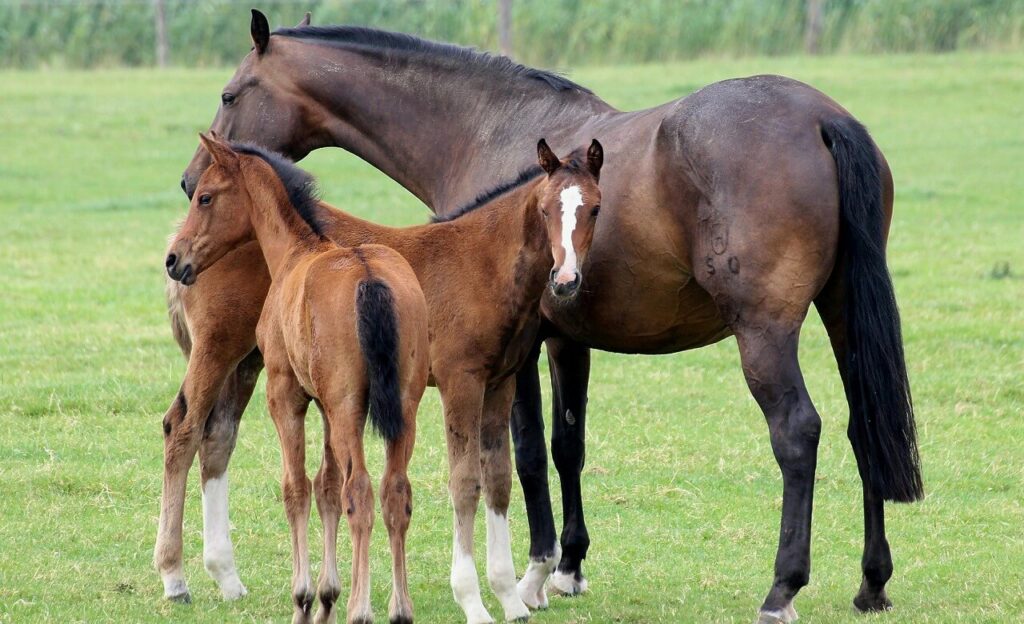
The typical horse greeting involves bringing their noses close or touching each other, or smelling each other. Once they recognize each other, they often engage in mutual grooming—licking each other’s necks or backs—which is a sign of friendship and affection, similar to grooming behaviors seen in dogs and cats.
Sometimes, horses may also show signs of dislike—biting, kicking, or other aggressive behaviors—if they feel uncomfortable or disagree with the greeting. These situations can lead to injuries.
How Should Humans Greet Horses?

As we’ve seen, horse-to-horse greetings involve noses and mutual grooming. When greeting a horse as a human, it’s important to mimic this behavior in a safe and respectful way. Instead of invading their space, you can extend the back of your hand towards their nose and let them sniff you—much like how cats or other animals might get acquainted.
Only when the horse sniffs you and shows signs of trust should you gently touch their face or body. Remember, horses have excellent hearing, so speaking softly and calmly while they sniff can help build trust—avoid loud voices, and always pay attention to their body language before approaching.
Precautions When Approaching a Horse for a Greeting

Horses are generally gentle animals, and unless they have a biting or kicking habit, they rarely cause harm. However, because horses are prey animals and can be easily startled, it’s crucial to approach them carefully and avoid sudden movements, loud noises, or approaching from behind, which can scare them and cause injury.
Horses can see 350 degrees around them, but the only blind spot is directly behind. Approaching from the rear can be frightening, as they cannot see what’s behind them, so always approach from the front and sides.
If you are experienced with riding or outdoor riding, you’ve likely been told never to stand behind a horse—to avoid powerful kicks and injuries. Respect their feelings, and approach slowly and calmly, checking their mood beforehand.
In summary, building trust gradually by observing their body language—ears pointed, nostrils flaring, or ears laid back—helps prevent misunderstandings. Approaching a horse with patience and respect is key to forming a bond.
The Horse’s Nod Is Not a Bow

Some people might think that a horse nodding its head is a bow as a greeting, similar to humans bowing. However, in reality, a horse nodding its head is not an act of greeting or bowing; it’s a sign of disagreement or discomfort. This behavior can indicate that something is bothering the horse, such as discomfort from equipment or stress.
In addition, a horse may also nod its head to seek attention or show that it wants to be petted or noticed. Always interpret this gesture contextually before approaching or touching a horse, as it can mean different things—disapproval or a plea for attention.
Conclusion
As we’ve seen, horses have their own ways of greeting that differ greatly from human gestures. For humans, bowing might be an appropriate greeting, but horses communicate differently. To greet a horse effectively, it’s important to understand their behaviors and approach them with patience and respect. Gentle observation of their body language and feelings will go a long way in building a good relationship.
If you want to become friends with horses quickly, remember to apply these methods and practice regularly. Thanks for reading!