
Enhancing your riding skills can involve various strategies, such as accumulating riding experience by practicing with different saddles, improving your balance, and increasing your flexibility. Among these, flexibility is often said to be higher in children than in adults, which contributes to faster progress in horse riding.
As we age, flexibility gradually diminishes. This decline can make it harder for adults to sense riding cues or make them more prone to injuries. The good news is that flexibility can be easily improved at home by incorporating regular stretching into your daily routine, making this a simple yet effective method for riders of all ages.
In this article, we’ll focus on key stretches for the ankles and hips—areas especially important for mastering riding skills and improving overall flexibility.
Ankle Flexibility for Better Stirrup Positioning

One of the effective stretches to improve riding skills involves ankle flexibility. Here, we introduce the importance of ankle flexibility and demonstrate some effective ankle stretches.
Why You Need Ankle Flexibility
To balance on horseback, you need to press your heels into the stirrups. Imagine having the stirrups firmly pressed down—you want your soles parallel to the ground or heels pointing downward.
Many people tend to point their toes downward when lowering their legs unintentionally while riding. To achieve a solid stirrup press, it’s essential to maintain flexible ankles and stretch the Achilles tendons.
Thus, ankle flexibility exercises are recommended. Let’s learn the specific stretches that can help improve ankle flexibility.
How to Stretch Your Ankles
The following are three effective stretches for ankle flexibility, including stretches targeting the calves which influence ankle mobility.
The first stretch targets the Achilles tendon: Stand with your feet shoulder-width apart, fully pressing your heels into the floor, and gradually lean forward to stretch the Achilles. Move slowly and avoid forcing the stretch to prevent injury.
The second involves moving your ankles up and down using a thick book or low platform: Place your toes on the edge and raise and lower your heels multiple times. This helps simulate the feeling of pressing your stirrups.
The third stretch involves kneeling with one leg bent—reach and grasp your thigh to pull your knee close to your chest, keeping your heel on the ground while leaning forward. Start with about five seconds and increase as you get used to the stretch.
Before stretching, check your ankle flexibility to set a baseline and monitor your progress over time, which can boost motivation.
All these stretches are effective not only for improving ankle flexibility but also for injury prevention. Feel free to practice them at home when you have spare time.
Hip Flexibility for Better Riding Posture
Besides ankle stretches, hip stretches are also effective for improving riding skills. Here, we introduce the importance of hip flexibility and demonstrate effective stretches.
Why Hip Flexibility Matters
When riding, you need to spread your legs wide to grip the horse’s body, and a stable seated posture relies heavily on hip flexibility. The flexibility of your hips significantly influences your riding posture and leg position.
If you can’t maintain proper posture, you risk losing balance and falling off, especially when the horse makes big movements. Proper leg positioning also helps communicate correctly with the horse, making your ride more synchronized.
We recommend hip stretches to improve flexibility. Let’s explore effective stretches in the following sections.
How to Stretch Your Hips
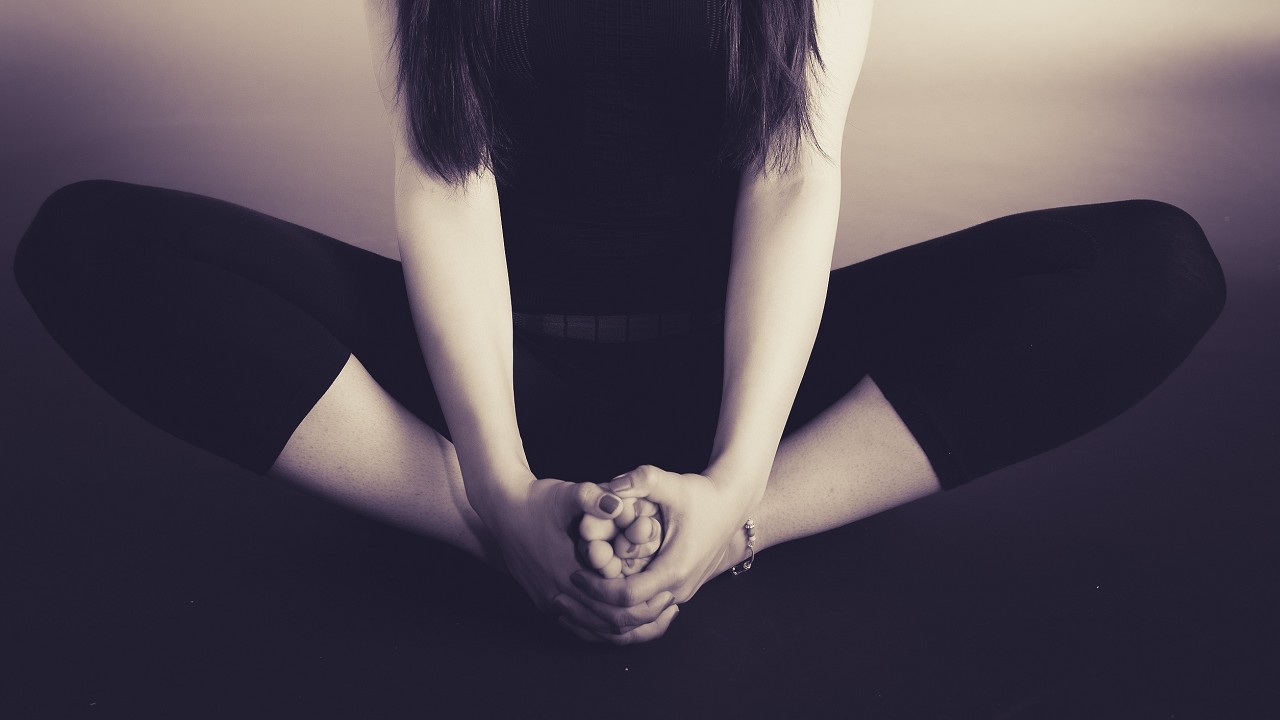
Below are three stretches targeting the hips: Sit on the floor with your soles together, and gently lean forward without forcing the stretch. Avoid overextending to prevent injury.
The second stretch involves placing your hands on the wall and swinging one leg back and forth like a pendulum: Start with small swings and gradually increase the range as you become comfortable. Keep your core engaged to stabilize your body.
The third stretch involves standing with legs wide apart, dropping your hips side to side, and making small up-and-down movements to loosen the hips. Use your hands on your knees for balance if needed. Maintain a steady breathing rhythm during the stretch.
All these stretches help improve hip flexibility and prevent injuries. Incorporate them gradually into your routine.
More Useful Information Available Online
In addition to ankle and hip stretches, there are many other benefits and techniques available online to enhance your riding preparation and flexibility training.
Benefits of Ankle Stretching
Beyond injury prevention and ease of movement, ankle stretches can help with pelvic alignment, combating cold sensitivity, and reducing swelling. These additional benefits contribute to overall health and comfort.
For example, ankle stiffness can be linked to misalignments from the pelvis to the legs. Improving ankle flexibility through stretching can improve blood circulation, helping to alleviate coldness and swelling, and promoting better body alignment.
Good blood flow also helps remove metabolic waste from the body, reducing swelling. These effects make ankle stretching a holistic health practice as well as a riding aid.
Benefits of Hip Stretching
The hips are vital joints supporting most of the body’s movements, including standing, sitting, and walking. Maintaining their flexibility enhances muscle strength, boosts metabolism, and improves posture.
Stretching the hips helps correct imbalance in the pelvis, leading to better overall body balance. This can positively change your stance and walking style, making your riding more effective and comfortable.
Summary
While increasing riding experience through lessons remains crucial, understanding your body’s composition and performing targeted stretches can also significantly enhance your skills. Including ankle and hip stretches in your routine is a simple yet effective approach.
The stretches outlined here are just a few options among many. Start with these basic methods, and gradually incorporate more as you build flexibility. Give them a try and see how they can improve your riding experience.