What Are Horse Riding Pants Anyway?
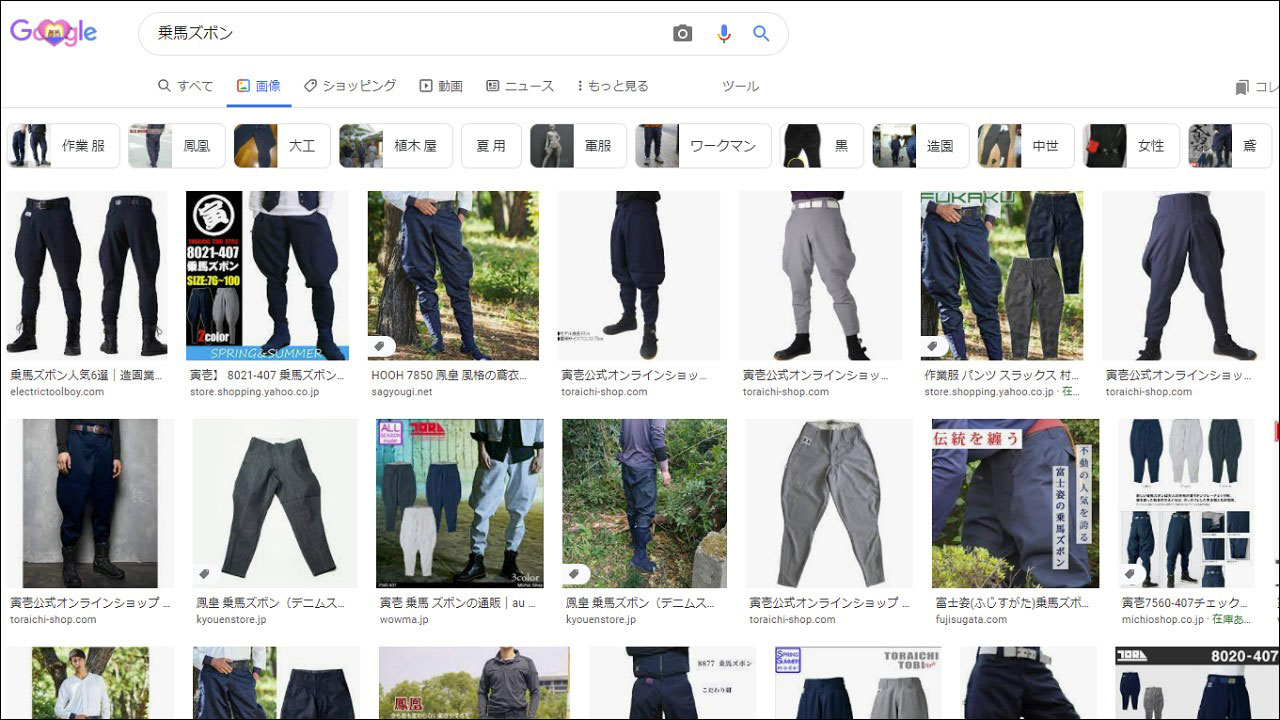
When searching for riding pants, you might find yourself thinking, ‘Yes, this is it!’ or feeling, ‘That’s not what I expected!’. If it’s the latter, it could be because you’re looking at images of baggy work trousers known as nikka-pokka, which can look very different from traditional riding gear. Depending on your goal, you might search with terms like ‘culottes,’ ‘jodhpurs,’ or just ‘pants’. These different names reflect various styles used for riding, each with its own history and design. We introduce the different types of riding pants below.
Dapper Riding Attire
The history of riding originates from 17th-century Europe, mainly among the aristocratic class as a part of their social activities. Consequently, riding outfits tend to emphasize formal, stylish clothing more than other sports.
Breeches
In the past, riders wore custom-made leather boots suited to their leg shape for polo or hunting. They also wore shorter trousers, called ‘breeches,’ which prevented their cuffs from getting in the way.
Jodhpurs
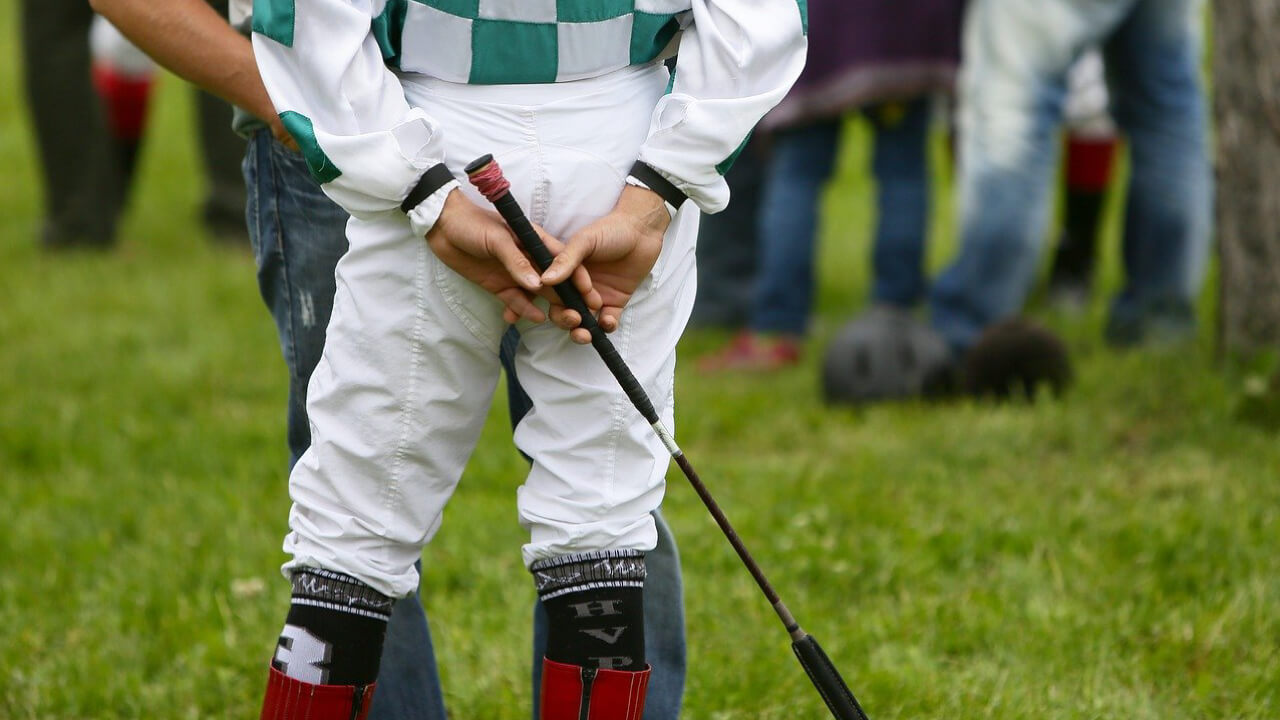
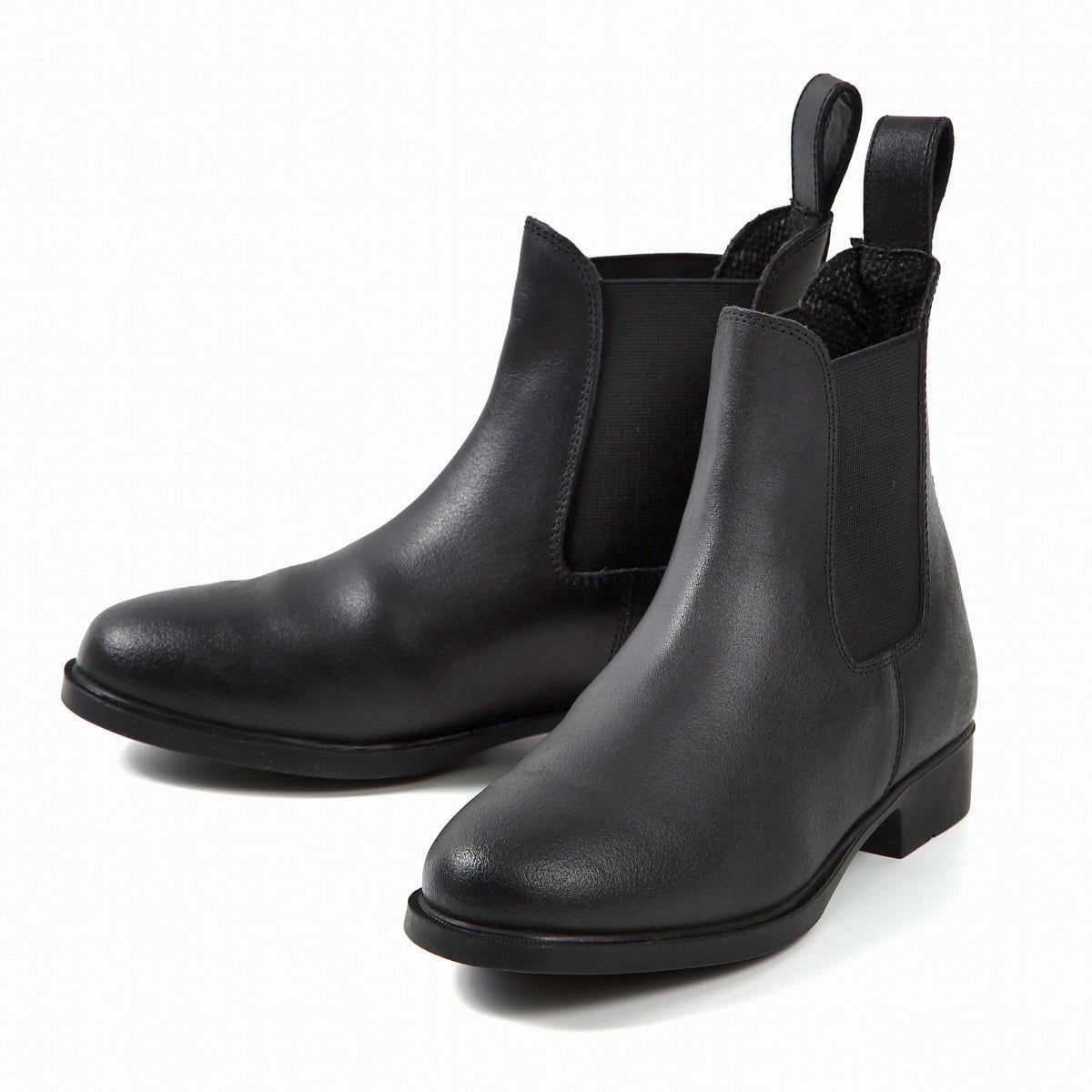
In the late 19th century, a prince from Jodhpur, North India, modified the loose trousers popular in polo and hunting, creating ‘jodhpurs.’ These trousers reached the ankle and were paired with short boots called jodhpur boots, which are cheaper than leather riding boots. Often, chapstoers are worn to prevent dirt from entering the gap between the trousers and footwear, and for visual appeal. Interestingly, Coco Chanel was one of the first women to wear jodhpurs, shifting women’s riding styles from the traditional side-saddle to astride riding in the 1920s.
Difference Between Breeches and Jodhpurs
In Western countries, these two types of riding trousers were used differently. Breeches paired with long boots were for advanced riders or competitions, while jodhpurs coupled with short boots were seen as casual or everyday riding attire. For growing children, whose sizes change rapidly, it was practical to choose jodhpurs for practice and competitions instead of custom-made long boots.
Jodhpurs and Overalls — What’s the Connection?
In Japan, baggy trousers used by workers at construction sites are often called ‘nikka-pokka,’ which can cause confusion. The reason why searching for ‘riding pants’ sometimes produces images of these loose work trousers is interesting. Nikkapokka are loose, easy to move in, and create gaps around the body, which are said to prevent injuries. They also help with safety in high places by allowing wind measurement and maintaining balance. They are popular among workers because they keep cool in summer and don’t feel bulky when layered in winter.
Are Nikkapokka Really Riding Pants?
In reality, there are different types of loose trousers worn by workers, including nikkapokka, shichibu (seven-tenths length), and actual riding trousers. Nikkapokka are broadly baggy with full length to the ankles, common on construction sites. Shichibu are longer than the knee but fit tightly from below. Riding trousers look similar to skinny jeans but are baggy only around the thighs, designed for riding. They are usually worn by experienced workers or supervisors. Despite the similarities, safety and functionality are crucial—work trousers like nikka-pokka, shichibu, and riding trousers are essential for construction workers, just like equestrian trousers for riders.
Horse Riding Pants as Workwear
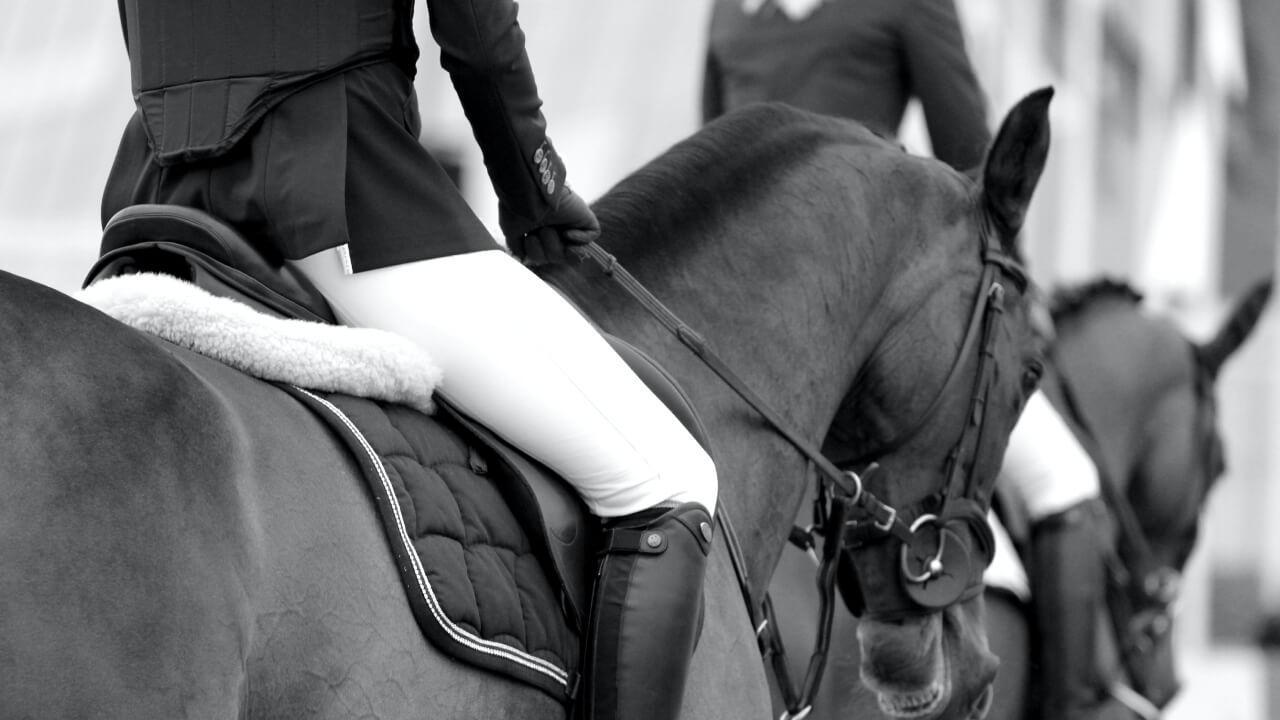
So, what features are essential for riding trousers used by equestrians? Looking at international competitions, we see that standards emphasize safety and comfort. Riding pants must be form-fitting, allow for delicate control, and often incorporate grip features like leather seat patches or knee patches for better stability. The choice varies depending on the riding activity and personal preference, but all aim for safety and ease of movement.
Elegance and Safety
Different riding disciplines require specific outfits. For instance, show jumping riders wear collared shirts with ties, white jodhpurs, tall boots, and helmets. Dressage riders wear similar attire but add long tail coats and top hats, though helmets have become more common for safety. Cross-country riding prioritizes safety, with riders wearing body protectors over their shirts. Despite variations, all riding apparel aims to combine elegance with safety.
What Matters in Riding Trousers
While whips are sometimes used, the primary way to control the horse is through leg aids. Therefore, riding trousers should fit well, offer freedom of movement, and enable delicate gestures. Anti-slip materials on the seat or knee areas help maintain posture and grip—examples include leather patches on the seat or knees. Leather patches improve grip and prevent slipping, especially useful for beginners or for jumping. For those concerned about thick leather, fabric options without leather patches are also available, prioritizing safety and mobility. Ultimately, riding trousers like equestrian pants are designed to be safe, comfortable, and functional—similar to workwear like nikka-pokka.
Culottes Are Only Common in Japan
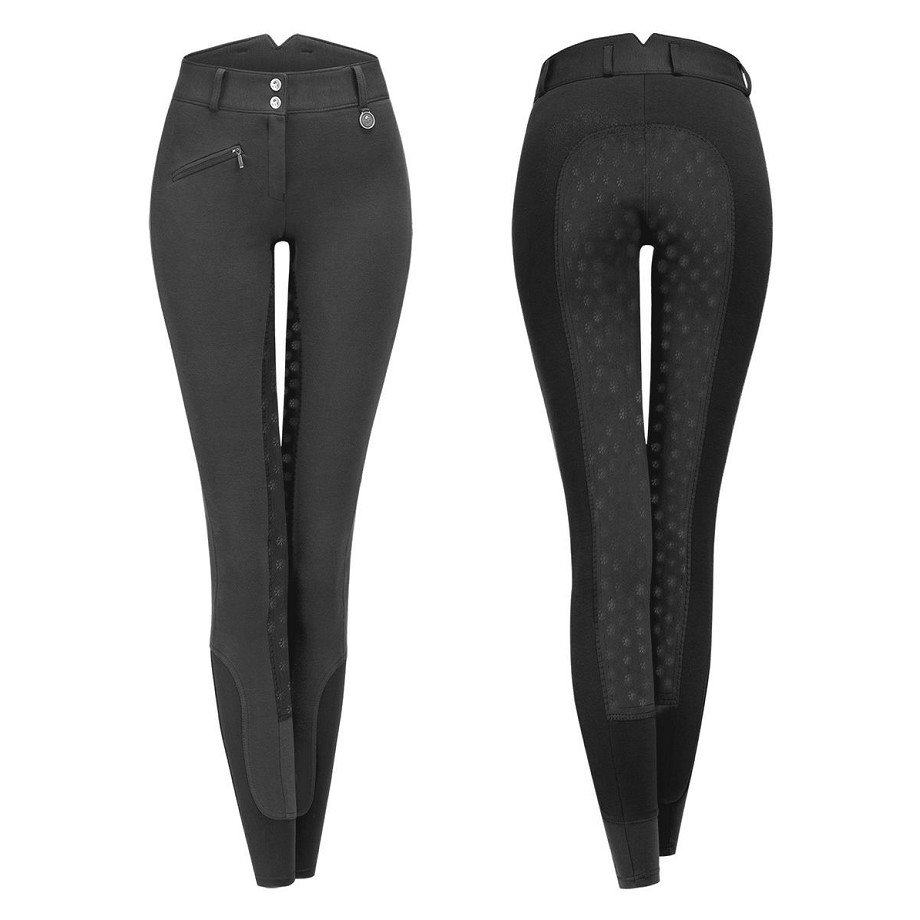
In Japan, the terms breeches, jodhpurs, and riding pants are sometimes referred to as ‘culottes,’ but did you know this term is only understood in Japan? International competition clothing actually uses the word ‘culottes,’ but it’s not a term commonly used outside Japan. When shopping overseas, you should be aware that asking for ‘culottes’ might not give you the desired results.
Summary
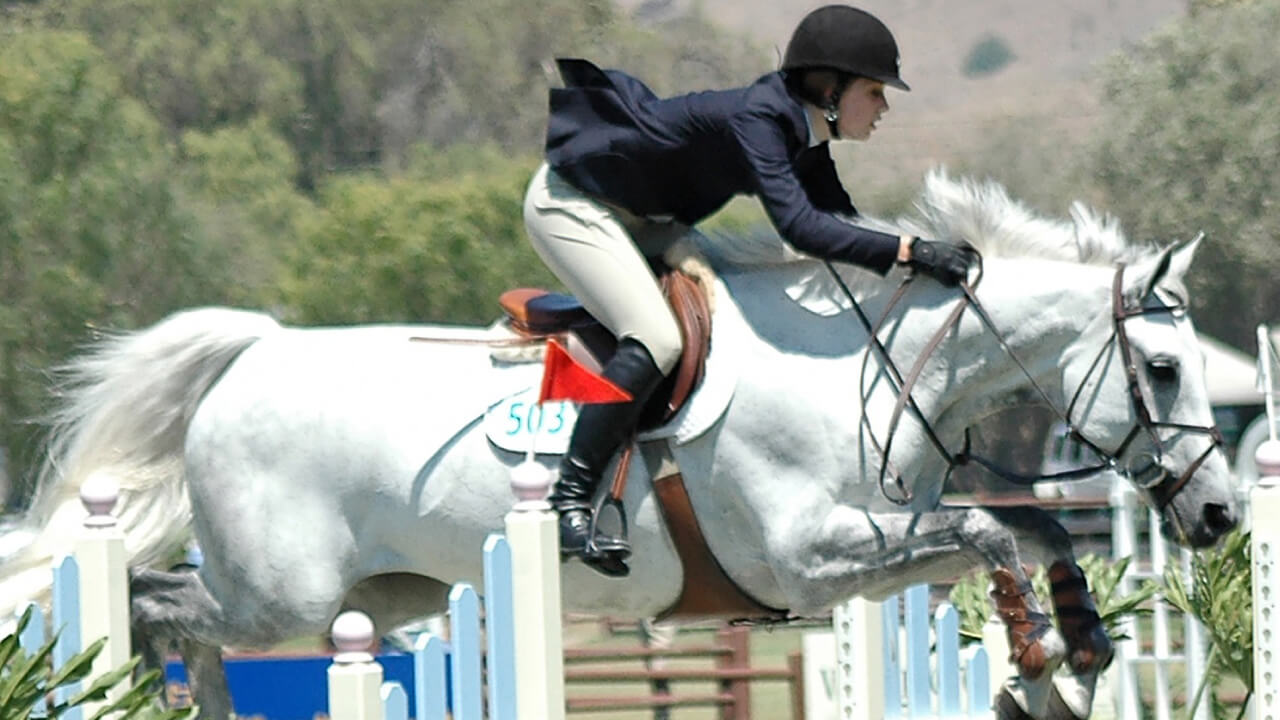
Horse riding trousers are often seen as traditional garments with rich history and various styles, each designed to ensure safety and comfort. From formal competitions to casual riding, the fundamental goal remains: to allow riders to move freely and stay safe. Choosing the right riding pants can make your riding experience more enjoyable and secure, so it’s worth exploring your options for your next purchase.