Have you ever noticed a difference in impression between summer and winter horses? Like dogs and cats, horses shed and grow different coats depending on the season.
The coat in summer is called ‘summer coat’ and in winter ‘winter coat,’ and in this article, we will explain about the winter coat of horses. We will cover various aspects such as the characteristics of winter and summer coats, brushing tips, and winter coat care for racehorses.
What Dog and Cat Owners Know About ‘Winter Coat’

People who own dogs and cats may have experienced this; animals with fur shed and grow different types of fur depending on the season, called ‘molting.’ Horses also undergo molting, changing their coat twice a year.
So, in the cold winter, what kind of winter coat do horses wear? Here, we introduce the characteristics of winter and summer coats of horses.
What is a Horse Winter Coat?
Horses shed their coats twice a year. As the cold subsides and spring approaches, they shed their winter coat and grow a summer coat. Conversely, when it starts to get colder again in fall, the summer coat sheds and replaces with a winter coat.
There is no fixed date; horse skin detects the changes in temperature and sunlight and begins molting accordingly.
Why do horses change coats with the seasons? It is similar to humans changing clothes—wearing long sleeves or short sleeves depending on the season and temperature.
The summer coat is shorter and less dense. During summer, rising temperatures can cause the horse’s body temperature to increase if unchecked. To prevent this, the coat is shorter and less dense to allow heat to escape.
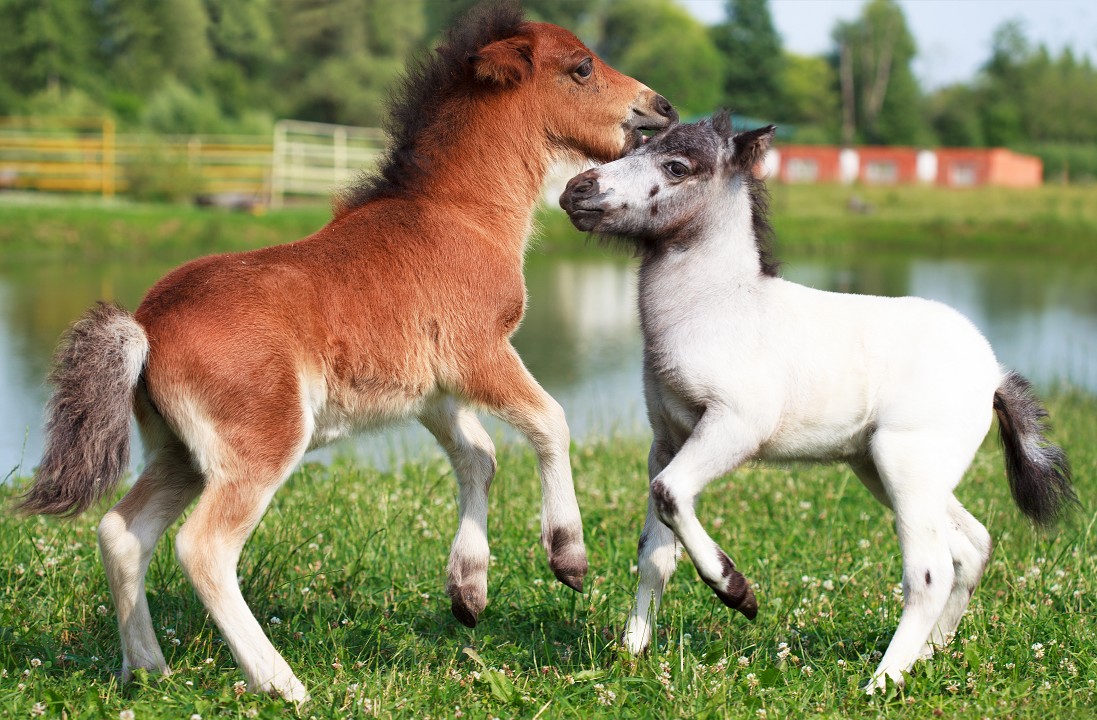
The winter coat is longer and denser. It helps horses retain body heat and stay warm during harsh winter conditions. That is why winter-coated horses look fluffy and adorable compared to their summer appearance.
Why Do Different Parts of Horse Bodies Have Different Hair Directions, ‘Hair Flow’?

When brushing horses, the common practice is to move the brush along the direction of the hair. The hair on all parts of a horse’s body grows towards the belly.
This hair pattern is called ‘hair flow,’ and it helps water from rain or sweat flow down without trapping between the hairs, preventing heat loss from prolonged moisture.
If you brush against the hair flow, the hairs stand up. Sometimes, brushing against it is necessary to remove dandruff or dirt and it aids in thorough cleaning. After that, always brush along the hair flow to restore the natural direction.
Precautions for Brushing

Here, we introduce simple brushing methods and tips to be aware of when dealing with horses.
Brushing Methods
Since horses are susceptible to skin diseases, even short brushing sessions are important. The recommended methods include ‘using a plastic brush to remove dirt,’ ‘using a rubber brush to remove debris from the roots,’ ‘using a root brush to brush off loosened dirt,’ and ‘using a soft brush for finishing.’
Always brush along the hair flow, as mentioned earlier. Applying slightly more force can also be beneficial as it acts as a massage.
Precautions for Brushing
When brushing, keep in mind to ‘observe the horse’s condition,’ ‘avoid too close contact,’ and ‘hold the brush with your rear hand.’
Not all horses love being brushed. Some may dislike touch or be irritable, and forcing brushing can cause bites or kicks, leading to injury. Always pay attention to small changes in the horse’s behavior and check how it’s doing.
Furthermore, even the calmest, gentlest horses won’t stand still forever. Keep a proper distance during brushing to ensure safety, and avoid getting too close to prevent being kicked, given that a horse can weigh nearly 300 kg and deliver a serious injury if kicked.
Hold the brush in the rear hand and place the other hand on the horse’s neck to reassure the animal. This also helps prevent the horse from approaching or interfering during grooming.
Why Do Racehorses Have Less Winter Coat?

Horse racing fans might have heard the phrase ‘horses with prominent winter coats are eliminated.’ Before races, horses walk around the paddock, and spectators often observe which horses appear to be in good condition and likely to perform well.
During these evaluations, points like ‘how the horse walks’ and ‘the shine of their coat’ are checked. Many avoid horses with noticeable winter coats, believing it could影响 race outcomes.
The reason is believed to be that a prominent winter coat indicates decreased metabolism and subpar condition. Some also suggest that horses with less grooming or care are more likely to have a visible winter coat. Well-cared-for horses usually have less noticeable winter coats, leading to the impression that racehorses generally have less of one.
Summary
As you can see, winter horses look fluffier and rounder compared to summer horses. People tend to find rounder objects more adorable, and this applies to horses too. Visiting winter-coated horses and experiencing their fluffy appearance can be quite charming.
There are also videos showing brushing off their winter coat, which generate surprisingly large amounts of hair and a satisfying feeling of refreshment when watched. These videos are popular and fun to watch.